
Selling Handmade Baby Clothes Brings Federal Testing, Certificate and Tracking-Label Rules
Handmade baby clothes are children’s products under federal law: lead limits, a certificate, tracking labels. What small batch relief does and doesn’t cover.

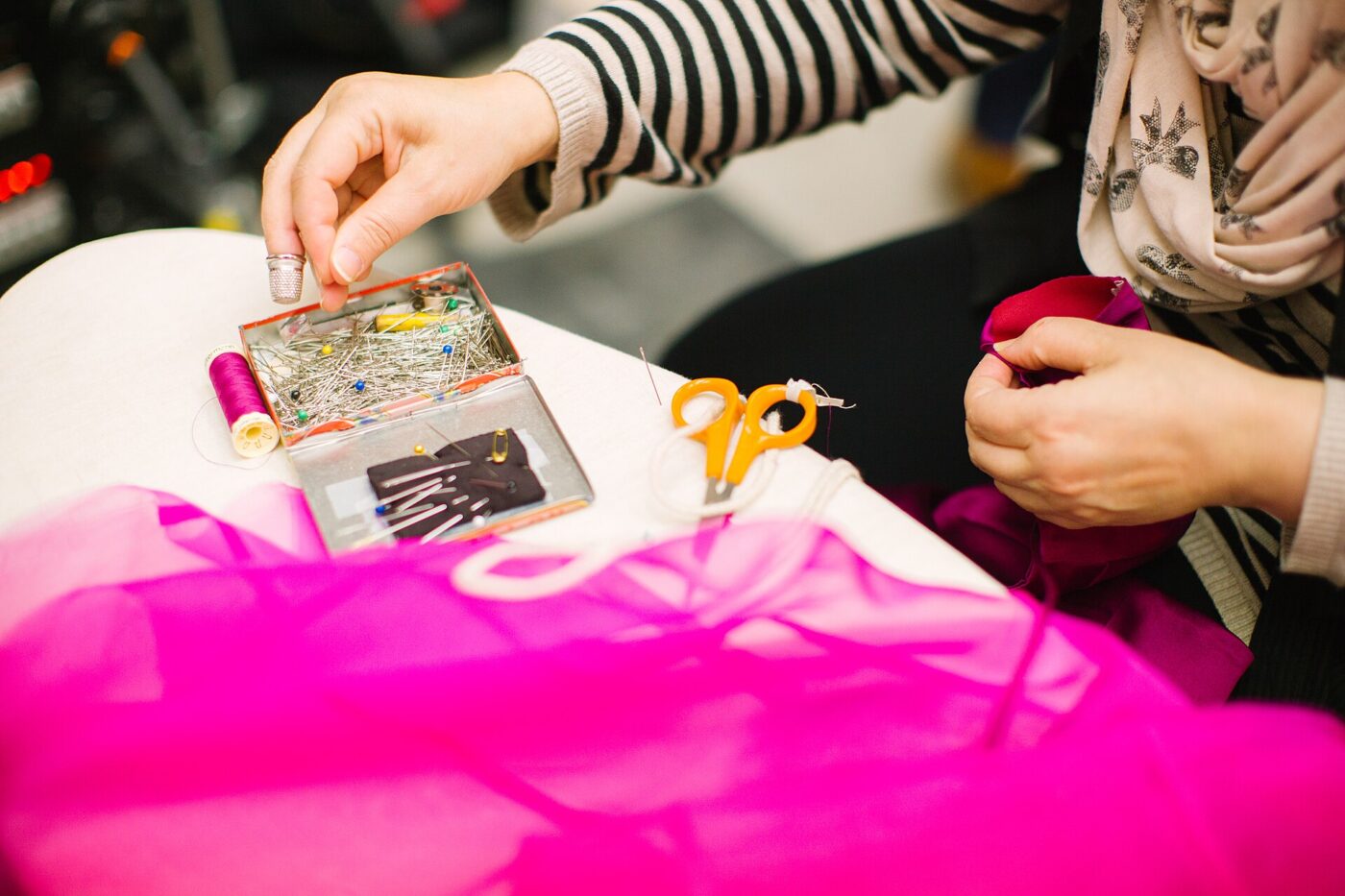
A onesie sewn in a spare bedroom and a onesie stamped out on an assembly line answer to the same federal law the moment either one is offered for sale. The Consumer Product Safety Improvement Act does not have a carve-out for small or handmade; it has a carve-out for certain testing costs, which is a narrower and easier rule to misread.
For anyone selling clothing, toys or gear made primarily for children 12 and under, that distinction is the whole ballgame: which parts of CPSIA compliance a small seller can skip, and which parts — certificates, tracking labels, lead limits, and rules aimed at specific hazards like drawstrings and flammable sleepwear — apply no matter how small the batch is.
Fear Index · High risk
A listing that looks like a hobby, regulated like a manufacturer
CPSC says a children’s product is anything designed or intended primarily for children 12 years old and younger, and that size of business is not an exemption from the tracking label requirement.
Is it a children’s product? The 12-and-under test
CPSC’s own guidance on lead limits states the trigger plainly: the rule applies to “any component of a children’s product intended primarily for children 12 years old and younger.” A baby romper, a toddler-sized hat, a nursery mobile or a plush toy sized and marketed for that age range all clear that bar regardless of how small the shop making them is.
That is a lower age ceiling than many sellers expect, and it catches categories that do not look like classic “baby products” — costume pieces, dress-up accessories, and gear a caregiver buys rather than the child themselves. If a listing is aimed at that age range, CPSIA applies before the first sale.
The 12-and-under line is set by who the product is for, not by how it is made or how many are sold.
Certificates, tracking labels and the 100 ppm lead limit
Two paperwork requirements apply to essentially every children’s product sold in the US. CPSC says domestic manufacturers and importers of children’s products must issue a written Children’s Product Certificate, based on test results from a third-party, CPSC-accepted laboratory, certifying the product meets applicable safety rules — and that certificate has to be available to distributors and retailers, not filed away.
Every children’s product also needs a tracking label, and CPSC is explicit that there is “no exemption or exception from the tracking label requirement based on the size of the business.” The label has to identify the manufacturer or private labeler, the location and date of production, and detailed manufacturing-process information such as a batch or run number, so a specific unit can be traced if something goes wrong. For very small items, CPSC’s standard is that marking has to happen “to the extent practicable,” not that it can be skipped.
Underneath both requirements sits the lead limit: CPSC caps total lead content at 100 ppm in any accessible component of a children’s product. That covers dyed fabric, trims, snaps, buttons and hardware alike — anything a child can actually touch or mouth.
Small batch registration: relief it gives, and what it doesn’t
CPSC’s small batch manufacturer program is the specific relief many crafters are looking for, and it is narrower than the name suggests. To qualify, a business needs total gross revenue from all consumer products, in the prior calendar year, of $1,436,864 or less, and no more than 7,500 units of the same product manufactured in that year.
Qualifying does not mean skipping testing altogether. CPSC groups requirements into two tiers: Group A — which includes lead paint, cribs, play yards, pacifiers, small parts and lead in children’s metal jewelry — “will always be required to third-party test,” registration or not. Only Group B requirements, such as general lead content limits outside those categories, allow a registered small batch manufacturer to substitute alternative evidence, such as in-house testing or a supplier’s written statement of assurance, for a lab test.
A Children’s Product Certificate is still required either way. CPSC’s guidance is direct that a small batch manufacturer “must always certify its children’s products as compliant with the underlying children’s product safety rules applicable to each product” — the registration changes how compliance can be shown, not whether it has to be shown.
Small batch registration trades a lab bill for a paperwork trail. It does not trade away the certificate, the label, or the lead limit itself.
Drawstrings, snaps and sleepwear flammability
Beyond the general rules, specific product categories carry their own separate federal requirements. CPSC’s guidance on children’s upper outerwear says hood and neck drawstrings on sizes 2T to 12 “present a strangulation hazard” and are prohibited outright under the applicable safety standard. Waist and bottom drawstrings on sizes 2T to 16 are allowed but limited: no more than 3 inches of exposed length when the garment is fully expanded, no toggles or knots at the free ends, and a continuous drawstring must be bar-tacked so it cannot be pulled through its channel.
Sleepwear has its own flammability standard entirely separate from drawstrings or lead. CPSC’s guidance splits it by size: 16 CFR Part 1615 covers sizes 0 through 6X and Part 1616 covers sizes 7 through 14, both requiring the fabric to self-extinguish rather than continue burning. Tight-fitting garments and defined infant garments are excepted from that flammability testing, but CPSC says they still fall under the separate general apparel flammability standard, 16 CFR Part 1610 — not no standard at all.
Choosing components that come with documentation
None of these rules require every seller to run their own lab tests from scratch. A fabric or trim that already carries independent test documentation, such as an OEKO-TEX certification, does not by itself satisfy CPSC’s lead or phthalate testing requirements — those are a separate federal standard — but that paperwork can support the kind of supplier statement of assurance CPSC allows a registered small batch manufacturer to rely on for Group B items.
Practically, that favors sourcing decisions made before a listing goes live: plastic snaps and hardware sidestep the lead question metal fasteners raise, and fabric bought with existing documentation from the supplier is easier to fold into a Children’s Product Certificate than fabric with no paper trail at all. For the buyer’s side of judging whether a handmade seller is doing any of this, our guide to spotting a real Etsy maker covers what a listing that has done its homework tends to look like.
Documentation from a supplier does not replace a certificate. It is what makes writing an honest certificate possible.
The shortlist
Paid links: we earn a commission if you buy through the buttons below, at no extra cost to you. As an Amazon Associate I earn from qualifying purchases.
Compared on getting components that support compliance
| Product type | Best for | Risk estimate | Where to buy |
|---|---|---|---|
| Custom Sew-In Tracking Labels for Clothing | Meeting the tracking label rule | 18/100 | See listings on AmazonOpens Amazon search results, not one listing: check the model on the product page. |
| OEKO-TEX Certified Cotton Knit Fabric | Documenting fabric for a CPC | 25/100 | See listings on AmazonOpens Amazon search results, not one listing: check the model on the product page. |
| Plastic Snap Press Kit With Pliers | Skipping metal-fastener lead testing | 15/100 | See listings on AmazonOpens Amazon search results, not one listing: check the model on the product page. |
Risk estimate is our editorial Fear Index for the product type (lower is safer), not a customer rating. How it is scored.
Custom Sew-In Tracking Labels for Clothing
CPSC says there is no small-business exemption from the tracking label rule. A proper sew-in label is the baseline, not an extra.
- Covers maker name, location and date fields
- Room for a batch or run number
- Sewn in, not a removable hang tag
- Still needs the seller’s own records behind it
- Doesn’t substitute for a CPC
Plastic Snap Press Kit With Pliers
Total lead content applies to any accessible component. Plastic hardware removes one variable from that question before testing ever comes up.
- No bare metal component touching a child
- Consistent hardware across a batch
- Widely available in child-safe sizes
- Some buyers prefer the look of metal snaps
- Still needs the fabric and dye documented separately
More: Handmade and Gifts analyses and how the Fear Index is scored.
Questions people actually ask
Does CPSIA apply to handmade baby clothes sold on Etsy or at craft fairs?
Yes. CPSC defines a children’s product by who it is intended for — primarily children 12 and under — not by how or where it is sold.
What is a Children’s Product Certificate?
A written certificate, based on required testing, that a children’s product complies with applicable federal safety rules. CPSC requires manufacturers and importers to issue one and make it available to retailers.
Does small batch registration exempt crafters from testing?
No. It can allow alternative evidence instead of third-party lab testing for some requirements, but Group A items like lead paint, small parts and metal jewelry always require third-party testing, and a certificate is always required.
What has to be on a tracking label for a handmade children’s product?
CPSC requires the manufacturer or labeler’s name, the location and date of production, and manufacturing details such as a batch or run number, marked to the extent practicable for the item’s size.
Are drawstrings banned on children’s clothing?
Hood and neck drawstrings are prohibited on upper outerwear sizes 2T to 12. Waist and bottom drawstrings on sizes 2T to 16 are allowed but limited in length and must be bar-tacked if continuous.