
Emergency Water Storage Runs Short Because Households Count Bottles, Not Gallons
A few cases of bottled water look like a lot. At a gallon per person per day, a household needs far more, stored in the right containers and replaced on schedule.
Topics
Formats
The site
Emergency equipment is bought in calm weather and used in the worst conditions: dark, cold, stressed and without internet. That makes two things matter more than any feature list — whether the product delivers what its rating implies, and whether it is safe to use by someone in a hurry.
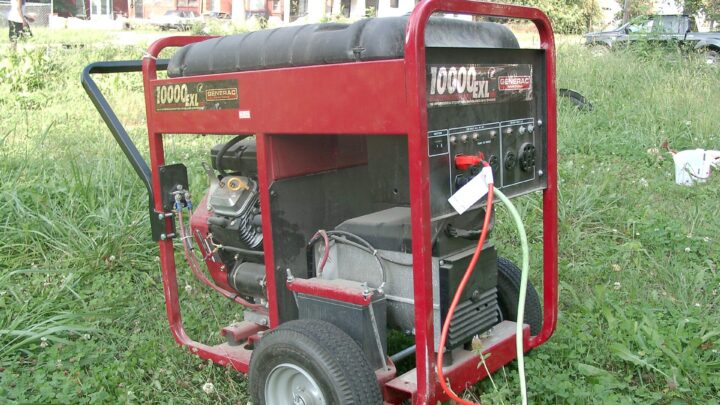
A portable generator is the clearest example. It solves a power cut and creates a carbon monoxide hazard that official safety agencies warn about every storm season. A power station rated in watt-hours delivers noticeably less once inverter losses are counted.
These analyses follow the guidance of public safety agencies and cite it directly, then compare equipment against it.
6 articles
A few cases of bottled water look like a lot. At a gallon per person per day, a household needs far more, stored in the right containers and replaced on schedule.
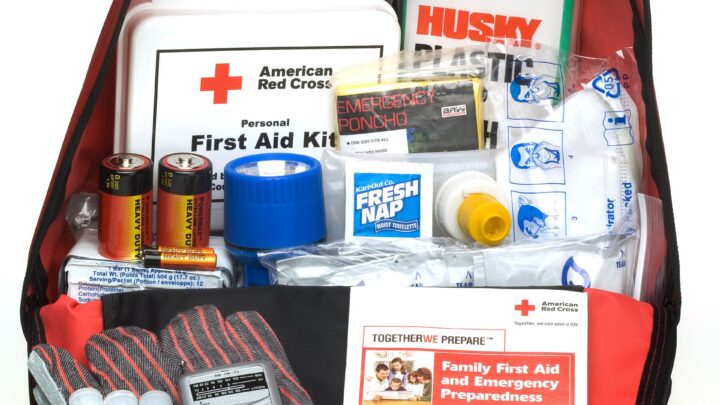
A 200-piece kit can be mostly small adhesive bandages. Compared with the Red Cross list, many kits run short on the dressings, tape and gloves that bigger injuries need.
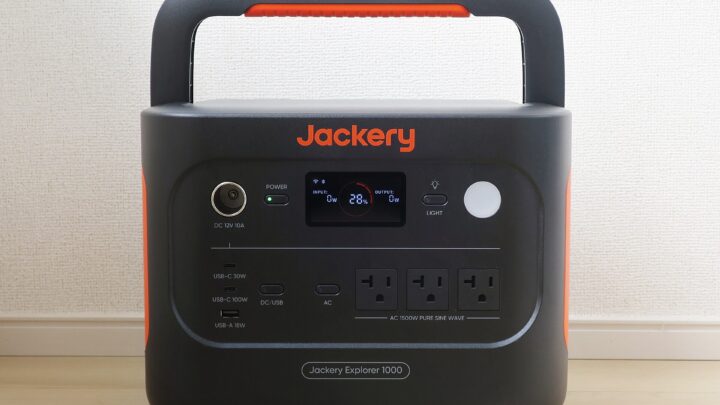
Rated watt-hours describe the battery, not what reaches your devices. Inverter losses, idle draw and startup surges decide what a power station can actually run and for how long.
Wireless Emergency Alerts are designed for the most severe warnings. A weather radio programmed with your county’s SAME code covers more, and works when cell service does not.
Portable generator exhaust can reach lethal carbon monoxide levels in a garage, basement or shed even with doors open. Placement, shutoff features and alarms each cover part of the risk.
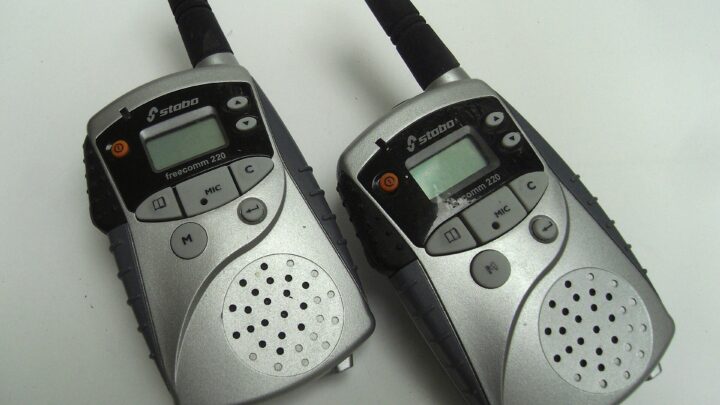
GMRS needs a $35 family license with no exam; amateur radio needs a passed exam and callsign. What separates the two, and why some cheap radios are legal for neither.