Handmade and Gifts
Homemade Candles Fail at the Wick and the Jar, and Only a Full Test Burn Reveals It
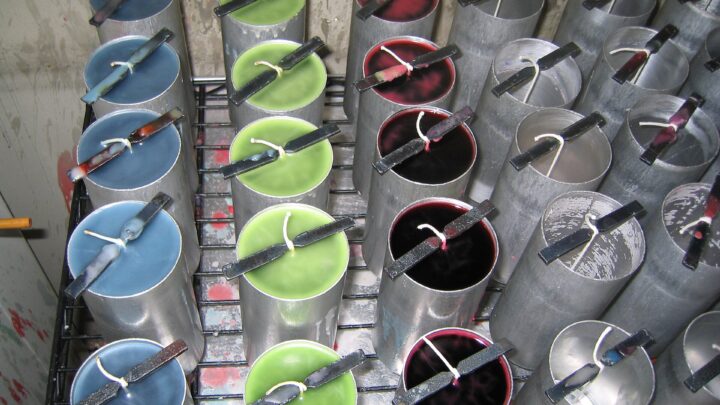
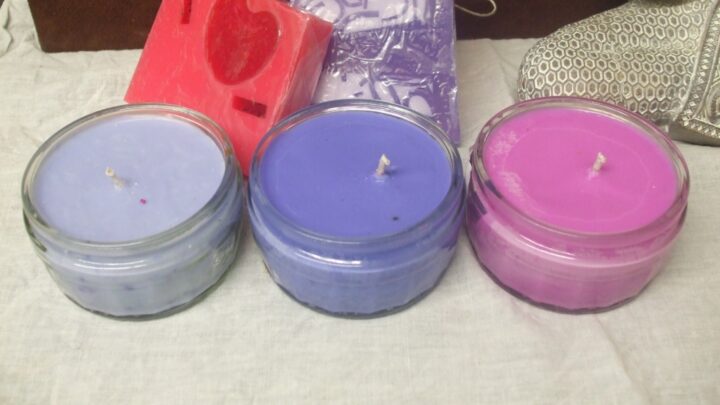
A candle looks finished the moment it sets, but only a full test burn shows whether the wick, wax and jar actually work safely together.


Topics
Formats
The site
The handmade marketplace has a structural problem that no amount of browsing solves on its own: a meaningful share of listings on any given platform are mass-produced items with a maker’s story attached, and the platform has limited incentive to police it.
These analyses are mostly about detection. What a real production lead time looks like versus a dropshipper’s. Why identical photography across unrelated shops is the strongest single signal. How personalisation pricing gives away whether anything is actually being made to order.
Then, having filtered, we look at the categories where buying from an independent maker genuinely beats the mass-market alternative on quality rather than sentiment.
10 articles
A candle looks finished the moment it sets, but only a full test burn shows whether the wick, wax and jar actually work safely together.
A handmade baby outfit is a children’s product under federal law, not just a listing. Certificates, tracking labels and what small batch relief actually covers.
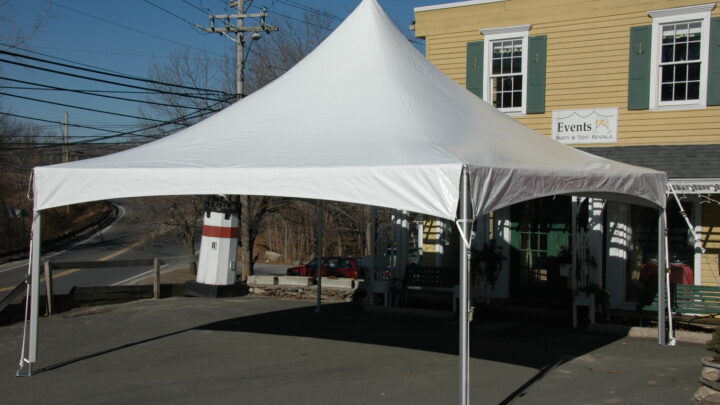
A 10x10 pop-up is built to lift in wind if it is not staked and weighted on every leg. What manufacturers and fire codes actually require, and when to take it down.
A personalized gift has two clocks: making it and delivering it. Most people only count the second, and the first is longer in December.
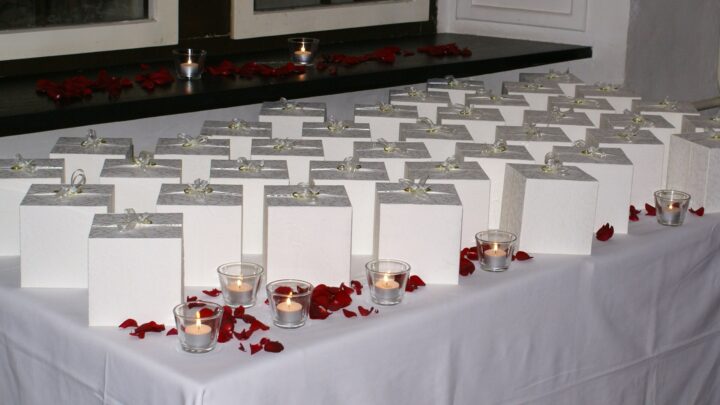
Wedding favors look inexpensive one at a time. Multiply by every guest, add packaging and personalization, and they become a meaningful budget line that is often left on the table.
The phrase sounds like reassurance. It is a grade name, it sits above only bonded leather, and it describes a split hide with an artificial surface printed on it.
Three terms describe gold over another metal, and they differ by an order of magnitude in how much gold there actually is. Only one requires sterling silver underneath, and US minimums for the rest differ more than tenfold.
A candle that burns a narrow hole down the middle is usually a first-burn problem. The wick burns down into whatever pool that first burn left, and every later burn starts lower in the same well.
Two prints can look identical on arrival and differ by years, sometimes decades, in how long they stay looking that way. The variables are ink chemistry, paper acidity and what glass you put in front of them.
A meaningful share of handmade marketplace listings are mass-produced goods with a maker story attached. The signals that give it away are consistent and worth checking before you pay a handmade premium.