
“Genuine Leather” Usually Means the Second-Worst Leather You Can Buy
“Genuine leather” only means real leather, and it is usually stamped on low-grade splits. How full grain, top grain and bonded leather differ.

A wallet stamped “genuine leather” reads as an assurance that you are not buying plastic. Technically that is true, and it is not what the phrase means.
Leather quality depends largely on which layer of the hide it comes from. “Genuine leather” is not a formal grade in any US standard — it only says the material is leather — but in practice it is most often stamped on lower-quality split or heavily corrected leather.
Fear Index · High risk
A grade name that reads as a quality claim
Nothing is technically mislabeled. The phrase only promises real leather, and most buyers read it as a promise of quality.
The grades, from best to worst
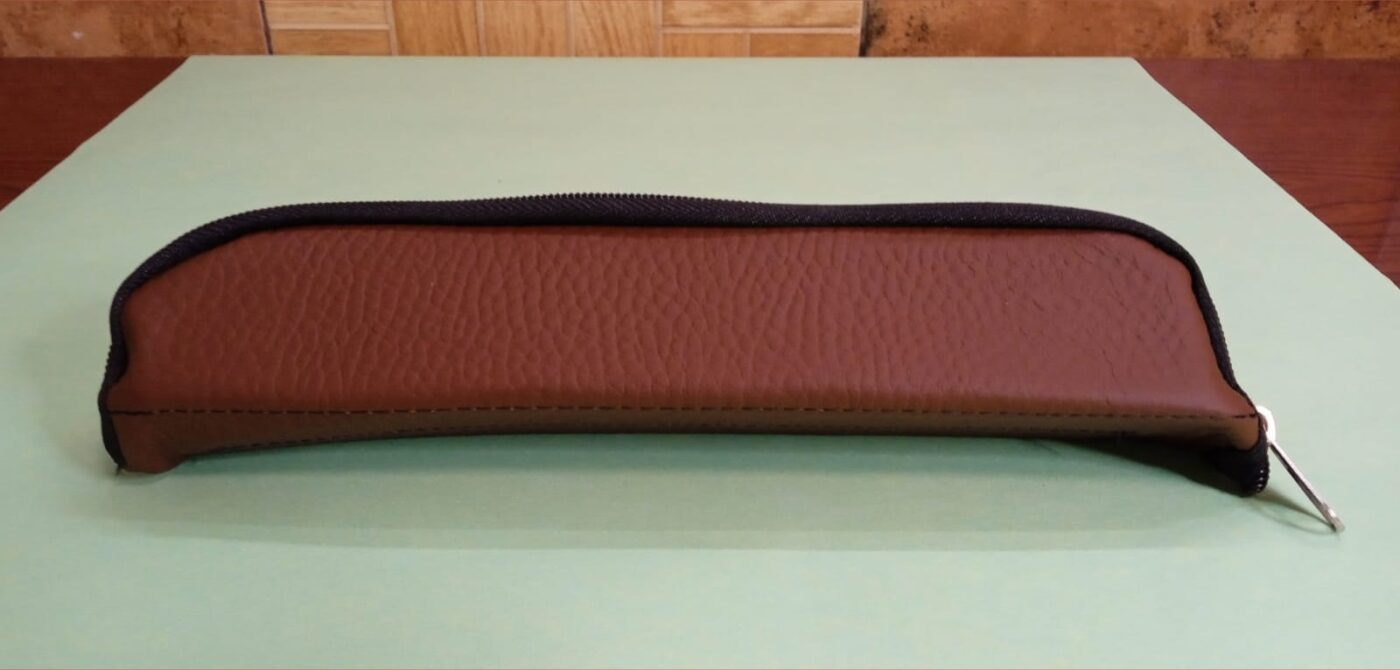
A hide has a dense outer layer where the fibers are tightly packed, and a looser inner layer. Everything about durability follows from which part you get.
| Grade | What it is | Behavior |
|---|---|---|
| Full grain | Outer surface intact, unsanded | Strongest; develops patina; lasts decades |
| Top grain | Outer layer sanded and refinished | Good; more uniform; less durable than full grain |
| Genuine leather | Lower split with an artificial surface | Real leather, weak; cracks and peels in a few years |
| Bonded leather | Leather dust glued to a backing | Behaves like poor vinyl; flakes |
Full grain is the only grade where the strongest fibers are kept. Everything below it has had that layer removed or was never part of it.
How to tell by looking

Grade labels are unreliable, but the material gives itself away.
- Look at a cut edge. Full grain shows a dense fibrous cross-section with visible variation. Bonded leather shows a uniform layer on an obvious fabric backing.
- Look for irregularity. Real outer hide carries pores, growth marks and small scars. A perfectly uniform grain pattern is printed.
- Press it. Full grain wrinkles and relaxes like skin. Coated splits crease sharply and stay creased.
- Smell it. Genuine hide has a distinctive smell; bonded leather smells of adhesive.
- Check the price against the size. A full-grain belt cannot be made cheaply. Hides cost what they cost, and a maker selling genuine full grain at a split-leather price is either mistaken about their own material or hoping you will not check.
Where paying more is worth it, and where it is not
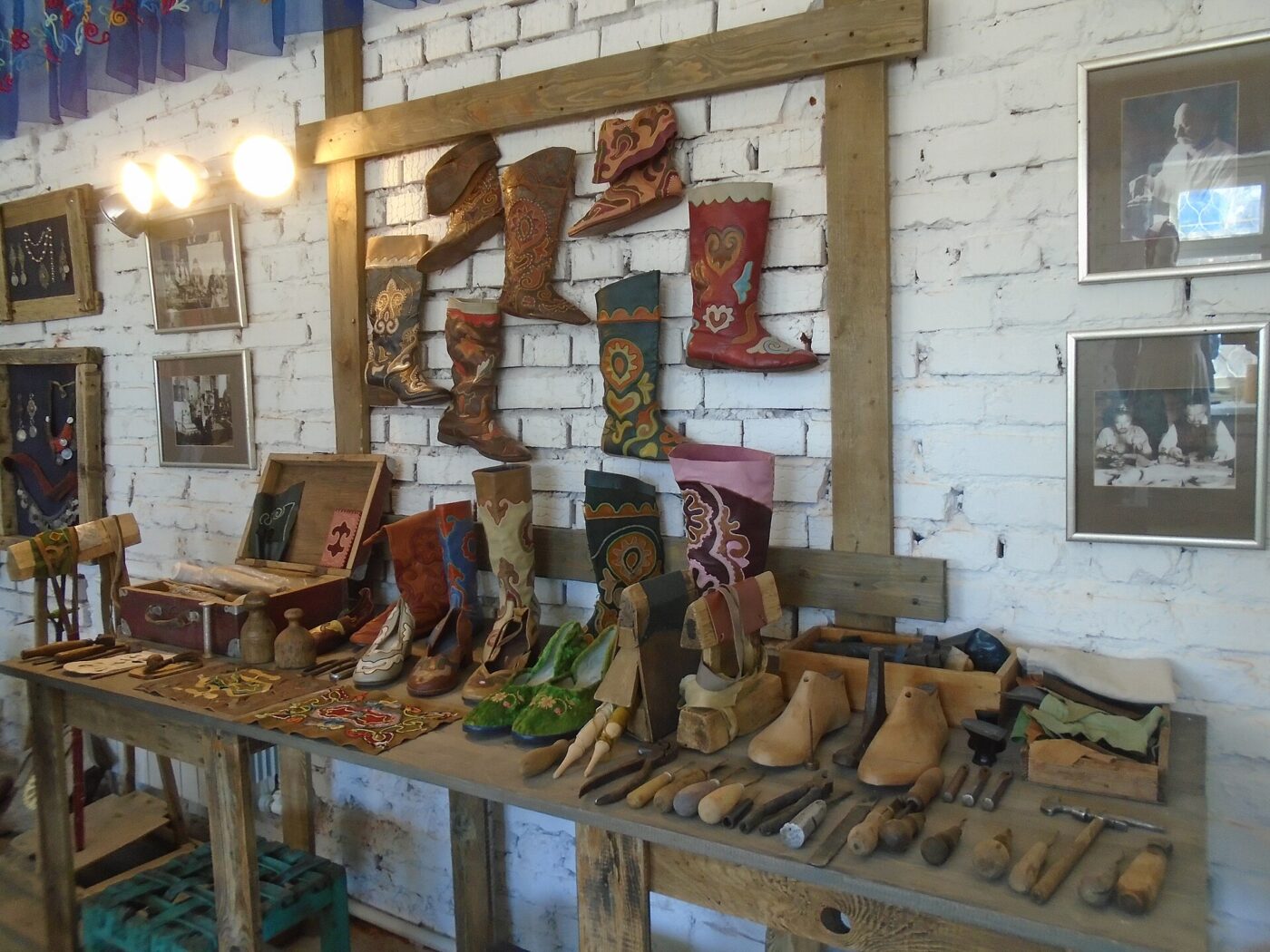
For anything that flexes constantly and lasts years — belts, wallets, bag straps, boots — full grain repays the premium clearly. Those items fail at the flex point, which is exactly where the intact fiber layer matters.
For items that see light use, or fashion pieces expected to last a season or two, top grain is a sensible middle. It looks more uniform, which some people prefer, and costs considerably less.
Vegetable-tanned leather ages best and is what develops the deep patina people associate with good leather. Chrome-tanned is softer immediately, more water-resistant and does not patina in the same way. Neither is a grade; it is a separate axis.
Labels that mean something else entirely
A few more terms show up on tags and listings, and each promises something different from what it sounds like. The FTC’s leather guides regulate the claims sellers can make, but the vocabulary is still easy to misread at a glance.
- Corrected grain. The natural surface has been sanded and an artificial grain embossed on top — this is how most top grain and lower splits get their uniform texture.
- PU leather and vegan leather. Not leather at all. These are polyurethane or other synthetics made to resemble it, and by definition contain no animal hide.
- “100% leather” or “real leather.” Confirms the material is genuine hide, the same way “genuine leather” does — it says nothing about which layer or grade.
- Nubuck and suede. Real leather finished differently: nubuck is sanded full grain, suede is sanded from the inner split. Both mark and stain more easily than a finished grain surface, and neither is a grade in its own right — a nubuck jacket can be made from a full-grain hide or a lower split, and the finish alone will not tell you which.
The shortlist
Paid links: we earn a commission if you buy through the buttons below, at no extra cost to you. As an Amazon Associate I earn from qualifying purchases.
Compared on what the leather actually is
| Product type | Best for | Risk estimate | Where to buy |
|---|---|---|---|
| Full-Grain Leather Belt | Lasts decades | 20/100 | See listings on AmazonOpens Amazon search results, not one listing: check the model on the product page. |
| Full-Grain Leather Wallet | Everyday carry that should last | 26/100 | See listings on AmazonOpens Amazon search results, not one listing: check the model on the product page. |
| Leather Conditioner | Extending the life of good leather | 12/100 | See listings on AmazonOpens Amazon search results, not one listing: check the model on the product page. |
Risk estimate is our editorial Fear Index for the product type (lower is safer), not a customer rating. How it is scored.
Full-Grain Leather Belt
A belt flexes thousands of times a year at the same points. It is the clearest case where grade decides lifespan.
- Intact fiber layer survives constant flexing
- Develops patina rather than cracking
- Often outlasts several cheap belts
- Stiff for the first weeks
- Costs several times a split-leather belt
Leather Conditioner
Leather that dries out cracks at the flex points. Conditioning it once or twice a year, and after it has been soaked, slows that down.
- Replaces oils lost to time and sun
- Prevents the cracking that ends most leather
- One tin lasts years
- Can darken light leathers
- Over-application softens structure
More: Handmade & Gifts analyses and how the Fear Index is scored.
Questions people actually ask
Is genuine leather good quality?
Not as a rule. The phrase only guarantees real leather, and it is most often used on a lower split of the hide with an artificial surface applied — better than bonded leather, but far less durable than full grain.
What is the difference between full grain and top grain?
Full grain keeps the outer hide surface intact, which is where the densest fibers are. Top grain has that layer sanded off and refinished — more uniform, less durable.
How can I tell if leather is full grain?
Look at a cut edge for a dense fibrous cross-section, look for natural irregularity such as pores and growth marks, and press it — full grain wrinkles and relaxes like skin.
Is bonded leather real leather?
Only in the sense that it contains leather dust glued to a backing. It behaves like poor vinyl and flakes apart within a few years.