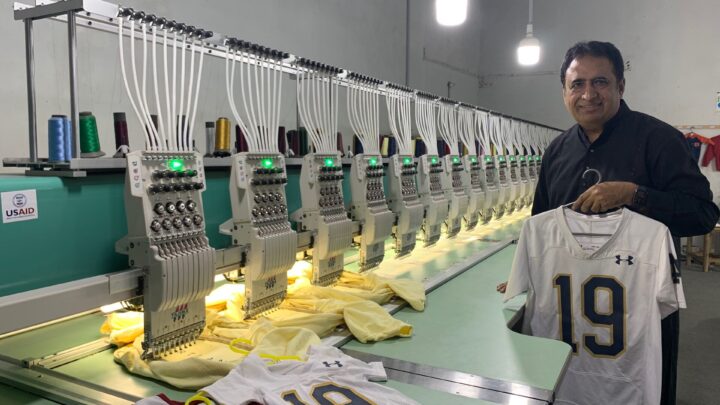
An Embroidery Machine’s Hoop Size and File Format Limit You More Than Its Built-In Designs
A beginner embroidery machine is sold on its built-in designs, but the hoop size and the file formats it reads decide everything you stitch after that.
Topics
Formats
The site
Creative hobbies share one failure mode, and it costs beginners more than anything else: the money goes into the wrong half of the system.
It goes into the camera body rather than the lens. Into the guitar rather than the setup that makes it playable. Into a faster 3D printer rather than the surface the first layer sticks to. In each case the expensive purchase is real and the improvement is marginal, because the thing limiting the result was somewhere else.
These analyses are written to point at the limiting part first, then say what to buy — and where the honest answer is a cheaper item plus better consumables, that is what they say.
12 articles
A beginner embroidery machine is sold on its built-in designs, but the hoop size and the file formats it reads decide everything you stitch after that.
A filament labeled food safe usually describes the resin, not the finished object a home printer produces. What FDA’s rules actually cover, and what does not.
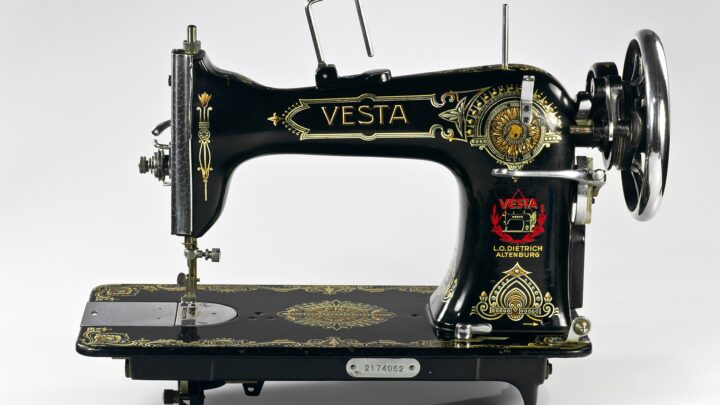
A serger trims, stitches and overcasts an edge in one pass, but a conventional sewing machine still does the buttonholes and topstitching a serger was never built for.
Dry clay dust carries crystalline silica, which NIOSH links to incurable silicosis over time. What wet cleaning, a real respirator and glaze safety mean for a home studio.
A rotary cutter is an exposed blade whenever it is open. How auto-retract guards, cut-resistant gloves and technique keep it away from a hand.
The number and fiber percentages on a yarn label follow real standards, and they decide whether a pattern gauges and a finished gift survives the wash.
Sodium hydroxide burns eyes and skin on contact and heats up fast in water. What NIOSH, ATSDR and poison-center guidance says about PPE, mixing order and first aid.
A machine advertising two hundred decorative stitches can still pucker a seam. The feed dogs and tension system decide whether fabric moves evenly — which is most of sewing.
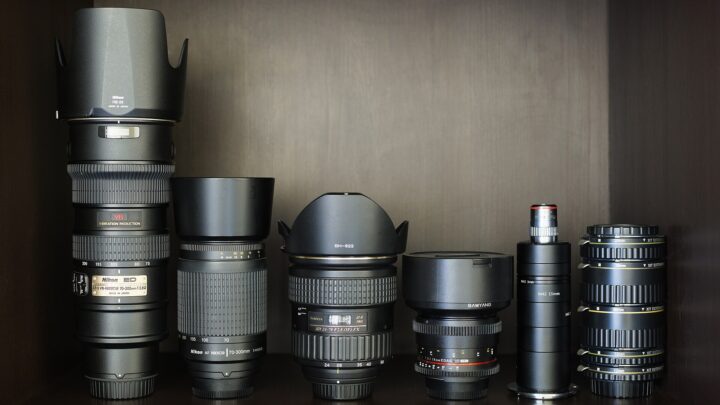
A camera body is a computer that loses value every year. A lens is glass that behaves identically in a decade — and it is the part that actually changes your photographs.
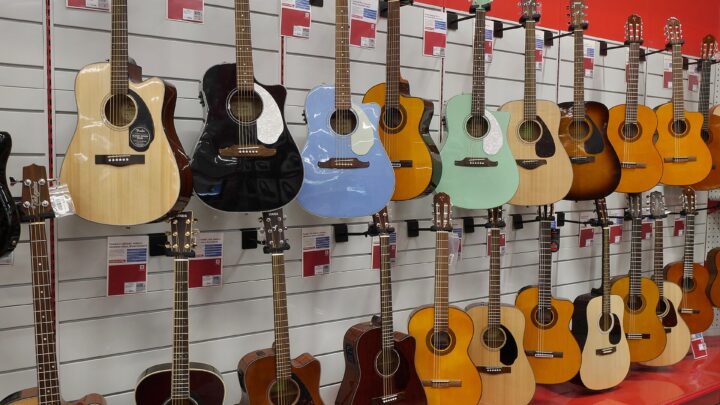
Beginners blame their fingers. The usual culprit is string height — a setup issue that costs about as much as two lessons and makes the instrument physically easier to play.
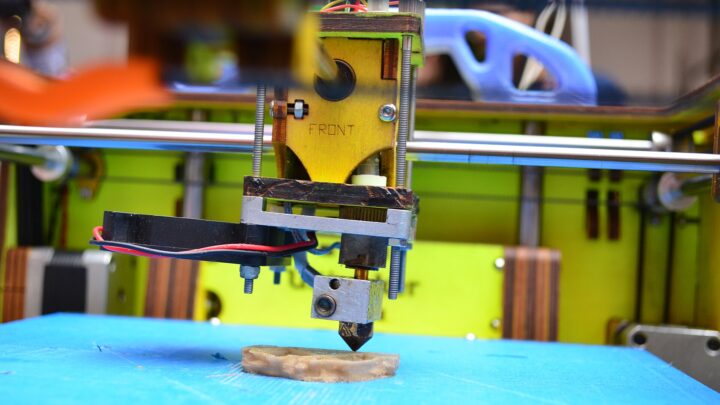
A 3D printer that fails constantly is usually not broken and rarely slow. It is producing a bad first layer, and everything downstream inherits that.
Resin printers produce far better detail than filament machines and bring real chemical handling with them. Sensitisation is permanent, and it is the risk people discover too late.