
A Sewing Machine’s Stitch Count Matters Less Than How It Feeds Fabric
Machines are sold on hundreds of stitches. Even fabric feed, consistent tension and a solid build decide whether sewing is pleasant.

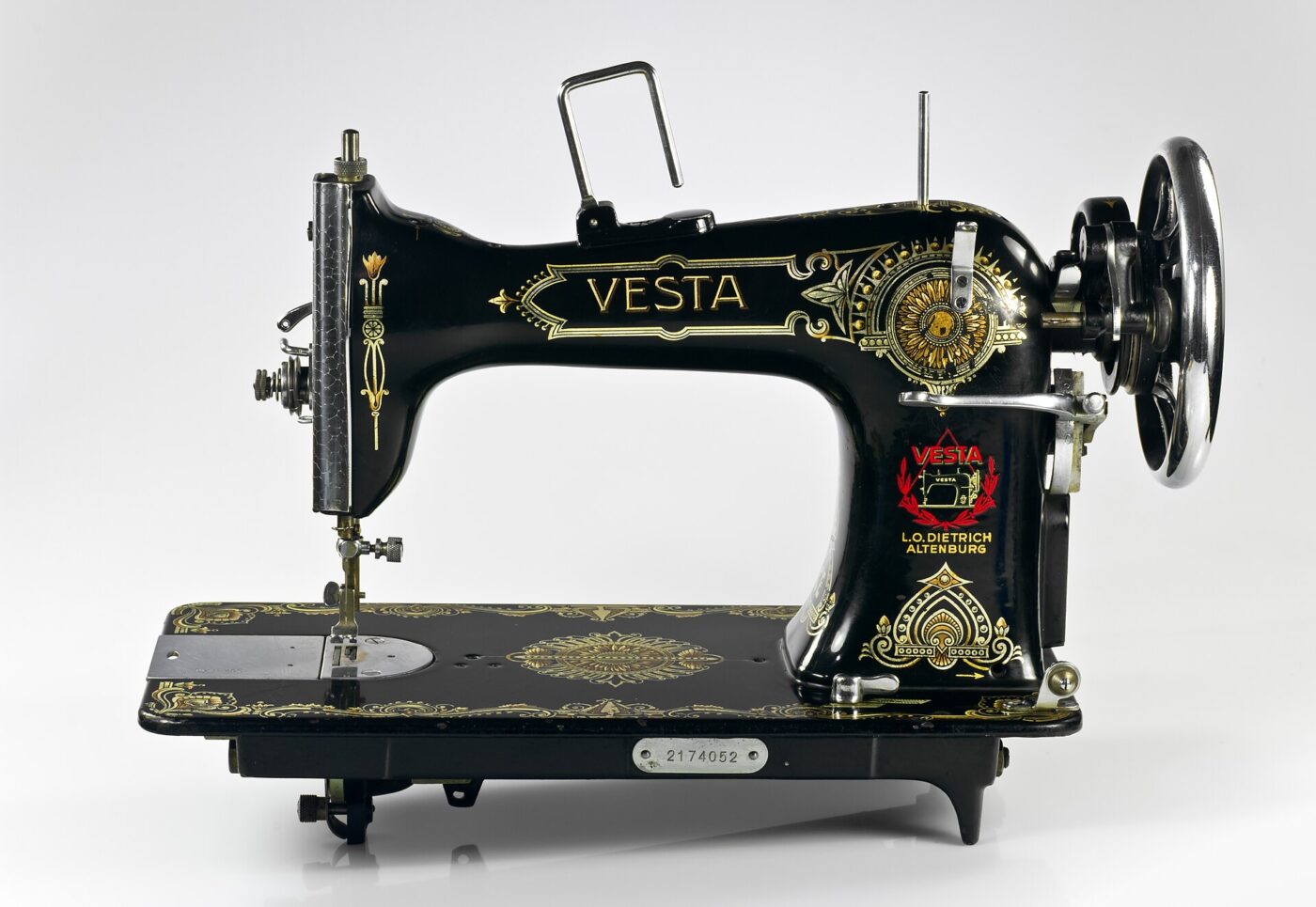
Sewing machines are marketed on stitch counts: 60, 100, 200 built-in stitches. Most people use straight stitch, zigzag, a buttonhole and perhaps a stretch stitch.
What makes sewing pleasant or frustrating is less visible: how evenly the machine moves fabric, how consistent its tension is, and how steady it stays at speed.
Fear Index · Think twice
Features counted, fundamentals unexamined
Puckered seams and skipped stitches usually get blamed on skill, when a machine struggling to feed or tension fabric evenly is often the real cause.
Feed is most of sewing
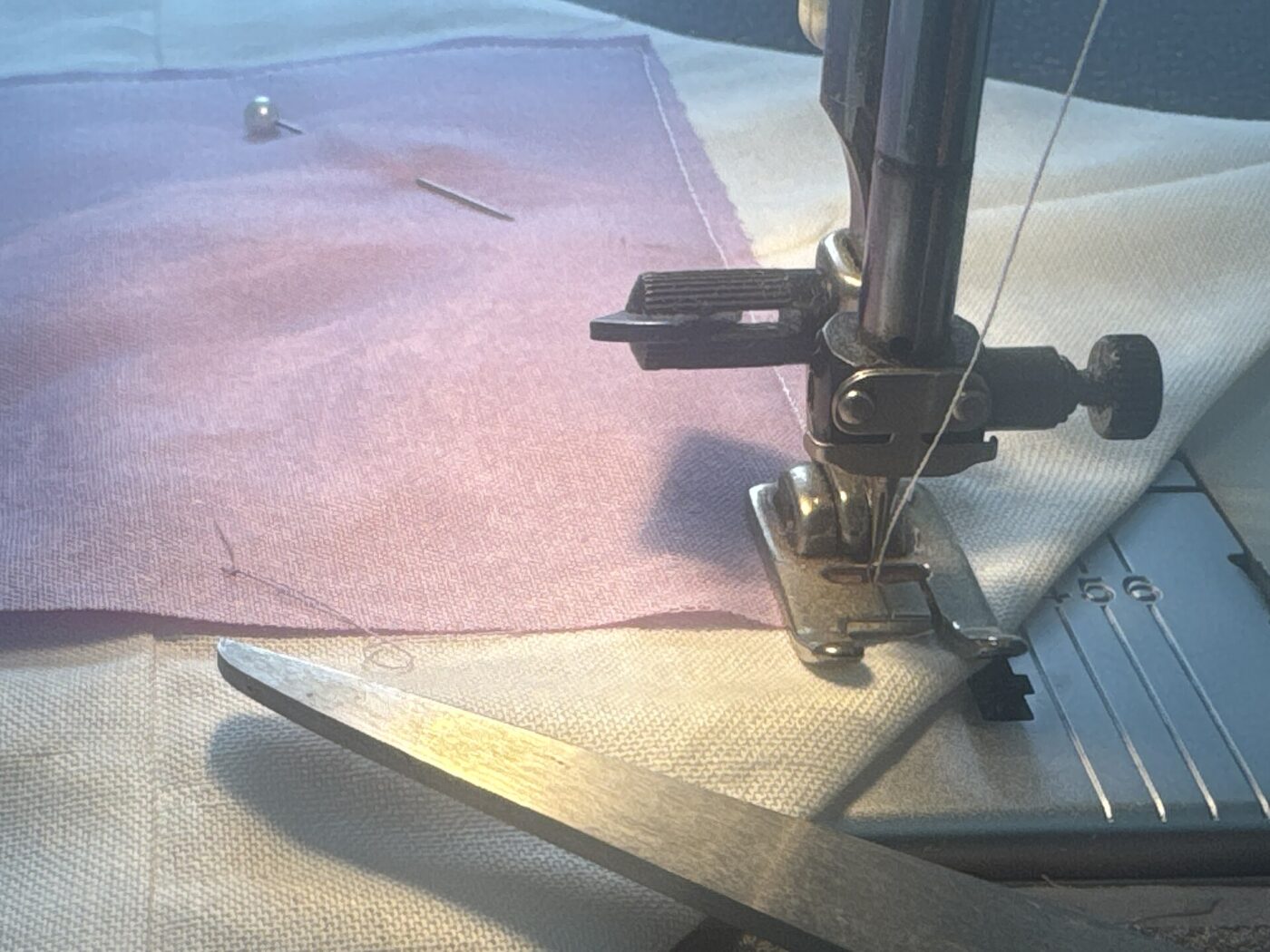
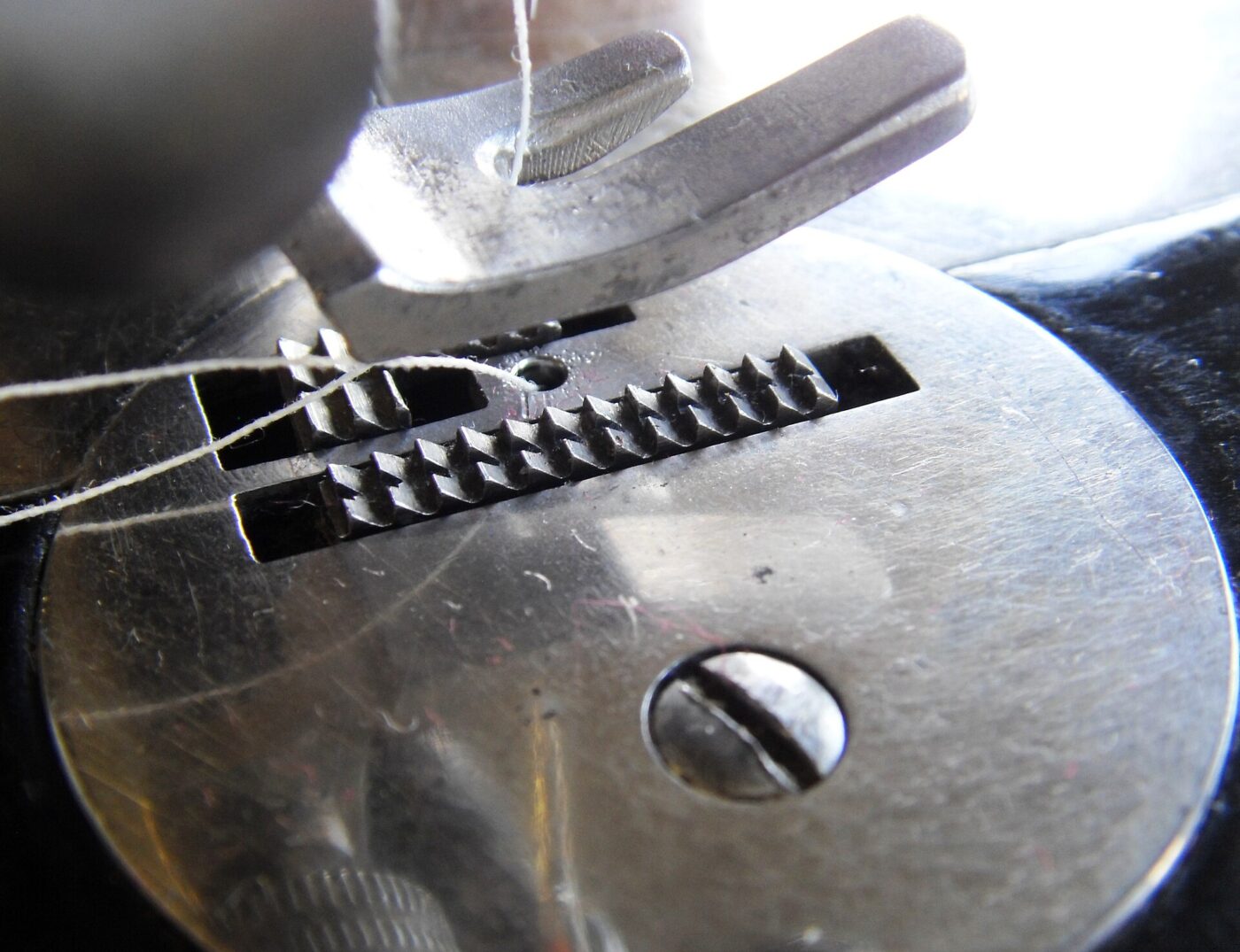
Beneath the presser foot, toothed feed dogs rise, grip the fabric, pull it back and drop. That motion sets stitch length and moves the work.
Uneven feed produces puckered seams, stretched knits and layers that end up misaligned by the end of a long seam. Weak presser foot pressure makes it worse with thick or slippery fabric.
Adjustable presser foot pressure and the ability to drop the feed dogs (for free-motion quilting and darning) are more useful features than extra decorative stitches.
In a shop, sew two layers of a slippery fabric in a long seam. If the top layer creeps ahead, the feed is struggling — whatever the stitch count.
Mechanical or computerized
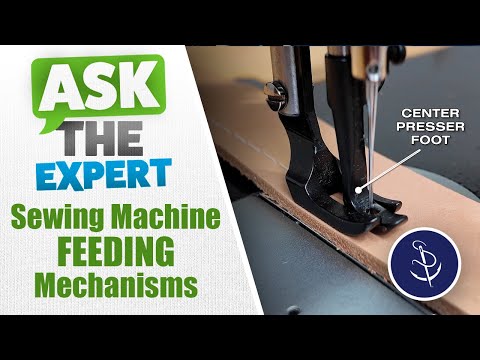
Mechanical machines use dials and are simple, durable and easy to service. Computerized machines offer precise stitch selection, automatic buttonholes and needle positioning, with electronics that are harder to repair.
For a beginner, either works well. Build quality matters more than control type: a heavier machine with a metal internal frame vibrates less at speed and handles denim and canvas better than a light plastic one.
- A one-step buttonhole is worth more than dozens of decorative stitches.
- A top-loading drop-in bobbin is easier to see and thread.
- A free arm lets you sew cuffs and trouser hems.
- Needle threader and speed control help beginners considerably.
The walking foot, and needles
A walking foot adds a second set of feed dogs on top of the fabric, so both layers move together. It transforms quilting, sewing knits and matching plaids, and fits most machines.
The cheapest improvement of all is the needle. A blunt or wrong needle causes skipped stitches and snags. Change it every eight or so hours of sewing, and match the type: ballpoint for knits, denim for heavy fabric, microtex for fine wovens.
Having the machine serviced occasionally and cleaning lint from the bobbin area keeps tension consistent.
Reading tension problems correctly
Loops of thread on the underside of a seam usually mean the top tension is too loose or the bobbin is threaded wrong, not that the machine is broken. Puckering or loops on top usually mean the opposite: top tension too tight, or bottom tension off.
Before adjusting any dial, rethread the machine from scratch with the presser foot up — the tension discs only grip the thread when the foot is down — and check the bobbin is inserted the way the case is marked. Most reported tension problems turn out to be threading mistakes.
Lint in the bobbin case and around the feed dogs is a quieter cause of the same symptoms. It builds up gradually, so a machine that sewed perfectly last month can start puckering with no dial ever touched.
Rethread and clean before adjusting a single dial. Most tension complaints are solved by one of those two things, not by a repair.
The shortlist
Paid links: we earn a commission if you buy through the buttons below, at no extra cost to you. As an Amazon Associate I earn from qualifying purchases.
Compared on the fundamentals
| Product type | Best for | Risk estimate | Where to buy |
|---|---|---|---|
| Beginner Sewing Machine with Metal Frame | Beginners | 26/100 | See listings on AmazonOpens Amazon search results, not one listing: check the model on the product page. |
| Computerized Sewing Machine | Precise stitches and buttonholes | 32/100 | See listings on AmazonOpens Amazon search results, not one listing: check the model on the product page. |
| Walking Foot Attachment | Layers that slip | 14/100 | See listings on AmazonOpens Amazon search results, not one listing: check the model on the product page. |
Risk estimate is our editorial Fear Index for the product type (lower is safer), not a customer rating. How it is scored.
Beginner Sewing Machine with Metal Frame
Choose build quality and even feed over features. It is what makes early projects succeed.
- Metal frame stays steady at speed
- Handles denim and thicker fabric
- Simple controls to learn on
- Fewer decorative stitches
- Heavier to move
Walking Foot Attachment
The attachment that solves layers slipping out of alignment. Check your machine’s shank type before ordering.
- Moves both layers together
- Essential for quilting and knits
- Fits most machines
- Slower and bulkier than a standard foot
- Must match your shank type
More: Hobbies and Making analyses and how the Fear Index is scored.
Questions people actually ask
What should I look for in a beginner sewing machine?
Even fabric feed, consistent tension, a sturdy frame, a one-step buttonhole, a free arm and speed control. Stitch count matters much less.
What are feed dogs on a sewing machine?
The toothed metal bars under the presser foot that grip and move fabric. Their movement sets stitch length and determines whether layers feed evenly.
What does a walking foot do?
It adds feed from above so top and bottom layers move together, preventing shifting when quilting, sewing knits or matching patterns.
Why does my sewing machine skip stitches?
Most often a blunt or wrong needle, or incorrect threading. Change the needle, match its type to the fabric, and rethread with the presser foot up.