
Unweighted Keyboard Keys Build a Lighter Touch Than a Real Piano Asks For
A 61-key unweighted keyboard and an 88-key weighted digital piano teach different things to a beginner’s hands. What actually matters before buying.

On this page 6 sections
- Weighted keys vs light action: what your fingers actually learn
- 61 versus 88 keys: running out of piano before you run out of interest
- Polyphony and the sustain pedal jack: why chords can go quiet
- Volume, headphones and practicing after the household is asleep
- The hidden costs: a bench, a stand and who should buy which
- The shortlist
A 61-key keyboard and an 88-key digital piano can sit in the same aisle at nearly the same shelf height, and a first-time buyer has no way to tell from the photo why one costs so much more than the other.
The gap is not marketing. It is in the keys themselves — how many there are, how they resist a finger, and whether a sustain pedal actually does anything when pressed — and it shows up the moment lessons start asking for control the cheaper instrument was never built to give.
Fear Index · Think twice
A first instrument built for a different job
A keyboard bought for its price tag instead of its key action is one a beginner can outgrow before the interest itself fades, as a Casio-published piano teacher warns.
Weighted keys vs light action: what your fingers actually learn
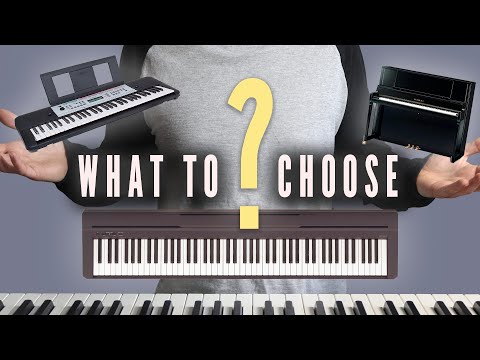
On an acoustic piano, pressing a key lifts a small hammer against a string, and the resistance a player feels is that hammer’s weight. Casio’s own guidance for beginners explains a weighted digital action the same way: the learner needs to feel that they are pushing against the key to play a note, and also experience the sensation of the key pushing back.
An unweighted, spring-loaded key skips that resistance entirely. Casio’s guidance is direct about the tradeoff: unweighted keys do not provide the resistance needed to develop piano-playing skills, even though they are easier to press — light dumbbells are easier to lift, too, and build just as little.
Touch sensitivity is a separate spec from weight, and cheaper keyboards sometimes advertise one without the other. A touch-sensitive key changes volume with how hard it is struck; a weighted key additionally pushes back with something like a hammer’s resistance. A keyboard can have the first without the second.
Touch-sensitive is not the same claim as weighted. Ask which one a listing actually means before assuming it teaches piano technique.
61 versus 88 keys: running out of piano before you run out of interest
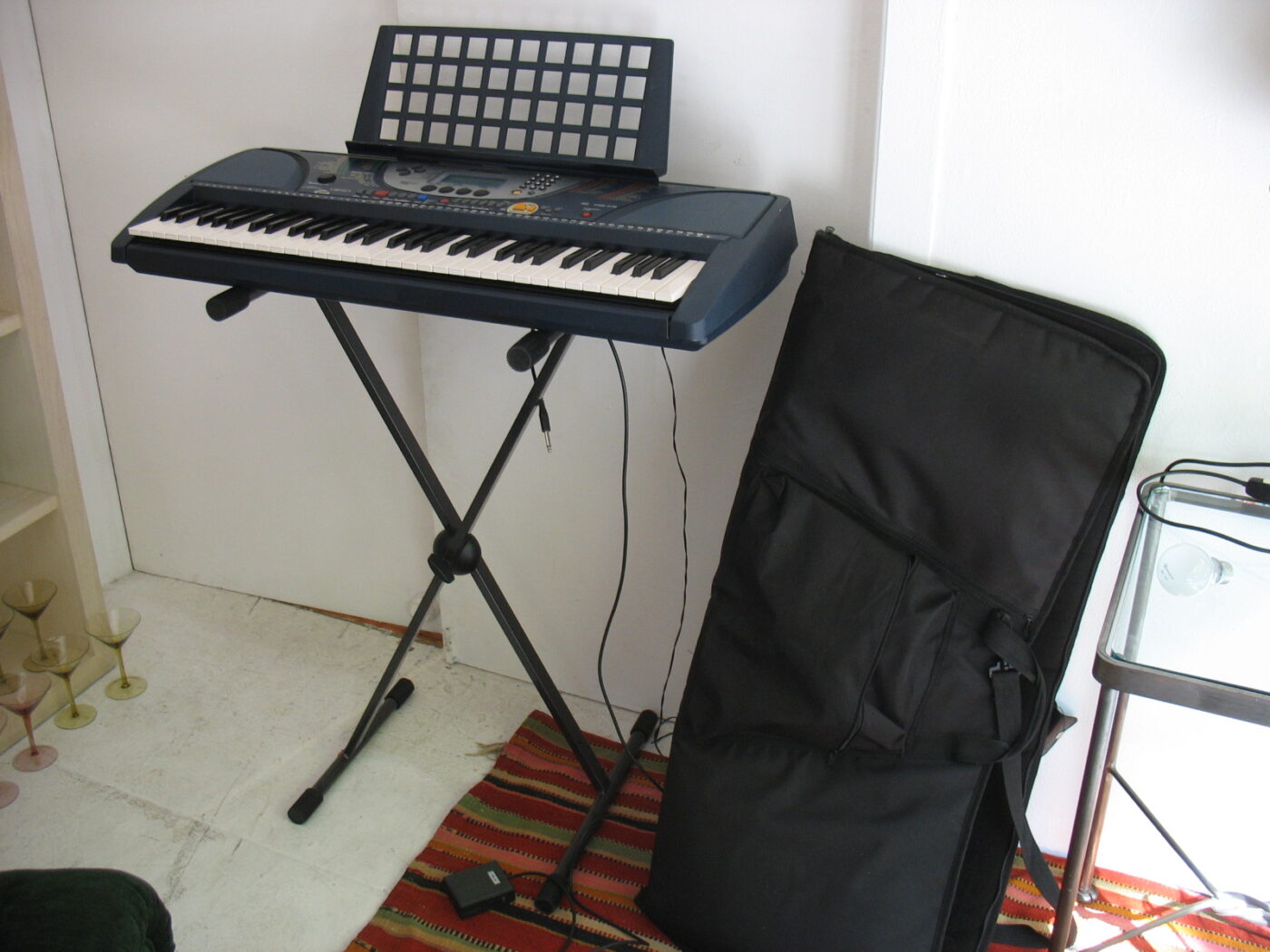
Eighty-eight keys is the range of a full acoustic piano. A piano teacher writing for Casio puts the practical consequence plainly: the standard number of keys on a piano is 88, so a student who progresses quickly on a shorter keyboard will soon run out of keys in pieces that need the full range.
A 61-key keyboard drops both ends of that range, and the same teacher warns of disorientation: pupils who learn on one often struggle to position their hands on a full 88-key piano, sometimes playing an octave too high or low, because the middle of a 61-key keyboard is offset from an 88-key one. A 76-key instrument splits the difference, closer to full range but still short at the extremes advanced repertoire uses.
None of this makes a 61-key keyboard worthless. For a young child not yet reading music, a hobbyist sketching song ideas, or anyone testing interest before committing to lessons, the missing keys rarely come up. The moment a teacher assigns a piece by range rather than by difficulty, they do.
Polyphony and the sustain pedal jack: why chords can go quiet
Polyphony is the maximum number of notes an instrument can produce at one time, as Yamaha defines it. Held notes, notes still ringing under the sustain pedal and layered sounds all draw on that limit, and Yamaha describes what happens when it is exceeded: notes start chopping off and the sound thins as new notes are played.
A sustain pedal is only useful if the instrument holds a note the way an acoustic piano does once the pedal is down. Casio’s beginner guidance flags a specific failure on cheap keyboards: the piano sound after a key has been struck does not always behave realistically, and often decays very quickly — a problem the moment a student needs to hold a key down for its full count.
Neither spec shows up in a store display the way key count does. Both are worth confirming before buying, especially for anyone planning to play along with a metronome, a backing track or two hands’ worth of chords.
Volume, headphones and practicing after the household is asleep
A headphone jack is one of the real advantages a digital instrument has over an acoustic piano: practice does not have to stop when the house goes quiet. It comes with a volume habit worth setting early. NIDCD says sounds at or below 70 A-weighted decibels are unlikely to cause hearing loss even after long exposure, while long or repeated exposure at 85 dBA or higher can cause damage — and NIDCD lists music through headphones at maximum volume at 94 to 110 dBA.
Nothing about a digital piano forces that volume. The headphone level is the player’s to set, so set it once, conservatively, and leave it there rather than turning it up to match a speaker habit.
The hidden costs: a bench, a stand and who should buy which
A keyboard that ships without a stand or bench still needs both before lessons start, and an adjustable bench lets the seat height change as a child grows. The same Casio-published teacher also warns that rows of rhythm and accompaniment buttons above the keys can distract a young learner from practice, which is another reason to keep a beginner’s instrument simple.
For anyone starting formal lessons, preparing for exams, or already able to play more than they can currently reach, an 88-key weighted instrument is the fewer-regrets purchase, even at a higher price. For a younger child not yet reading music, a hobbyist sketching ideas, or a household testing interest before spending more, a 61-key touch-sensitive keyboard is a reasonable place to start, with an upgrade expected if the interest holds. The same cheap-version-kills-the-habit problem shows up in other first instruments — our guide to setting up a beginner guitar covers the string version of it.
Buy the instrument for where the lessons are headed, not just for where practice starts.
The shortlist
Paid links: we earn a commission if you buy through the buttons below, at no extra cost to you. As an Amazon Associate I earn from qualifying purchases.
Compared on building real piano technique
| Product type | Best for | Risk estimate | Where to buy |
|---|---|---|---|
| 88-Key Weighted Digital Piano | Built for lessons and exams | 18/100 | See listings on Amazon |
| 61-Key Touch-Sensitive Keyboard | A lighter starter budget | 32/100 | See listings on Amazon |
| Adjustable Piano Bench | An adjustable seat at the keys | 8/100 | See listings on Amazon |
Risk estimate is our editorial Fear Index for the product type (lower is safer), not a customer rating. How it is scored. The buttons open Amazon search results rather than one listing, so check the model on the product page.
88-Key Weighted Digital Piano
For anyone taking lessons, preparing for exams, or already outgrowing a shorter keyboard, the extra cost buys keys that behave like a piano’s.
- Full 88-key range for real repertoire
- Weighted action builds finger control
- Key resistance closer to an acoustic piano
- Higher upfront cost
- Heavier and less portable
61-Key Touch-Sensitive Keyboard
A fair choice for a young child, a hobbyist or anyone unsure lessons will stick — budgeted as a trial, with an upgrade expected if they do.
- A trial before a bigger purchase
- Light and easy to store or pack
- Keys respond to how hard they are struck
- Runs out of range past beginner pieces
- Unweighted action will not build piano technique
More: Hobbies and Making analyses and how the Fear Index is scored.
Questions people actually ask
Do I need weighted keys to learn piano?
Not to start, but weighted, hammer-action keys build the finger control that piano technique and most lessons assume. Unweighted keys do not provide that resistance, according to Casio’s beginner guidance.
Is a 61-key keyboard enough for lessons?
For early lessons and a young beginner, often yes. Once pieces are assigned by range rather than difficulty, a 61-key keyboard runs out of keys on both ends.
What is polyphony and does it matter for a beginner?
Polyphony is the maximum number of notes an instrument can produce at once. Yamaha notes that pedaled and layered sounds use it up, and once the limit is exceeded, notes cut off and the sound thins.
Can I practice piano at night with headphones safely?
Yes, at a moderate volume. NIDCD notes that long exposure at 85 dBA or higher can cause hearing loss, and it lists music through headphones at maximum volume at 94 to 110 dBA.