
Buy the Lens. The Body Is the Part That Depreciates.
Sensors improve and bodies depreciate. Lenses hold value, hold their optics and transfer to the next camera in the same mount.

Part of the guide: Tech and Audio Buying Mistakes: What Fails and How to Check Before You Buy
The instinctive upgrade in photography is the body. More megapixels, better autofocus, a newer sensor. All of it is real improvement, and all of it is improvement to the part that will be outclassed in three years.
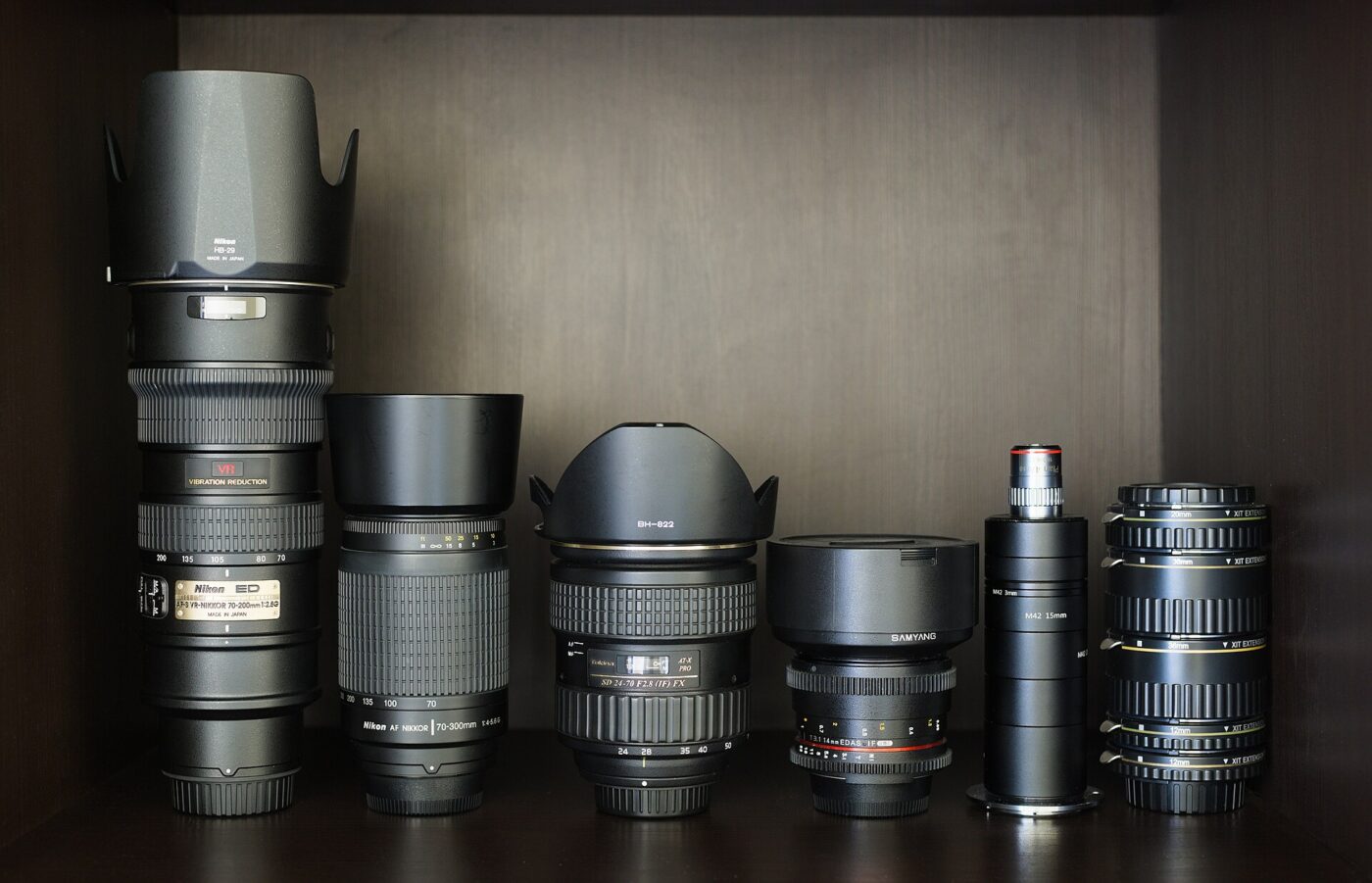
The lens determines the field of view, the depth of field, the rendering of out-of-focus areas and how much light reaches the sensor in the first place. It is the part that makes a photograph look like something.
Fear Index · Think twice
The money goes into the half that ages
Nothing fails. Beginners simply spend on the component that will be superseded and keep the kit lens that is limiting them.
One depreciates, one does not
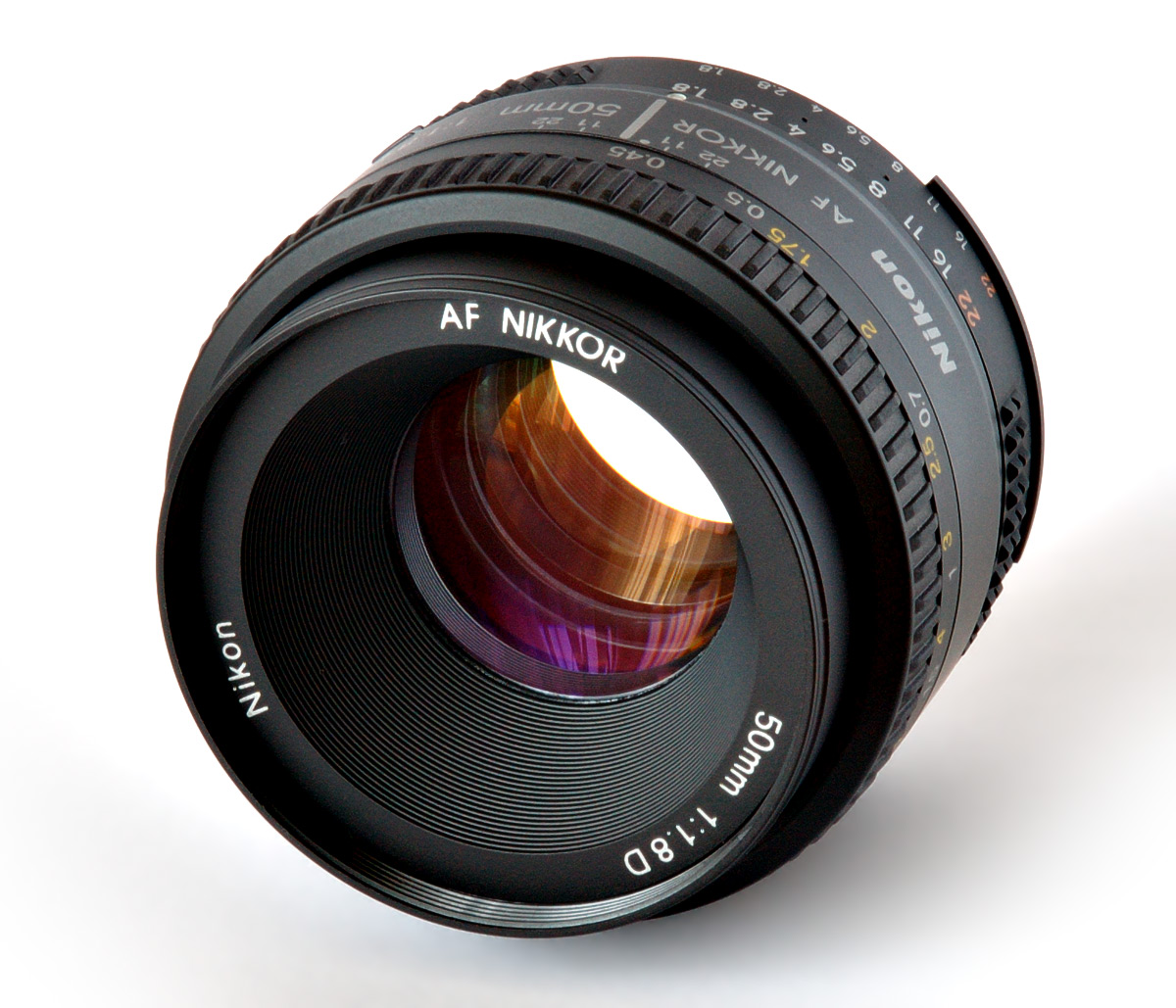
A camera body is a computer with a sensor in it. It is subject to the same depreciation curve as any computer, and second-hand values reflect that.
A lens is glass, metal and a focus motor. A good optical design does not wear out — a well-regarded lens from a decade ago resolves as well as it always did, though a newer high-resolution sensor can expose its limits, and a lens built for an older mount may need an adapter on a current body. Good lenses routinely sell used for a substantial fraction of their original price.
The practical consequence: money in lenses is largely preserved, money in bodies is largely consumed.
The kit zoom supplied with most cameras is the single biggest limitation on a beginner’s images. Replacing it does more than any body upgrade at the same price.
The mount is the real commitment

Lenses attach through a mount, and mounts are proprietary. Buying into one is a decision about the next decade, because the lens collection is what becomes expensive to leave.
Three things to weigh before the first serious lens purchase:
- Third-party support. Some mounts are open to independent manufacturers, which means far more affordable options. Others are restricted, and every lens is bought from one company at one price.
- Used market depth. An older, widely adopted mount has a deep second-hand pool. A new mount does not, however good the optics.
- Adapters exist and mostly work, with caveats around autofocus speed. They are a bridge rather than a plan.
The first lens to buy
For most people it is a fast prime — a lens with a fixed focal length and a wide maximum aperture, usually around 35 mm or 50 mm equivalent.
It gathers far more light than a kit zoom, which means usable images indoors without flash. It separates a subject from its background in a way a kit zoom cannot. And because it does not zoom, it forces you to move, which is the fastest way anyone learns composition.
They are also, by a wide margin, the cheapest genuinely good lenses made. The standard nifty-fifty has been the best-value optic in photography for fifty years.
Buying used without regret
Because optics do not wear out the way electronics do, a used lens is one of the more forgiving second-hand purchases in any hobby. The failure modes are visible if you know where to look, and none of them require trusting a stranger’s word.
Hold the lens up to a bright light and look through both ends. Fungus shows as fine, web-like traces etched into the coating; haze looks like a faint milky film across an element. Both scatter light and soften images, and neither can be cleaned out once it has taken hold.
Turn the focus and aperture rings. They should move with even, consistent resistance — grittiness or a loose, sloppy feel suggests grease that has migrated or a mechanism that has been dropped. Fire the shutter with the lens mounted to confirm autofocus is fast and quiet, and check that image stabilization, if the lens has it, does not clunk or buzz.
A private sale with no return is riskier than buying from a dealer who grades their stock and accepts returns. The small premium buys a real inspection you did not have to perform yourself.
The shortlist
Paid links: we earn a commission if you buy through the buttons below, at no extra cost to you. As an Amazon Associate I earn from qualifying purchases.
Compared on what changes your photographs
| Product type | Best for | Risk estimate | Where to buy |
|---|---|---|---|
| Fast 50 mm Prime Lens | First real upgrade | 18/100 | See listings on AmazonOpens Amazon search results, not one listing: check the model on the product page. |
| 35 mm Prime Lens | Interiors and everyday scenes | 24/100 | See listings on AmazonOpens Amazon search results, not one listing: check the model on the product page. |
| Telephoto Zoom, 70–300 mm | Reach and wildlife | 34/100 | See listings on AmazonOpens Amazon search results, not one listing: check the model on the product page. |
Risk estimate is our editorial Fear Index for the product type (lower is safer), not a customer rating. How it is scored.
Fast 50 mm Prime Lens
The single purchase that most visibly changes a beginner’s photographs, at a fraction of the cost of a new body. Buy the version made for your camera’s specific mount.
- Gathers several times more light than a kit zoom
- Genuine background separation
- Cheapest good lens in any system
- You have to move to frame
- Tight indoors on a crop sensor
35 mm Prime Lens
If most of your photography happens indoors or in cities, this is the more usable of the two classic primes.
- Wide enough for interiors and groups
- Still fast enough for low light
- Natural perspective for everyday photography
- Costs more than a 50mm
- Slight distortion at close range
More: Hobbies & Making analyses and how the Fear Index is scored.
Questions people actually ask
Should I upgrade my camera body or lens first?
The lens, almost always. It determines field of view, depth of field and how much light reaches the sensor, and it holds its value while bodies depreciate quickly.
What is the best first lens for a beginner?
A fast prime around 35 mm or 50 mm equivalent. It gathers far more light than a kit zoom, separates subject from background, and teaches composition because you have to move.
Are used camera lenses safe to buy?
Among the safest second-hand purchases there is. Optics do not degrade with use; check for fungus, haze, scratches and smooth focus and aperture operation.
Does the camera mount matter?
A great deal. Mounts are proprietary and a lens collection is expensive to leave. Weigh third-party lens support and used-market depth before committing.