Lab-Grown and Mined Diamonds Look Identical Until You Try to Sell One
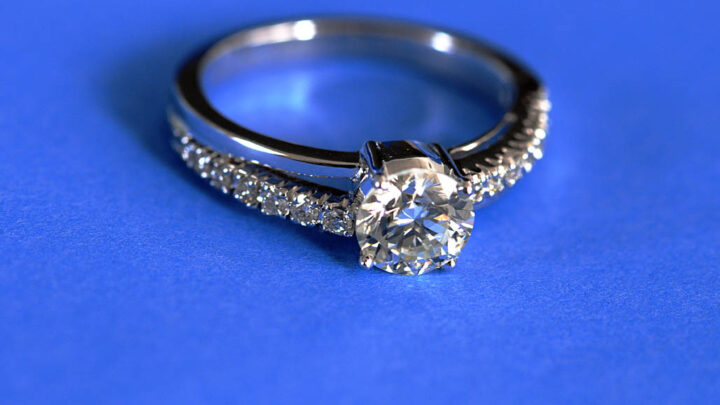
A lab-grown diamond is carbon in the same crystal structure as a mined one. The difference that matters to your wallet shows up later, when you try to sell or trade it in.
Topics
Formats
The site
Watches and jewelry carry some of the most misunderstood markings in retail. A watch rated to 50 meters is not meant for diving to 50 meters. Sterling silver tarnishes by nature. A lab-grown diamond is a real diamond with a very different resale market.
These analyses decode the markings first, then look at the materials and mechanisms behind them: gaskets that age, plating that wears, movements that drift when magnetized, and rings sized at the wrong time of day.
Where federal disclosure rules apply, we cite them, because they define what a seller is allowed to call a stone or a metal.
5 articles
A lab-grown diamond is carbon in the same crystal structure as a mined one. The difference that matters to your wallet shows up later, when you try to sell or trade it in.
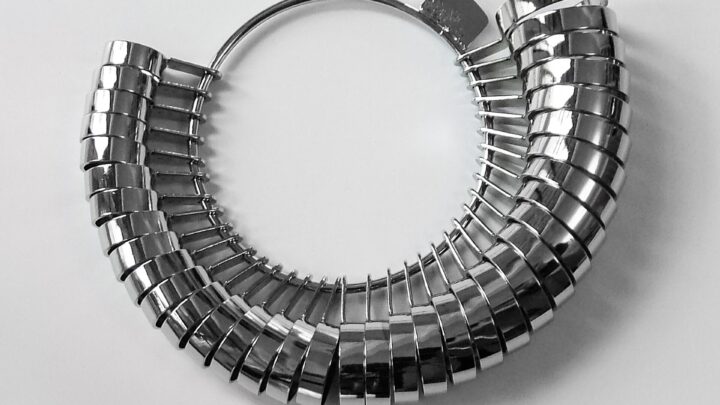
A ring size is a measurement of something that changes. Temperature, time of day, the knuckle and the width of the band all move the answer, and not every ring can be fixed later.
Sterling silver darkens because it reacts with sulfur in the air. Storage slows it far more cheaply than cleaning, and every polish or dip removes a little metal.
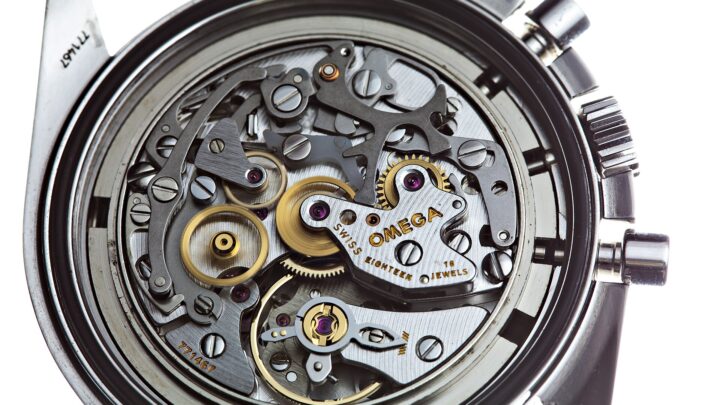
A mechanical watch is expected to run a few seconds off each day. When one suddenly gains minutes, the usual suspect is magnetism, not a broken movement.
Meters on a watch dial describe test pressure, not how deep you can take it. Age, heat, soap and a pulled-out crown can defeat the rating long before any depth does.