
Every Time You Polish Sterling Silver, You Remove a Little Silver
Tarnish is silver sulfide, and removing it always takes some silver too. What 925 means, how rhodium plating helps, and how to store silver so it stays shiny.

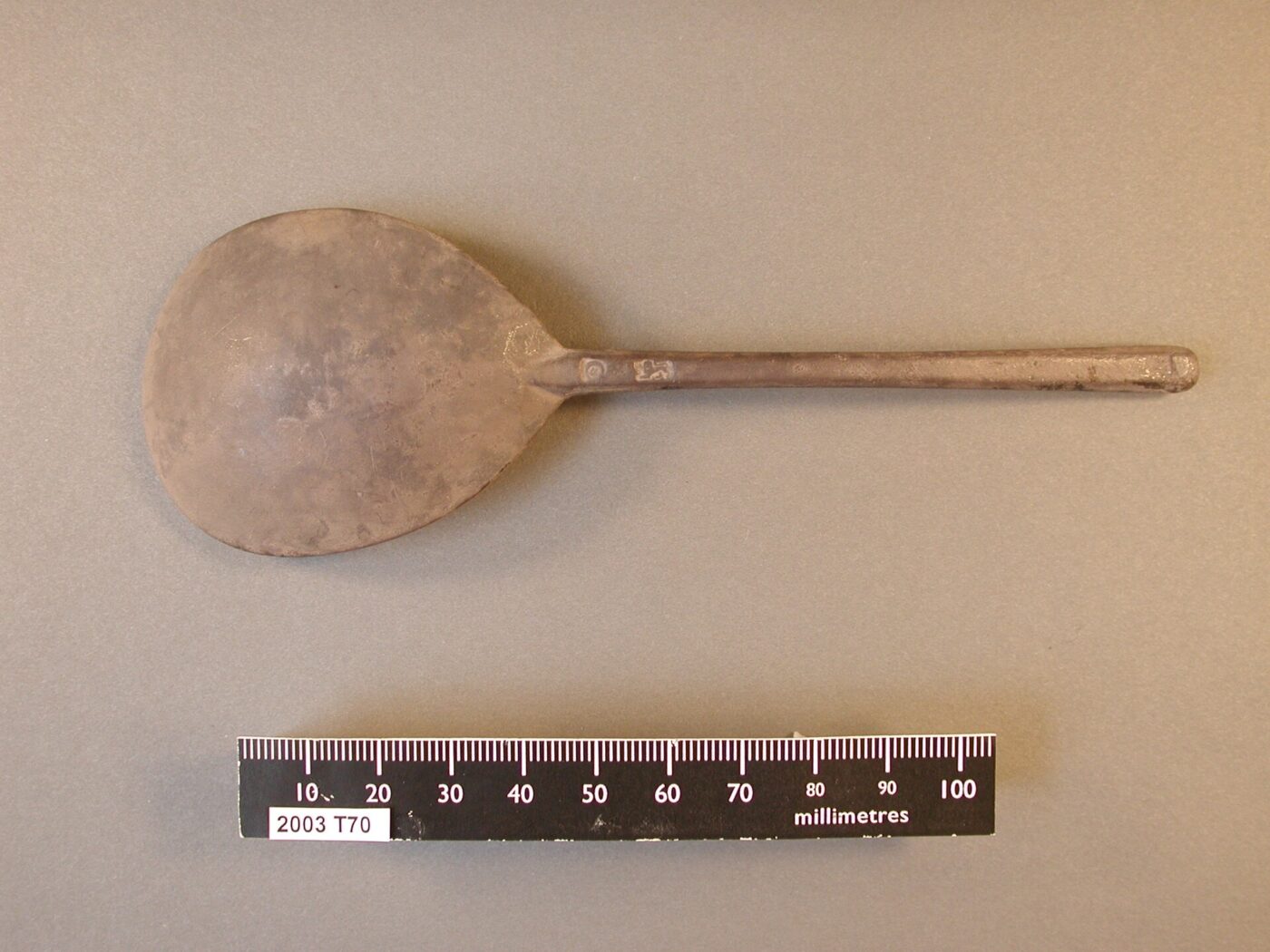
A sterling silver chain that went into a drawer bright can come out yellow, brown or black a few months later. Nothing is wrong with the silver. It has reacted with the air around it.
The instinct is to scrub it clean. That works, but it is the more expensive fix, because each cleaning takes a thin layer of metal with the tarnish. Understanding what forms tarnish makes prevention easy.
Fear Index · Think twice
Scrubbing away detail to fix a storage problem
Crisp detail, plating and oxidized accents wear away a little at a time from harsh or frequent cleaning, damage that better storage would have prevented in the first place.
What tarnish is and why 925 silver gets it
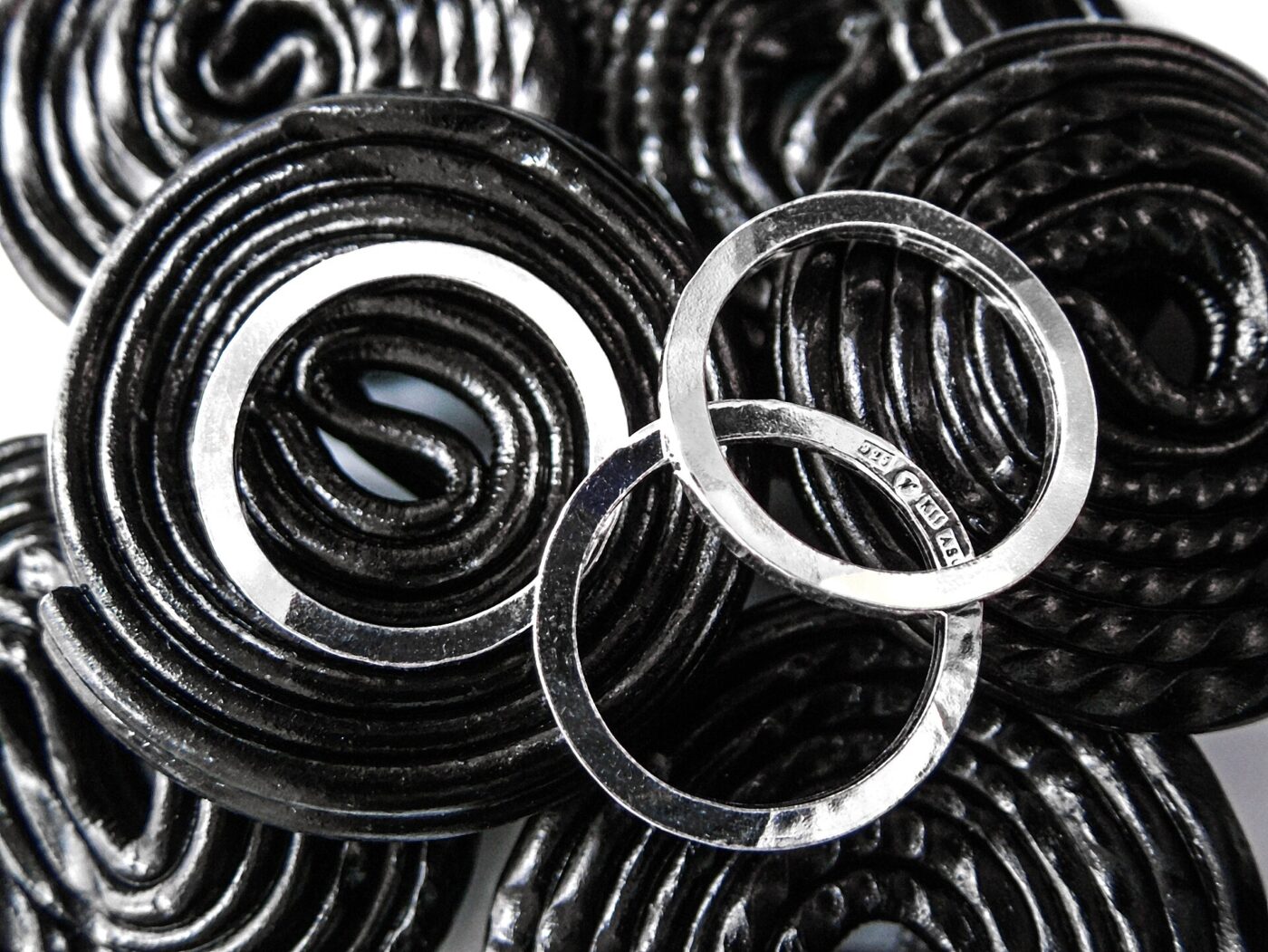
Pure silver is too soft for most jewelry, so it is alloyed. The Federal Trade Commission explains that the words silver, sterling and sterling silver describe products containing 92.5% pure silver, sometimes marked 925. It also says silver items must show the name or US registered trademark of the company that stands behind the mark, and that coin silver is 90% silver. Silver plate is a thin layer of silver over a base metal.
Tarnish is a chemical reaction rather than dirt. The Canadian Conservation Institute describes it as a layer consisting mainly of black silver sulfide, caused by sulfur-containing compounds such as hydrogen sulfide in the air. It starts as a faint discoloration and darkens as the layer thickens.
Skin also plays a part. The Institute recommends handling silver with clean cotton gloves because the salts and oils on skin can mark silver and leave fingerprints. Wear cuts both ways: gentle rubbing against clothing can remove the earliest film, while sweat, lotions and perfume left on the metal can speed discoloration.
Tarnish is a surface reaction, not a sign of fake silver. Check the 925 mark and a maker’s mark instead.
Storage beats cleaning
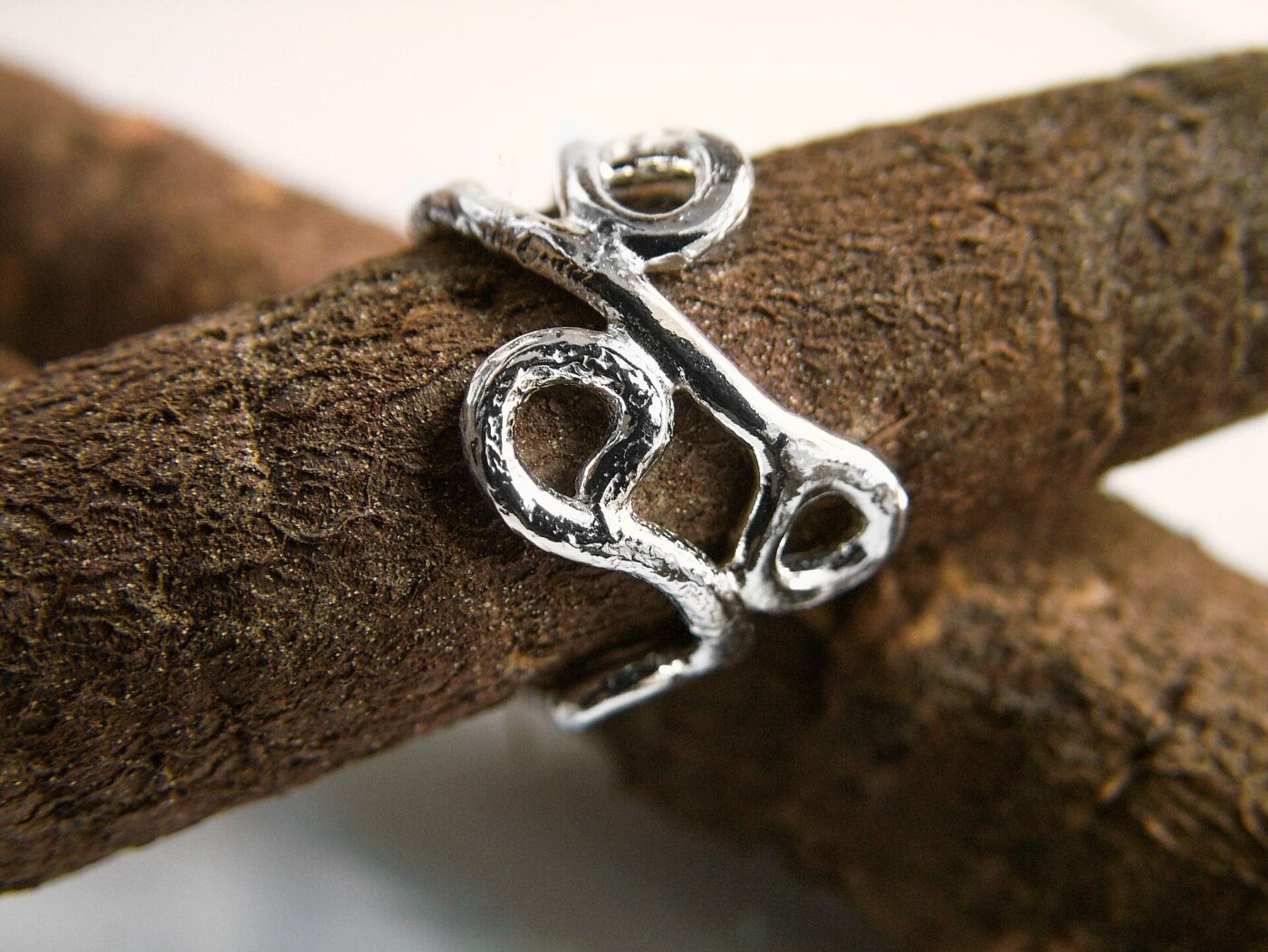
Because tarnish needs sulfur compounds from the air, limiting air contact is the most effective prevention. The Canadian Conservation Institute recommends sealing silver objects in polyethylene bags, wrapping pieces in acid-free tissue, and adding tarnish-inhibiting cloth or small containers of silica gel and activated charcoal inside the bag.
For jewelry, the same principles translate into small zip bags, lined jewelry boxes with anti-tarnish fabric, and replaceable anti-tarnish strips. Keep silver away from rubber bands and rubber-backed display pads, which can be a source of sulfur.
- Store each piece separately in a small sealed bag to limit air and scratching.
- Add an anti-tarnish strip or cloth and replace it on the maker’s schedule.
- Put jewelry on last, after lotion, perfume and hairspray have dried.
- Remove silver before swimming, cleaning with household chemicals or bathing in hot springs.
- Wipe pieces with a soft cloth before storing to remove skin oils.
Cleaning methods compared
All tarnish removal costs some metal. The Canadian Conservation Institute warns that each polishing or chemical tarnish removal takes away a certain amount of underlying silver along with the tarnish. Over many cycles fine detail wears down, and so do the deliberately darkened recesses that give many designs their contrast.
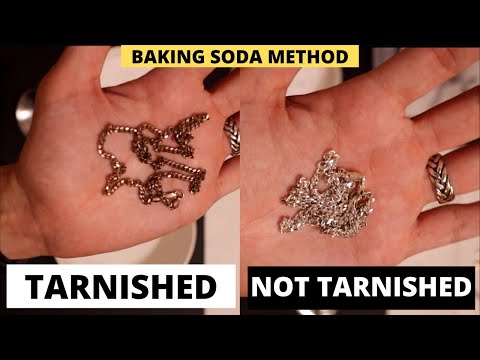
Chemical dips work quickly but can leave a yellow discoloration and should never be used on objects with sealed hollow parts, according to the Institute. The popular aluminum foil and baking soda method is electrochemical; the Institute notes that silver cleaned this way may tarnish more quickly than silver that has been polished.
| Method | Good for | Watch out for |
|---|---|---|
| Treated polishing cloth | Light tarnish, regular touch-ups | Removes oxidized accents if overused |
| Silver polish cream | Heavier tarnish on plain surfaces | Abrasive residue in crevices |
| Chemical dip | Chains and fine links, briefly | Yellowing; never hollow or glued pieces |
| Foil and baking soda | Cheap bulk cleaning | May retarnish faster; strips patina |
| Professional cleaning | Stone-set or valuable pieces | Cost and turnaround time |
Rhodium plating and what it hides
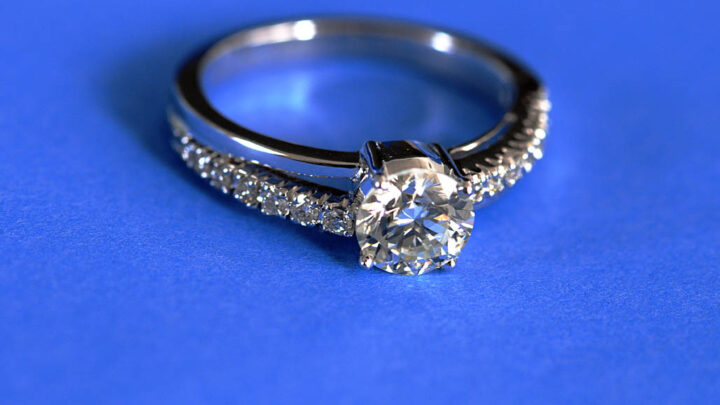
Much sterling jewelry is sold rhodium plated. Rhodium is a hard, bright platinum-group metal that does not tarnish in normal wear, so a plated piece stays white and shiny with little care. It is common on rings and chains sold as tarnish-free.
The plating is thin, and it wears through at high-contact points such as the underside of rings and clasp ends. Once the silver shows, those spots tarnish and look darker than the plated surface around them. Abrasive polishing speeds that wear, so plated pieces should only be wiped with a soft, untreated cloth.
Replating is possible at many jewelers. Before buying, check whether a listing says rhodium plated or solid sterling, because the care routine and the long-term look differ. A plated piece may need replating after years of daily wear, while plain sterling can be brought back with a cloth many times, at the cost of a little metal each time.
Clean plated silver gently and plain silver sparingly. In both cases, storage does more than polish.
The shortlist
Paid links: we earn a commission if you buy through the buttons below, at no extra cost to you. As an Amazon Associate I earn from qualifying purchases.
Compared on preventing tarnish
| Product type | Best for | Risk estimate | Where to buy |
|---|---|---|---|
| Anti-Tarnish Lined Jewelry Box | Everyday storage | 18/100 | See listings on Amazon |
| Anti-Tarnish Strips | Drawer or travel pouch | 14/100 | See listings on Amazon |
| Treated Silver Polishing Cloth | Light touch-ups | 24/100 | See listings on Amazon |
Risk estimate is our editorial Fear Index for the product type (lower is safer), not a customer rating. How it is scored. The buttons open Amazon search results rather than one listing, so check the model on the product page.
Anti-Tarnish Strips
Paired with small sealed bags, strips prevent most tarnish without touching the metal.
- Absorb sulfur compounds in storage
- Fit in bags and boxes
- Very inexpensive
- Must be replaced
- Work best in closed spaces
Treated Silver Polishing Cloth
Use it lightly and only when needed; frequent polishing wears away detail.
- Removes light tarnish quickly
- No liquids or dips
- Good for regular touch-ups
- Removes some silver each time
- Can erase darkened accents
More: Watches and Jewelry analyses and how the Fear Index is scored.
Questions people actually ask
What does 925 mean on silver jewelry?
It means the item is 925 parts per thousand pure silver, the standard for sterling. The FTC also says silver items must carry a maker’s name or registered trademark.
Why does sterling silver tarnish?
Silver reacts with sulfur compounds such as hydrogen sulfide in the air, forming a dark layer of silver sulfide on the surface.
Does rhodium plated silver tarnish?
The rhodium surface does not tarnish in normal wear, but plating wears through at contact points and the exposed silver underneath can tarnish.
Is the foil and baking soda method safe for silver?
It removes tarnish, but silver cleaned that way may tarnish again more quickly, and it can strip intentional dark accents. Avoid it on stone-set or glued pieces.