
Your Automatic Watch May Be Magnetized, Not Broken
Mechanical watches drift by seconds a day by design. A sudden jump often means magnetism from a phone, speaker or clasp. How to measure and when to service.

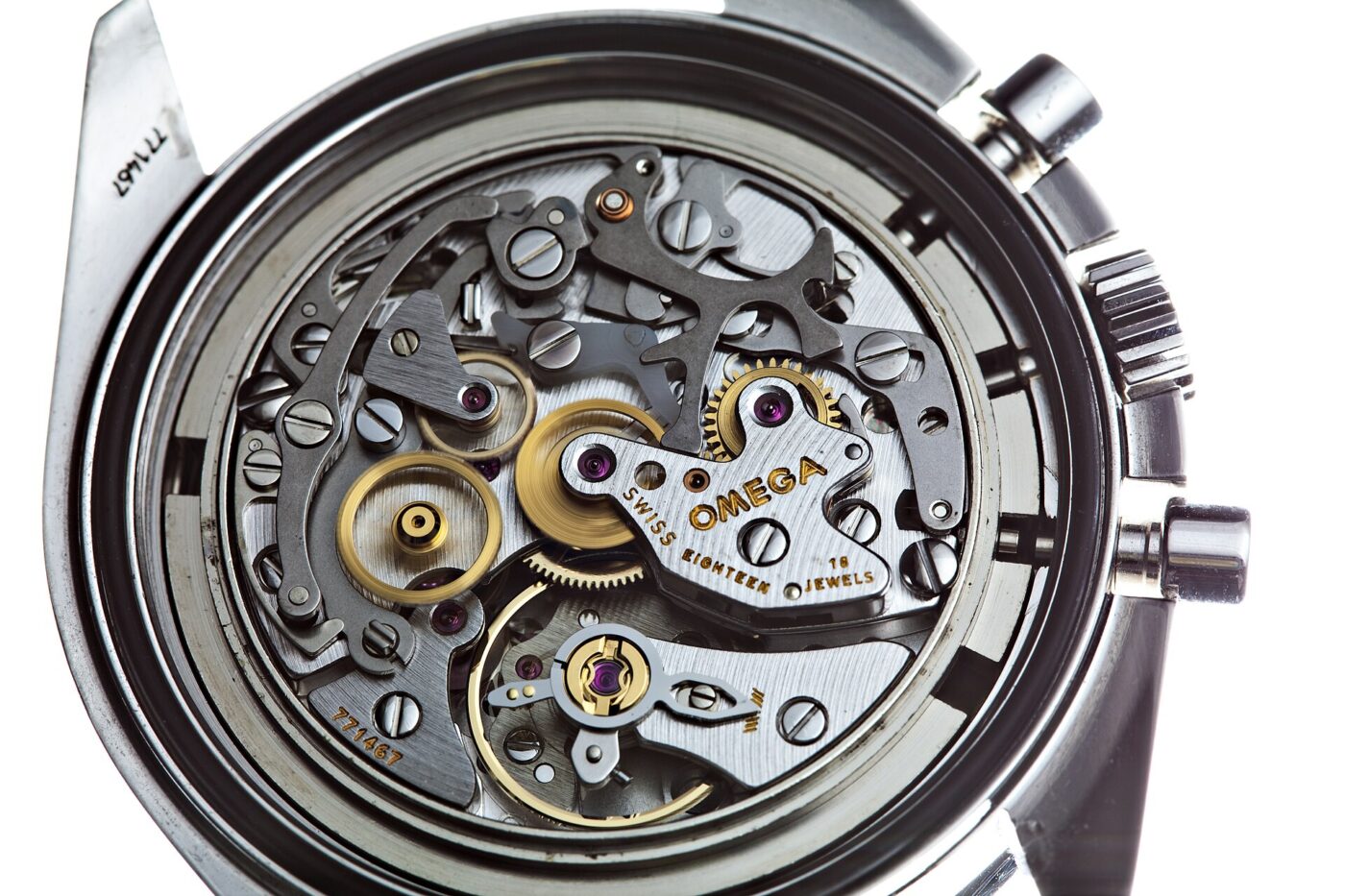
Owners of quartz watches rarely think about accuracy. Owners of their first automatic often check it daily, and are alarmed to find it several seconds off within a week.
Some of that is simply how a mechanical movement works. But when a watch that kept good time suddenly runs minutes fast, the cause is often invisible: a magnetic field from something on the desk, in a bag or next to the bed.
Fear Index · Think twice
Mistaking normal drift or magnetism for failure
The wasted money goes two ways: paying for a full service on a watch that only needed demagnetizing, or ignoring a watch that genuinely needs oiling until wear sets in.
Seconds per day is normal
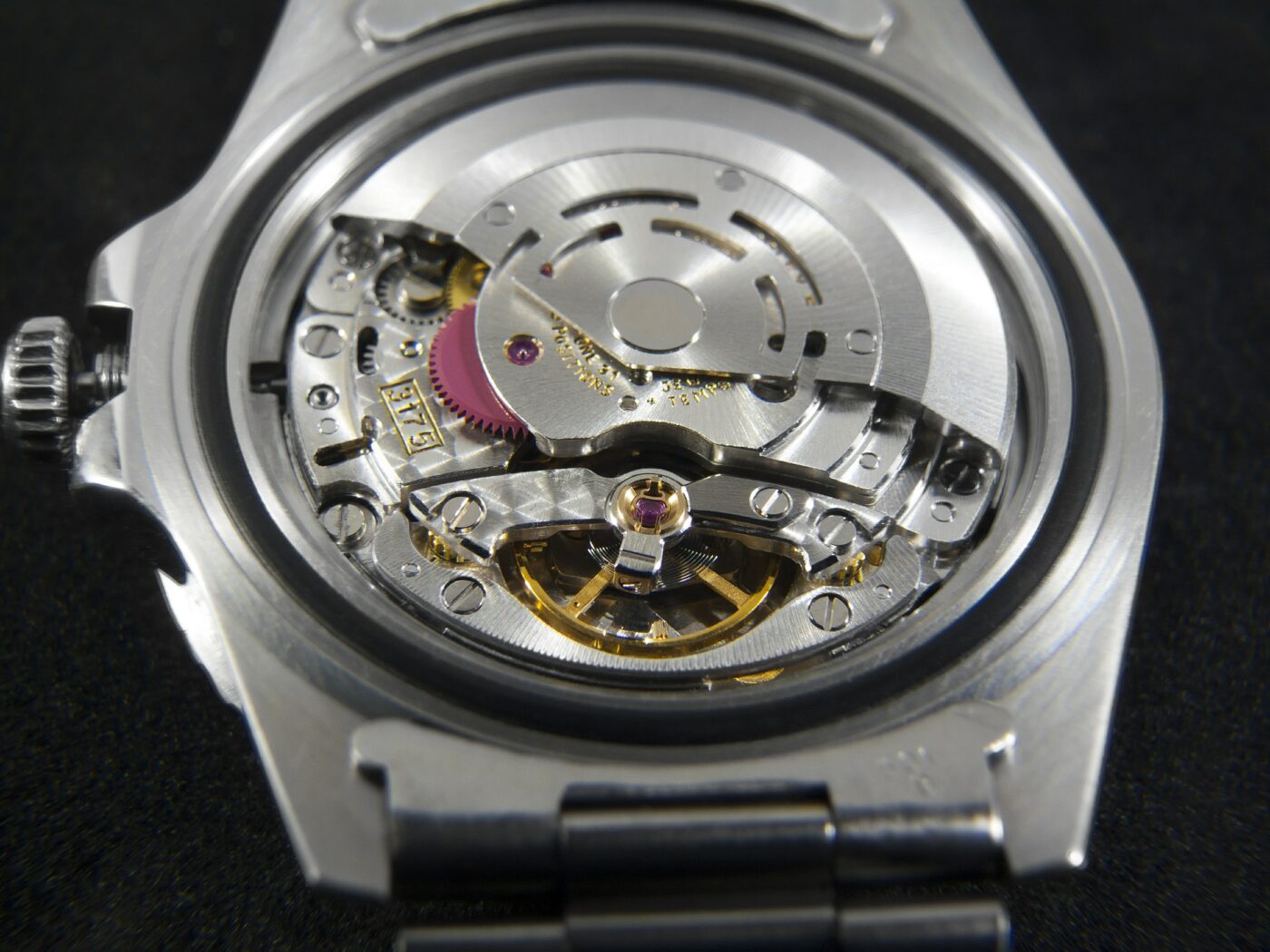
A mechanical watch is regulated by a balance wheel and hairspring swinging back and forth several times a second. Anything that changes that swing changes the rate. Citizen explains that accuracy depends on how tightly the mainspring is wound, the position of the watch and the ambient temperature.
Seiko says the gain or loss of a mechanical watch is not judged by a single day but by an average of daily rates over a week or ten days of actual wear, expressed as a mean daily rate that differs by movement. It adds that rates change slightly day by day with winding, arm movement, temperature and the watch’s position, dial up, dial down or resting on its side.
For reference, the Swiss chronometer testing body COSC requires a certified chronometer to average between -4 and +6 seconds per day during testing. Many ordinary automatic movements are specified to a wider tolerance, so check the published figure for your caliber before deciding a watch is out of spec.
Measure over a week, not a day, and compare the average with the movement’s published tolerance.
Measuring your own rate
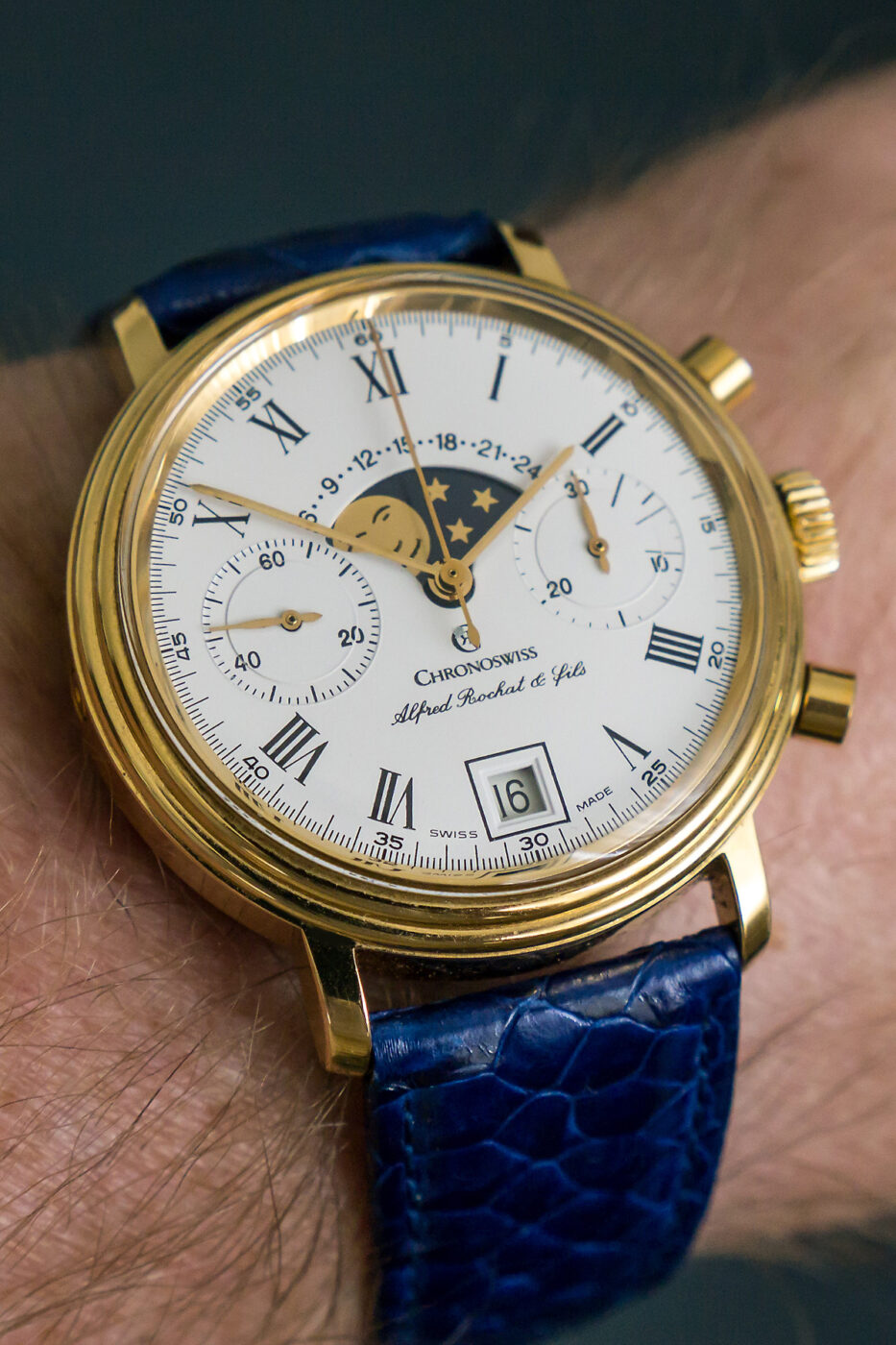
Set the watch against an accurate reference, such as your phone’s network time, at the same time each day. Note the difference daily for seven days, then divide the total gain or loss by the number of days.
Keep your routine normal. A watch worn all day behaves differently from one left on a dresser, and an automatic that is barely worn may not be fully wound, which Citizen notes affects accuracy. Winding it fully before the test removes one variable.
| What you see | Likely cause | What to do |
|---|---|---|
| A few seconds per day, fairly steady | Normal behavior | Nothing, or regulate at next service |
| Rate changes with how you wear or store it | Position and wind effects | Try different overnight positions |
| Suddenly gains minutes per day | Probably magnetized | Have it demagnetized and rechecked |
| Stops overnight or runs short | Not fully wound or worn parts | Wind fully; service if it continues |
| Gradually worsens over years | Lubricants aging | Full service |
Magnetism is the common surprise

The hairspring is made of fine metal coils. If they become magnetized, the coils can cling to each other, effectively shortening the spring, and the rate changes dramatically, most often running fast. Seiko warns that a mechanical watch affected by magnetism remains magnetized even after it is removed from the source, and may gain or lose time.
Everyday sources are the problem, not laboratories. Seiko lists cell phones, television and computer speakers, magnetic necklaces, handbag clasps, hair dryers, electric razors and the magnetic parts of refrigerators. Citizen likewise warns that the effects of magnetism may linger and affect accuracy after the watch is moved away.
- Keep the watch off laptops, tablets and speakers when you take it off at a desk.
- Avoid magnetic tablet covers and bag clasps when storing it in a bag.
- Do not leave it on a phone or next to a wireless charging pad overnight.
- Watch out for magnetic closures on watch boxes, wallets and jewelry trays.
- Be cautious with inexpensive demagnetizers; Seiko directs owners to an authorized service center.
When a service is actually needed
Demagnetizing is a quick fix that removes the magnetism without disassembling the movement. If the rate returns to normal afterward, no further work is needed. Seiko notes that owners should contact an authorized service center to have a magnetized watch demagnetized.
A full service is different: the movement is disassembled, cleaned, lubricated and regulated. Citizen recommends servicing a mechanical watch worn every day once every 2 to 3 years. Signs that one is due include a rate that stays poor after demagnetizing, a shrinking power reserve, rough winding or any moisture under the crystal.
Some modern movements use antimagnetic materials for the hairspring and nearby parts, and are marketed with high magnetic resistance. They reduce the problem rather than removing the need for sensible storage and periodic service.
Try demagnetizing before paying for a full service when the rate changes suddenly. Service on schedule when it changes slowly.
The shortlist
Paid links: we earn a commission if you buy through the buttons below, at no extra cost to you. As an Amazon Associate I earn from qualifying purchases.
Compared on keeping good time
| Product type | Best for | Risk estimate | Where to buy |
|---|---|---|---|
| Timegrapher Watch Accuracy Tester | Measuring accuracy | 30/100 | See listings on Amazon |
| Watch Demagnetizer | Suspected magnetism | 42/100 | See listings on Amazon |
| Antimagnetic Automatic Watch | Resistant by design | 26/100 | See listings on Amazon |
Risk estimate is our editorial Fear Index for the product type (lower is safer), not a customer rating. How it is scored. The buttons open Amazon search results rather than one listing, so check the model on the product page.
Timegrapher Watch Accuracy Tester
Useful if you own several mechanical watches. For one watch, a week of manual checks does the job.
- Gives a reading within minutes, not days
- Tests multiple positions
- Spots magnetism-like jumps quickly
- Costs more than a demagnetizer
- Needs some learning to read
Watch Demagnetizer
Can clear magnetism from a watch that suddenly runs fast if used exactly as instructed. For a valuable or in-warranty watch, or if the rate does not recover, use an authorized service center.
- Inexpensive
- Quick to use
- May fix sudden fast running
- Wrong technique can leave magnetism
- Not a substitute for service
More: Watches and Jewelry analyses and how the Fear Index is scored.
Questions people actually ask
How accurate should an automatic watch be?
It depends on the movement. Chronometer-certified watches must average between -4 and +6 seconds per day in COSC testing; many everyday automatics have wider tolerances.
Can a phone magnetize a watch?
Yes. Seiko lists cell phones among the magnetic sources that can affect mechanical watches, and a magnetized watch stays magnetized after being moved away.
How do I know if my watch is magnetized?
A sudden, large change in rate, often running fast by minutes a day, is the usual sign. Demagnetizing and rechecking the rate confirms it.
How often does a mechanical watch need servicing?
Citizen recommends every 2 to 3 years for a mechanical watch worn daily. Check your own manufacturer’s guidance.