
Wireless Earbuds Are a Two-Year Purchase. Price Them That Way.
Every pair of wireless earbuds has a battery you cannot replace. Work out cost per year before you compare sound, and the rankings change.

On this page 7 sections
Part of the guide: Tech and Audio Buying Mistakes: What Fails and How to Check Before You Buy
There is a question that almost no earbud review asks, and it decides more about whether a purchase was good than any measurement of frequency response: how long will these keep working?
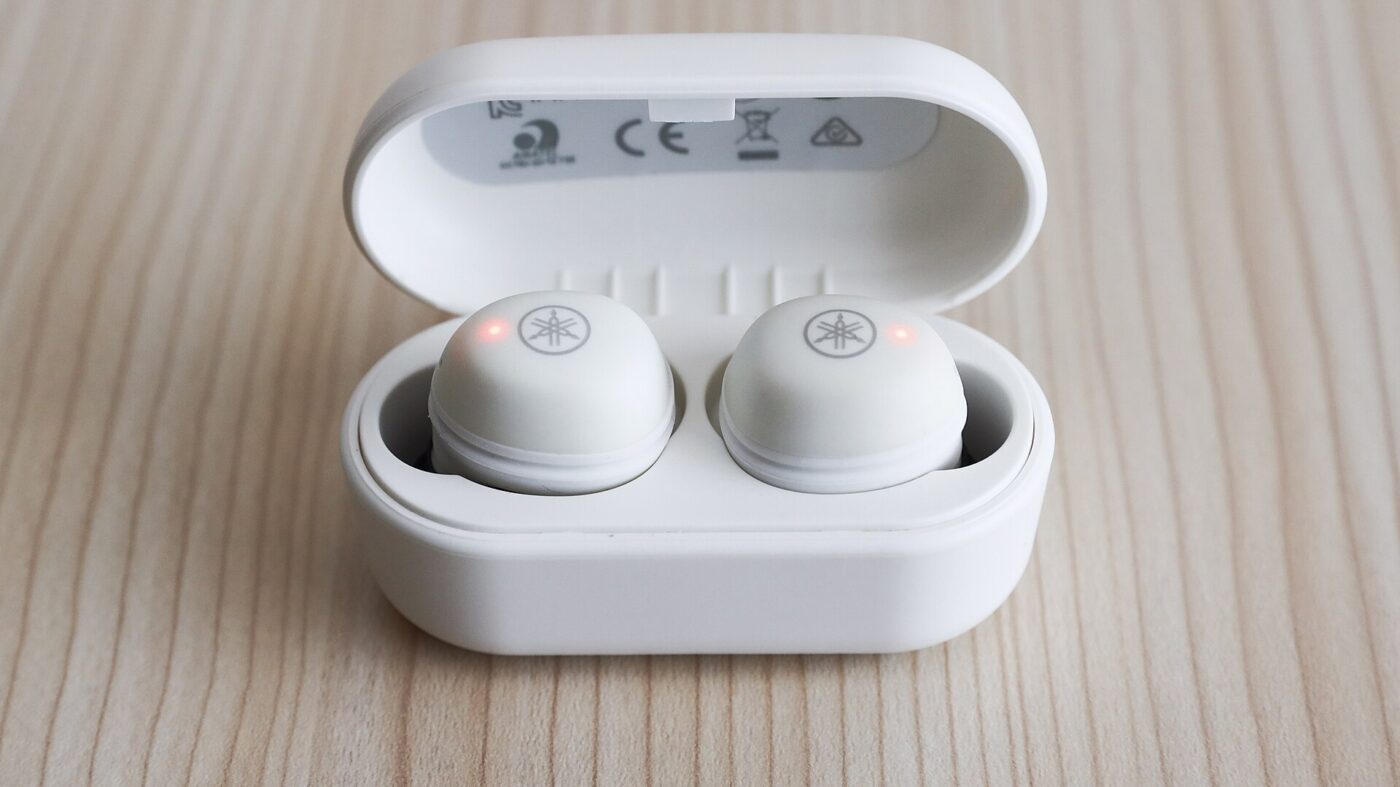
The answer is governed by a component that no listing mentions and no buyer can service. Every pair of true wireless earbuds contains a tiny lithium-ion cell in each bud and a larger one in the case. Those cells are glued into sealed plastic shells designed for waterproofing and acoustic sealing, not for opening. When they degrade — and they will — the product is finished.
Fear Index · Think twice
A consumable sold as a durable
Sound quality is largely solved at every price point above budget. Battery aging is not, and it is the failure mode that ends almost every pair.
Why earbud batteries age so much faster than phone batteries
Lithium-ion cells wear out in two ways: with charge cycles, and with time spent full and warm. A full cycle is one complete discharge and recharge, whether that happens at once or in pieces.
A phone holds enough charge for roughly a day, so it takes on the order of one cycle per day. Earbuds hold five to eight hours of playback in a cell a fraction of the size, and go back in the case to recharge every time you take them out. Someone using earbuds for a commute and a gym session adds only a fraction of a cycle each day, but the cells are tiny, spend most of their time topped up to 100% in the case, and run warm in the ear — the conditions that age lithium fastest.
The consequence is unavoidable arithmetic. Two to three years of daily use is enough time at high charge and warmth, on top of real cycling, for cell capacity to fall off noticeably — which is why the common complaint at that age is not that the earbuds stopped working but that a pair rated for six hours now manages ninety minutes.
Apple states that AirPods batteries are not user-serviceable and offers a paid battery service rather than a replacement part. Few other brands offer even that.
The number to compare: cost per year
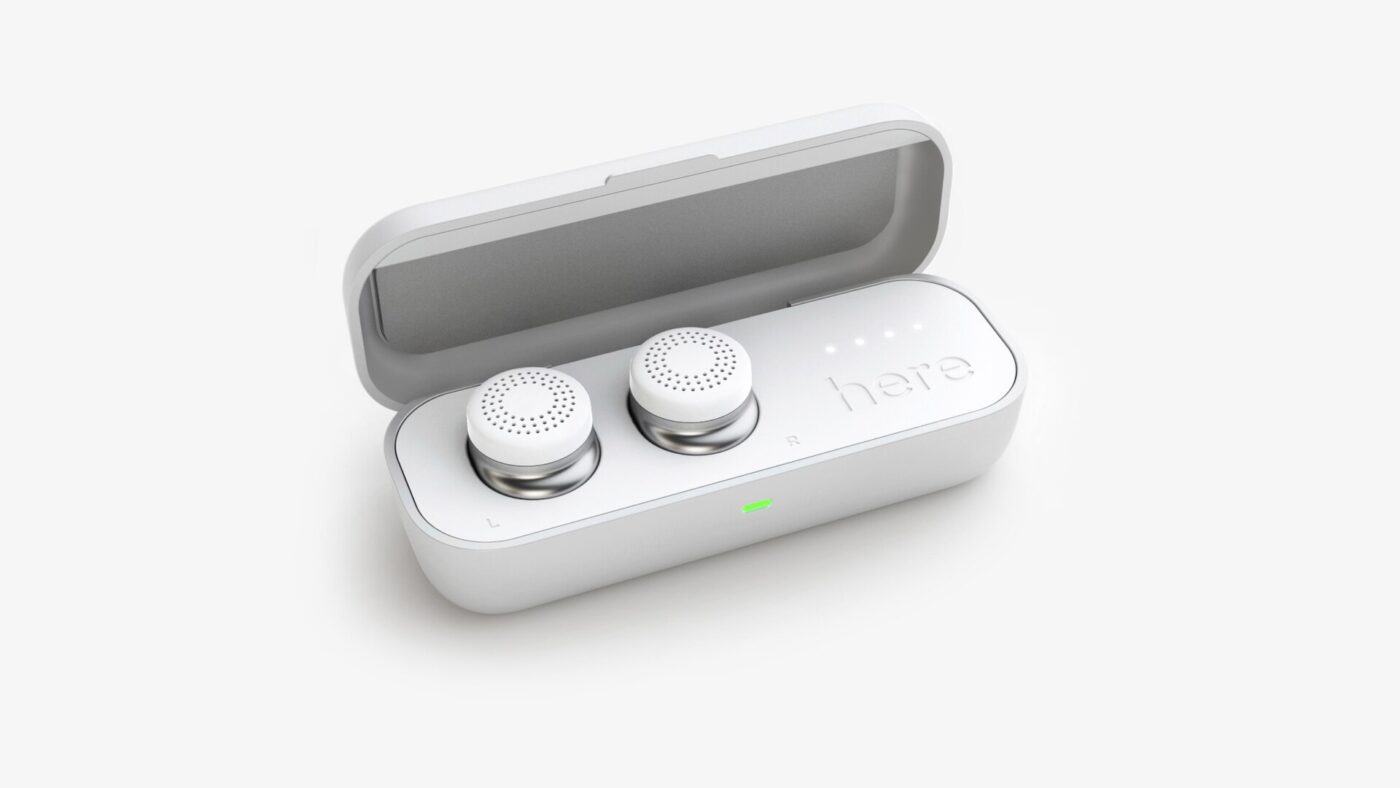
Because the endpoint is roughly the same regardless of price, the honest comparison is annual cost. Assume two and a half years of daily use as a working figure.
| Purchase price | Cost per year at 2.5 years | Cost per year at 4 years |
|---|---|---|
| $80 | $32 | $20 |
| $150 | $60 | $38 |
| $250 | $100 | $63 |
| $300 | $120 | $75 |
A $250 pair is not three times as good as an $80 pair. It is three times the annual cost, for a difference that most listeners stop noticing within two weeks of daily use.
This is not an argument that expensive earbuds are bad. Active noise cancellation at the top of the market is genuinely better, and if you fly often or work in an open office that difference is worth real money. It is an argument that the premium buys a service, consumed over a fixed and fairly short period, rather than an asset.
Two things that matter more than sound
Fit, which no review can do for you
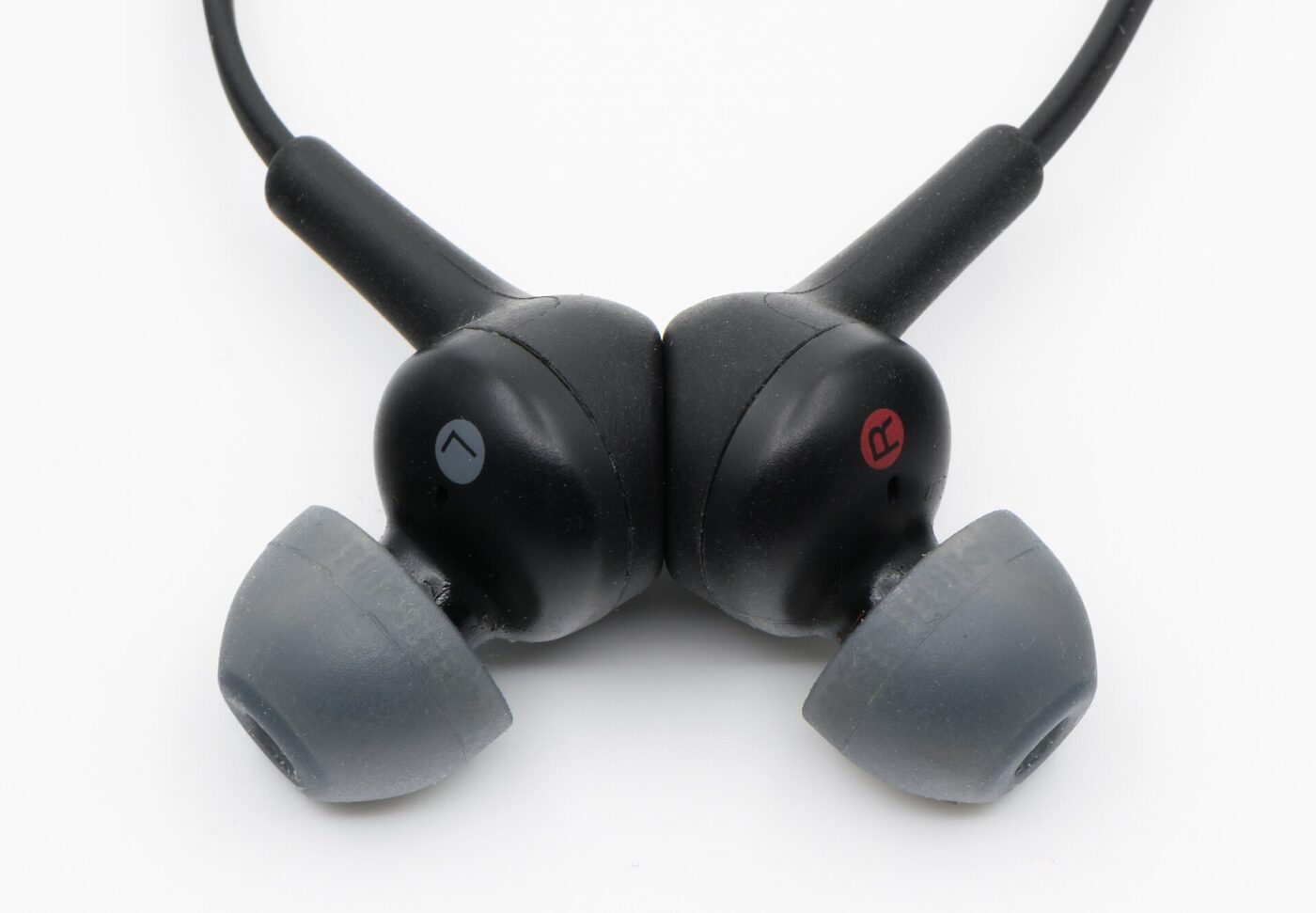
Ear canals differ enormously, and a pair that seals perfectly for a reviewer may not seal for you. This matters more than it sounds, because on in-ear designs the seal is the bass response and the noise cancellation. A pair that does not seal will measure fine and sound thin and hissy on your head.
Practical response: buy from a retailer with a genuine no-questions return window, try all supplied tips including the ones you assume are the wrong size, and treat a poor seal as a reason to return rather than something to get used to.
Firmware support, which decides whether they survive your next phone
Earbuds are paired devices that depend on a Bluetooth stack and, increasingly, a companion app. When a manufacturer stops shipping firmware, the buds keep playing audio but stop getting the fixes that keep them working smoothly with new phone operating systems — and the app that controls noise cancellation and EQ eventually stops being updated too.
Brands with a long track record of supporting older models are a materially safer bet than a cheaper pair from a brand with no history to check.
The shortlist
Paid links: we earn a commission if you buy through the buttons below, at no extra cost to you. As an Amazon Associate I earn from qualifying purchases.
Ranked on cost per year, not on sound alone
| Product type | Best for | Risk estimate | Where to buy |
|---|---|---|---|
| Anker Soundcore Liberty 4 NC | Lower cost per year of use | 31/100 | See listings on AmazonOpens Amazon search results, not one listing: check the model on the product page. |
| Apple AirPods Pro 3 | iPhone owners | 46/100 | See listings on AmazonOpens Amazon search results, not one listing: check the model on the product page. |
| Sony WF-1000XM6 | Noise cancelling first | 52/100 | See listings on AmazonOpens Amazon search results, not one listing: check the model on the product page. |
Risk estimate is our editorial Fear Index for the product type (lower is safer), not a customer rating. How it is scored.
Anker Soundcore Liberty 4 NC
The pair that makes the arithmetic work. If earbuds are a consumable, buying the cheapest pair that is actually good is the rational move, and this is that pair.
- Lowest cost per year in the category
- ANC is genuinely competent for the money
- Multipoint pairing, which premium pairs sometimes omit
- App polish trails the majors
- Case is bulkier than it needs to be
Apple AirPods Pro 3
Worth the premium only inside the Apple ecosystem, where the handoff behavior is a real daily convenience rather than a spec-sheet item.
- Ecosystem switching genuinely works
- Long firmware support history
- Paid battery service exists, unusually for the category
- Middling on Android
- Premium is largely for integration, not audio
Sony WF-1000XM6
Justifiable if you fly regularly or work somewhere loud. For a quiet commute you are paying roughly triple the annual cost for a difference you will stop noticing.
- Class-leading ANC on aircraft and trains
- Excellent app with real EQ control
- Strong codec support
- Highest cost per year here
- Small fit, which suits some ears badly
How to make any pair last longer

- Do not leave them at 100% in the case all day. Lithium cells age fastest at full charge and high temperature. A case in a hot car is the worst case for both.
- Turn on optimized or limited charging if the app offers it. Several brands can hold the buds or case below 100% until you need them, which cuts the time the cells spend full.
- Clean the mesh. Earwax on the driver mesh is the most common cause of a bud that suddenly sounds quiet or muffled, and it is reversible.
- Keep the original tips. Third-party foam tips change the seal, and a bad seal is often mistaken for a failing driver.
More in this category: Tech and Audio analyses. On how we score categories, see our method.
Questions people actually ask
Can you replace the battery in wireless earbuds?
Not as a user. The cells are glued into sealed shells for waterproofing, and opening one usually destroys it. A few manufacturers offer a paid battery service, which is worth checking before you buy.
How long do wireless earbuds actually last?
With daily use, expect two to three years before playback time falls far enough to be annoying. The cells are tiny, sit at full charge in the case most of the day and run warm in the ear, which ages them faster than a phone battery.
Are expensive earbuds worth it?
Only for noise cancellation you will genuinely use, or ecosystem integration you will genuinely feel. Because the lifespan is roughly the same at every price, a $250–$300 flagship costs roughly three times as much per year as an $80 pair.
Does leaving earbuds in the case damage the battery?
Sitting at full charge in a warm place is the condition that ages lithium cells fastest. It will not break them, but a case left in a hot car all summer will measurably shorten their life.