

Tech and Audio Buying Mistakes: What Fails and How to Check Before You Buy
Electronics usually disappoint quietly. Earbud batteries fade inside a sealed shell, an extender restores signal bars while halving throughput, and a counterfeit memory card works perfectly until the files it was holding are gone.
These analyses draw on manufacturer documentation, standards bodies such as the SD Association and HDMI Licensing Administrator, regulators including the FCC, FAA and CPSC, and lithium-ion battery references, and they cite their sources. We do not test products hands-on. The sections sort them by what goes wrong.
Batteries and heat: the part that ages first
Lithium cells age with charge cycles, time at full charge and heat. In sealed devices the battery sets the lifespan, and the listing rarely says how fast.
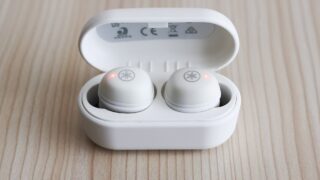
- Wireless Earbuds Are a Two-Year Purchase. Price Them That Way.Earbud cells are sealed and effectively unreplaceable, so price by years of use; a $250 pair costs about three times an $80 pair per year.
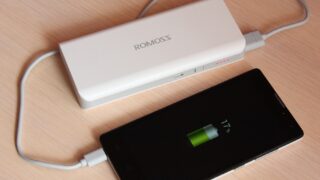
- Your 20,000 mAh Power Bank Does Not Hold 20,000 mAh of Your PhoneRated mAh is measured at the cell's 3.7 V; expect roughly 60–70% of the printed figure to reach a phone, and compare watt-hours instead.
- A Lithium-Battery Dashcam Wears Out Fastest Behind a Hot WindshieldLithium cells degrade and swell behind a hot windshield; supercapacitor dashcams tolerate heat, and high-endurance cards survive constant rewriting.
- A Vent Phone Mount Overheats Your Phone in Winter; a Dash Mount Bakes It in SummerNavigation, charging and hot vent air push phones to dim the screen and pause charging; dash mounts avoid vent air but may sit in sun.


Labels, cables and certifications that hide what is inside
Identical-looking plugs, cards and radios can differ in power, capacity or legality. The fix is reading the rating, or testing the claim yourself.
- USB-C Cables Are Not Interchangeable, and the Plug Will Not Tell YouUSB-C cables look identical, but above 60 W they need an e-marker chip, and many charging cables carry data at USB 2.0's 480 Mbps.
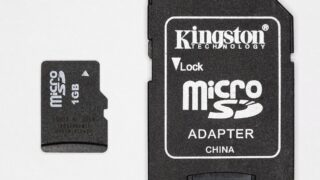
- The Too-Cheap 1TB microSD Card Is Usually a Much Smaller Card LyingCounterfeit cards report a false capacity and silently lose files past the real size; write and verify the whole card inside the return window.
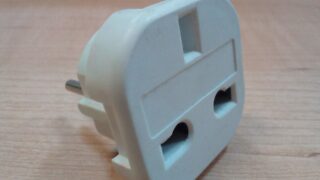
- An Adapter Changes the Plug Shape. It Does Not Change the Voltage.An adapter reshapes the plug and passes voltage straight through; chargers marked 100–240V need only that, single-voltage heating appliances do not.
- Volume-Limited Headphones Often Are Not, and the Limit Is the Wrong Number Anyway85 dB is a workplace figure tied to eight hours, every 3 dB halves safe listening time, and tested headphones have exceeded their own limits.
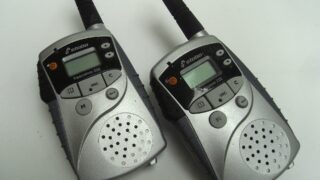
- A $35 Radio License Covers a Family on GMRS; Ham Radio Asks for an Exam InsteadGMRS needs a $35 no-exam family license, ham radio needs an exam, and FCC has banned combination GMRS/FRS radios since 2019.


Specs that sell versus what you notice after a week
Refresh rate, resolution, signal bars and switch force are easy to print and compare. These guides point to the variable that decides everyday satisfaction.
- Refresh Rate Is Not Your Monitor Problem. The Panel Is.Panel type decides color, contrast and viewing angle more than refresh rate; at 27 inches 1080p looks coarse, and 1440p suits most desks.
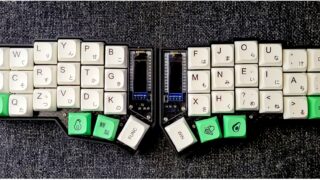
- You Cannot Choose a Keyboard Switch From a Spec SheetActuation force barely predicts which switch you will like; a $10–$25 tester and a hot-swap board keep the decision reversible.
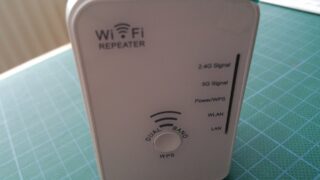
- A Wi-Fi Extender Usually Halves Your Speed. A Mesh Node Might Not.A basic extender repeats on the same radio and roughly halves throughput; dedicated wireless or Ethernet backhaul is what avoids that.
- A Soundbar Solves a Furniture Problem, Not an Audio OneA bar cannot create stereo width from drivers 12 inches apart; with space beside the TV, bookshelf speakers beat a bar at the same price.
- Your Webcam Is Not the Problem on Video Calls. Your Lighting Is.Tiny webcam sensors depend on light, so a light in front of you beats a 4K upgrade, and a modern phone camera beats most webcams.



Running costs, subscriptions and lock-in
The shelf price is often the smallest number. Cartridges, monthly plans and camera mounts keep costing after checkout, and all of them can be calculated before it.
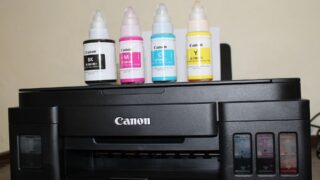
- The Printer Is Not the Purchase. The Cost Per Page Is.Divide cartridge price by page yield: mono laser runs 2–4 cents a page, cartridge inkjets 10–20, and idle inkjets spend ink unclogging.
- The Treat-Tossing Pet Camera Is a Subscription With a Jam ProblemTreat dispensers jam outside a narrow treat size, and barking alerts, recording and history often need a monthly plan; local microSD recording avoids fees.
- Buy the Lens. The Body Is the Part That Depreciates.Camera bodies depreciate while good lenses hold value and move to the next body in the same mount, which makes the mount the long commitment.


Data loss, privacy and connected cameras
Storage and cameras fail quietly: a backup that is not one, or a vendor account nobody can audit. These guides show the setups that remove the risk.
- RAID Is Not a Backup, and Drives Bought Together Often Fail TogetherRAID survives a dead drive, not deletion, corruption or ransomware; drives from one batch often fail close together, so keep a 3-2-1 backup.
- A Wi-Fi Baby Monitor Is a Camera on the Internet in Your Child’s RoomA Wi-Fi monitor's security depends on a vendor you cannot audit; closed-circuit FHSS monitors skip the internet, and cords belong 3 feet from the crib.


Mounts, arms and hardware that damage what they touch
Some failures are mechanical: a clamp that crushes a desktop, or a tonearm that wears the records it plays. The spec that matters is how the hardware meets what it sits on.
- Monitor Arms Fail at the Desk, Not at the ArmGas-spring arms need the monitor inside their weight range, and hollow-core desktops need a backing plate or grommet mount rather than a bare clamp.
- A Suitcase Record Player Tracks Far Heavier Than a Budget Turntable, and the Grooves PayA suitcase player's fixed arm cannot be set to the 1.6–2.0 grams a typical entry-level cartridge specifies; a turntable with a counterweight can.


Every analysis here is built from published standards, manufacturer documents, regulator data and recall notices, and links its sources. None of it is hands-on testing. See our evidence standards.