
Volume-Limited Headphones Often Are Not, and the Limit Is the Wrong Number Anyway
Testing has repeatedly found limited headphones exceeding their claim. And even at 85 dB, duration is the variable that decides damage.

On this page 4 sections
Part of the guide: Tech and Audio Buying Mistakes: What Fails and How to Check Before You Buy
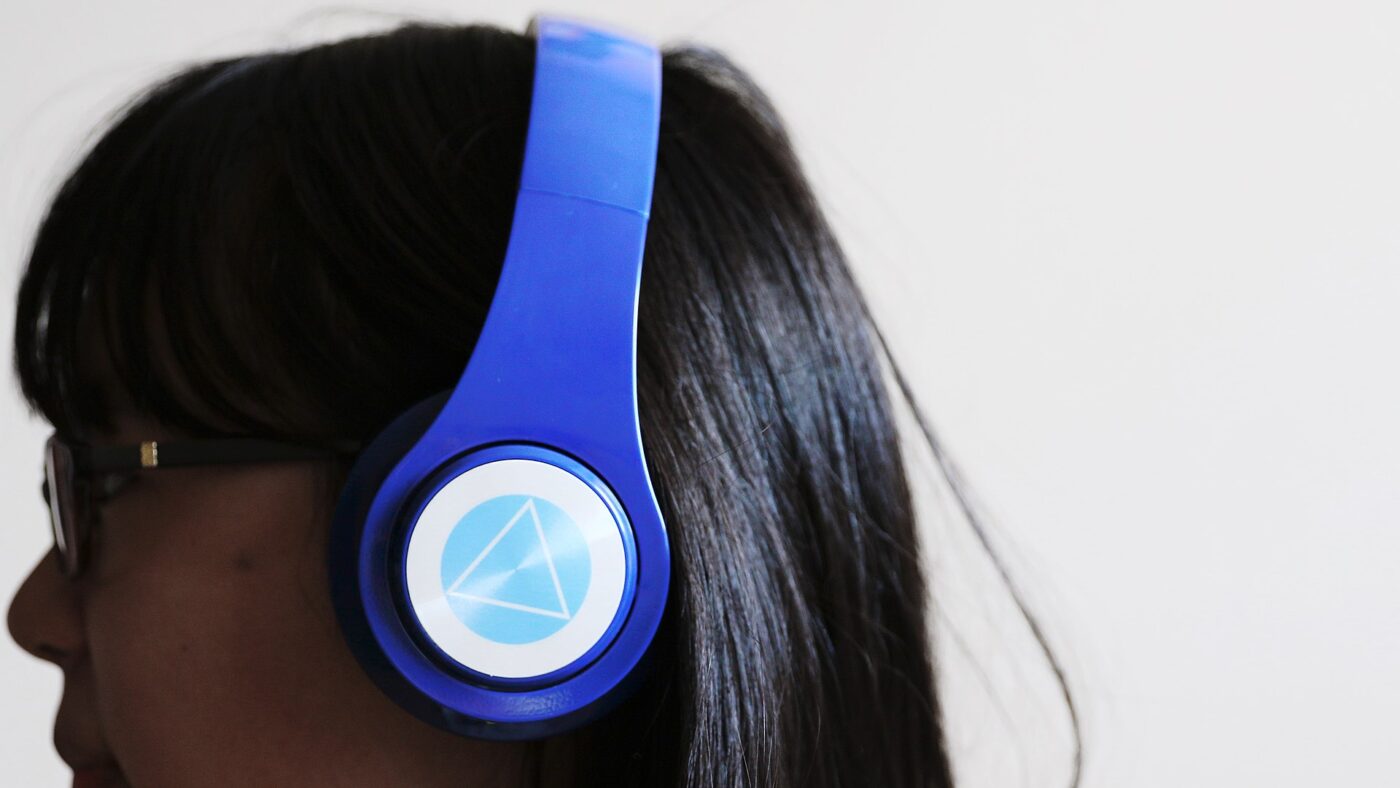
Children’s headphones are marketed on a single number: 85 decibels, presented as a safe ceiling.
That figure comes from occupational noise exposure, where it describes the level permissible across an eight-hour working day. It was never a threshold below which sound is harmless regardless of duration.
Fear Index · High risk
A number that sounds like a guarantee
Noise-induced hearing loss is cumulative and permanent. The marketing implies a ceiling; the science is about total dose.
Dose, not volume
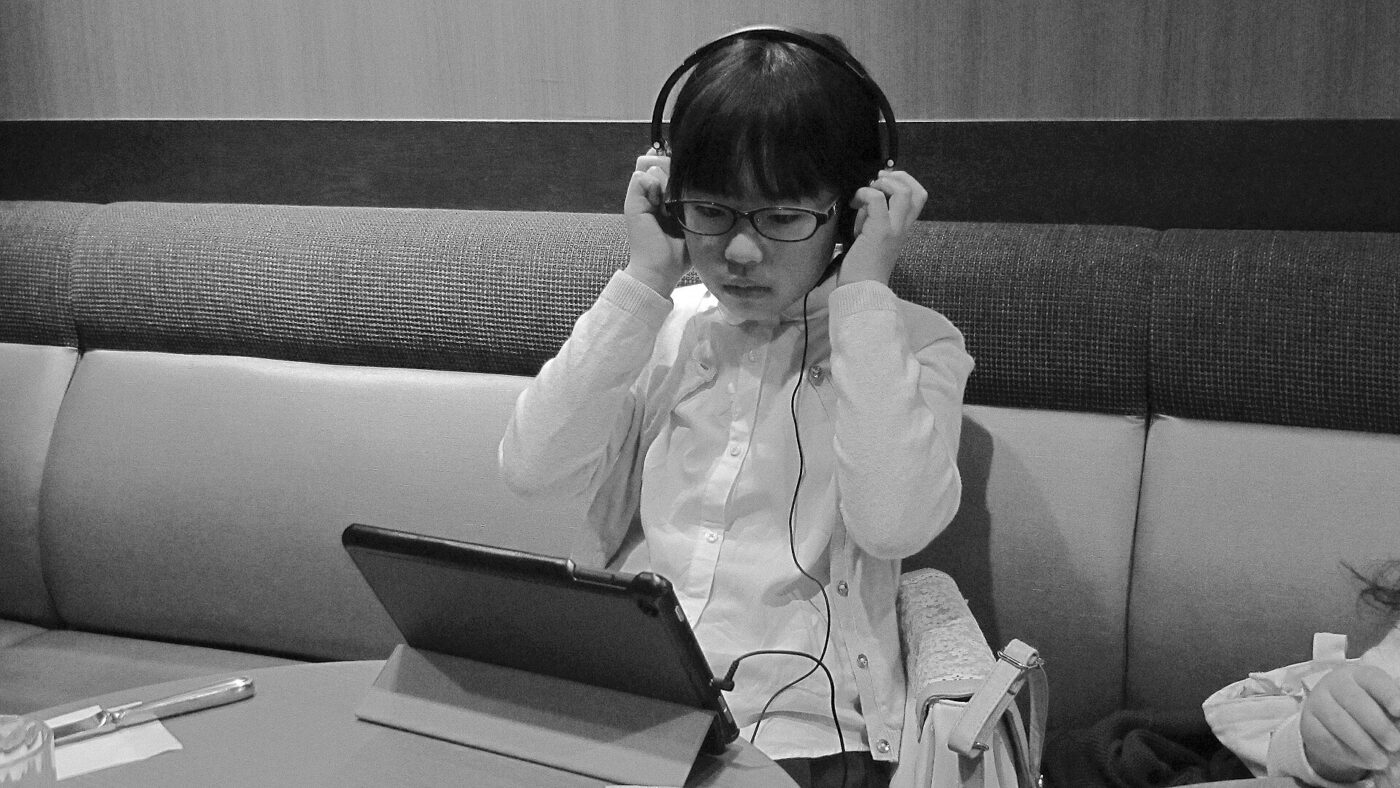
Hearing damage depends on intensity multiplied by time. Exposure limits use an exchange rate: for every 3 dB increase, the permissible duration halves.
| Level | Roughly equivalent to | Permissible time |
|---|---|---|
| 85 dB | Busy traffic | 8 hours |
| 88 dB | Noisy restaurant | 4 hours |
| 94 dB | Hairdryer close up | 1 hour |
| 100 dB | Motorcycle | 15 minutes |
A child listening at exactly 85 dB for six hours on a long journey is not within a safe limit because the headphones are “85 dB”. Duration is half the equation and no product controls it.
Why the limit often is not one

Independent testing bears this out: SoundGuys measured five popular kids’ headphone models and found few held their Bluetooth output under the 85 dB SPL mark for 8 hours of listed safe exposure, with wired output running louder still. The reasons are mundane: limiting is often a passive resistor that behaves differently with different source devices, and a phone with a powerful output can drive past it.
Some models limit reliably in their own app and not when plugged into a different device. Others limit the analog output and not Bluetooth.
The practical response is to stop trusting the label and measure. A sound level meter app on a phone, held at the earcup, gives a rough but useful check — and the simplest test of all is whether you can hear the content clearly from an arm’s length away.
Isolation beats limiting
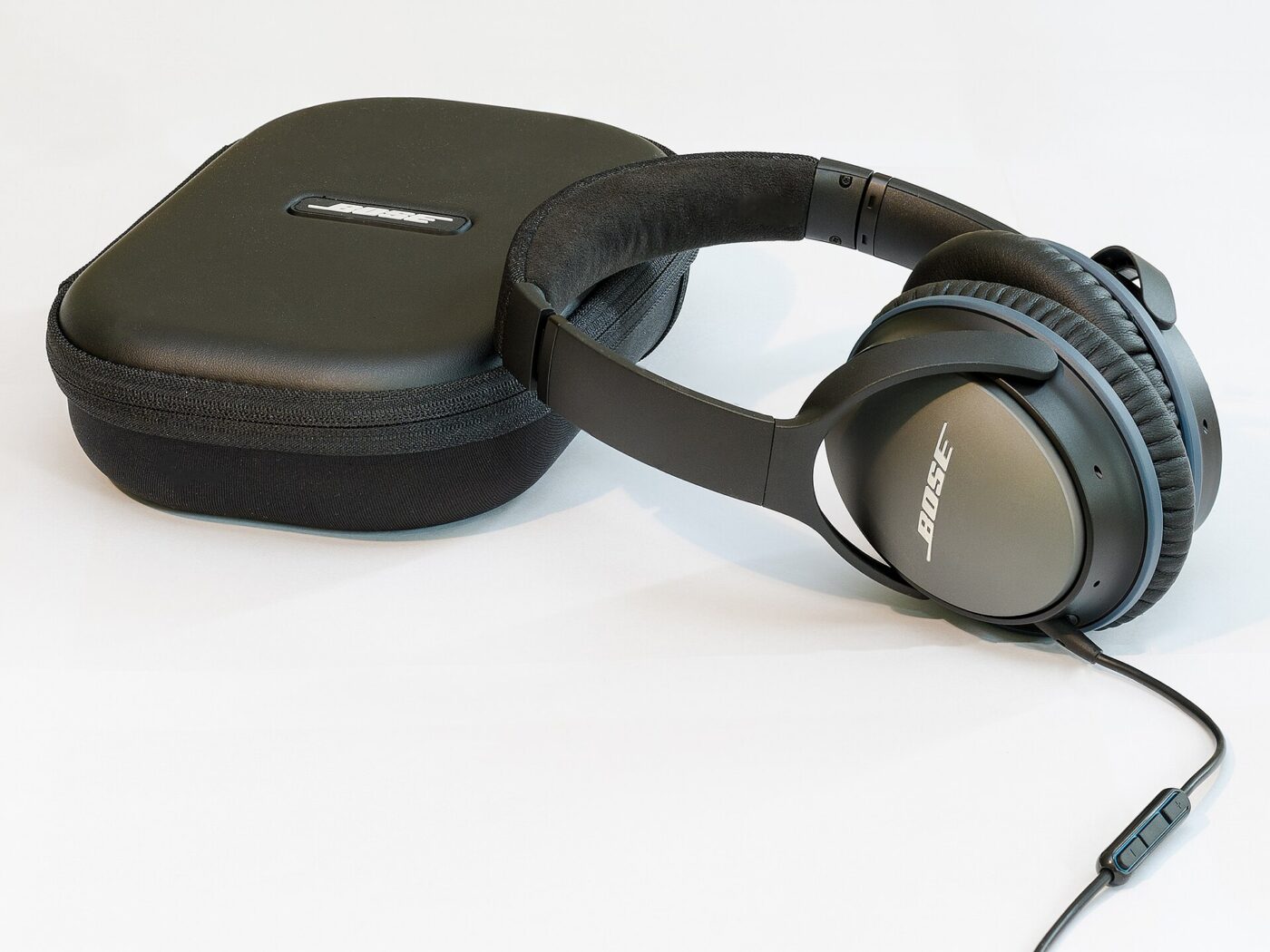
The main reason children turn volume up is background noise — a car, a plane, a classroom. A headphone that blocks that noise passively lets them listen comfortably at a much lower level.
Over-ear designs with a good seal do this well and cost nothing extra in complexity. Active noise cancellation does it better on low-frequency rumble, which is exactly what aircraft and car cabins produce.
This is the intervention that actually reduces exposure, because it removes the reason to turn it up.
The shortlist
Paid links: we earn a commission if you buy through the buttons below, at no extra cost to you. As an Amazon Associate I earn from qualifying purchases.
Compared on how the limit is enforced
| Product type | Best for | Risk estimate | Where to buy |
|---|---|---|---|
| Volume-Limited Kids Headphones | Basic wired listening (verify the limit) | 48/100 | See listings on AmazonOpens Amazon search results, not one listing: check the model on the product page. |
| Children’s Noise-Cancelling Headphones | Blocks noise so volume stays low | 34/100 | See listings on AmazonOpens Amazon search results, not one listing: check the model on the product page. |
| Volume-Limited Headphone Splitter | Shared listening | 30/100 | See listings on AmazonOpens Amazon search results, not one listing: check the model on the product page. |
Risk estimate is our editorial Fear Index for the product type (lower is safer), not a customer rating. How it is scored.
Children’s Noise-Cancelling Headphones
Addressing background noise reduces exposure more reliably than any electronic ceiling, because it changes behavior rather than capping it.
- Removes the reason to turn it up
- Good seal helps on planes and in cars
- Usually limits as well
- More expensive
- Battery to charge
Volume-Limited Headphone Splitter
A belt-and-suspenders measure for wired listening, and useful on long journeys where two children share a tablet.
- Adds limiting regardless of the headphones
- Lets two children share one device
- Works with any wired pair
- Wired only
- Another thing to lose
More: Baby & Kids analyses and how the Fear Index is scored.
Questions people actually ask
Are volume-limiting headphones for kids safe?
They help, but independent testing has repeatedly found models exceeding their stated limit, and a limit alone ignores duration. Verify the level and cap listening time too.
Is 85 dB a safe volume for children?
It is an occupational figure that assumes an eight-hour daily limit, not a level that is safe indefinitely. Every 3 dB above it halves the permissible time.
How can I check how loud headphones are?
A sound level meter app held at the earcup gives a rough reading. A simpler check: if you can clearly hear the content from an arm’s length away, it is too loud.
Do noise-cancelling headphones help protect hearing?
Indirectly and effectively. By removing background noise they remove the reason to raise the volume, which lowers total exposure more reliably than a limiter.