Home and Kitchen
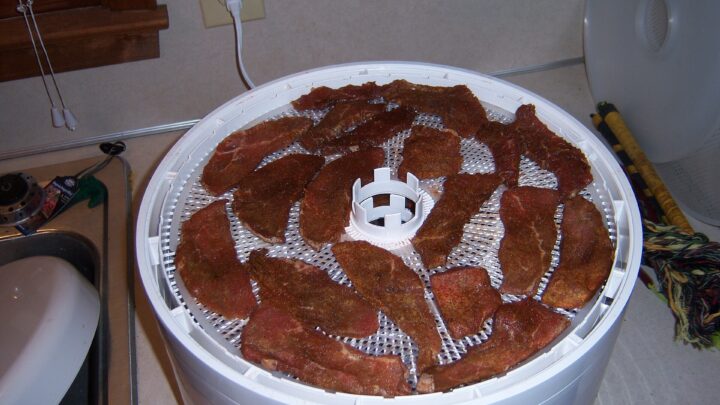
A Food Dehydrator Dries Jerky at 145°F. USDA Wants the Meat Heated to 160°F First.
A dehydrator’s drying temperature is not a kill step. Why USDA wants meat heated to 160°F, and how to verify it actually happened.


Topics
Formats
The site
Kitchen and home goods have the highest return rate of any consumer category, and the reason is almost never quality. It is mismatch: a machine that does the job it was sold for, in a kitchen that cannot accommodate it, for a household that does not cook the way the marketing assumed.
So the analyses here start with the counter. How much space does this genuinely need, including clearance for a lid or a hinge? How loud is it at 7am in an open-plan flat? How many parts go in the dishwasher, and how many have to be hand-washed at 11pm? Those answers predict whether you keep something far better than a wattage figure does.
Then we look at what fails. Non-stick coatings, rubber gaskets, plastic gear trains and touch membranes are where the cost was cut, and they are what determines whether a purchase lasts two years or ten.
11 articles
A dehydrator’s drying temperature is not a kill step. Why USDA wants meat heated to 160°F, and how to verify it actually happened.
Food containers rarely crack. They leak, because lids warp in the dishwasher and silicone gaskets stretch, stain and hold mold behind them.
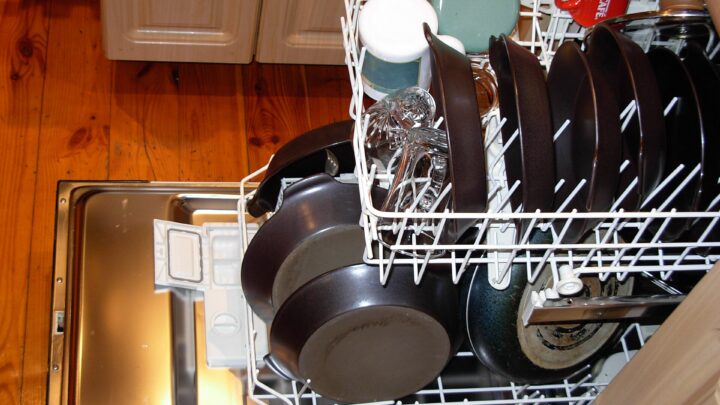
Cloudy glassware has two completely different causes with opposite fixes. Telling them apart takes a minute and decides whether the problem is solvable.
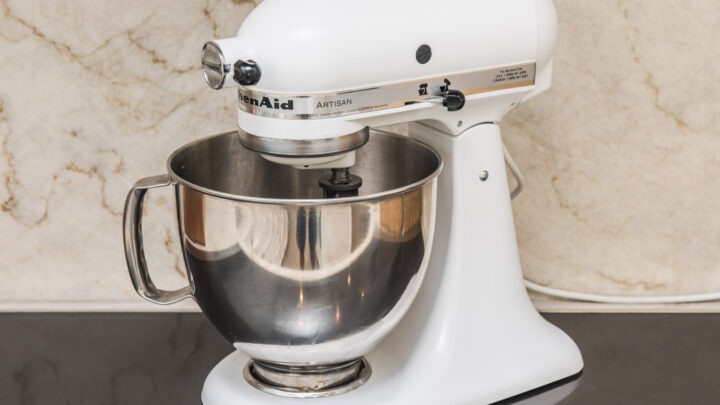
A mixer that handles cake batter effortlessly can strip its gears on a stiff bread dough, because the two loads are not remotely comparable.
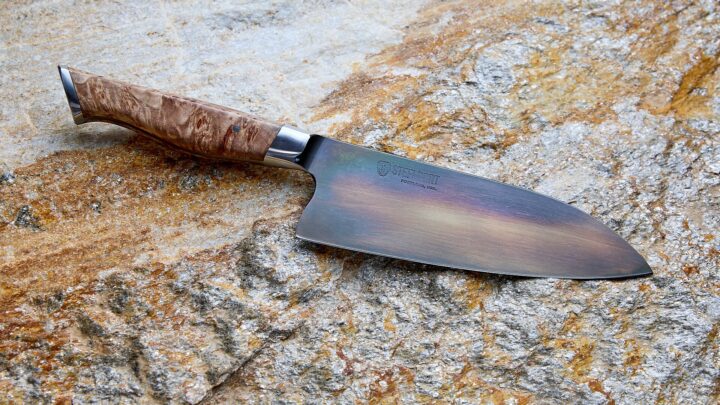
Knife steel is a single trade-off expressed in one number. Harder holds its edge longer and chips more readily — and the right answer depends on a question about you, not the knife.
Wattage is what blenders are sold on, and it says little about what fails. The part that ends many of them is a small coupling that costs far less than the blender — if the manufacturer will sell it to you.
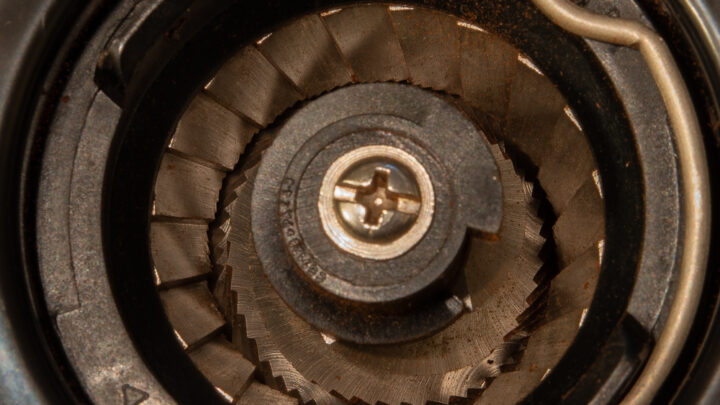
Spend on the brewer and you refine the details. Spend on the grinder and you change what is possible — because inconsistent grounds cannot be brewed evenly by anything.
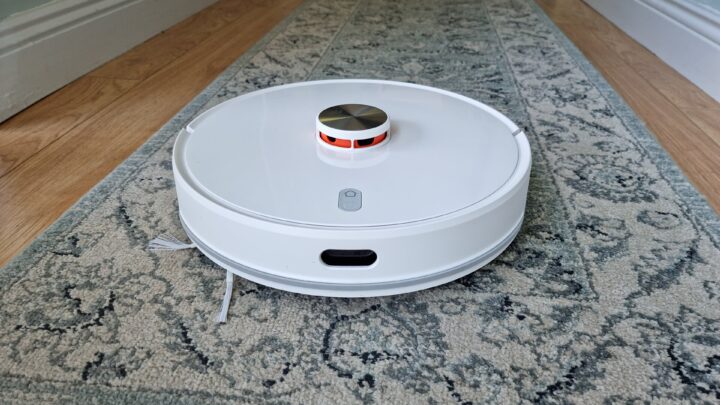
Every robot vacuum spec sheet leads with suction in pascals. In a house with long hair or a shedding dog, the number that matters is the shape of the brush.
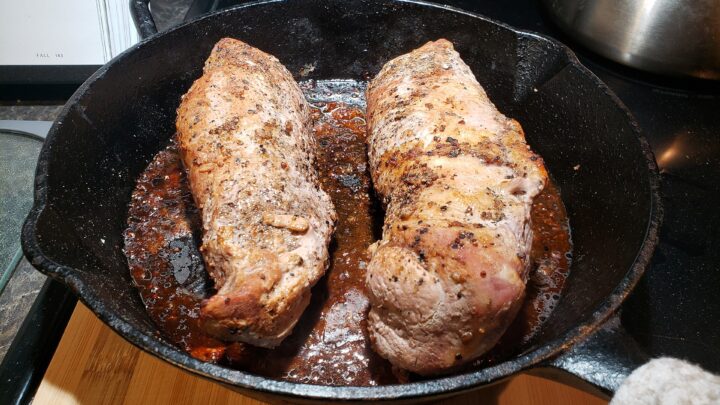
Every cast iron guide is about seasoning. Almost nobody who gives up on a cast iron pan gave up because of seasoning — they gave up because of weight, or because the base never sat flat.
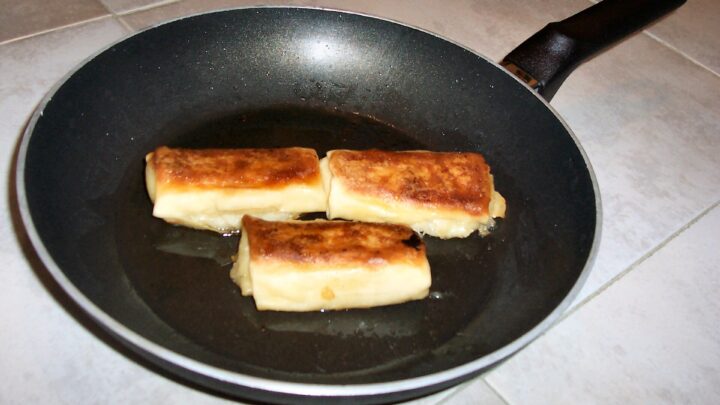
No non-stick coating is permanent, at any price. Once you accept that the pan is a consumable with a two-to-five year life, the buying decision changes completely.
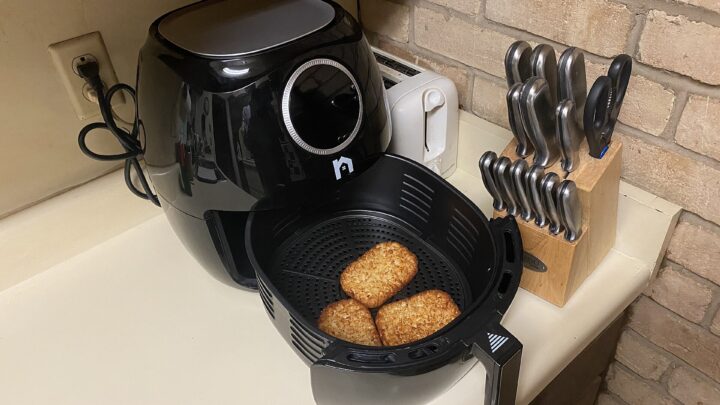
Air fryers that end up unused were rarely bad machines. Many are the wrong size for a kitchen nobody measured, bought for a household that does not cook the way the box assumed.