
Food Containers Leak at the Seal, and the Seal Is the Part That Wears Out
Containers fail at the lid: warped rims from the dishwasher and gaskets that stretch or grow mold. What lasts and what to check.

Part of the guide: Home and Kitchen Buying Mistakes: What Fails and How to Check Before You Buy
Container bases almost never fail. A glass base lasts for decades and a decent plastic one for years.
What fails is the lid, and specifically the seal — and once it goes, a container that looked perfect leaks soup into a bag.
Fear Index · Low risk
A cheap item that fails in a bag on the way to work
The failure is mild — a soup-soaked bag — but it is predictable, and cheap sets fail the same way quickly.
The lid is the product
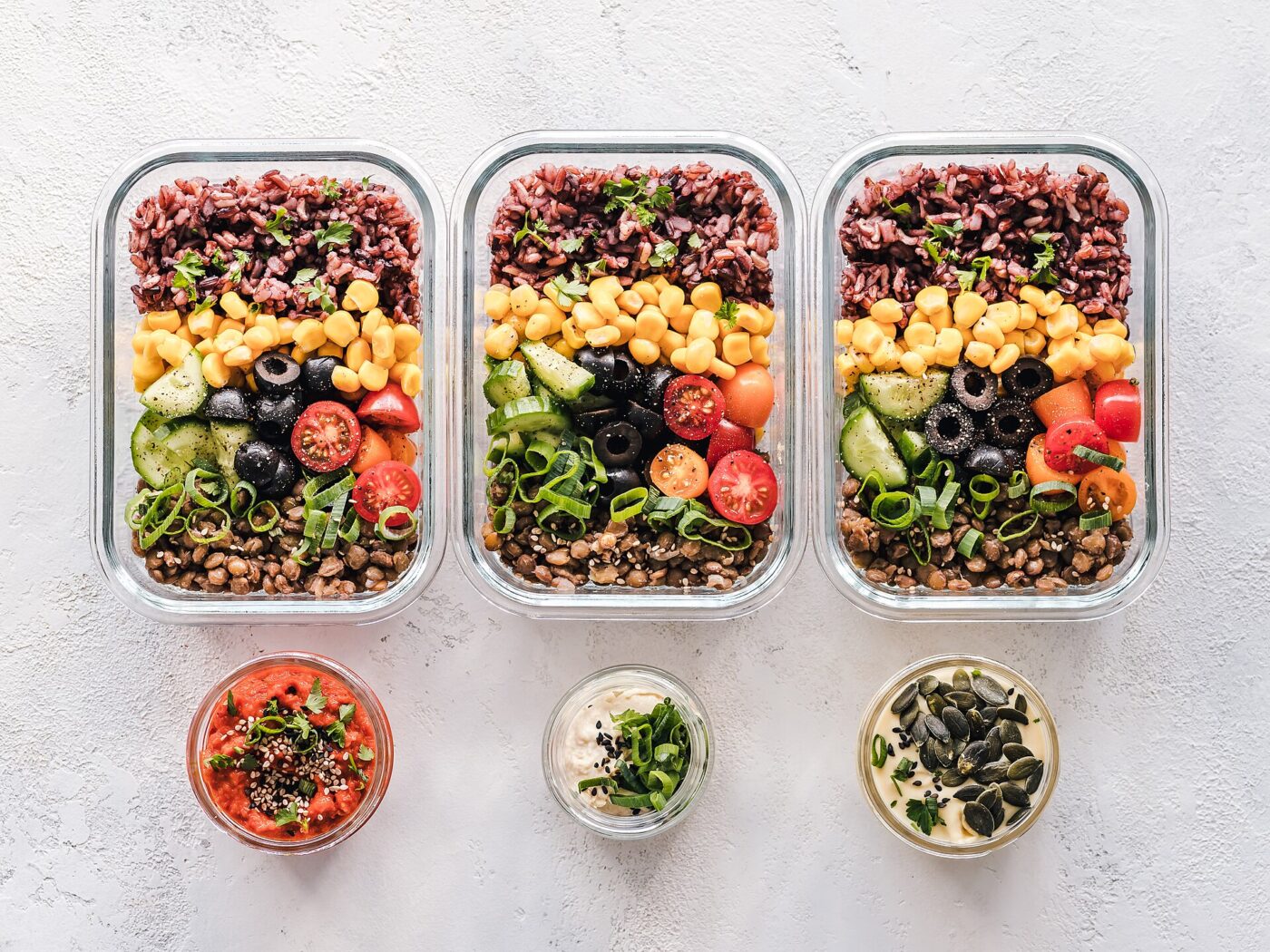
Plastic lids soften at dishwasher temperatures and the rim distorts slightly each cycle. After enough cycles the lid no longer meets the base evenly, and the seal only holds on one side.
Silicone gaskets do the actual sealing on leakproof designs. They stretch, compress and pick up stains and smells. The important distinction is whether they come out.
- Removable gaskets can be pulled out and cleaned, which prevents the black mold that grows behind fixed ones.
- Top-rack only for plastic lids, or hand wash, slows warping considerably.
- Snap-lock clips apply even pressure and survive longer than press-fit lids.
- Replacement lids sold separately turn a broken set into a five-minute fix.
Check under the gasket of a container you already own. If there is dark residue, that is what fixed gaskets hide — and why removable ones are worth it.
Glass or plastic

Glass does not stain or absorb smells, and bases marked oven-safe can go in the oven; plastic lids are not, and manufacturers warn they can melt or warp at oven temperatures. Glass is heavy, and it can break or shatter if taken from cold to very hot too quickly.
Plastic is light and does not shatter, which matters for carrying lunches. It stains with tomato and curry, scratches, and can hold odors.
Many households settle on glass at home and a few light plastic containers for carrying. Borosilicate glass handles temperature changes better than soda-lime glass.
Using them so they last
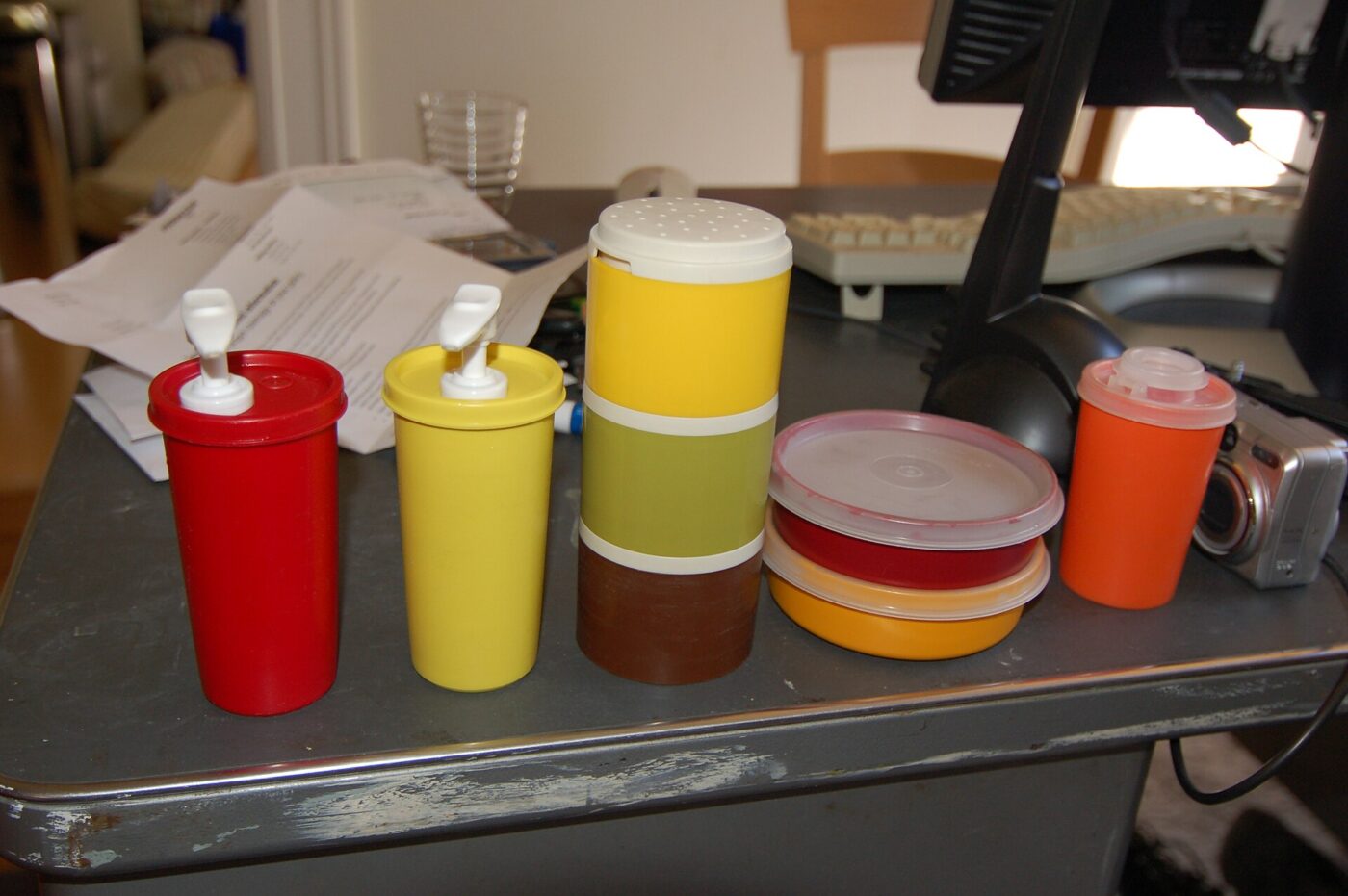
A few habits extend the life of any set, and most of them take no extra time once they are routine.
- Let hot food cool slightly before sealing. Steam trapped under a lid creates suction and strains the seal.
- Vent lids when microwaving, never microwave a sealed lid.
- Avoid oily tomato sauces in plastic if staining bothers you.
- Store lids and bases separately so gaskets are not compressed for months.
- Hand-wash gaskets occasionally even if the container itself is dishwasher-safe; direct jets can work a loose gasket free over time.
What the symbols on the bottom mean
A number inside the recycling triangle identifies the resin, not whether a container is food-safe or microwave-safe on its own. Look instead for a separate microwave-safe icon or wording printed by the manufacturer.
Most food containers sold today are made without bisphenol A (BPA) and many are labeled BPA-free; the FDA continues to allow the food-contact plastics used in these containers when used as the manufacturer intends.
An oven-safe mark applies to the base only. Glassware makers warn that lids, gaskets and any piece without that specific marking are not built for oven heat, however well they handle the microwave or freezer.
The resin number is a practical clue too. Containers marked 5 (polypropylene) resist staining and hold up to repeated microwave use better than those marked 1 (PET) or 6 (polystyrene), which are generally meant for single use rather than years of reheating.
Keep the marking or manual for any container you plan to put in the oven or microwave, and once a piece is scratched heavily or the marks have worn off, treat it as fridge- and freezer-only.
The shortlist
Paid links: we earn a commission if you buy through the buttons below, at no extra cost to you. As an Amazon Associate I earn from qualifying purchases.
Compared on the seal
| Product type | Best for | Risk estimate | Where to buy |
|---|---|---|---|
| Glass Food Containers with Snap Lids | Glass base | 18/100 | See listings on AmazonOpens Amazon search results, not one listing: check the model on the product page. |
| Plastic Meal Prep Containers | Lightweight carrying | 26/100 | See listings on AmazonOpens Amazon search results, not one listing: check the model on the product page. |
| Leakproof Soup Containers | Soups and liquids | 22/100 | See listings on AmazonOpens Amazon search results, not one listing: check the model on the product page. |
Risk estimate is our editorial Fear Index for the product type (lower is safer), not a customer rating. How it is scored.
Glass Food Containers with Snap Lids
The base is a lifetime purchase. Choose a set with removable gaskets and replacement lids available.
- Glass base lasts almost indefinitely
- No stains or smells
- Oven and microwave friendly base
- Heavy to carry
- Lids still wear and need care
Leakproof Soup Containers
Press-fit lids are the wrong design for soup. A screw lid is what reliably survives a bag on a commute.
- Screw lids seal more reliably than press-fit
- Tall shape fits bags
- Good for soups and dressings
- Harder to eat from directly
- Threads collect residue
More: Home & Kitchen analyses and how the Fear Index is scored.
Questions people actually ask
Why do my food containers leak?
Usually warped lids from hot dishwasher cycles, or stretched and compressed gaskets. The base is almost never the problem.
Are glass or plastic food containers better?
Glass lasts longer, does not stain and goes in the oven, but is heavy. Plastic is lighter for carrying. Many households use both.
How do I clean mold from a container seal?
Remove the gasket if it comes out and soak it in hot soapy water or diluted vinegar. Fixed gaskets hide mold, which is a reason to buy removable ones.
Can food containers go in the dishwasher?
Glass bases generally can. Plastic lids warp at high temperatures, so top rack or hand washing extends their life considerably.