

Home and Kitchen Buying Mistakes: What Fails and How to Check Before You Buy
Most kitchen and household appliances that disappoint are not defective. The air fryer was too tall for the cabinet, the nonstick coating wore out on schedule, a plastic coupling stripped, or a dehydrator was trusted with a food-safety step it was never designed to do.
The guides below are researched from manuals, regulators such as USDA, FDA, EPA and CPSC, and university extension services, and each one lists its sources. We do not test products hands-on. They are grouped by how things fail, so you can find the check that applies before you buy.
The number on the box is not the one that decides
Quoted quarts, room coverage and headline specs are what listings lead with. These guides show which measurement actually predicts whether the thing gets used.
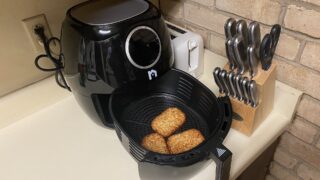
- The Air Fryer Measurement Nobody Checks — and Why It Decides Whether You Keep ItMeasure counter-to-cabinet clearance first; usable single-layer basket area is roughly half the quoted quarts, and a 4 qt model properly feeds two.
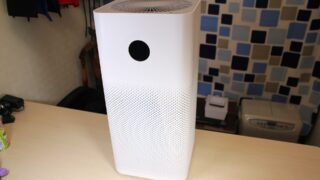
- An Air Purifier Rated for Your Room Is Probably Rated for a Smaller OneAHAM Verifide room sizes already assume about 4.8 air changes an hour; check any other coverage claim with CADR × 60 ÷ room volume.
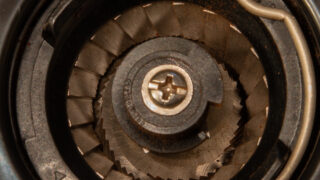
- Your Coffee Is Limited by the Grinder, Not the MachineBlade grinders make dust and boulders in one batch, so the grinder limits the cup; under $50, a hand burr grinder beats a cheap electric.
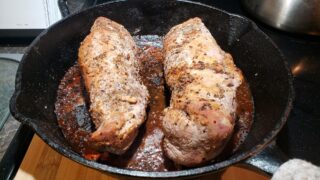
- Cast Iron Is Not Hard to Season. It Is Hard to Heat Evenly.Seasoning is the easy part; weight and a base that rocks are what end the relationship, and a 12-inch pan is close to 8 lb.
Coatings, edges and seals that wear out or overheat
Some kitchen parts are consumables sold as durables. Knowing the wear clock, and what speeds it up, changes what is worth paying for.
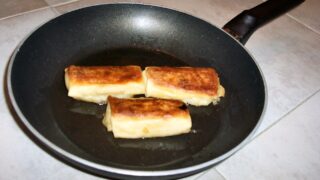
- A Non-Stick Pan Is a Consumable. Buy It Like One.No nonstick coating is permanent at any price; heat is the main killer, and a $25 pan replaced every three years beats a $120 one.
- Fumes From an Overheated Nonstick Pan Can Kill a Pet Bird Before the Cook Notices AnythingFumes from overheated PTFE can kill a pet bird within minutes; Merck's manual cites cookware, irons, self-cleaning oven cycles and heat lamps.
- The Sharpest Knife in the Shop Is the One You Will ChipHarder steel holds an edge longer and chips more easily: German knives around 56–58 HRC forgive abuse, Japanese blades at 60–63 do not.
- Food Containers Leak at the Seal, and the Seal Is the Part That Wears OutContainers fail at the lid: dishwasher heat warps rims and fixed gaskets hide mold, so buy sets with removable gaskets and replacement lids.



Motors, gears and brushes that quit early
Appliances rarely die of a burned-out motor. They die of a sacrificial part, a load the capacity figure never mentioned, or hair.
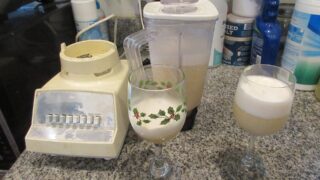
- A Blender’s Drive Coupling Is Built to Fail Before the MotorThe small splined drive coupling usually fails before the motor, so check it is sold as a spare for your model before buying.
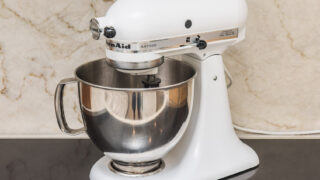
- Bread Dough Is What Kills Consumer Stand MixersStiff bread dough loads a mixer far harder than batter; many models use a sacrificial nylon gear, and bowl-lift designs generally handle dough better.
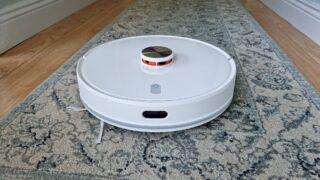
- Robot Vacuums Are Not Beaten by Dirt. They Are Beaten by Hair.Bristle brushes wind hair into a jamming collar; rubber rollers shed it, and above about 2000 Pa suction barely matters on hard floors.
Hard water, filters and what a water test really covers
Minerals and microbes cause problems that look like appliance faults. These guides separate what a product removes from what it leaves behind.
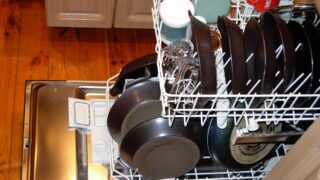
- Cloudy Glasses Are a Water Problem, Not a Dishwasher ProblemLimescale film wipes off with vinegar and etching does not; most US dishwashers have no salt reservoir, so check the manual before buying salt.
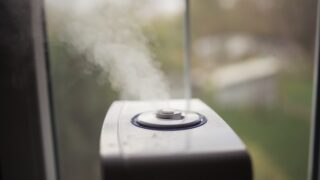
- That White Dust on Your Furniture Came Out of the HumidifierUltrasonic humidifiers atomize the minerals in tap water while evaporative models trap them in the wick; distilled water ends the white dust.
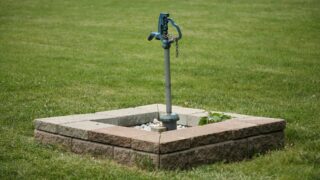
- A Home Well Water Test Strip Can Miss What a Certified Lab Is Built to FindEPA does not regulate private wells; home kits cover yearly screening, but bacteria confirmation, lead, arsenic and uranium need a state-certified lab.
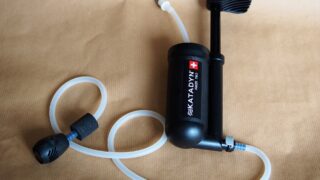
- A Water Filter Does Not Remove Viruses. A Purifier Does.Filters block bacteria and protozoa, not viruses; where sanitation is poor, use a purifier that states virus removal, chemical treatment, UV or boiling.
Food safety steps the appliance does not do for you
Reaching a temperature or a pressure is not the same as a validated process. USDA, NCHFP, FDA and extension services publish the step that actually makes food safe.
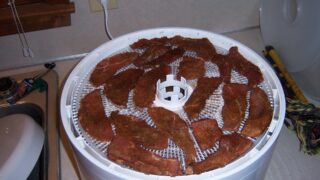
- A Food Dehydrator Dries Jerky at 145°F. USDA Wants the Meat Heated to 160°F First.A dehydrator's 130–145°F drying range is not a kill step; USDA wants meat at 160°F and poultry at 165°F, before or after drying.
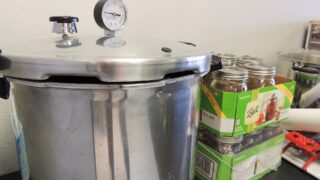
- An Electric Pressure Cooker Reaches Pressure. That Still Does Not Make It a Pressure Canner.NCHFP does not support pressure canning in electric multi-cookers; use a stovetop canner that holds four quart jars and check dial gauges yearly.
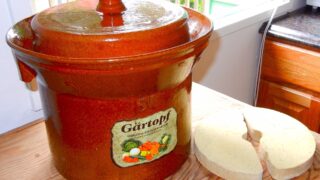
- A Fermentation Crock and a Mason Jar Airlock Both Work. Salt and Submersion Decide Safety.Salt at about 2 to 2.5% of vegetable weight and full submersion make a ferment safe, not the vessel; test old crock glazes for lead.
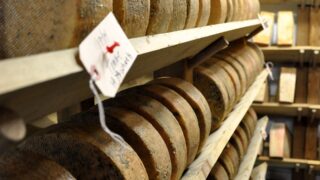
- Aging Raw-Milk Cheese 60 Days Is a Federal Sales Rule, Not a Guarantee It Is Safe to EatThe 60-day cure is a federal sales condition, not a safety test; FDA sampling still found Listeria in cheese aged the full 60 days.
- A Homebrew Bottle Bomb Is a Hydrometer Reading Someone SkippedBottle bombs come from bottling too early or overdosing priming sugar; a stable hydrometer reading over two to three days is the proof.

Every analysis here is built from published standards, manufacturer documents, regulator data and recall notices, and links its sources. None of it is hands-on testing. See our evidence standards.