
Bread Dough Is What Kills Consumer Stand Mixers
Stiff bread dough loads a stand mixer far harder than cake batter, and wattage does not tell you whether the gearbox can take it.

Part of the guide: Home and Kitchen Buying Mistakes: What Fails and How to Check Before You Buy
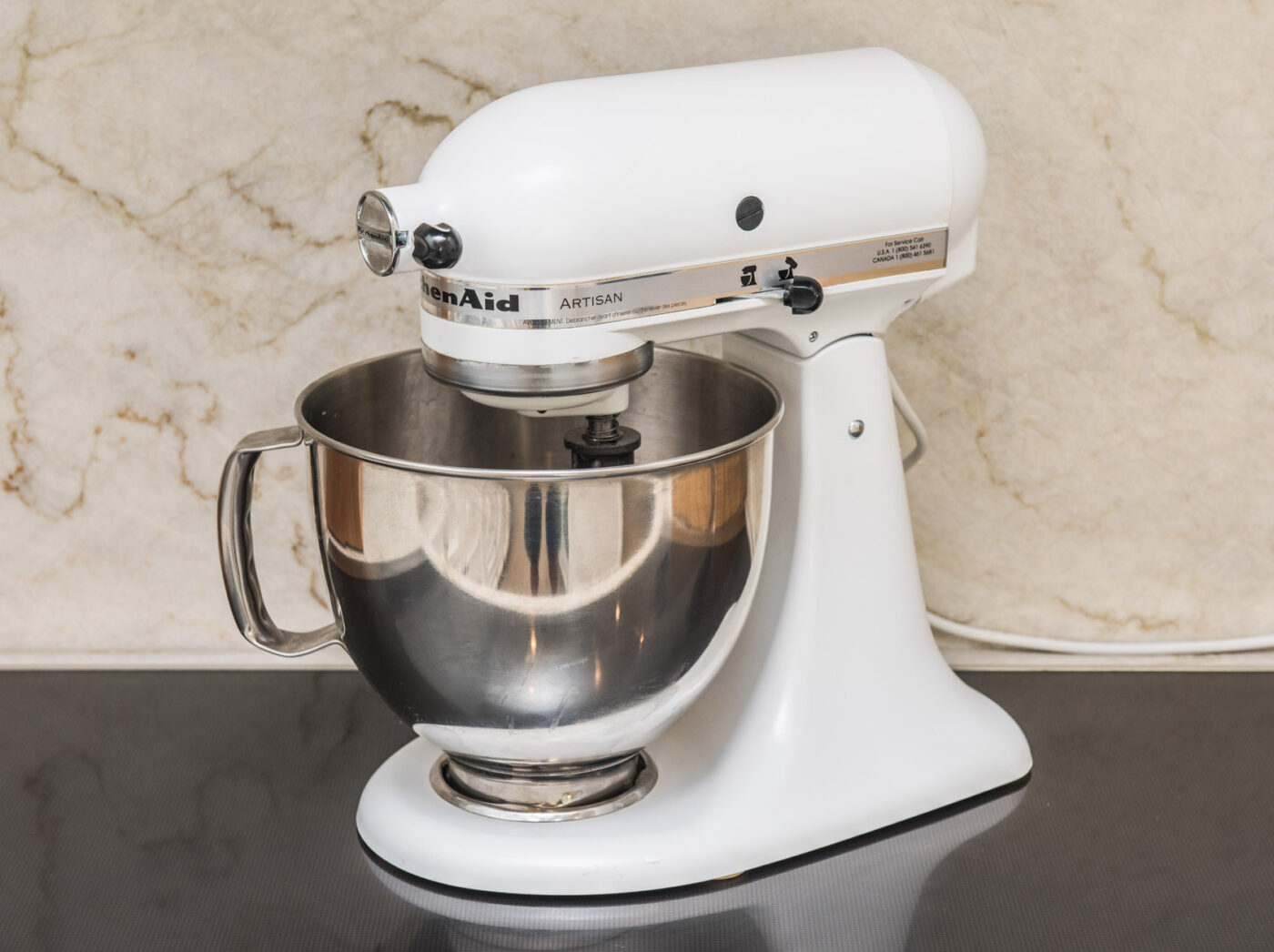
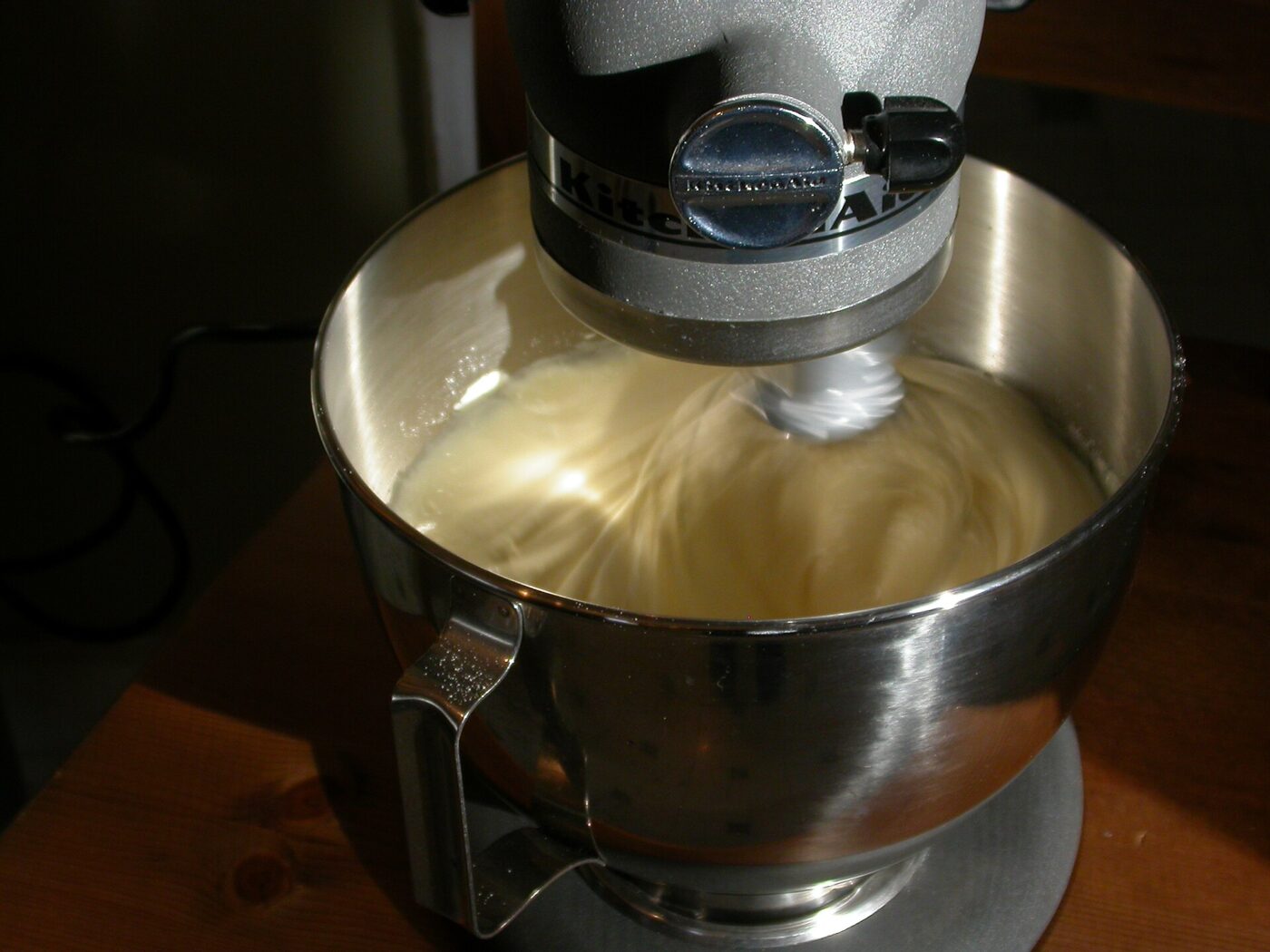
A stand mixer whips cream and creams butter effortlessly. Then it meets a stiff bread dough and something changes: the head rocks, the motor bogs, and there is a smell of hot plastic.
The two tasks are not comparable loads. Batter offers very little resistance. A low-hydration dough is a tough elastic mass that resists the hook continuously through every rotation.
Fear Index · Think twice
A capacity figure that assumes batter
The sacrificial gear is a sensible design. The problem is that owners do not know the limit exists until they exceed it.
Dough is a different load
Hydration — the ratio of water to flour — determines how hard the dough is to move. A 75% hydration ciabatta is slack and relatively easy. A 55% hydration bagel or pasta dough is close to the worst case for a domestic mixer.
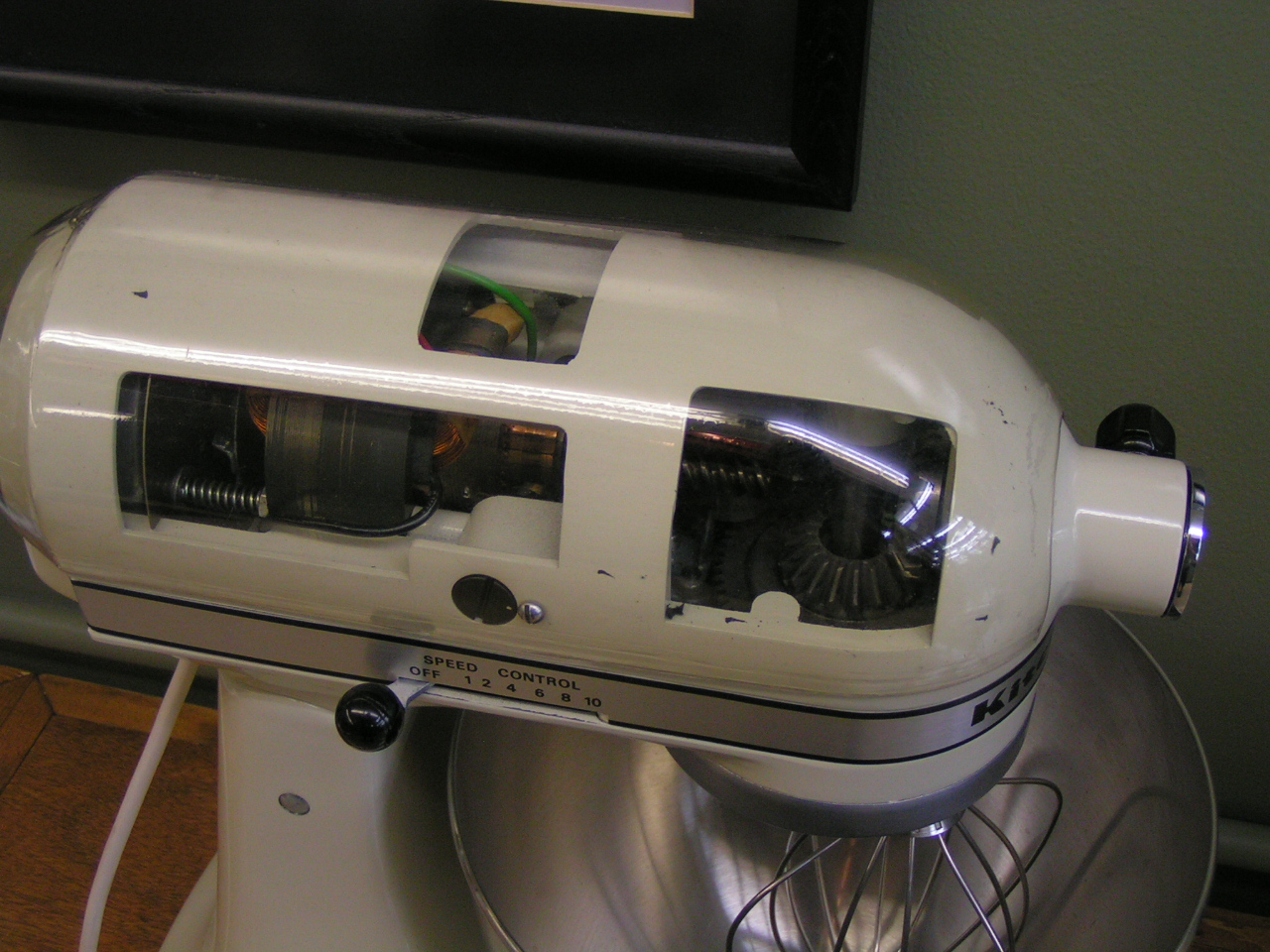
Many mixers include a deliberately sacrificial nylon worm gear. Under excessive load it strips rather than letting the motor burn out or the shaft twist. It is a sensible design, and on most models it is a cheap, replaceable part.
The failure sequence is recognizable: a grinding noise, then the beater stops turning while the motor still runs.
Before buying, search the model plus “worm gear replacement”. A machine where that part is available and cheap is far more repairable than one where it is not.
Tilt head or bowl lift

Tilt-head mixers hinge backwards so the bowl clears. The hinge is a pivot, and under heavy dough load the head flexes upward slightly, which both reduces mixing efficiency and loads the gears unevenly.
Bowl-lift designs have a fixed head and raise the bowl on a lever. There is no hinge to flex, and the frame is generally heavier. For regular bread they are the more durable architecture.
The practical compromise most home bakers reach: use the tilt-head for everything except dough, and either halve dough batches or knead by hand.
How to make any mixer last
The capacity figure printed on a mixer assumes batter, not dough. Manufacturers usually publish a separate and much smaller flour capacity, and it is worth finding.
- Halve the batch. Two small doughs stress the machine far less than one large one.
- Use the lowest speed for dough. Speed 1 or 2 — higher speeds multiply the load on the gears.
- Autolyse first. Mixing flour and water and leaving it twenty minutes before kneading develops gluten passively and dramatically reduces the work required.
- Stop if the head rocks or the motor note drops. That is the machine telling you it is at its limit.
- Let it rest between batches. A long knead can overheat the motor even when the gears survive.
When the mixer just stops
Some mixers include thermal overload protection: an internal switch that cuts power if the motor overheats, quite apart from any gear failure. If a mixer shuts off mid-knead and the beater has not stripped, this is usually the cause, and the fix is to unplug it and let it cool — commonly for around 30 minutes — before restarting.
A second, less obvious trigger is steam. Mixing something hot and wet enough to produce steam can condense on the circuit board and interrupt power for a few minutes, which looks identical to overheating from the outside.
Either way, a mixer that shuts off and restarts on its own after a short wait is behaving as designed, not failing. One that will not restart, or restarts and immediately trips again, has a fault worth getting looked at.
None of this is a substitute for respecting the flour capacity. Thermal protection buys the motor a little slack; it does not turn an undersized mixer into a bread machine, and repeatedly tripping it on oversized batches shortens the motor’s life even when the shutoff itself does no harm.
The shortlist
Paid links: we earn a commission if you buy through the buttons below, at no extra cost to you. As an Amazon Associate I earn from qualifying purchases.
Compared on handling stiff dough
| Product type | Best for | Risk estimate | Where to buy |
|---|---|---|---|
| Tilt-Head Stand Mixer | Occasional baking | 40/100 | See listings on AmazonOpens Amazon search results, not one listing: check the model on the product page. |
| Bowl-Lift Stand Mixer | Regular bread | 28/100 | See listings on AmazonOpens Amazon search results, not one listing: check the model on the product page. |
| Dough Scraper and Bench Knife | Very stiff doughs | 8/100 | See listings on AmazonOpens Amazon search results, not one listing: check the model on the product page. |
Risk estimate is our editorial Fear Index for the product type (lower is safer), not a customer rating. How it is scored.
Bowl-Lift Stand Mixer
If bread is the reason you are buying a mixer, this is the architecture that survives it. The hinge on a tilt-head is the weak point.
- No hinge to flex under load
- Heavier frame stays planted
- Larger flour capacity
- Significantly more expensive
- Tall — check cupboard clearance
Dough Scraper and Bench Knife
Worth saying plainly: for one or two loaves, hands work perfectly and never strip a gear.
- Hand kneading has no capacity limit
- Costs almost nothing
- Better feel for when dough is ready
- Ten minutes of physical work
- Messier
More: Home and Kitchen analyses and how the Fear Index is scored.
Questions people actually ask
Can a stand mixer handle bread dough?
Within its flour capacity, which is far smaller than its bowl volume suggests. Stiff low-hydration doughs are the hardest load a domestic mixer sees.
Why did my stand mixer stop turning?
Most likely a stripped worm gear — a deliberately sacrificial nylon part that fails to protect the motor. On many models it is a cheap, replaceable component.
Is bowl-lift better than tilt-head?
For dough, yes. Tilt-head mixers flex at the hinge under heavy load, which reduces mixing efficiency and loads the gears unevenly.
How can I reduce strain on my mixer?
Halve the batch, mix dough on the lowest speed, and autolyse — rest flour and water for twenty minutes before kneading, which develops gluten without the machine doing the work.