

A Home Well Water Test Strip Can Miss What a Certified Lab Is Built to Find
EPA does not regulate private wells, so testing is the owner’s call. What a home test kit catches, and when only a state-certified lab will do.

Part of the guide: Home and Kitchen Buying Mistakes: What Fails and How to Check Before You Buy
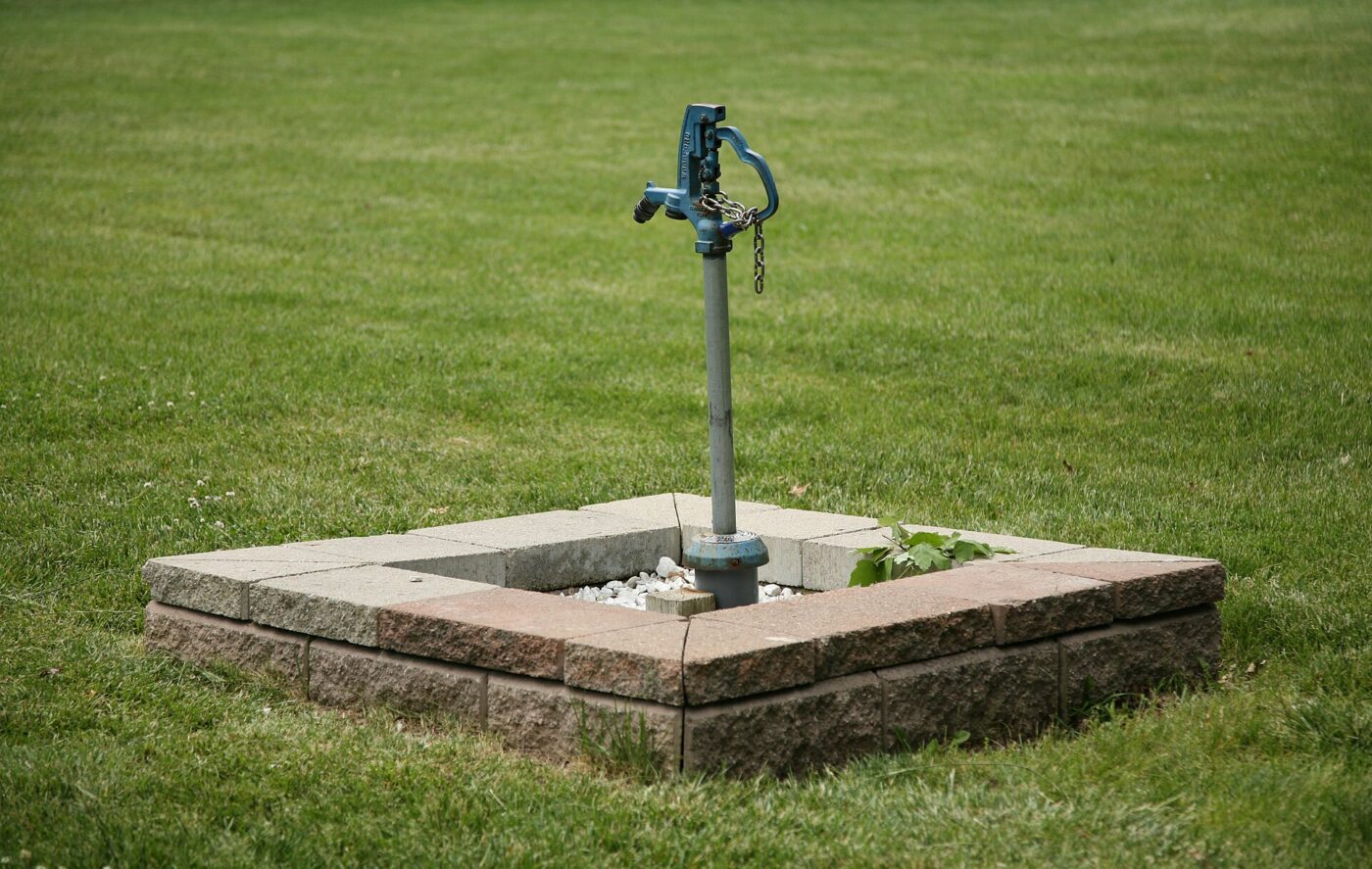
A private well has no utility sending a water-quality report in the mail, no inspector checking a tank, and no federal rule saying what has to be tested or how often. EPA is direct about this: private wells are not regulated under the Safe Drinking Water Act, and the decision belongs to whoever owns the well.
That does not mean the water is fine by default. A USGS-based assessment that EPA cites on its own private-wells page found that about one in five wells sampled nationally had at least one contaminant above a health benchmark. A home test kit and a certified lab both have a role in finding out which well that is — they are just built for different parts of the question.
Fear Index · High risk
A water supply nobody is required to check
EPA says private well water is not regulated by the federal government under the Safe Drinking Water Act, nor by most states, and a USGS-based assessment EPA cites found roughly one in five private wells sampled had a contaminant above a health benchmark.
Why a private well is the owner’s job, not a regulator’s
EPA’s guidance states plainly that private wells “are not regulated by the Federal Government under the Safe Drinking Water Act nor by most state governments and laws,” and that private well owners are responsible for delivering safe drinking water to their own households. A public water system has to test on a schedule and report the results; a private well only gets tested if the owner arranges it.
EPA’s page on well contaminants explains why that gap matters: heavy metals such as lead and arsenic can come from plumbing, mining, industrial sources or natural mineral deposits, and radionuclides such as uranium “may also be naturally present in ground water in some areas,” with no company or agency checking for them unless the owner does.
Nobody is required to tell a well owner what is in the water. Finding out is entirely a testing decision, not a compliance one.
What a home test kit reliably catches
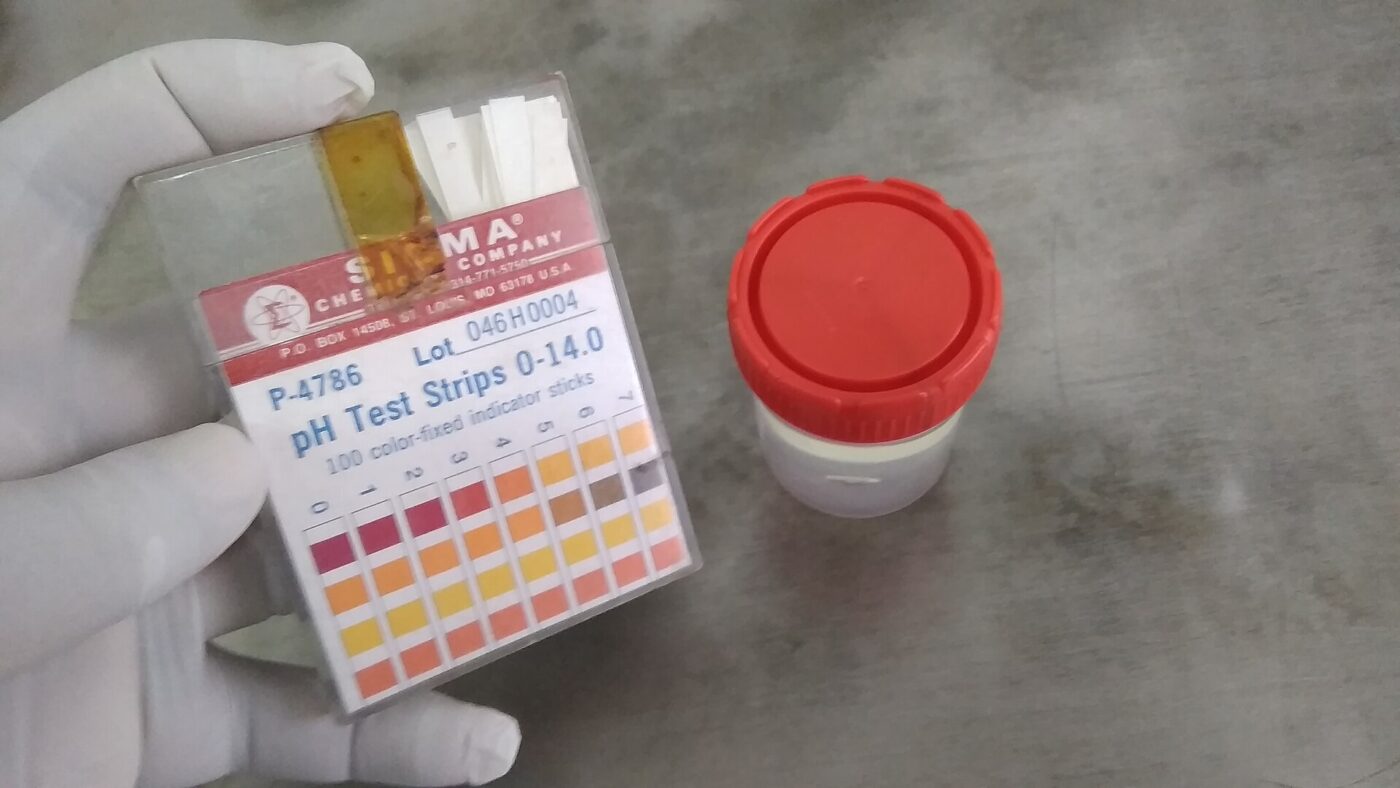
EPA and CDC both recommend the same annual baseline: test private well water at least once a year for total coliform bacteria, nitrates, total dissolved solids and pH. These are exactly the parameters most home test-strip kits are built to handle, and they are a reasonable yearly habit rather than a one-time check.
A strip that changes color for nitrate or pH, or a vial that clouds for a coliform screen, is a fast way to catch a trend — rising nitrate near a septic field or farm runoff, for instance — between the years when a fuller lab panel makes sense. What a home kit is not built for is a legally defensible number: it cannot report a lead or arsenic result in the parts-per-billion range with a documented detection limit, and CDC’s guidance treats coliform and nitrate results from any source as a first flag rather than a final answer.
Where a certified lab becomes necessary

For heavy metals and radionuclides, EPA’s own page on contaminants and their impacts is direct about the stakes: consuming high levels of heavy metals carries a risk of “acute and chronic toxicity, liver, kidney, and intestinal damage, anemia, and cancer,” and radionuclides in drinking water “can cause toxic kidney effects and increase the risk of cancer.” These are not results to leave to a strip.
EPA explains that state certification programs exist specifically because these analyses require documented methods: “state-certified laboratories regularly test drinking water samples for compliance with National Primary Drinking Water Regulations,” using EPA-approved methods the states themselves audit. That certification, not the price on the box, is what separates a screening kit from a result that can settle a bacteria, lead, arsenic or uranium question.
A home kit answers “should I be concerned.” A certified lab answers “how much, and is it over the limit.”
The annual test, and the events that should trigger a retest
Beyond the yearly baseline, both EPA and CDC list specific events that call for testing right away rather than waiting for the calendar. EPA’s guidance says to test immediately if conditions near the well change significantly, such as flooding, land disturbance or new construction; if any part of the well system is replaced or repaired; or if the water’s odor, color or taste changes.
CDC adds two household events to that list: test again if you or someone you live with becomes pregnant, or if a child starts living with you. Both agencies also note that more frequent testing is worth considering if small children, elderly adults, or someone pregnant or nursing lives in the home — the groups most affected by nitrate and bacterial contamination.
- Every year: coliform bacteria, nitrates, total dissolved solids and pH.
- After flooding, land disturbance or new construction near the well.
- After repairing or replacing any part of the well system.
- After a change in taste, color or odor.
- When a household member becomes pregnant, or a child moves in.
After a bad result: shock chlorination and matched treatment
A coliform-positive well is usually fixed with shock chlorination, a heavy dose of household bleach circulated through the well and plumbing. CDC’s guidance for disinfecting a well is specific about who should do it: “Wells should be disinfected by a well or pump contractor, due to safety concerns,” using bleach amounts sized to the well’s depth and diameter.
Retesting afterward is not optional. CDC advises waiting “at least 7 to 10 days after disinfection, then have the water in your well sampled” before trusting the result. Chlorination addresses bacteria; it does nothing for lead, arsenic or uranium, which is why a confirmed metals or radionuclide problem calls for a treatment system chosen to match that specific contaminant, not a general-purpose filter bought on faith.
Shock chlorination fixes bacteria and gets verified by a retest. It is not a treatment for metals or radionuclides.
The shortlist
Paid links: we earn a commission if you buy through the buttons below, at no extra cost to you. As an Amazon Associate I earn from qualifying purchases.
Compared on answering what a well actually needs
| Product type | Best for | Risk estimate | Where to buy |
|---|---|---|---|
| Home Well Water Test Kit (Bacteria, Nitrate, Lead Screen) | Testing the basics at home | 42/100 | See listings on AmazonOpens Amazon search results, not one listing: check the model on the product page. |
| Mail-In Certified Well Water Lab Test | Confirming bacteria, lead or arsenic | 28/100 | See listings on AmazonOpens Amazon search results, not one listing: check the model on the product page. |
| UV Disinfection System for Well Water | Treating a confirmed problem | 35/100 | See listings on AmazonOpens Amazon search results, not one listing: check the model on the product page. |
Risk estimate is our editorial Fear Index for the product type (lower is safer), not a customer rating. How it is scored.
Mail-In Certified Well Water Lab Test
EPA says state programs certify labs specifically to run these methods; that certification is what a lead or arsenic number needs to mean anything.
- State-certified methods and detection limits
- Covers bacteria, lead, arsenic and uranium
- Result is documented and defensible
- Costs more than a home kit
- Results take days, not minutes
Home Well Water Test Kit (Bacteria, Nitrate, Lead Screen)
A home kit matches the parameters EPA and CDC recommend testing every year: coliform bacteria, nitrates, total dissolved solids and pH.
- Covers the EPA/CDC annual basics
- Result in minutes, not days
- Cheap enough to run every year
- No documented detection limit
- Not built for metals or radionuclides
More: Air, Water and Heating analyses and how the Fear Index is scored.
Sources
Questions people actually ask
Does EPA regulate private well water?
No. EPA says private wells are not regulated under the Safe Drinking Water Act or by most states, so testing and treatment decisions belong to the well owner.
How often should I test my well water?
EPA and CDC both recommend testing at least once a year for total coliform bacteria, nitrates, total dissolved solids and pH, plus additional testing after any of several specific events.
Can a home test kit check for lead or arsenic?
Most home kits are built for bacteria, nitrate, pH and hardness screening. A documented lead, arsenic or uranium result requires a state-certified laboratory.
What should trigger an extra well test besides the annual one?
CDC and EPA both list flooding or land disturbance near the well, any repair or replacement of well parts, a change in taste, color or odor, and a pregnancy or a new child in the household.
What happens after a well tests positive for bacteria?
CDC advises having a well or pump contractor shock chlorinate the well, then waiting 7 to 10 days before retesting to confirm the treatment worked.