
Ionization and Photoelectric Alarms Sense Different Fires; CPSC Says Install Both
Ionization alarms react faster to flaming fires and photoelectric alarms to smoldering ones. CPSC recommends both, plus what UL 217’s cooking test changed.

Part of the guide: Tools and DIY Buying Mistakes: What Fails and How to Check Before You Buy
A smoke alarm that never sounds during a real fire is a device nobody notices is broken until it matters. A smoke alarm that sounds every time toast browns is a device that gets its battery pulled, which is worse.
Both problems trace back to the same choice: which sensing technology is inside the alarm, and whether the model was built to the smoke-alarm standard’s newest edition. The type, the placement and the age printed on the back of the unit decide which fires get caught early and which nuisance alarms get tolerated instead of silenced.
Fear Index · High risk
Two sensors that miss different fires
NFPA says roughly 3 out of 5 home fire deaths happen in homes with no smoke alarms or no working ones. A single sensor type tuned to the other kind of fire leaves a different gap.
Two sensors, two kinds of fire

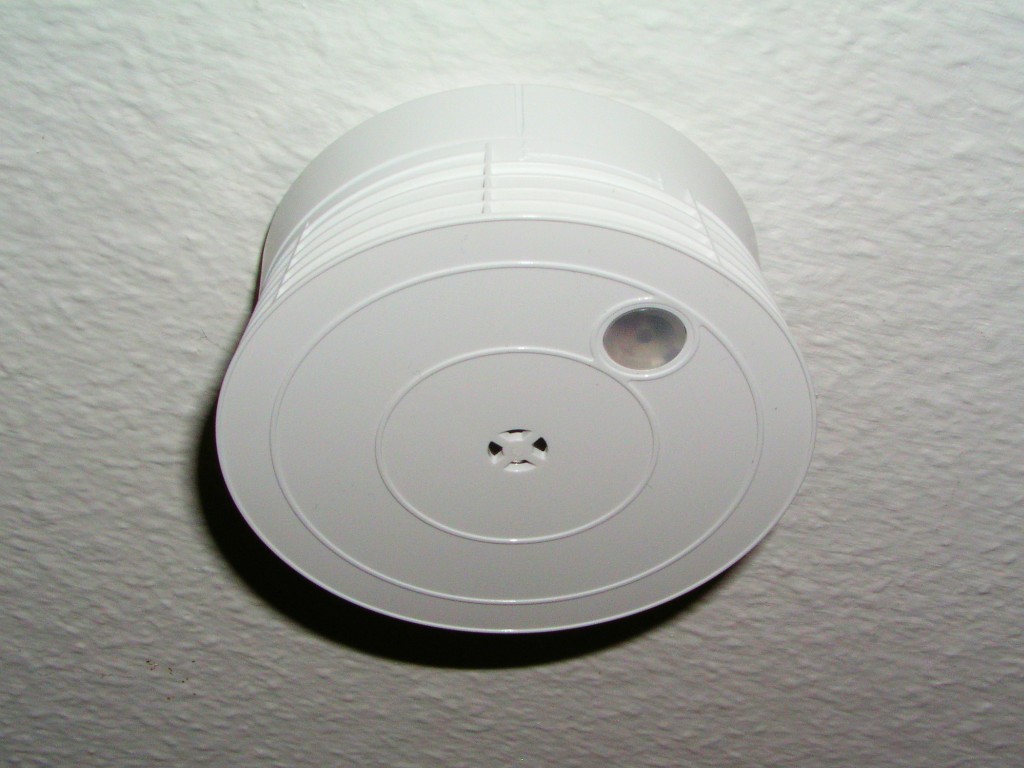
Consumer Product Safety Commission staff describe two main smoke-alarm sensor types. Ionization detectors hold a chamber with two plates carrying a small, continuous current; smoke particles entering the chamber disrupt that current and trigger the alarm. Photoelectric detectors use a light beam and a light receptor, and smoke between the two changes the light reaching the sensor enough to trigger the alarm.
CPSC says both sensor types must pass the same certification tests, but they perform differently by fire type: ionization detectors respond quickest to fast-flaming fires with small combustion particles, and photoelectric detectors respond quickest to slow-smoldering fires with larger particles. In a fast-moving flaming fire, CPSC notes an ionization alarm can sound seconds sooner; in a slow smoldering fire, a photoelectric alarm can sound minutes sooner.
Because homeowners cannot predict what type of fire might start, CPSC staff put installing both ionization and photoelectric type alarms in the top tier of their guidance. USFA gives the same advice and says dual-sensor alarms, which contain both sensors in one unit, meet it. Those combination units are the practical way to get both kinds of sensing without mounting two separate devices at each location.
Neither sensor type is defective; each is tuned to a different kind of fire. CPSC and USFA both point to having both, whether as separate units or a dual-sensor alarm.
The UL 217 rewrite and cooking nuisance alarms
CPSC warns that normal cooking can produce steam, smoke and fumes that set off alarms, and that disabling an alarm to silence nuisance alarms could be a fatal mistake. The eighth edition of UL 217, the safety standard for smoke alarms, went into effect June 30, 2024, NIST says, and for the first time it contains a test for reducing nuisance alarms.
NIST, which studied the new generation of alarms, describes the test: two standardized hamburger patties are broiled 10 feet away from the alarm, and the alarm has to avoid sounding during that ordinary cooking smoke. UL Solutions describes the aim the same way: alarms built to the new requirements use technology that differentiates types of smoke, alongside new tests for smoldering and flaming fires involving the polyurethane foam in furniture and mattresses.
NIST’s research found mixed results. None of the 45 previous-generation alarms NIST tested in 2016 could pass the new standard, so newer alarms should catch more fires; but compared with the old alarms, NIST found the new ones “weren’t universally better at not going off during cooking.” A UL 217 8th edition listing is a real improvement over older stock, not a guarantee that a kitchen alarm will never trip on a good sear.
Look for a UL 217 8th edition, or newer, listing on a replacement alarm bought for or near a kitchen. It will not eliminate cooking nuisance alarms, but the standard now tests for them.
Placement: kitchens, bedrooms, hallways
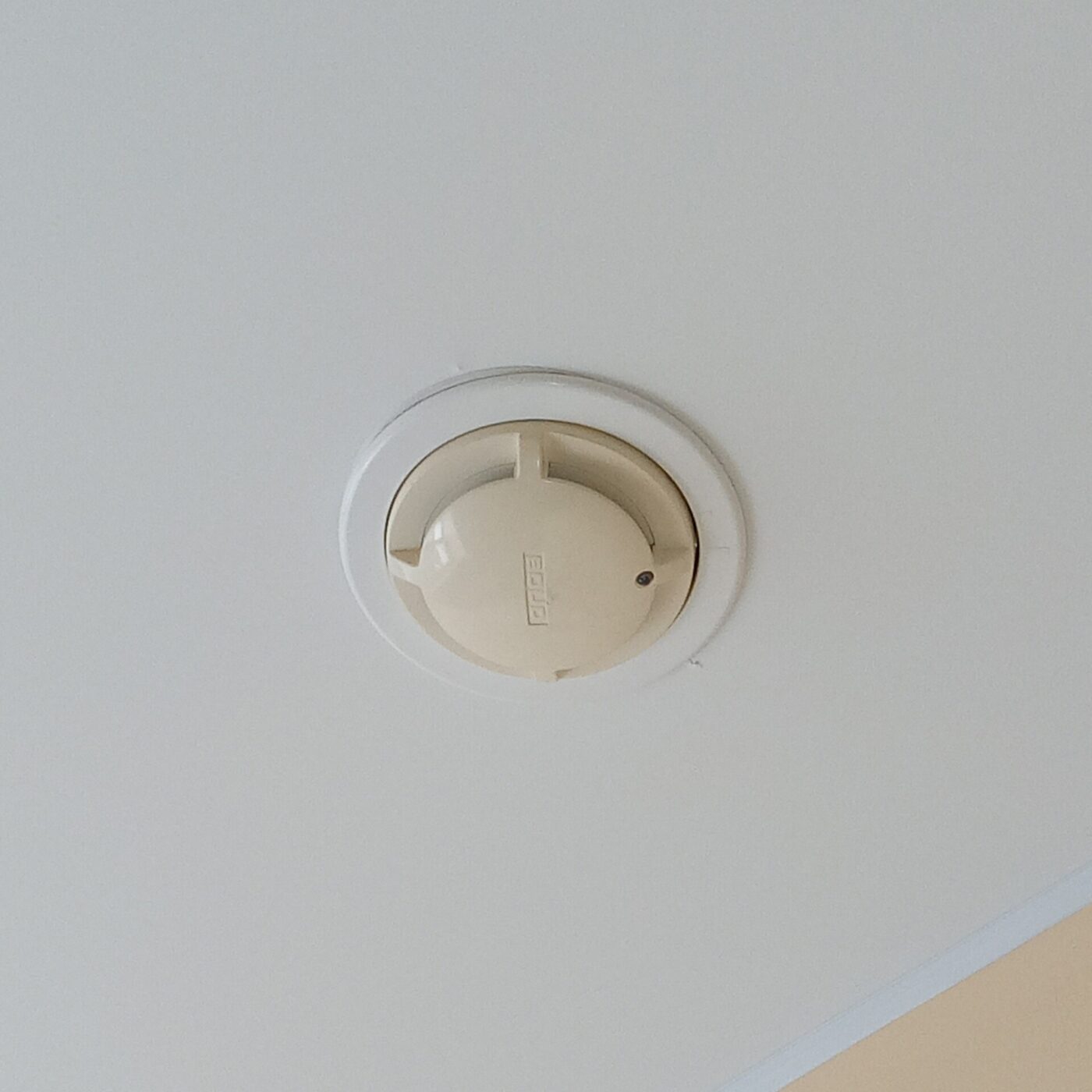
CPSC recommends a working smoke alarm on every level of the home, outside each sleeping area, and inside every bedroom. NFPA’s own smoke-alarm guidance adds a specific distance for the kitchen: keep alarms away from the kitchen to reduce false alarms, at least 10 feet, or 3 meters, from the stove.
CPSC’s advice runs the same direction: do not place a smoke alarm too close to a kitchen appliance or fireplace, and avoid locating alarms near bathrooms, heating appliances, windows or ceiling fans, all places where steam, humidity or airflow can trigger a false alarm with no fire present. Moving a nuisance-prone alarm farther from the stove, rather than disabling it, keeps the kitchen’s own fast-moving grease fires covered.
CPSC suggests placing alarms along the escape path, such as hallways outside bedrooms and stairwells between levels, to help people get out when visibility is limited. NFPA notes that a closed bedroom door can slow the spread of smoke, heat and fire, part of why alarms belong both inside bedrooms and in the hallway outside them, not one or the other.
Dual-sensor and interconnected alarms
CPSC staff sort their advice into good, better and best. Good is simply having a working alarm. Better adds more than one alarm, interconnection and sealed 10-year batteries. Best combines alarms on every level, outside sleeping areas and inside bedrooms with both ionization and photoelectric types, interconnection, and house wiring with battery back-up. Interconnected alarms sound every unit in the home when any one detects smoke, which CPSC says may offer quicker escape time and improved audibility over single-station alarms that only sound where the smoke is.
Most homes built after 1989 already have hard-wired interconnected alarms, per CPSC. Older homes are not stuck with single-station coverage: wireless interconnected smoke alarms link over radio rather than a dedicated wire, giving the same all-sound-together behavior as an upgrade project rather than a rewiring job.
NFPA’s own tip sheet notes that current alarms use different types of technology, including multi-sensing units that pair smoke and carbon monoxide detection in one housing. That consolidation is convenient, but it does not replace the placement rules above; a combination alarm still needs to sit where a smoke-only alarm would.
Replace at 10 years: reading the date on the back
Every smoke alarm has a limited service life regardless of sensor type. CPSC says to replace smoke alarms that are more than 10 years old, and separately advises replacing the batteries in battery-powered units at least once a year, such as when clocks change in the fall or spring.
Sealed 10-year battery alarms simplify half of that maintenance: CPSC notes alarms with sealed lithium batteries can run up to 10 years, after which the entire unit, not just the battery, gets thrown away. That sealed design buys a decade of not chasing a chirping battery, but the alarm itself is still due for replacement on the same 10-year schedule as any other unit.
USFA says alarms need to be replaced 10 years from the manufacture date, which is marked on the alarm itself, not the purchase date on a receipt. A unit bought from older stock can already be several years into its 10-year clock before it goes on the wall, so checking that printed date at install time, rather than counting from the purchase, avoids running an expired alarm without knowing it.
Test monthly with the button, replace batteries yearly if not sealed, and replace the whole alarm 10 years from the date printed on the back, not the purchase date.
The shortlist
Paid links: we earn a commission if you buy through the buttons below, at no extra cost to you. As an Amazon Associate I earn from qualifying purchases.
Compared on sensing coverage and install
| Product type | Best for | Risk estimate | Where to buy |
|---|---|---|---|
| Dual-Sensor Smoke Alarm | Dual-sensor coverage | 15/100 | See listings on Amazon |
| Photoelectric Smoke Alarm, 10-Year Sealed Battery | Pairing with an ionization alarm | 12/100 | See listings on Amazon |
| Wireless Interconnected Smoke and CO Alarm | Interconnected without new wires | 18/100 | See listings on Amazon |
Risk estimate is our editorial Fear Index for the product type (lower is safer), not a customer rating. How it is scored. The buttons open Amazon search results rather than one listing, so check the model on the product page.
Dual-Sensor Smoke Alarm
A dual-sensor alarm covers both fire types without mounting two devices at one location; CPSC’s top tier also asks for interconnection.
- Ionization and photoelectric in one housing
- No second unit to mount
- Meets the both-types advice from CPSC and USFA
- Needs interconnection for CPSC’s top tier
- Still needs the 10-year replacement check
Wireless Interconnected Smoke and CO Alarm
Wireless interconnection gives older homes the all-sound-together behavior CPSC recommends, without hard-wiring a single circuit.
- Every alarm sounds together
- Adds CO sensing in the same unit
- Works in homes built before 1989
- Every unit still needs a monthly test
- Still needs battery or power checks