
A Patio Heater Warms the Sky Unless It Is the Right Kind
Gas mushroom heaters warm air that blows away. Infrared heaters warm people and objects directly. The cost per hour and where each works.

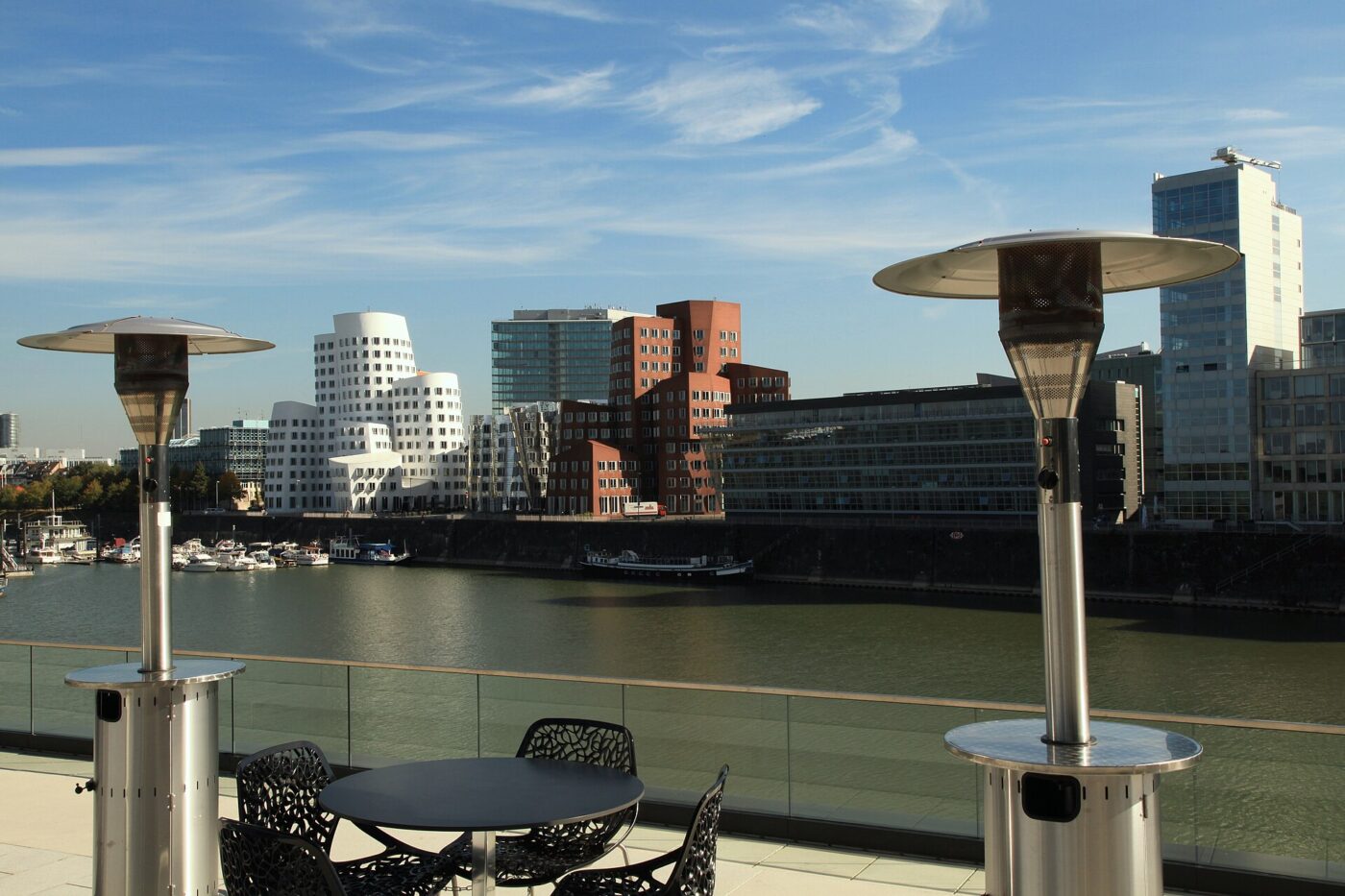
Heating outdoors is fundamentally inefficient, and the inefficiency depends almost entirely on how the heater delivers warmth.
Warm air rises and drifts. Indoors, walls keep it. Outdoors, the lightest breeze takes it away, so a heater that works by warming air is paying to heat the neighborhood.
Fear Index · Think twice
Heat sold as a quantity, lost as a draft
A tall gas heater simply warms air that the lightest breeze carries off, and the running cost continues regardless of how much of that heat actually reaches anyone.
Convection outdoors is a losing game
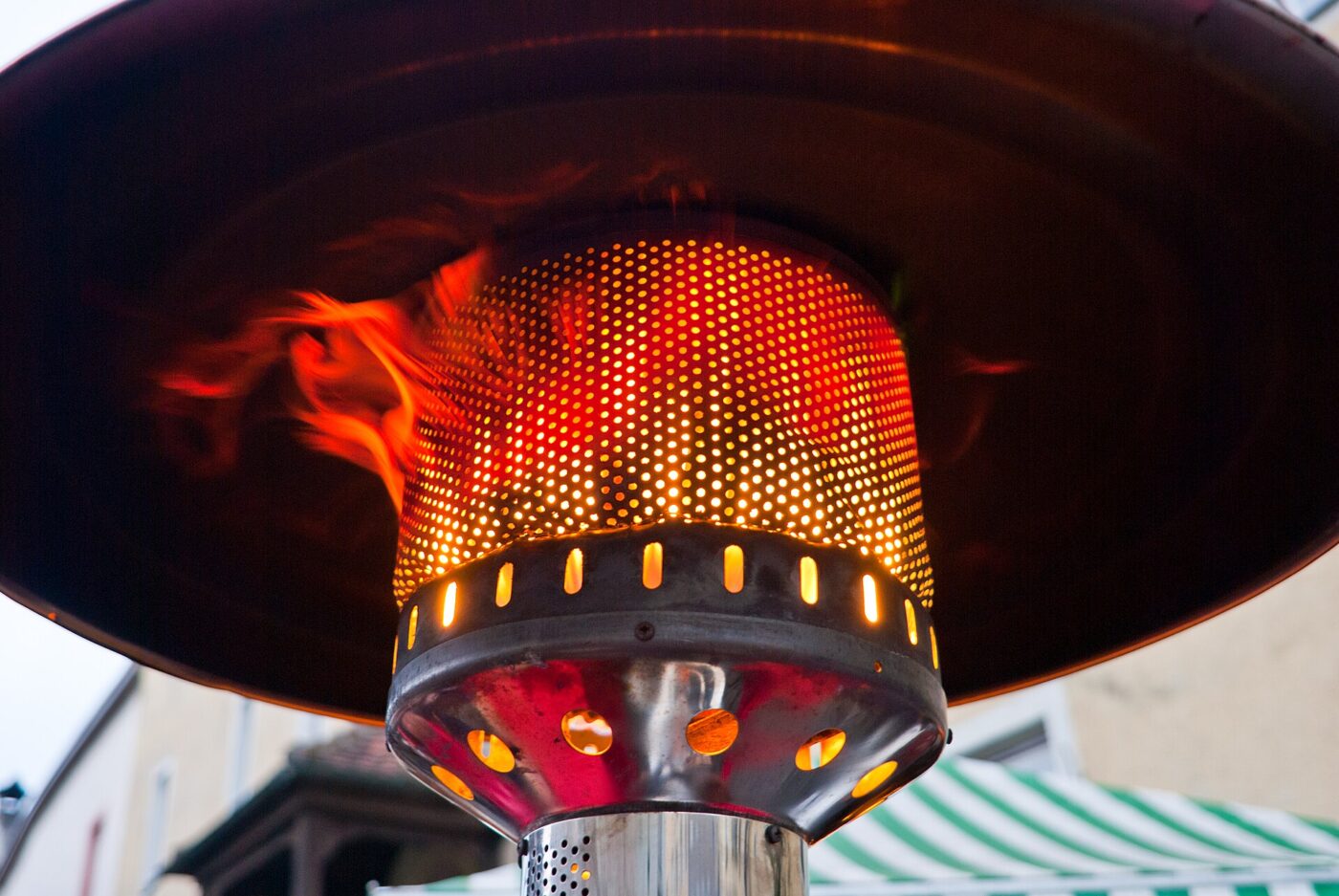
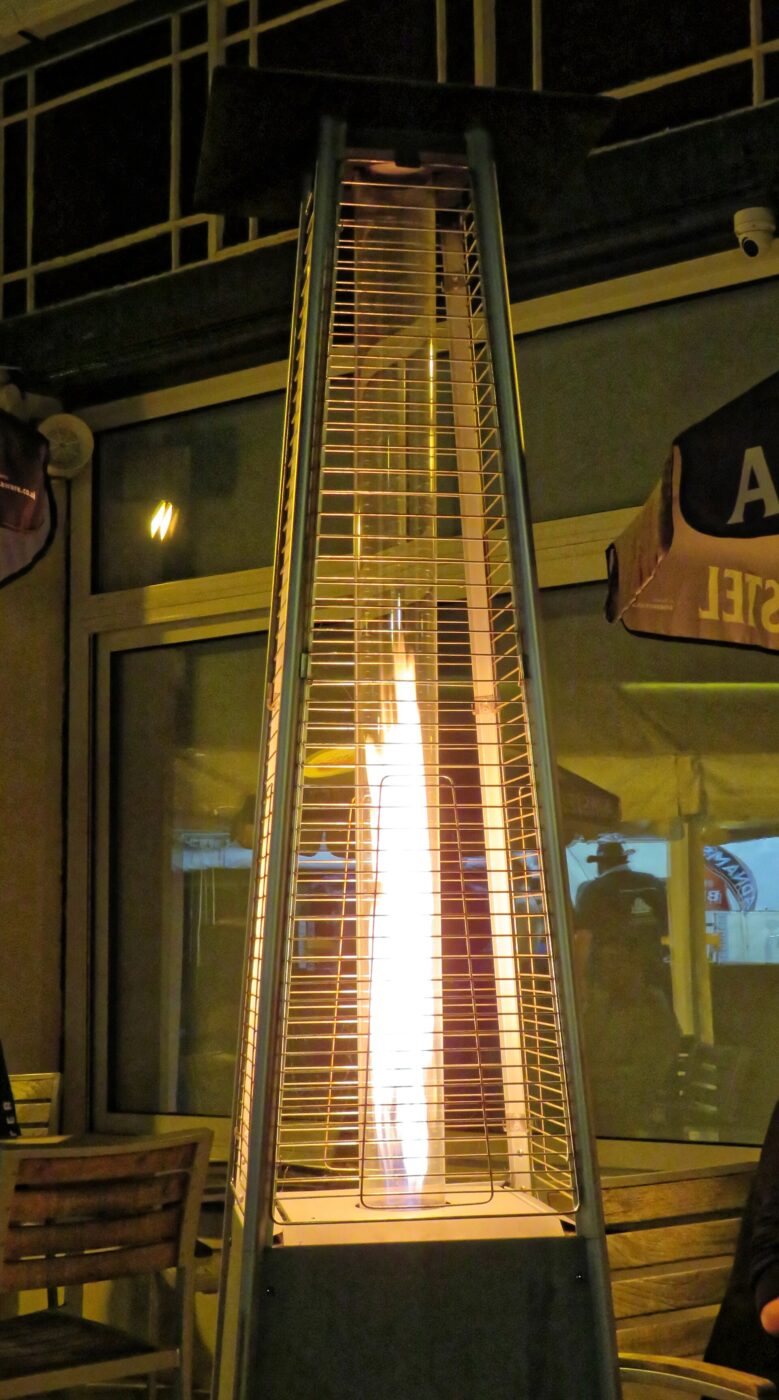
Tall gas “mushroom” heaters burn propane and radiate some heat downward from a reflector, but a large share of their output warms surrounding air — which rises and blows away.
Infrared heaters emit radiation that travels in straight lines and warms whatever it strikes: skin, clothing, furniture. Air temperature barely changes and it does not need to. That is why standing in sunshine on a cold day feels warm.
| Type | Delivers heat by | Wind sensitivity |
|---|---|---|
| Gas mushroom | Mix of radiation and warm air | High |
| Electric infrared (halogen / carbon) | Direct radiation | Low |
| Gas infrared / wall-mounted | Direct radiation | Low |
| Fire pit | Radiation from flames | Moderate, smoky |
Work out cost per hour before buying. An electric heater’s wattage in kW multiplied by your electricity price per kWh is exactly what an hour costs.
Running costs, worked out
Electric: a 1,500-watt plug-in infrared heater running for an hour uses 1.5 kWh. At the US average residential rate of about 18 cents per kWh, that is roughly 27 cents an hour, precisely and predictably. Hardwired 240-volt models draw more and cost more per hour.
Gas: a typical 40,000–48,000 BTU mushroom heater burns about 1–2 pounds of propane an hour on high. A standard 20-pound tank lasts roughly 10–20 hours depending on the setting, so at a typical refill price of $20–$30 it runs somewhere around $1–$3 an hour.
The better question than cost per hour is warmth per dollar. Because infrared warms the people directly, a smaller electric heater aimed at a seating area often feels warmer than a larger gas heater in open air.
Safety and placement
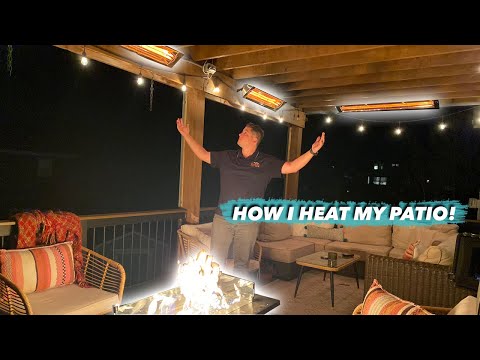
Both types have real placement rules.
- Never use gas heaters in enclosed or poorly ventilated spaces. Combustion produces carbon monoxide.
- Keep manufacturer clearances from ceilings, awnings, umbrellas and foliage — overhead clearance is where fires start.
- Tip-over shut-off is essential on freestanding heaters in wind.
- Outdoor-rated electric heaters only (UL or ETL listed for wet or damp locations), plugged directly into a GFCI-protected outdoor outlet, not an extension cord.
- Mount infrared heaters high and angled at the seating area rather than straight down.
Sizing a heater to the space
Coverage claims on the box assume still air and a heater aimed straight down. A covered patio holds warmth far better than an open deck, so the same wattage goes further under a roof or pergola.
For electric infrared, a rough rule is 100–150 watts per square foot of seating you want genuinely warm, more in exposed or windy spots. Two smaller heaters aimed across a seating group usually beat one large heater at the edge.
For propane, the BTU rating on the box is a ceiling figure reached only in still air. Wind, an open side or a high ceiling on a covered patio all cut the usable radius substantially.
- Covered patios hold heat longer, so a smaller heater does more work.
- Open decks and yards need more output and careful aim, since drafts steal effect fastest at the edges.
- Check the minimum mounting height for wall-mounted infrared before buying — low ceilings rule some models out.
Buy for the coldest, windiest night you actually plan to use the space, not the average one. Undersizing, not overpaying, is the more common complaint.
The shortlist
Paid links: we earn a commission if you buy through the buttons below, at no extra cost to you. As an Amazon Associate I earn from qualifying purchases.
Compared on warmth delivered per dollar
| Product type | Best for | Risk estimate | Where to buy |
|---|---|---|---|
| Electric Infrared Patio Heater (Wall-Mount) | Covered patios and pergolas | 28/100 | See listings on AmazonOpens Amazon search results, not one listing: check the model on the product page. |
| Propane Patio Heater | Open gardens off-grid | 52/100 | See listings on AmazonOpens Amazon search results, not one listing: check the model on the product page. |
| Electric Tabletop Infrared Heater | Portable use | 36/100 | See listings on AmazonOpens Amazon search results, not one listing: check the model on the product page. |
Risk estimate is our editorial Fear Index for the product type (lower is safer), not a customer rating. How it is scored.
Electric Infrared Patio Heater (Wall-Mount)
For a covered patio or pergola with power, this delivers the most warmth per dollar spent. Aim it at the seating, mounted high.
- Warms people directly, so wind matters little
- Predictable cost per hour
- No bottles to refill
- Needs an outdoor power supply
- Bright glow on halogen models
Propane Patio Heater
Useful where there is no power. Place it out of the wind and never under a low canopy.
- No electricity needed
- Large area of warmth in still air
- Classic look
- Much of the heat lost in wind
- Bottle refills and storage
More: Garden & Outdoor Living analyses and how the Fear Index is scored.
Questions people actually ask
Are infrared patio heaters better than gas?
For most gardens, yes. Infrared warms people and surfaces directly, so wind carries away little of the benefit. Gas mushroom heaters lose much of their output as warm air.
How much does an electric patio heater cost to run?
Its power in kW multiplied by your price per kWh. A 1.5 kW heater at 18 cents per kWh, near the US average, costs about 27 cents an hour.
How long does a propane bottle last in a patio heater?
Commonly around 10–20 hours for a standard bottle, depending on bottle size and the heat setting.
Can you use a patio heater under a gazebo?
Only if the manufacturer’s overhead clearances are met and the space is well ventilated. Never use gas heaters in enclosed spaces because of carbon monoxide.