
A Single-Stage Snow Blower Clears Pavement; a Two-Stage Throws Deep, Wet Snow
A single-stage blower scrapes pavement and can throw gravel; a two-stage clears deep, wet snow. CPSC says most injuries happen clearing a clogged chute by hand.

Part of the guide: Tools and DIY Buying Mistakes: What Fails and How to Check Before You Buy
A snow blower is bought for one driveway, one climate and one kind of snow, but the two basic designs are built for different jobs. Buying the wrong one means either scraping gravel into the yard every storm or straining a machine that was never built for eight inches of wet, cement-like snow.
The bigger risk is not the wrong machine; it is the same injury on either type. CPSC, orthopedic surgeons and the equipment industry all point at the same moment: a hand reaching into a chute or auger that looks stopped but is not.
Fear Index · Think twice
A machine that can take fingers, not just snow
A December 2023 CPSC release counted over 4,700 ER-treated snow blower injuries in the prior year, 36 percent to the wrist, hand or fingers, and says clearing the chute by hand is when most injuries happen.
How single-stage and two-stage machines move snow

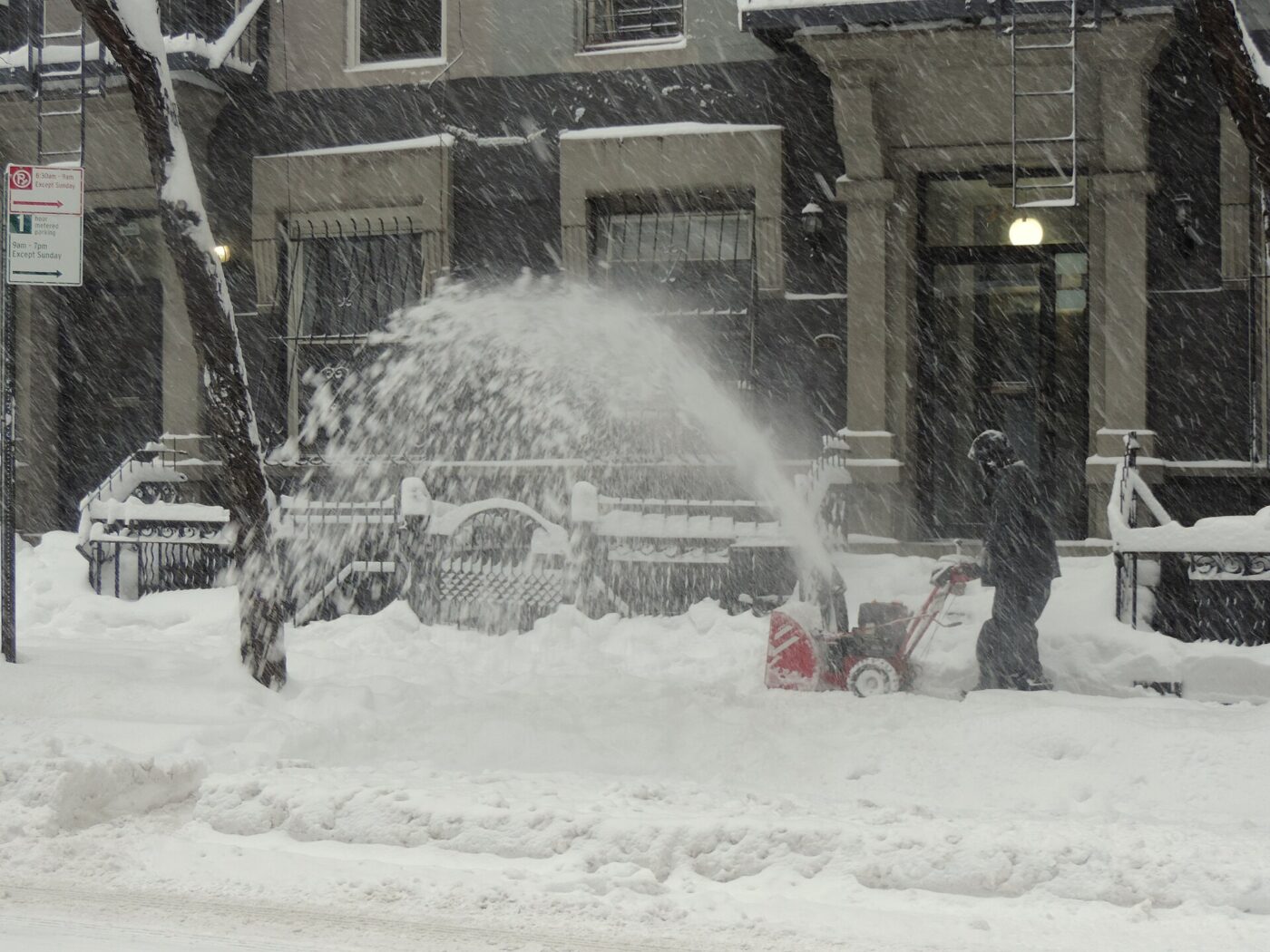
A single-stage snow blower uses one spinning auger that both picks up snow and throws it out the chute in one motion. That auger works close to the ground, which is what lets it clear a driveway down to the pavement, and also why Consumer Reports calls single-stage machines a poor choice for gravel driveways: they suck up stones along with the snow.
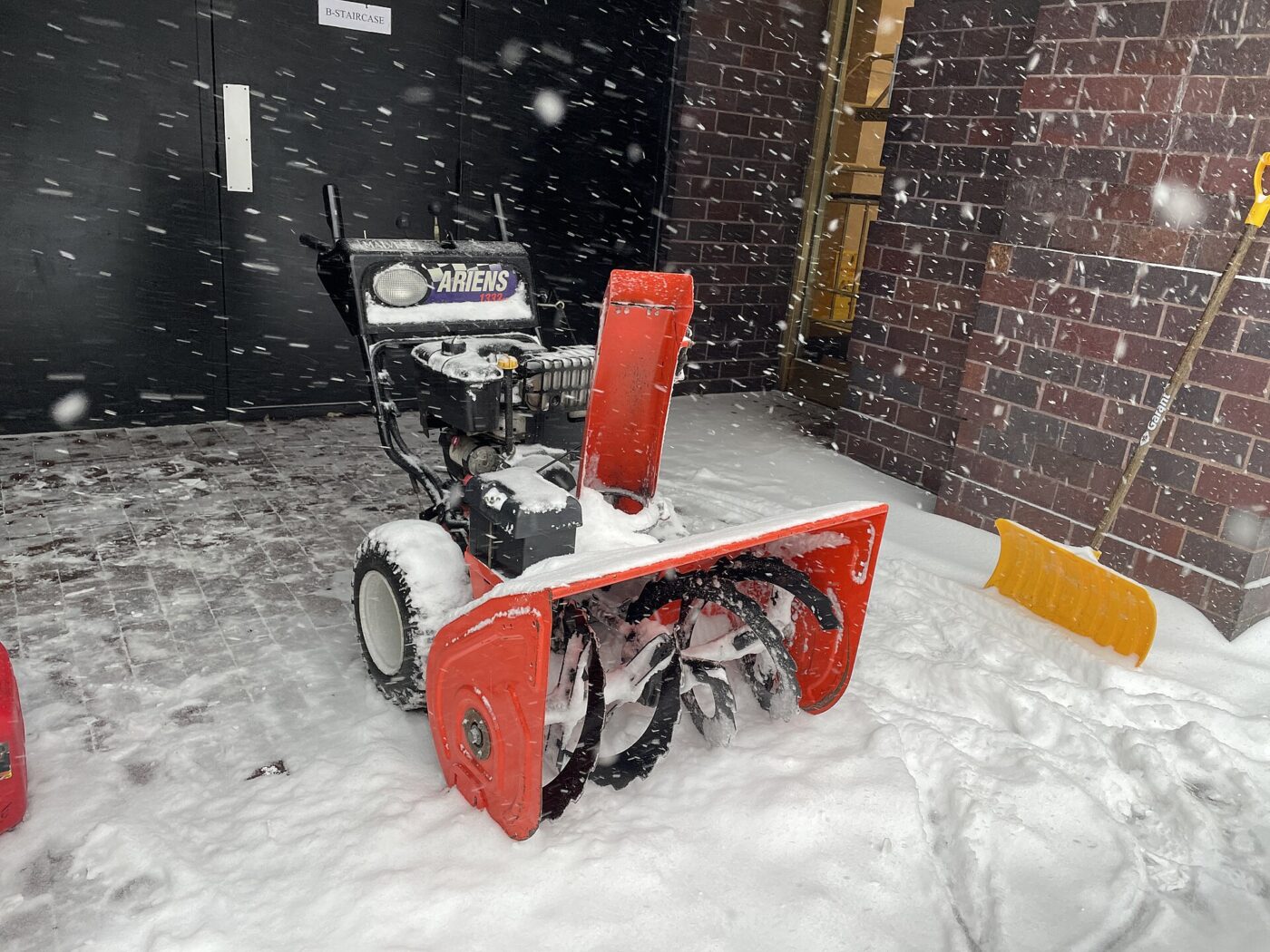
A two-stage machine separates the job: an auger breaks up and gathers the snow, and a separate impeller throws it out the chute. Because the auger on a two-stage machine does not touch the ground, Consumer Reports calls two-stage blowers best for clearing snow on gravel and describes them as suited to long, wide driveways with snow up to 16 inches deep.
That extra stage adds weight, size, storage space and price. A single-stage machine is the lighter, cheaper, easier-to-store option for someone clearing a few inches of dry snow off a paved surface; a two-stage machine is the one built for real depth, heavier snow, or a gravel or unpaved surface.
Snow depth, wet snow and gravel driveways
The practical dividing line between the two types is less about brand and more about what actually falls in a given climate. Frequent light snow on a paved driveway is squarely single-stage territory; the auger clears down to the pavement without the bulk of a two-stage machine to store the rest of the year.
Wet, heavy snow and deep snowfall are where the auger-only design runs short; Consumer Reports says a single-stage auger provides only modest pulling power and recommends single-stage machines for people who get a few inches of snow occasionally. On a two-stage machine, the auger feeds the snow to a separate impeller that throws it out the chute, which is what lets it handle more depth.
A gravel or unpaved driveway points toward a two-stage machine. Simplicity, a manufacturer, says two-stage machines suit gravel drives because they do not clean all the way to the ground, which keeps gravel out of the auger. A single-stage machine working that close to a loose surface picks up stones along with the snow.
Clogged chutes: the injury that ends in amputation
CPSC has received reports of snow-thrower injuries including finger amputations, and its safety alert on the equipment says injuries most frequently occur when people try to clear the auger, collector or discharge chute with their hands. A December 2023 CPSC news release put a number on that pattern: over 4,700 snow blower-related injuries were treated in emergency rooms the previous year, and 36 percent of those were to the wrist, hand or fingers.
The mechanism is the same on either machine type: a clog stops the snow from moving and the operator reaches in to clear it. AAOS’s orthopedic guidance warns of a brief recoil of the motor and blades after the machine has been turned off, and is blunt about the fix: never stick your hands in the snowblower; if snow jams it, stop the engine, wait more than 5 seconds, and use a solid object to clear wet snow or debris from the chute.
CPSC’s standing advice matches that exactly: stop the engine and use a long stick to unclog wet snow and debris from the machine, and do not use hands to unclog a snow thrower. The Outdoor Power Equipment Institute, the industry’s own safety voice, tells owners to keep a clean-out tool or stick ready and never put hands inside the auger or chute, always turning the machine off first.
A clean-out tool clipped to the machine is the cheapest injury prevention in this entire comparison, on either type of snow blower.
Gas and battery snow blowers
Both single-stage and two-stage machines come in gas and electric versions, and the power source is a separate decision from the stage count. Consumer Reports says the vast majority of snow blowers have gasoline engines and that those models perform best, throwing snow farther and clearing it faster, at the cost of engine upkeep and fuel storage.
Battery-powered snow blowers now come in single-stage and two-stage designs, and Consumer Reports says the two-stage battery models tend to be more effective. They need no gasoline, trading fuel for a battery that has to be sized, and sometimes swapped mid-job, to whatever area is being cleared.
Corded electric models can work up to 100 feet from the house on an extension cord, per Consumer Reports, avoiding both the fuel and the battery question; AAOS warns that a cord caught in the machine can be severed and deliver a shock.
Which machine for which driveway
A short, paved driveway in a region with a few inches of typical snowfall is a single-stage machine’s job, gas or battery, and the lighter machine is easier to store the rest of the year. A long driveway, a region with regular deep or wet snow, or any gravel or unpaved surface points toward a two-stage machine despite its extra size, weight and price.
Whichever type gets bought, the clean-out habit matters more than the purchase decision. CPSC, AAOS and OPEI are consistent on one point regardless of machine type: the engine stops before anything goes near the chute or auger, and a stick or tool goes in, not a hand. Check cpsc.gov/Recalls before buying a specific model.
The shortlist
Paid links: we earn a commission if you buy through the buttons below, at no extra cost to you. As an Amazon Associate I earn from qualifying purchases.
Compared on snowfall, surface and safety
| Product type | Best for | Risk estimate | Where to buy |
|---|---|---|---|
| Cordless Single-Stage Snow Blower (21 in) | Light snow on pavement | 20/100 | See listings on Amazon |
| Two-Stage Gas Snow Blower (24 in, Electric Start) | Deep, wet snow or gravel | 25/100 | See listings on Amazon |
| Snow Blower Clean-Out Tool | Clearing a clog safely | 4/100 | See listings on Amazon |
Risk estimate is our editorial Fear Index for the product type (lower is safer), not a customer rating. How it is scored. The buttons open Amazon search results rather than one listing, so check the model on the product page.
Two-Stage Gas Snow Blower (24 in, Electric Start)
The right choice for long driveways, gravel surfaces, or any region with regular heavy or wet snowfall.
- Auger does not touch the ground
- Impeller throws what the auger gathers
- Wheels powered by the engine
- Heavier and bulkier to store
- Costs more than smaller models
Snow Blower Clean-Out Tool
CPSC, AAOS and OPEI all give the same instruction: stop the engine and clear a clog with a tool, never a hand. This is that tool.
- Removes the reason to reach in by hand
- Works on single-stage and two-stage machines
- Matches CPSC, AAOS and OPEI advice
- Only helps if it is actually used
- Easy to lose without a clip or holder