
Greenhouse Glass Lets In More Light. Polycarbonate Keeps In More Heat.
Glass transmits more light and lasts decades. Twin-wall polycarbonate insulates better and does not shatter. Which suits your garden.

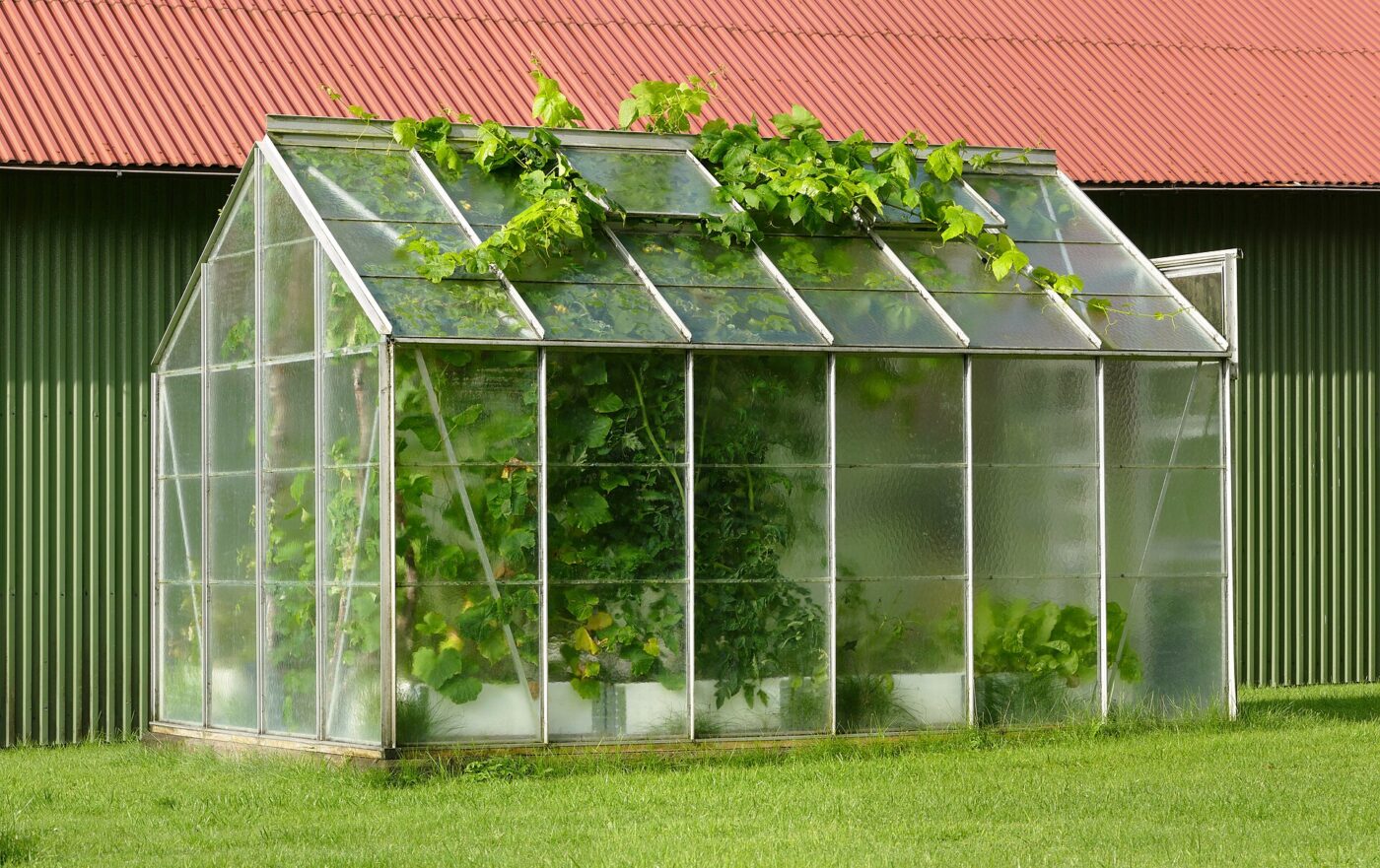
A greenhouse buyer usually frames glazing as a quality question — glass as the proper option, plastic as the budget one.
It is really a trade between light and warmth, and the right answer depends on climate, what you grow and whether children play nearby.
Fear Index · Think twice
A trade-off sold as an upgrade
The costly failures are structural: a lightweight greenhouse on no foundation lifting in a storm, not the glazing choice itself.
Light against insulation
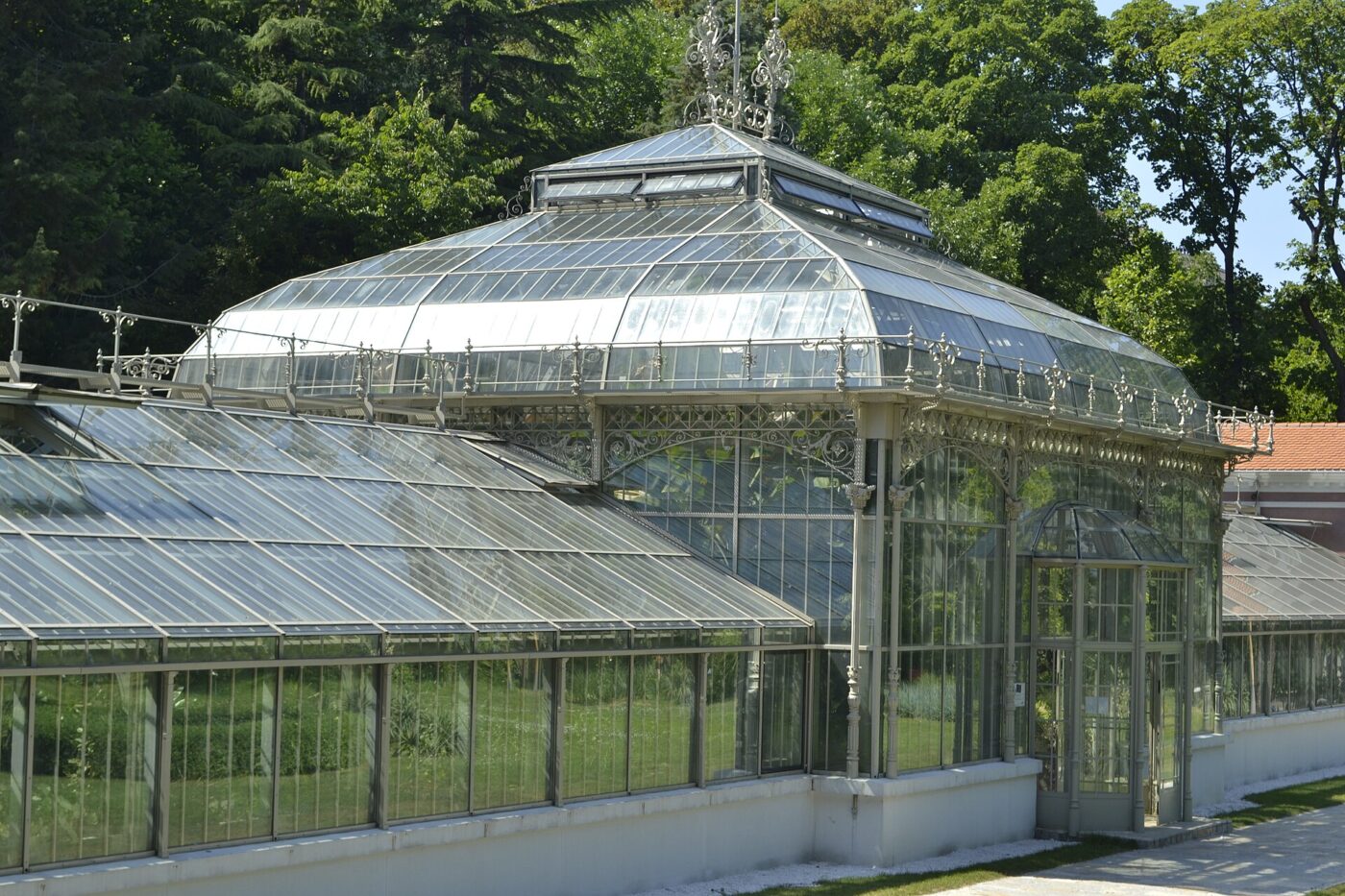
Plants grow on light. Glass transmits a very high proportion of it and stays clear for decades.
Twin-wall polycarbonate has an air gap between two skins, which roughly doubles its insulating value compared with single glass. That keeps a greenhouse warmer overnight and cuts heating costs in cold regions.
The air gap and texture also diffuse light, spreading it evenly and reducing hot spots that scorch leaves. For raising seedlings in spring, diffused light is often a benefit rather than a compromise.
| Glazing | Light | Insulation | Breakage |
|---|---|---|---|
| Horticultural glass | Highest | Lowest | Shatters into shards |
| Tempered glass | Highest | Lowest | Breaks into small granules |
| Twin-wall polycarbonate | Slightly lower, diffused | Much higher | Does not shatter |
| Single polycarbonate / acrylic | High | Low | Does not shatter, can crack |
With children or dogs around, tempered glass or polycarbonate rather than standard horticultural glass. Horticultural glass breaks into large sharp pieces.
Frames, foundations and wind

The most expensive greenhouse failure is not glazing. It is a lightweight aluminum greenhouse without a proper base, lifted or twisted by a storm.
- Build on a base. A timber or concrete base, level and square, with the greenhouse anchored to it.
- Use a base kit with ground anchors on lighter models.
- Glazing clips on aluminum frames work loose over time; spring clips and W-clips should be checked each fall.
- Shelter matters. A site out of the prevailing wind, but still in full light, protects the structure.
How long each lasts
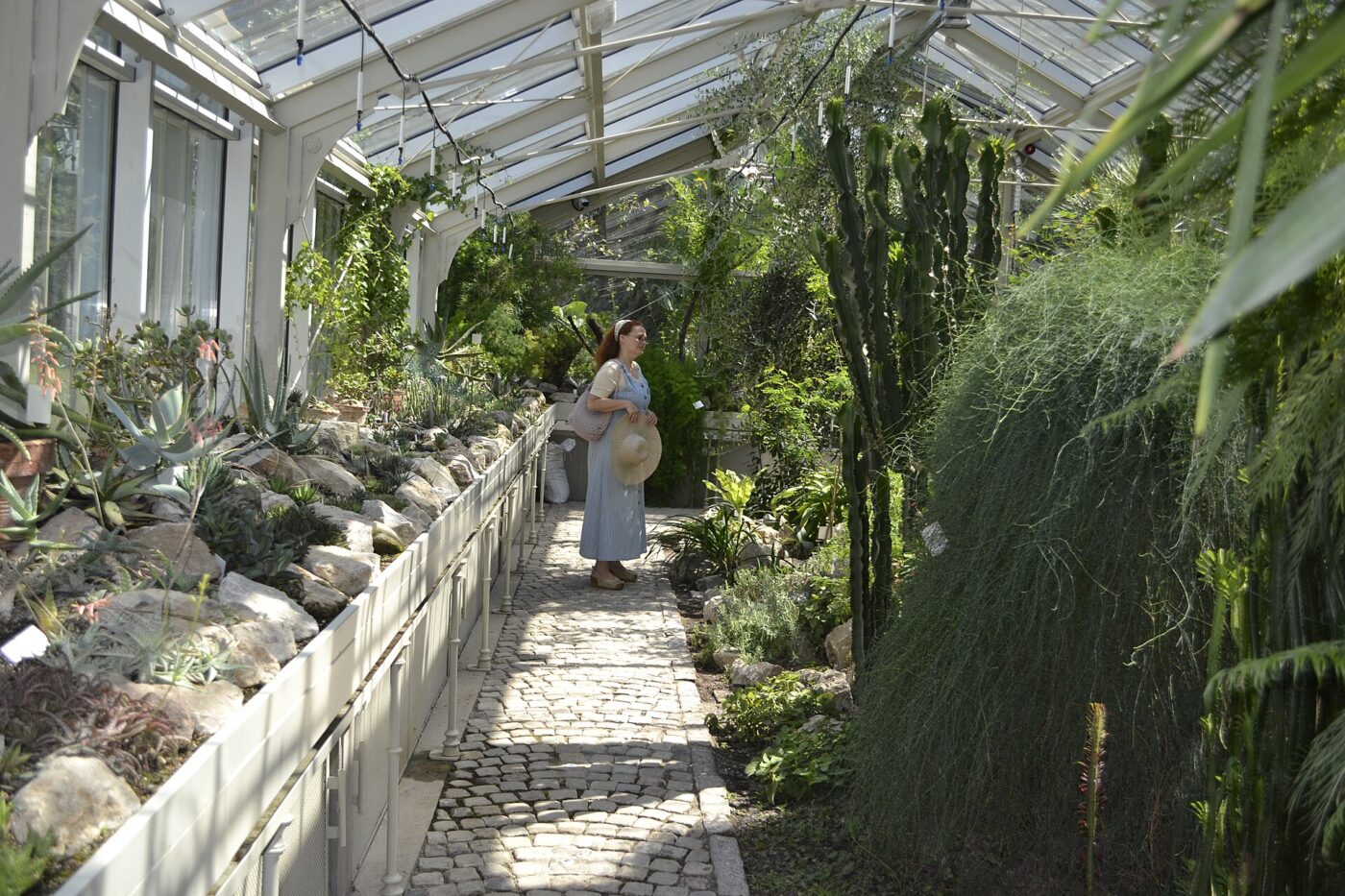
Glass does not degrade from sunlight. A glass greenhouse lasts as long as its frame and putty or clips, which is decades.
Polycarbonate is UV-treated on one face. Good sheets last many years; cheap sheets, or sheets installed with the UV face inwards, yellow and become brittle much sooner. Check the printed protective film and install that face outwards.
For a garden in a cold region where heating costs matter, polycarbonate often pays back through warmth. For a sunny site and a long horizon, glass remains the classic choice.
Ventilation matters as much as glazing
Both glass and polycarbonate trap heat once the sun is on them. On a still, sunny day either material can push interior temperatures well above what most plants tolerate within an hour of full sun.
Roof vents that open automatically with a wax-cylinder actuator need no power and are the most reliable fix, since they respond even when nobody is home. Louvered side vents and a door left ajar help but depend on someone remembering.
Shade cloth rated for roughly 30–50% shading, added for summer only, cuts the peak heat load on the glazing itself and extends its working life regardless of which material you chose.
Budget for at least one automatic roof vent before spending more on the glazing upgrade. A greenhouse that overheats on the first hot day is not saved by better glass.
The shortlist
Paid links: we earn a commission if you buy through the buttons below, at no extra cost to you. As an Amazon Associate I earn from qualifying purchases.
Compared on glazing
| Product type | Best for | Risk estimate | Where to buy |
|---|---|---|---|
| Twin-Wall Polycarbonate Greenhouse Kit | Cold climates, children | 32/100 | See listings on AmazonOpens Amazon search results, not one listing: check the model on the product page. |
| Tempered Glass Greenhouse | Maximum light, decades of life | 30/100 | See listings on AmazonOpens Amazon search results, not one listing: check the model on the product page. |
| Mini Walk-In Greenhouse | Seed starting; anchor it down | 48/100 | See listings on AmazonOpens Amazon search results, not one listing: check the model on the product page. |
Risk estimate is our editorial Fear Index for the product type (lower is safer), not a customer rating. How it is scored.
Twin-Wall Polycarbonate Greenhouse Kit
The right glazing where overnight warmth and safety matter. Build it on a proper anchored base.
- Twin-wall insulates far better than glass
- Does not shatter near children
- Diffused light reduces scorching
- Slightly less light transmission
- Sheets can yellow if cheap or reversed
Tempered Glass Greenhouse
The traditional choice for a sunny garden and a long horizon. Choose tempered rather than horticultural glass if anyone plays nearby.
- Highest light for growing
- Does not yellow with age
- Breaks into granules rather than shards
- Loses heat faster at night
- Heavy, needs a solid base
More: Garden & Outdoor Living analyses and how the Fear Index is scored.
Questions people actually ask
Is glass or polycarbonate better for a greenhouse?
Glass transmits more light and lasts longer. Twin-wall polycarbonate insulates much better and does not shatter. The right choice depends on climate, what you grow and safety needs.
Does polycarbonate block too much light for plants?
It transmits slightly less and diffuses it, which spreads light evenly and reduces scorching. For most home growing, especially seedlings, that is fine or beneficial.
Is tempered glass worth it in a greenhouse?
If children or pets are nearby, yes. It breaks into small granules rather than the large sharp shards of horticultural glass.
Does a greenhouse need a base?
Yes. A level, anchored base is what stops lightweight greenhouses lifting or twisting in storms, which is the most expensive common failure.