
A String Trimmer Is a Line Feed Mechanism With a Motor Attached
Motor power is rarely the problem with a string trimmer. The head — how it feeds line and how easily it is reloaded — is what you live with.


On this page 4 sections
Part of the guide: Tools and DIY Buying Mistakes: What Fails and How to Check Before You Buy
String trimmers are compared on voltage, motor size and cutting width. Those matter at the margins. What decides whether the tool is pleasant to use is the head.
Everything that goes wrong with a string trimmer goes wrong there: line that will not advance, line that snaps repeatedly, a spool that has welded into a solid lump, and a reload that requires the manual.
Fear Index · Think twice
The annoyance is in the head, not the motor
A tool that works perfectly for twenty minutes and then needs disassembling in a hedge is a tool that gets used once a season.
Three feed mechanisms
Each trades convenience against reliability, and the differences show up within the first hour.
| Type | How it works | Failure mode |
|---|---|---|
| Bump feed | Tap the head on the ground to release line | Line welds inside the spool; spring pops out on reload |
| Automatic | Sensor releases line when it shortens | Feeds too eagerly and wastes line |
| Fixed line | Pre-cut lengths slot in individually | None — you simply fit another piece |
Fixed-line heads are the unglamorous answer. There is no spool, no spring and no winding, and a replacement line takes about ten seconds.
Why line welds itself together

Nylon line on a spool is under tension and rubbing against adjacent turns. Friction generates heat, and nylon softens well below the temperature the head reaches on a hot day. Adjacent turns fuse, and the bump mechanism then cannot pull line out however hard you tap.
Two things reduce it. Winding the line neatly and not too tightly, in even layers rather than crossing over itself. And soaking spare line in water for a day before use — nylon absorbs a little moisture, which keeps it supple and less prone to both welding and snapping.
Store spools of line in a sealed container with a damp cloth. Line that has sat in a dry garage for two years is brittle and will break constantly.
Line shape and diameter
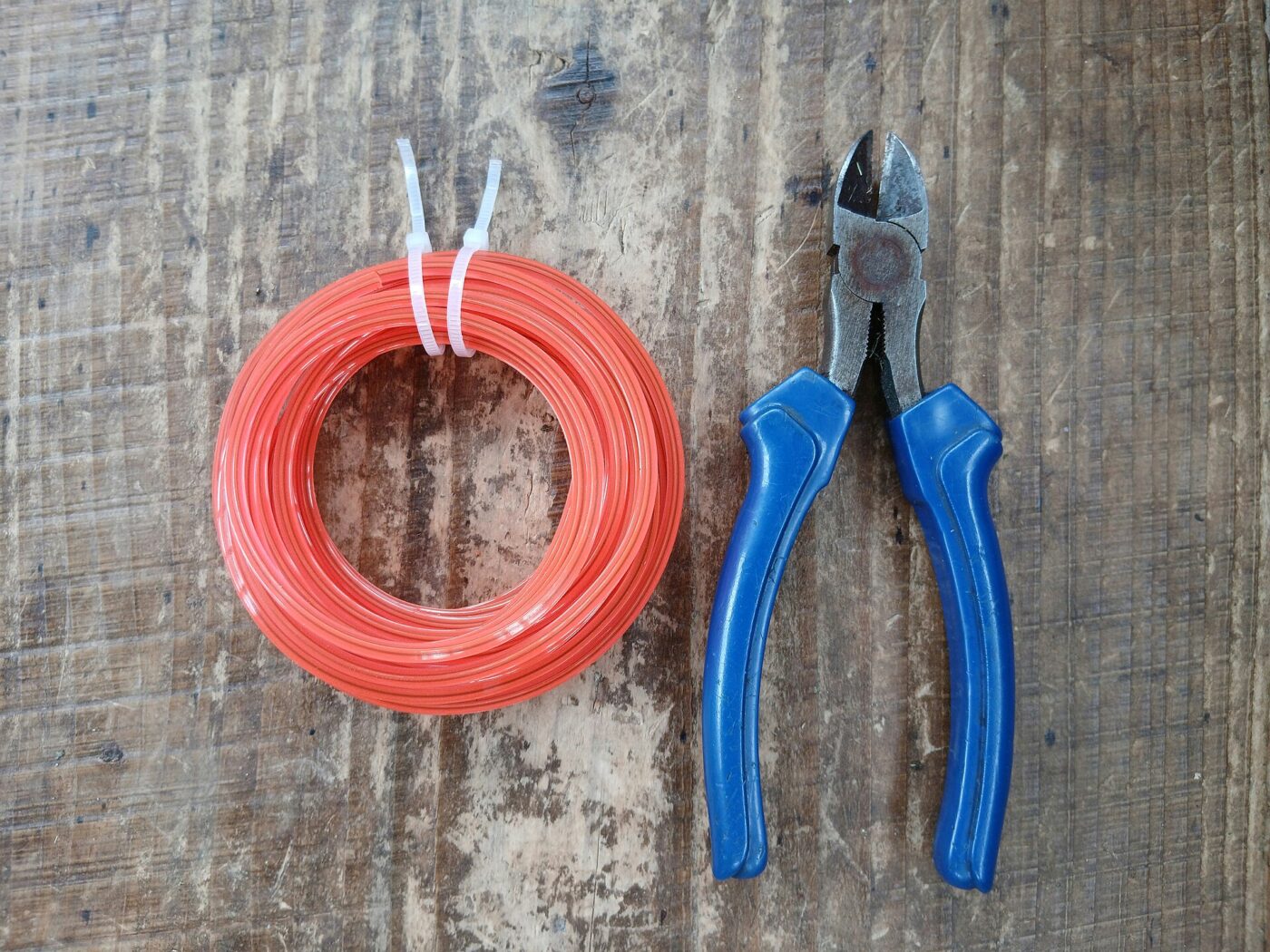
Line is sold round, square, twisted and star-shaped. The non-round profiles have edges and cut noticeably better in thick growth; they also wear faster.
- Round is most durable and least aggressive — fine for grass edges.
- Square or star cuts woody weeds far better.
- Diameter must match the head. Too thick and it will not feed; too thin and it snaps constantly.
- Check the manual for the maximum, and use the thickest the head accepts for heavy work.
- Remove the battery or disconnect the spark plug wire before opening or reloading the head, and wear eye protection when trimming.
The shortlist
Paid links: we earn a commission if you buy through the buttons below, at no extra cost to you. As an Amazon Associate I earn from qualifying purchases.
Compared on the head, not the motor
| Product type | Best for | Risk estimate | Where to buy |
|---|---|---|---|
| Cordless String Trimmer | Light yard work | 30/100 | See listings on AmazonOpens Amazon search results, not one listing: check the model on the product page. |
| Fixed-Line Trimmer Head | Least fiddling | 16/100 | See listings on AmazonOpens Amazon search results, not one listing: check the model on the product page. |
| Square Profile Trimmer Line | Heavy growth | 14/100 | See listings on AmazonOpens Amazon search results, not one listing: check the model on the product page. |
Risk estimate is our editorial Fear Index for the product type (lower is safer), not a customer rating. How it is scored.
Fixed-Line Trimmer Head
Retrofitting one of these to an existing gas trimmer is often the best $30 you can spend on yard tools.
- Nothing to wind, no spring to lose
- Cannot weld together
- Replacement takes seconds
- Uses slightly more line
- Not available for every machine
Square Profile Trimmer Line
Soak a spool for a day before loading it. Supple line welds less and snaps far less often.
- Edges slice woody stems that round line skates off
- Noticeably faster in heavy growth
- Wide diameter range
- Wears faster than round
- Must match the head’s maximum diameter
More: Garden & Outdoor Living analyses and how the Fear Index is scored.
Questions people actually ask
Why won’t my string trimmer line feed?
The line has usually welded to itself inside the spool. Friction heat softens nylon enough for adjacent turns to fuse, and the bump mechanism cannot then pull it free.
How do you stop trimmer line welding?
Wind it neatly in even layers without crossing, and soak spare line in water for a day before use. Nylon absorbs a little moisture, which keeps it supple.
Is fixed line better than bump feed?
For reliability, clearly. There is no spool, spring or winding, so there is nothing to jam. It uses slightly more line, which is a small price.
What trimmer line shape is best?
Round is most durable and suits grass. Square and star profiles have cutting edges and work much better on woody weeds, at the cost of faster wear.