
You Are Not Buying a Drill. You Are Buying a Battery Platform.
The drill is the cheap part. Choosing a cordless drill means committing to a battery system for a decade — here is how to choose the system first.

Part of the guide: Tools and DIY Buying Mistakes: What Fails and How to Check Before You Buy
Walk into the tool aisle and the comparison on offer is between drills. Torque figures, chuck sizes, brushless or brushed, how many clutch settings.
That is the wrong comparison, and it is wrong in a way that costs real money over ten years. The drill is the cheap, replaceable part. What you are actually choosing — irreversibly, in practice — is a battery platform.
Fear Index · Think twice
The decision you did not know you were making
The tool rarely disappoints. The lock-in does, when you discover two years later that the tool you now want costs twice as much on your platform.
Why the battery is the real purchase
Every cordless tool brand uses a proprietary battery interface. A DeWalt pack does not fit a Makita tool, a Makita pack does not fit a Ryobi tool, and no manufacturer has any incentive to change that. There are third-party adapters; they bypass the communication between pack and tool that manages current limits, add overload and fire risk, and any damage they cause is unlikely to be covered by warranty.
The consequence compounds. Buy a drill on a platform, and the next tool you need — a driver, a sander, a circular saw, a string trimmer — is cheapest on that same platform, because you buy it bare and use the batteries you already own. A bare tool typically costs a fraction of the kitted price.
After the first purchase, every subsequent tool decision has already been made for you. Choose the platform as if you are choosing it for ten years, because you are.
How to choose a platform

Only one question really matters: what is the widest tool you might plausibly want on this platform in five years, and does it exist?
- Occasional household DIY, no yard. Almost any mainstream platform works. Optimize for price.
- DIY plus a yard. This is where platforms separate sharply. Some have deep outdoor ranges — mowers, string trimmers, blowers, hedge trimmers — on the same battery. Others do not, and you end up with two chargers and two sets of packs.
- Serious renovation or trade use. The professional platforms have the tools that do not exist elsewhere, and a service network that will repair rather than replace.
Before committing, open the retailer listing for the platform you are considering and read the whole tool range. Not the marketing page — the actual list of what is sold bare on that battery. That list is the purchase.
Brushless: worth it, but not on everything
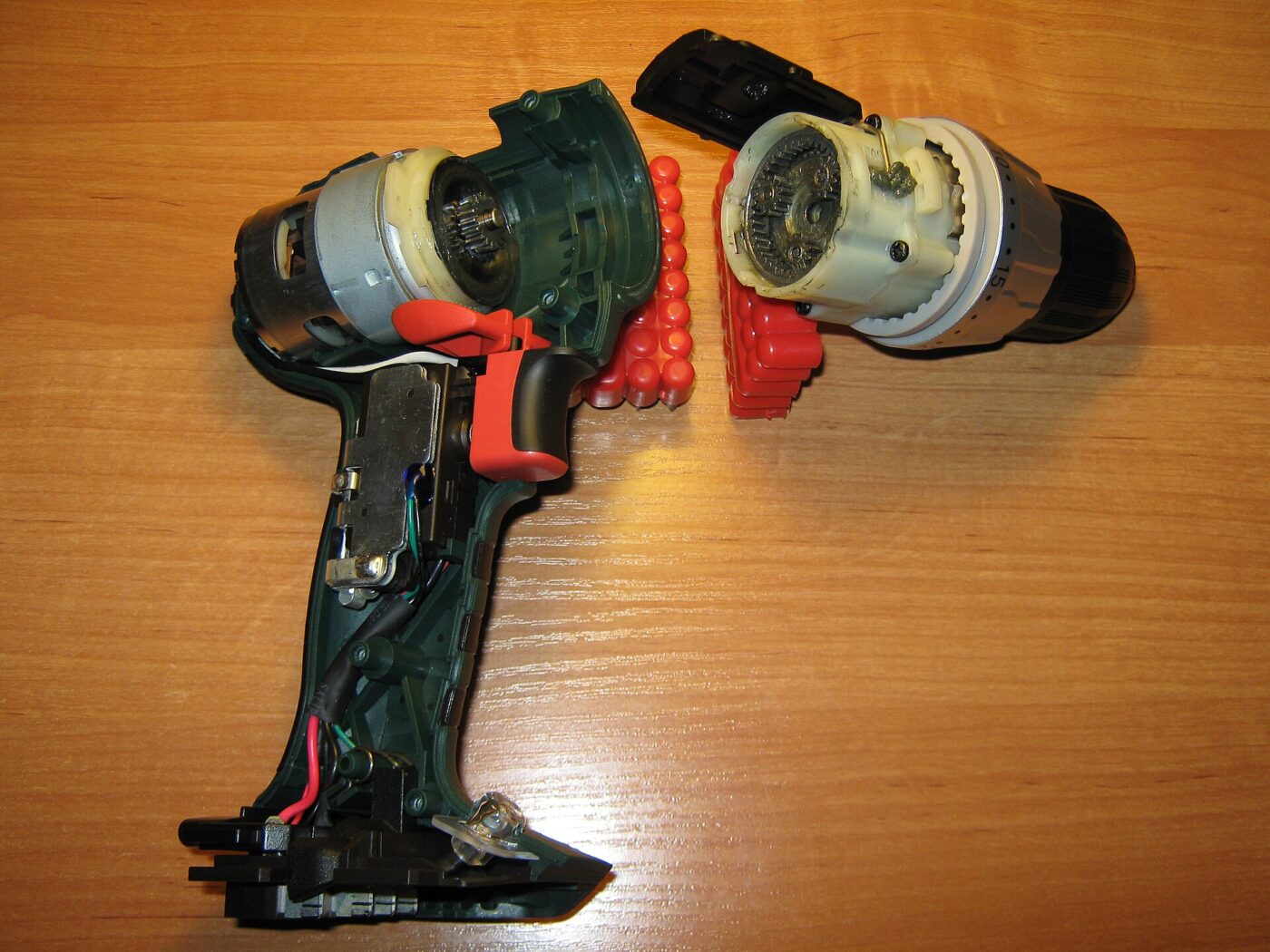
A brushless motor replaces the carbon brushes and mechanical commutator of a conventional motor with electronic switching. That removes the main wear part, reduces heat, and improves efficiency — which means more work per battery charge and a motor that does not gradually lose power as brushes wear down.
On a tool you run hard and continuously — a circular saw, an impact driver building a deck — the difference is real and worth paying for. On a drill used for a dozen holes a month, the brushes will outlast your interest in the tool, and the premium buys you very little.
Our general rule: brushless on anything with a blade, brushless on an impact driver if you do real work, brushed is fine on a light-duty household drill.
The battery specifications that matter
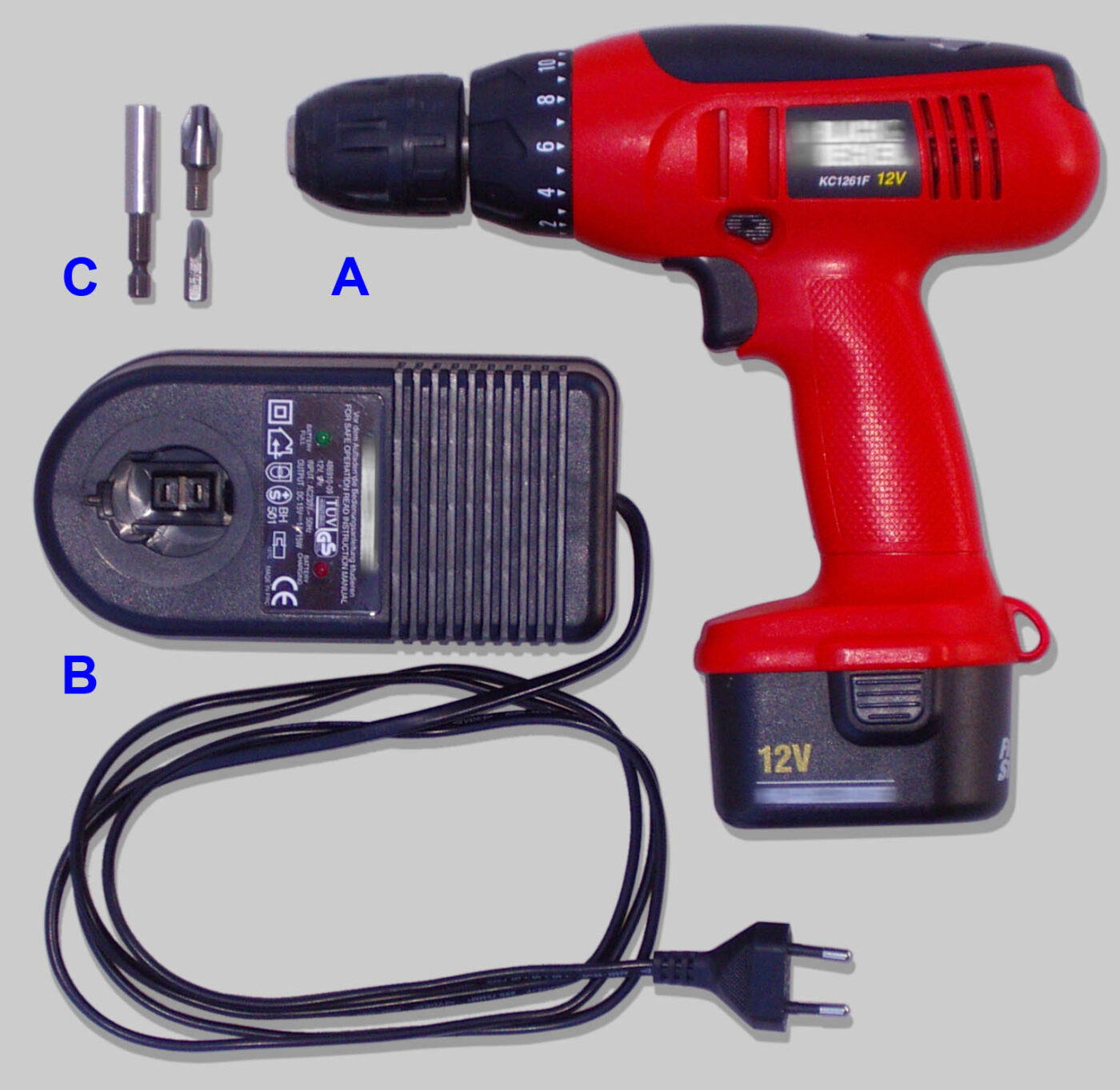
Two numbers appear on every pack, and they mean different things.
- Voltage (18V, 20V MAX, 12V). Roughly, the power ceiling. Note that “20V MAX” and “18V” describe the same class of pack measured differently — 20V is the peak with no load, 18V the nominal working voltage. They are a marketing difference, not a performance one.
- Amp-hours (2.0Ah, 4.0Ah, 5.0Ah). Capacity — how long it runs before recharging. Higher Ah packs are heavier and slower to charge, which matters more than people expect on overhead work.
The practical answer for most households is two smaller packs rather than one large one. You are almost never limited by runtime; you are limited by having a dead battery and no spare.
The shortlist
Paid links: we earn a commission if you buy through the buttons below, at no extra cost to you. As an Amazon Associate I earn from qualifying purchases.
Compared on platform depth, not on torque figures
| Product type | Best for | Risk estimate | Where to buy |
|---|---|---|---|
| DeWalt DCD777C2 20V MAX Brushless Drill/Driver Kit | Deep all-purpose tool range | 29/100 | See listings on AmazonOpens Amazon search results, not one listing: check the model on the product page. |
| Makita XFD131 Brushless Drill Kit | Professional tool range | 26/100 | See listings on AmazonOpens Amazon search results, not one listing: check the model on the product page. |
| Ryobi ONE+ HP Brushless Drill | Yard tools on the same pack | 44/100 | See listings on AmazonOpens Amazon search results, not one listing: check the model on the product page. |
Risk estimate is our editorial Fear Index for the product type (lower is safer), not a customer rating. How it is scored.
DeWalt DCD777C2 20V MAX Brushless Drill/Driver Kit
A broad platform. Before buying, check that the tools you expect to add later, including any yard tools, are sold bare for it.
- Brushless motor
- Kit includes two batteries and a charger
- Large range of tools on the same pack
- Packs do not fit other brands’ tools
- Check the yard-tool range before committing
Makita XFD131 Brushless Drill Kit
Worth a look if the tools you plan to add are professional-grade. Compare the bare-tool list for the jobs you actually do before choosing it.
- Brushless motor
- Large professional tool range on 18V LXT
- This kit ships with one 3.0Ah battery, so budget for a second
- Packs do not fit other brands’ tools
Ryobi ONE+ HP Brushless Drill
A strong fit for a homeowner with a yard: one battery system covering drill, string trimmer, mower and blower. In our judgment that matters more in practice than a better drill.
- Drill, string trimmer, mower and blower on the same pack
- Ryobi states ONE+ packs fit ONE+ tools across generations
- Check whether the specific tool you want is brushless
- Compare pack prices before committing
Looking after the batteries
- Do not store packs fully discharged. A deeply discharged lithium pack left for months can drop below the voltage at which a charger will accept it, and then it is scrap.
- Do not leave them in a cold shed over winter, or a hot car in summer. Both extremes age cells, and charging a very cold pack damages it.
- Store around half charge if a tool is going unused for a season.
- Let a hot pack cool before charging. Most chargers will refuse anyway; forcing it through a cheap third-party charger is how packs die early.
More: Tools and DIY analyses and how the Fear Index is scored.
Questions people actually ask
Can I use one brand of battery on another brand of tool?
Not properly. Interfaces are proprietary, and third-party adapters bypass the communication between pack and tool that limits current and add fire risk. Damage they cause is unlikely to be covered by either brand’s warranty.
Is 20V actually more powerful than 18V?
No. They describe the same class of battery measured differently — 20V is the peak voltage with no load, 18V the nominal working voltage. It is a labeling convention, not a performance difference.
Is a brushless drill worth the extra money?
On tools you run hard and continuously, yes — more work per charge and no brushes to wear out. On a drill used occasionally around the house, the brushes will outlast your interest in the tool.
Should I buy one big battery or two small ones?
Two smaller packs, for most people. Runtime is rarely the constraint; having a dead battery and no spare is. Larger packs are also heavier, which matters on overhead work.