

Tools and DIY Buying Mistakes: What Fails and How to Check Before You Buy
Tools rarely fail the way their packaging suggests. A ladder rating gets read as a body-weight limit, a stud finder’s beep gets read as a stud, and a drill is compared on torque when the battery platform is the decision that lasts ten years.
Each guide here is built from manufacturer manuals, OSHA, NIOSH, CPSC, FDA and standards bodies, with sources listed at the end. We do not test products hands-on. The sections group them by failure mode: misread ratings, the wrong spec, instruments that mislead, invisible exposure and setup.
Load, safety and output ratings people misread
A rating describes a specific load, energy level or test condition. Read it as a general promise and the margin you thought you had can disappear.
- The Ladder Rating Includes You, Your Tools and What You Are CarryingA duty rating covers you plus clothing, tools and materials; Type IA at 300 lb is the sensible DIY default.
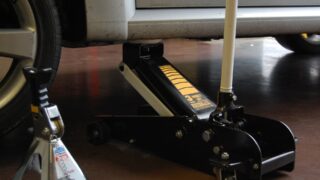
- A Jack Lifts a Car. It Does Not Hold One Up.A hydraulic jack holds load on a seal that can leak; stands carry the car, and a '3 ton' pair means 3,000 lb per stand.
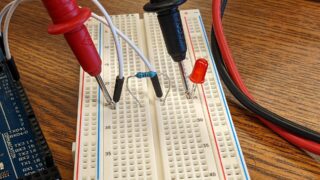
- The Safety Rating on a Multimeter Matters More Than Its AccuracyA CAT rating describes survivable transient energy; CAT III 600 V with an independent certification mark is the minimum for panel and fixed-wiring work.
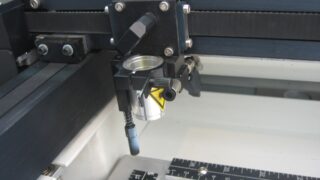
- A 20-Watt Diode Laser Engraver Is a Class 4 Laser, and the Glasses in the Box May Not Match ItA hobby diode engraver's raw beam is routinely FDA Class 4, and eyewear protects only if rated for that exact wavelength and optical density.
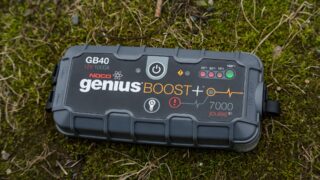
- Peak Amps on a Jump Starter Is the Number That Means LeastPeak amps is unstandardized; cranking amps and stored energy predict whether a car starts, and lithium packs need recharging every three to six months.
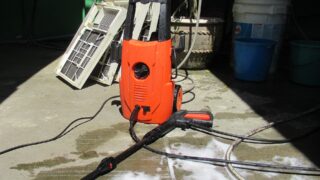
- PSI Sells Pressure Washers. GPM Is What Cleans.PSI loosens dirt and GPM carries it away; compare cleaning units (PSI × GPM) and check your faucet can supply the rated flow.

Buying the motor when the blade, head or battery decides
Tool listings lead with motor power. The part that decides the result, and the cost over ten years, is usually attached to the motor rather than inside it.
- You Are Not Buying a Drill. You Are Buying a Battery Platform.Battery packs are proprietary, so the first cordless tool commits you to a platform; read its full bare-tool range, especially yard tools, before choosing.
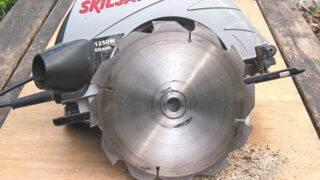
- The Blade Does the Cutting. The Saw Just Turns It.A better blade improves a cut more than a better saw: about 24 teeth for fast rips, 60 for clean crosscuts and sheet goods.
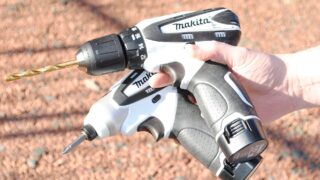
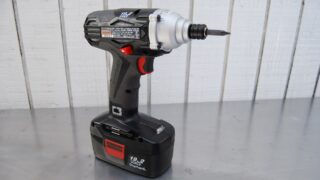
- A Drill and an Impact Driver Are Not the Same Tool TwiceA drill's clutch suits holes and small screws; an impact driver's rotational blows sink long screws, and standard bits can shatter in one.
- A String Trimmer Is a Line Feed Mechanism With a Motor AttachedBump-feed heads jam when friction welds the line; fixed-line heads cannot jam, though many battery trimmers cannot take one.
- On a Mini Wood Lathe, Speed Control Matters More Than the Motor, Because Blanks Can Fly OffUnbalanced blanks cause most serious lathe injuries, so variable speed and a Z87.1 face shield over safety glasses matter more than horsepower.


Instruments that report a proxy, or drift out of true
A beep, a code or a click feels like an answer. These guides explain what the instrument actually measures and how to check it.
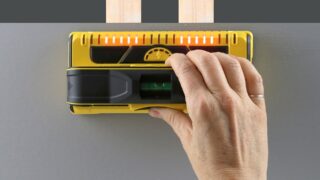
- Stud Finders Do Not Find Studs. They Find Density Changes.Capacitive stud finders detect density, so pipes and cables can read as studs; a magnet that finds the fasteners is much harder to fool.
- A Cheap OBD2 Scanner Reads the Code, Not the CauseGeneric OBD2 codes point to a system, not a failed part, and ABS, airbag and transmission modules often need an enhanced scanner.
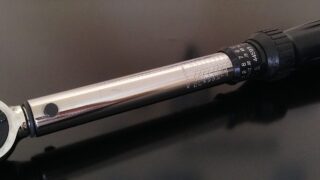
- A Torque Wrench Left on Setting Goes Out of Calibration in a DrawerA click wrench stored wound up can take a set, click early and under-tighten; wind it back to its lowest setting after every use.

Dust, fumes and what reaches your body
Workshop exposure is often invisible: fine dust, flux smoke, uncured resin or what migrates from a print. These guides cite OSHA, NIOSH, CDC and FDA on each.
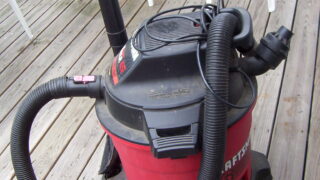
- A Shop Vac Without the Right Filter Redistributes Dust Into the RoomStandard cartridge filters pass fine dust; drywall and concrete need a fine or HEPA filter plus a bag, and cutting masonry releases silica.
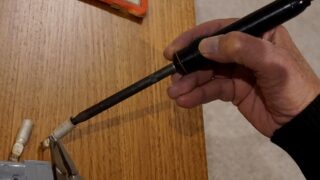
- Leaded Solder’s Main Risk Is on Your Hands; the Smoke You See Is Mostly FluxLead exposure at the bench comes mainly from hands and habits; the visible plume is rosin flux, which NIOSH has linked to irritation.
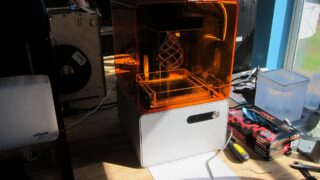
- Resin Printing Is a Chemistry Hobby That Happens to Make ModelsUncured resin is a cumulative skin and respiratory sensitizer; wear nitrile gloves, vent to outside and cure all waste solid before disposal.
- PLA Can Be Food-Contact Grade on the Spool and Still Unsafe as a Printed CupFDA authorizes food-contact substances one at a time, so a food-safe spool does not cover colorants, layer lines or the printed cup.
Setup, mounting and maintenance that decide the result
A sound tool or appliance can still fail because of what it is bolted to, vented through or never maintained. The fixes are usually cheap.
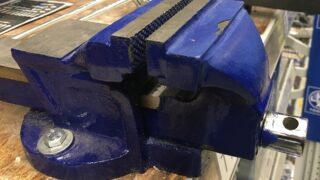
- The Vise Is Fine. It Is the Bench That Moves.A vise sends every force into the bench: mount it over a leg, bolt through with lock nuts, and add mass to a light bench.
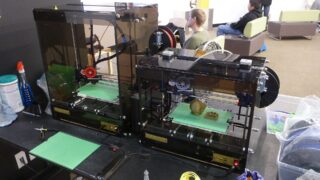
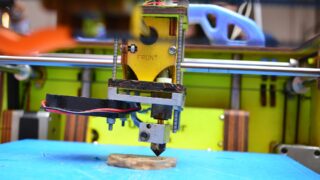
- Many 3D Printing Failures Start at the First LayerFirst-layer nozzle height decides adhesion more than any other setting; a textured PEI plate holds PLA and PETG, and fingerprint grease causes sudden failures.
- A Blunt Mower Blade Tears Grass, and the Lawn Turns Brown at the TipsA blunt blade tears grass into frayed brown tips; sharpen once or twice a season, always balance it, and disconnect the spark plug first.
- An EPA-Certified Wood Stove Still Needs a Chimney Sized and Lined for ItEPA certification rates the stove's emissions, not the chimney; size a stainless liner to the stove's collar and inspect the system yearly.


Every analysis here is built from published standards, manufacturer documents, regulator data and recall notices, and links its sources. None of it is hands-on testing. See our evidence standards.