
Peak Amps on a Jump Starter Is the Number That Means Least
Peak amps is an unstandardised instantaneous figure. Cranking amps and capacity in watt-hours tell you whether it will actually start a car.

Part of the guide: Tools and DIY Buying Mistakes: What Fails and How to Check Before You Buy
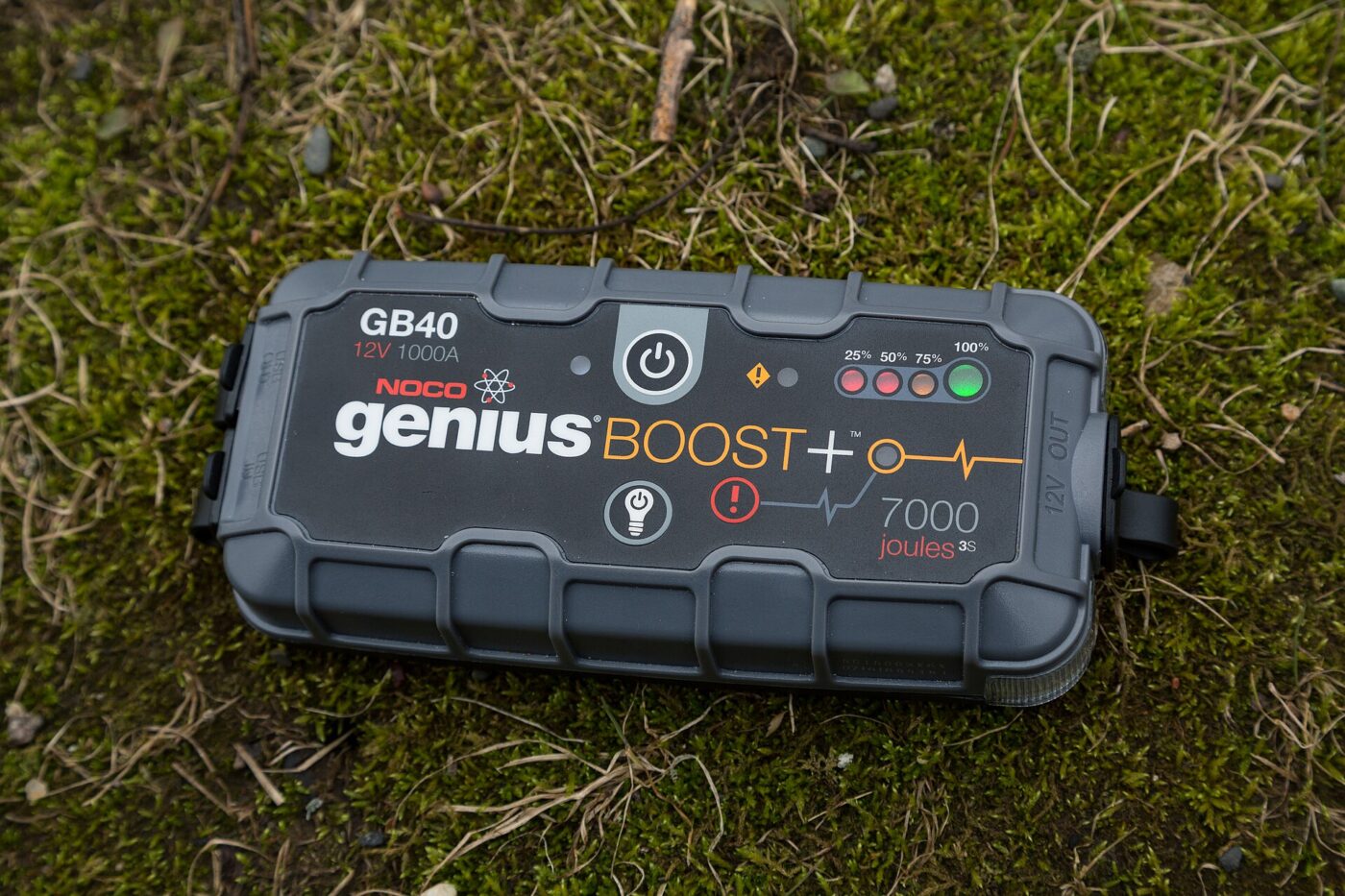
Jump starters are sold on peak amps, printed enormous on the box. It is an instantaneous figure, measured under conditions no standard defines, and it bears little relationship to whether the unit will start your car.
Two numbers do predict that, and one of them is almost never advertised.
Fear Index · Think twice
An unstandardised number in the largest type
The device is bought once and needed years later, in the cold, after months of self-discharge. That sequence is where most of them fail.
Three numbers, one of them meaningful
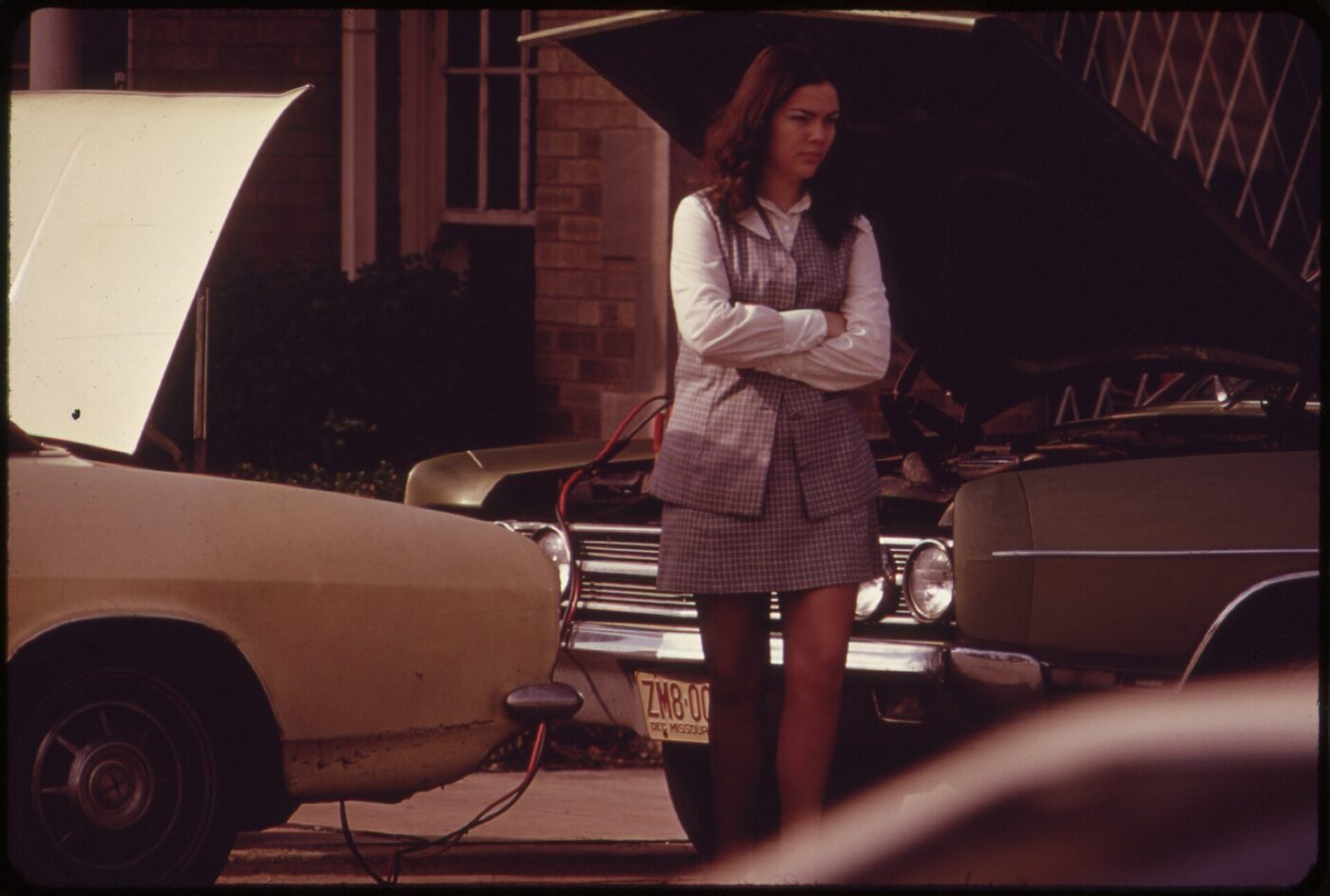
The relevant physics is simple: a starter motor needs a large current sustained for several seconds, not a spike.
| Figure | What it describes | Useful? |
|---|---|---|
| Peak amps | Instantaneous maximum, unstandardised | No |
| Cranking amps | Current sustained while turning the engine | Yes — the key figure |
| Capacity (Wh or mAh) | Stored energy, so how many attempts | Yes |
If a listing shouts peak amps and states no cranking amps, the manufacturer has chosen which number flatters them. Take that as information.
Sizing it to the engine
Diesel engines have much higher compression and need substantially more current to turn over — commonly around double a gas engine of similar size. Cold makes it worse: battery chemistry slows and oil thickens, so the demand rises exactly when the pack has least to give.
Rough guidance: a small gas car is comfortable with a modest unit, a large gas or small diesel needs a mid-size one, and anything above about 3 liters of diesel wants a purpose-built unit rather than a pocket pack.
Buying larger than needed is cheap insurance. The pack is only useful at the moment it is adequate.
The failure nobody plans for

A jump starter is bought and then not used for two years. Lithium packs self-discharge steadily, and heat speeds that up. The commonest real-world failure is not an underpowered unit — it is a flat one.
- Recharge every three to six months, whether or not it has been used.
- Keep it out of temperature extremes. Cold does not drain the pack faster, but it sharply cuts the current it can deliver; a pack left in a car in summer heat ages faster and can swell.
- Check it before a long trip, the same way you would check a spare tire.
- Reverse polarity protection is standard now and worth confirming; a mis-connection without it destroys the pack and can damage the car.
- Never jump a frozen, cracked or leaking battery, and follow the clamp order in the manual.
The shortlist
Paid links: we earn a commission if you buy through the buttons below, at no extra cost to you. As an Amazon Associate I earn from qualifying purchases.
Compared on what actually starts an engine
| Product type | Best for | Risk estimate | Where to buy |
|---|---|---|---|
| Compact Lithium Jump Starter | Gas cars | 30/100 | See listings on AmazonOpens Amazon search results, not one listing: check the model on the product page. |
| Heavy-Duty Jump Starter for Diesel | Diesel and larger engines | 38/100 | See listings on AmazonOpens Amazon search results, not one listing: check the model on the product page. |
| Smart Battery Maintainer | Keeping it charged | 18/100 | See listings on AmazonOpens Amazon search results, not one listing: check the model on the product page. |
Risk estimate is our editorial Fear Index for the product type (lower is safer), not a customer rating. How it is scored.
Compact Lithium Jump Starter
Adequate for most drivers, on one condition: put a calendar reminder to recharge it every three months.
- Fits a glovebox
- Doubles as a USB power bank
- Enough for gas engines up to mid-size
- Self-discharges if forgotten
- Marginal on cold diesels
Smart Battery Maintainer
If the car sits for weeks at a time, this prevents the situation a jump starter exists to rescue.
- Keeps a battery healthy rather than rescuing it
- Extends battery life considerably
- Ideal for cars used infrequently
- Needs household power where the car parks
- Does nothing for a car stranded away from home
More: Auto & Garage analyses and how the Fear Index is scored.
Questions people actually ask
What do peak amps mean on a jump starter?
An instantaneous maximum measured under conditions no standard defines. It is the largest number a manufacturer can quote and a poor predictor of whether a car will start.
How many amps do I need to jump start a car?
Cranking amps is the figure that matters. Small gas engines need relatively little; diesels commonly need roughly double a comparable gas engine, and cold increases the demand further.
How often should I charge a jump starter?
Every three to six months even if unused. Lithium packs self-discharge, and a flat jump starter is the most common real-world failure.
Can I leave a jump starter in the car in winter?
Check the storage temperature range in the manual. Cold does not speed up self-discharge, but it cuts the current the pack can deliver, so a pack kept indoors starts more reliably. Summer heat in a parked car is harder on the battery itself.