Toys and Games
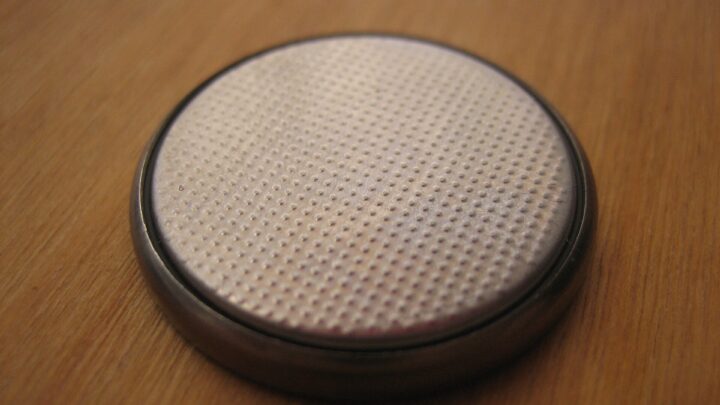
A Swallowed Coin Battery Can Burn a Child’s Throat Within Hours
A lodged coin battery can burn a child’s throat in about two hours. What Reese’s Law requires of new products, and what to do immediately if one is swallowed.


Topics
Formats
The site
9 articles
A lodged coin battery can burn a child’s throat in about two hours. What Reese’s Law requires of new products, and what to do immediately if one is swallowed.
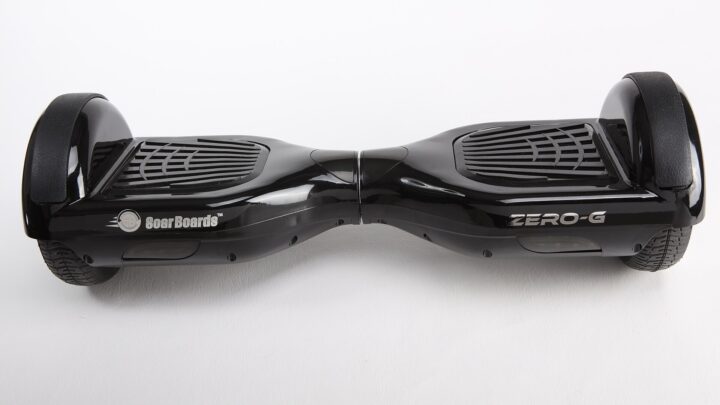
A UL 2272 listing certifies a hoverboard’s electrical system, not the rider. CPSC counts 17 hoverboard-related deaths from 2017 through 2024, 11 of them tied to fires, and falls, age limits and charging habits matter just as much.
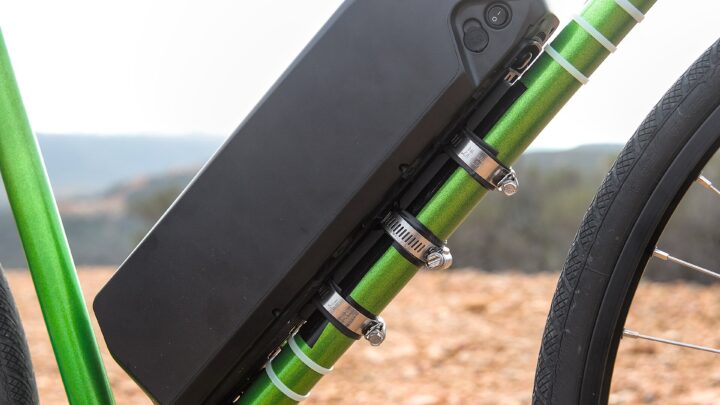
An e-bike or e-scooter battery is dozens of lithium-ion cells in one pack. Certification, the right charger and supervised charging decide most of the fire risk.
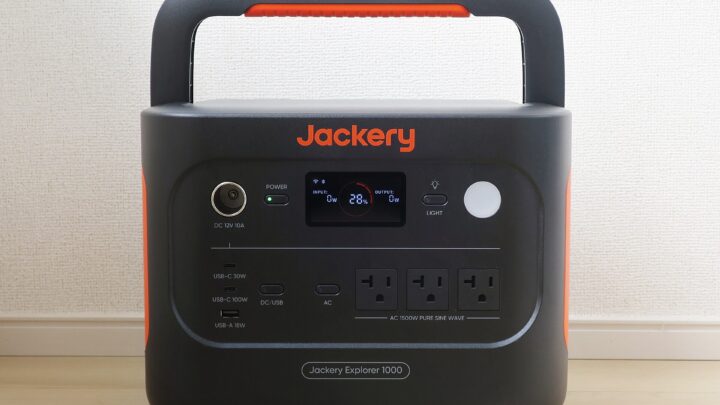
Rated watt-hours describe the battery, not what reaches your devices. Inverter losses, idle draw and startup surges decide what a power station can actually run and for how long.
Most RC LiPo fires start at the charger, not the track. Balance charging, storage voltage and retiring swollen packs prevent them; a fire-resistant bag only slows one down.
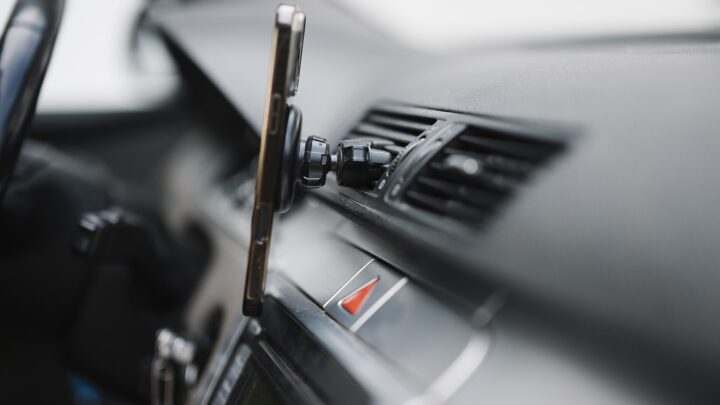
Phones already warm up while navigating and charging. Clip one to a vent blowing hot air and heat builds until the phone dims its screen or stops charging.
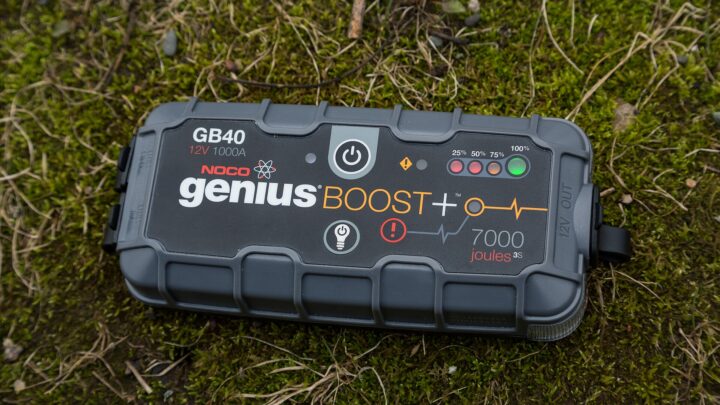
Peak amps is the largest number a manufacturer can print and the least regulated. The figures that predict whether the car starts are cranking amps and stored energy.
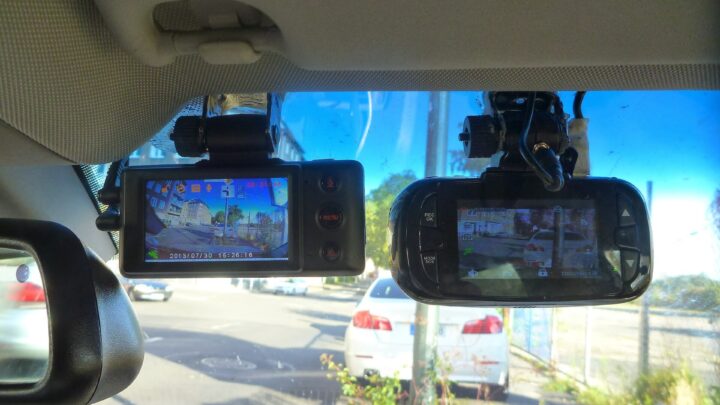
A dashcam sits behind glass in direct sun, which is the worst place in a car for a lithium battery. Capacitor models exist because manufacturers know that.
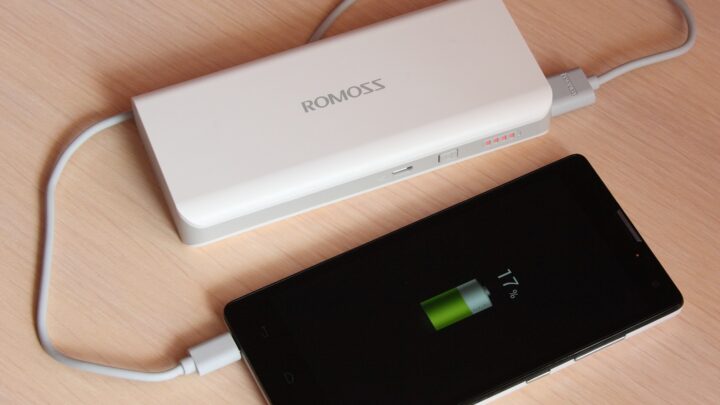
The number on the box is measured at 3.7 volts inside the pack. Your phone charges at 5 volts or more. That conversion, plus heat, eats about a third of the capacity before you see any of it.