
A Lithium-Battery Dashcam Wears Out Fastest Behind a Hot Windshield
A windshield in summer reaches temperatures lithium cells are not rated for. Supercapacitor dashcams exist precisely because of this.


On this page 4 sections
Part of the guide: Tech and Audio Buying Mistakes: What Fails and How to Check Before You Buy
A dashcam lives pressed against the inside of a windshield, in direct sun, in a sealed car. Interior temperatures in summer routinely exceed what consumer lithium cells are specified for.
That is why the better dashcams do not contain a battery at all.
Fear Index · Think twice
Mounted in the hottest place in the vehicle
A swollen lithium cell behind a windshield is both a dead dashcam and a genuine hazard.
Why heat is the enemy
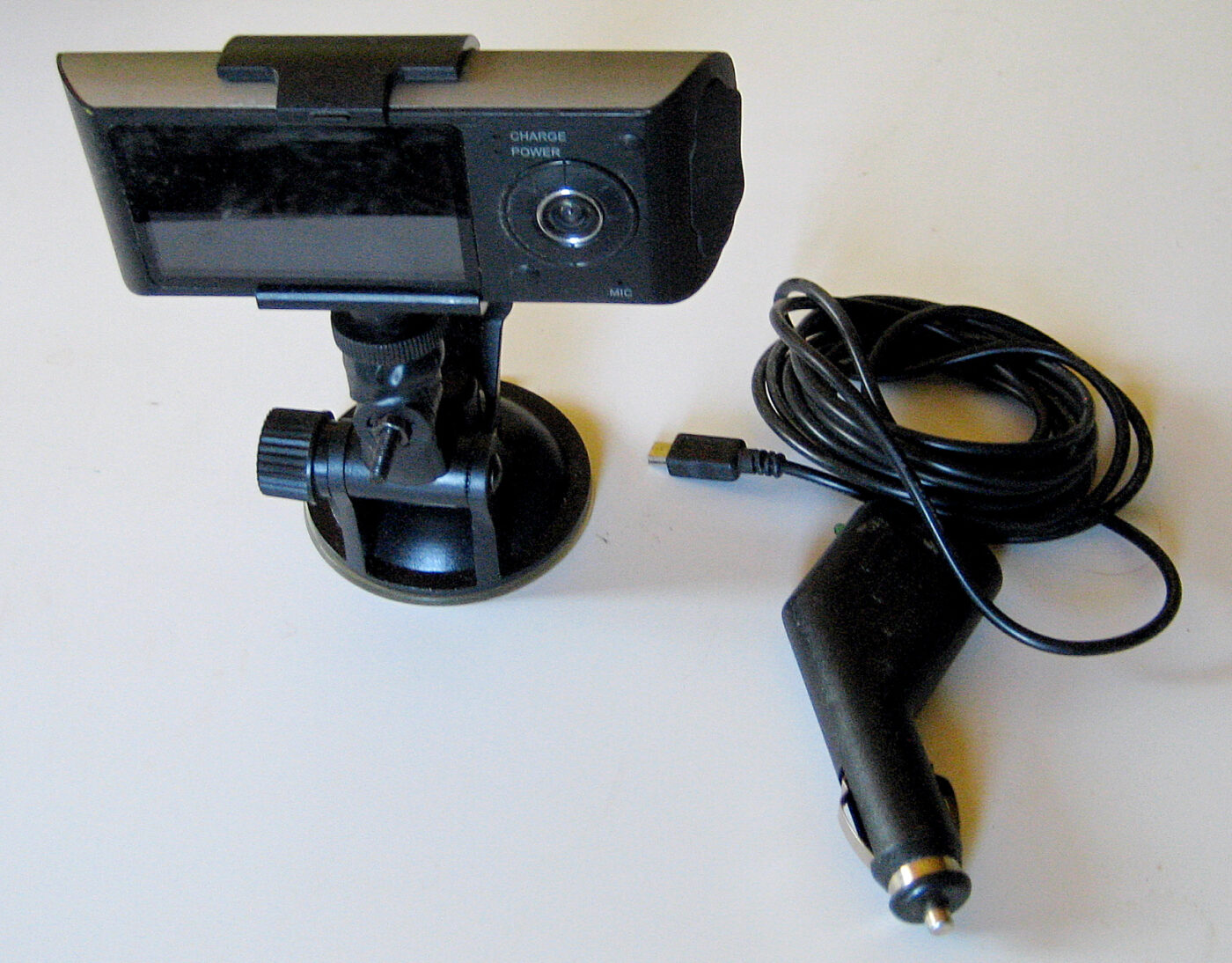
A dashcam does not need a battery to operate — it runs from the car. The internal cell exists only to keep the camera alive for a second or two after power is cut, so the current video file is closed properly rather than left corrupt.
A supercapacitor does that job using stored charge rather than chemistry. It holds far less energy, which is all that is required, and it tolerates high temperatures far better than a lithium cell — rated to 65°C against roughly 45°C for charging a lithium cell — though it still fades slowly with age.
A lithium cell in the same position loses capacity quickly and can swell, distorting the case. The symptom owners report is a camera that stops holding the date and time, then stops saving the final file, then stops working.
If the car parks outside in a hot climate, a capacitor model is not a premium option — it is the only one with a sensible service life.
Parking mode needs a power source

Parking mode records while the car is off, which is when a large share of incidents happen. It cannot run from a capacitor, and most cigarette sockets are switched off with the ignition.
Two options. A hardwire kit taps a permanently live fuse and includes a voltage cut-off that stops drawing current before the car battery drops too far to start. A separate dashcam battery pack charges while driving and powers the camera when parked, which keeps the car battery entirely out of it.
Whichever you choose, the low-voltage cut-off is the part that matters. Without it, a week in an airport parking lot ends with a flat battery.
The card is a consumable
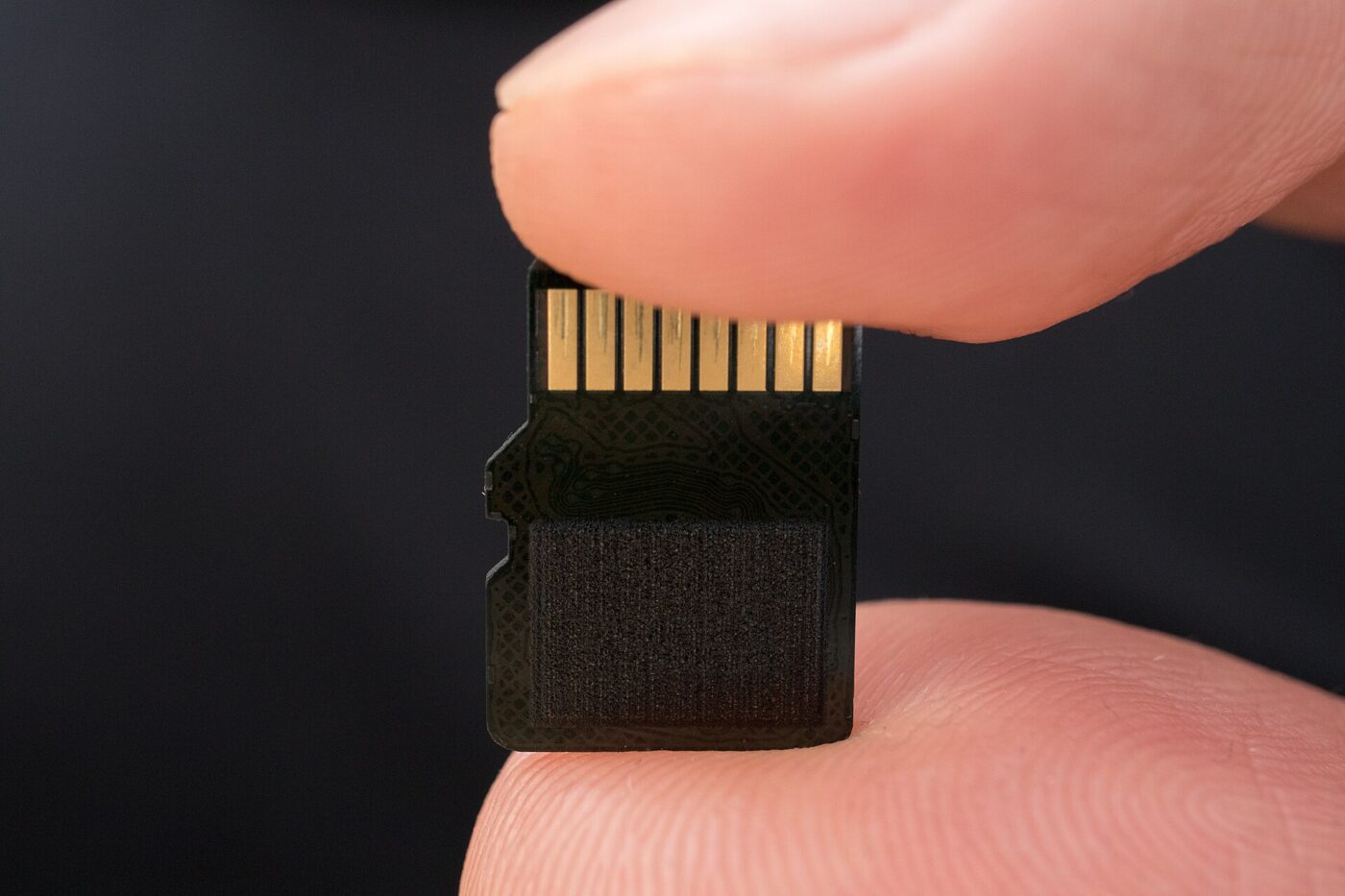
A dashcam writes continuously and overwrites in a loop. Ordinary microSD cards are not designed for that duty cycle and fail — often silently, leaving the camera recording nothing.
- Buy high-endurance cards, which use different flash designed for constant rewriting.
- Format it in the camera monthly. Most have a reminder; most owners ignore it.
- Check the footage occasionally. A dashcam that has silently stopped recording is worse than none, because you believe you are covered.
- Replace the card annually under heavy use. They are cheap relative to the purpose.
The shortlist
Paid links: we earn a commission if you buy through the buttons below, at no extra cost to you. As an Amazon Associate I earn from qualifying purchases.
Compared on surviving a car interior
| Product type | Best for | Risk estimate | Where to buy |
|---|---|---|---|
| Supercapacitor Dashcam | Hot climates | 28/100 | See listings on AmazonOpens Amazon search results, not one listing: check the model on the product page. |
| Hardwire Kit with Voltage Cut-Off | Parking mode | 32/100 | See listings on AmazonOpens Amazon search results, not one listing: check the model on the product page. |
| High-Endurance microSD Card | Recording reliability | 20/100 | See listings on AmazonOpens Amazon search results, not one listing: check the model on the product page. |
Risk estimate is our editorial Fear Index for the product type (lower is safer), not a customer rating. How it is scored.
Supercapacitor Dashcam
The distinction that decides whether a dashcam lasts five years or one summer. Check the specification explicitly — it is often buried.
- No lithium cell to swell or degrade
- Long service life behind glass
- Closes files cleanly on power loss
- Slightly more expensive
- Cannot run parking mode unaided
High-Endurance microSD Card
A dashcam with a failed card looks exactly like a working one. This is the cheapest way to make the footage actually exist.
- Built for continuous rewriting
- Far lower silent-failure rate
- Cheap relative to the job
- Costs more than a normal card
- Still needs periodic formatting
More: Auto & Garage analyses and how the Fear Index is scored.
Questions people actually ask
Is a capacitor dashcam better than a battery one?
In any climate with hot summers, clearly. A dashcam sits behind glass in direct sun, where lithium cells degrade and can swell. A capacitor tolerates the heat and only needs to close the last file.
Does a dashcam drain the car battery?
Mainly in parking mode, or when it is plugged into a 12 V socket that stays live after the ignition is off. Without a low-voltage cut-off, either setup can flatten the battery.
What SD card should I use in a dashcam?
A high-endurance card, which uses flash designed for constant rewriting. Ordinary cards fail under loop recording, often silently.
How often should I format a dashcam SD card?
About monthly. It clears fragmentation and file-table errors that build up under loop recording and cause silent failures.