
The E-Bike Battery Risk Lives in Uncertified Packs, Swapped Chargers and Overnight Charging
What UL 2849, UL 2272 and UL 2271 certify, where CPSC’s 2026 proposed battery rule stands, why generic packs and swapped chargers raise fire risk.

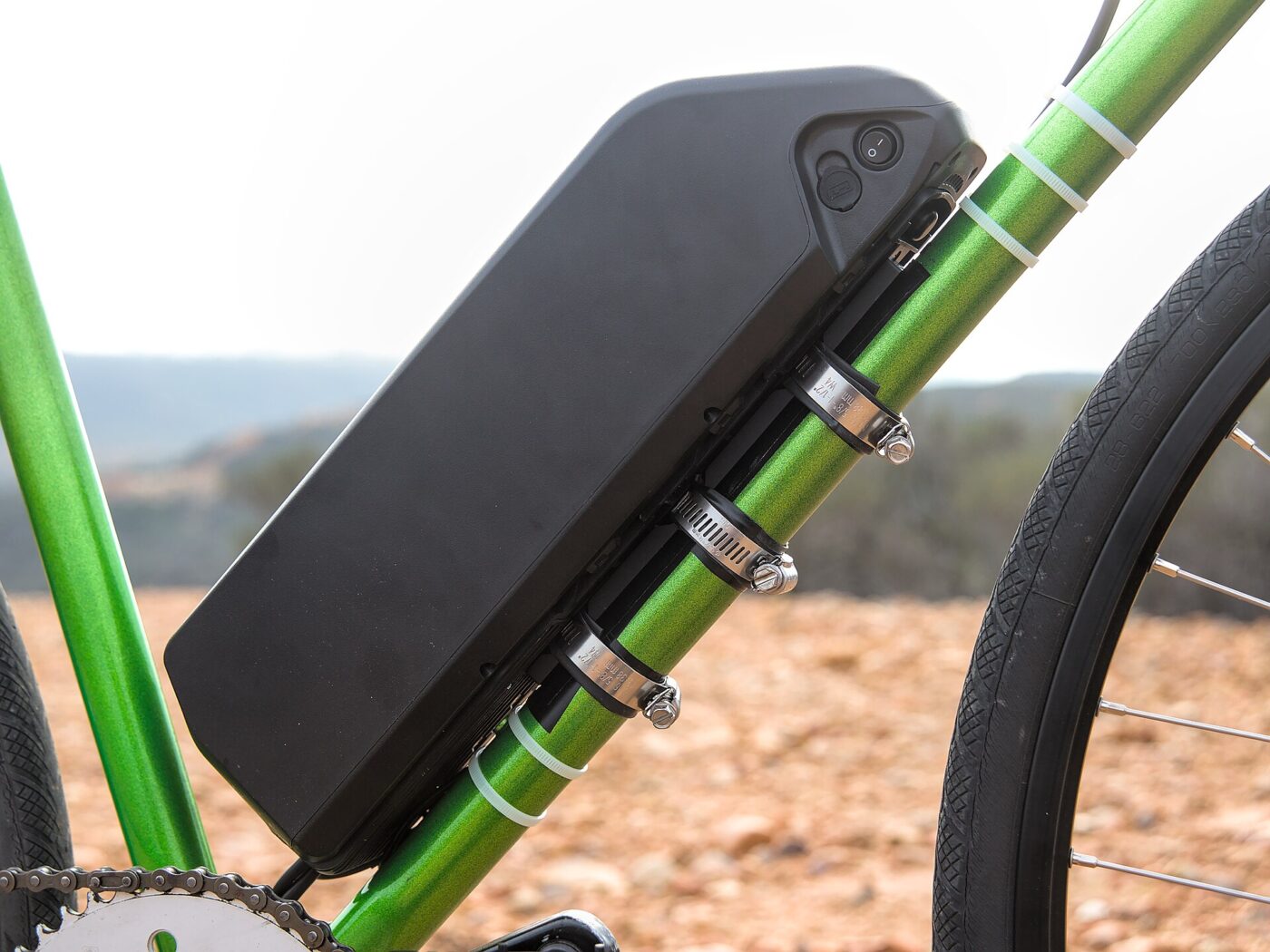
E-bikes and e-scooters store a lot of energy in a compact pack of lithium-ion cells. When a cell fails badly it can overheat its neighbors, and the result is a fire that starts fast and is hard to stop.
Most of the risk is decided before a fire starts: by whether the bike, battery and charger were tested together, by what gets swapped in later, and by where and when the pack is charged.
Fear Index · Think twice
A cheap pack or charger that fits but was never tested
Battery fires are a small share of micromobility deaths, but one that starts indoors while a pack charges overnight spreads fast, and a pack or charger never evaluated with the device raises the odds.
Why lithium packs fail
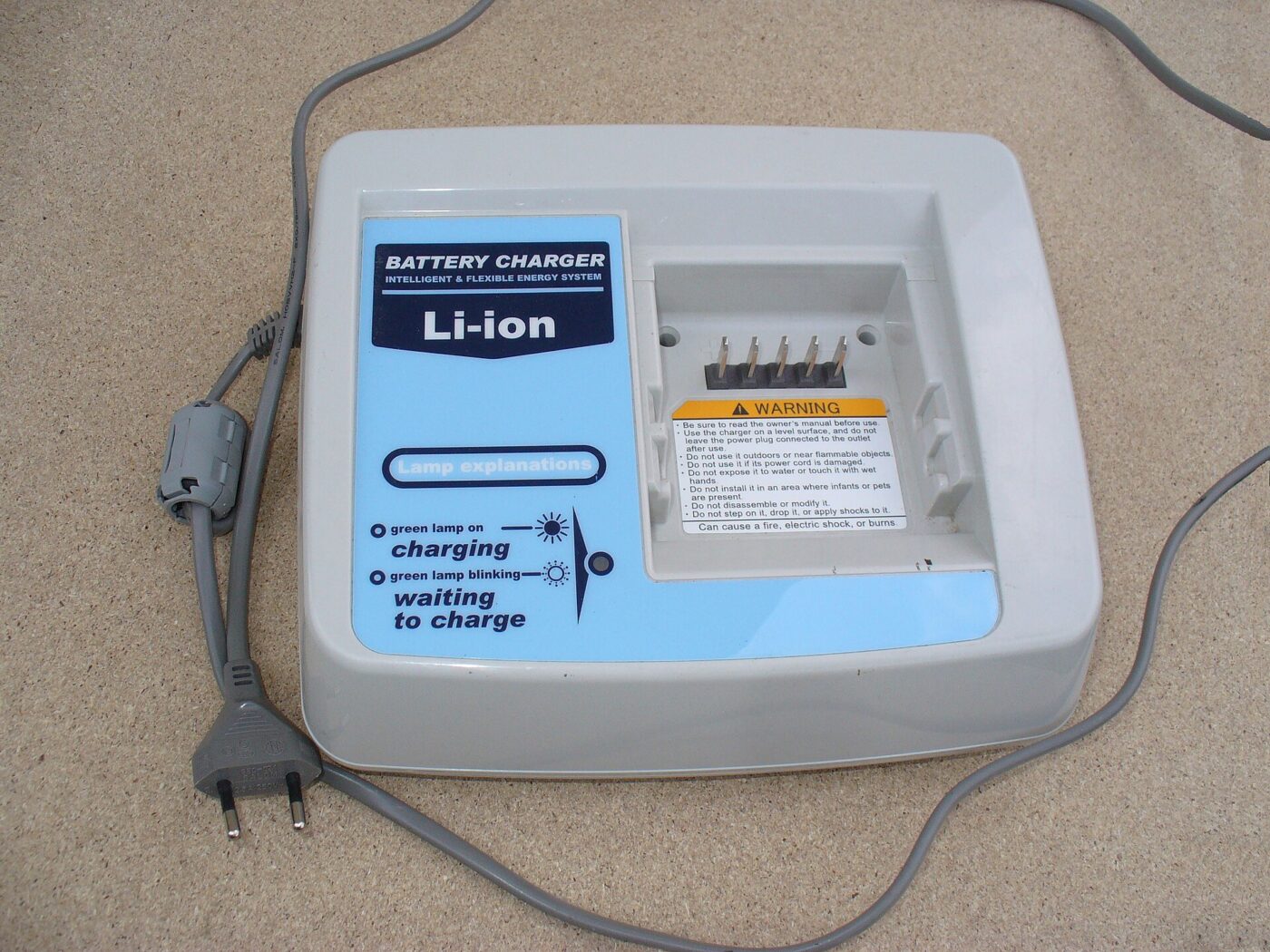
A pack is many small cells wired in series and parallel, managed by a battery management system that watches voltage, current and temperature. A fault in one cell, from a manufacturing defect, a crash, water intrusion or overcharging by the wrong charger, can trigger thermal runaway: the cell heats itself, vents flammable gases and passes heat to the cells beside it.
In a December 2022 letter to manufacturers, importers and retailers, the Consumer Product Safety Commission said it had received reports from 39 states of at least 208 micromobility fire or overheating incidents between January 2021 and late November 2022, with at least 19 deaths. Its April 2026 hazard report puts the longer view in proportion: staff were aware of 533 micromobility-related deaths from 2017 through 2024, most of them involving motor vehicles, and 45 of them tied to fire hazards.
In June 2026 the agency went further and proposed a mandatory safety standard (16 CFR part 1265, docket CPSC-2025-0012) that would require lithium-ion batteries and electrical systems in e-bikes, e-scooters and similar products to meet modified versions of UL 2849, UL 2272 and UL 2271. The comment period closed on August 24, 2026. It is still a proposal, and no final rule had been issued as of September 2026.
CPSC also notes that many lithium-ion battery home fires and deaths have happened at night, while batteries were charging and families were asleep. That detail is why charging habits appear in almost every piece of official guidance.
What the certifications cover
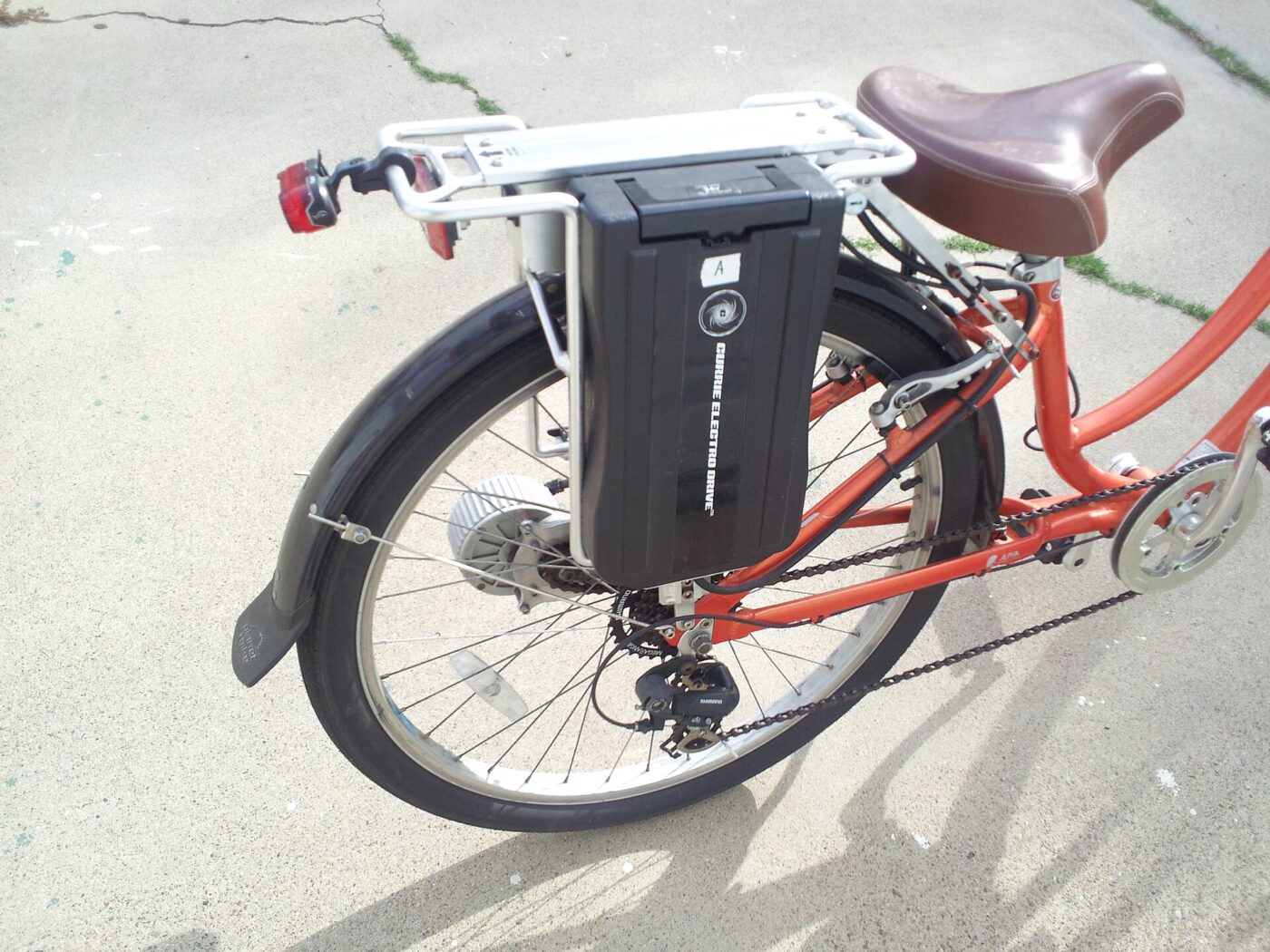
Three UL standards come up repeatedly, and they do not cover the same thing. CPSC has urged the industry to certify micromobility products to UL 2849 and UL 2272, saying compliance significantly reduces the risk of injuries and deaths from fires, and that compliance should be demonstrated by certification from an accredited testing laboratory.
The practical point is scope. UL 2849 evaluates an e-bike’s electrical drive train, battery and charger as system combinations. A battery certified to UL 2271 has been evaluated as a battery, which is useful, but it is not the same claim as a whole e-bike system tested to UL 2849.
| Standard | What it evaluates | Typical products |
|---|---|---|
| UL 2849 | Electrical system: drive train, battery and charger combinations | E-bikes and pedal-assist bikes |
| UL 2272 | Electrical systems for personal e-mobility devices | E-scooters, self-balancing boards |
| UL 2271 | Batteries for light electric vehicle applications | Battery packs on their own |
A system certification describes the combination that was tested. Swap in a different battery or charger and you are outside what that certificate covers.
Replacement batteries and chargers
Replacement packs are where the savings are tempting. A generic pack with the right connector and voltage can cost a fraction of the manufacturer’s part, but the cells, the battery management system and the charging profile are unknown quantities, and a certification claim in a marketplace listing is hard to verify. Even a pack that really is certified to UL 2271 was evaluated as a battery on its own, not as part of your bike’s tested system.
CPSC’s guidance is specific: use only a replacement or secondary battery pack that has been tested and approved to work safely with your device and confirmed suitable by the device manufacturer, and never use a pack that has been modified or reworked by unqualified people or built with repurposed or used cells. The same applies to chargers, which should be the one supplied with the device or one recommended by its manufacturer.
- Buy the pack from the bike maker or a supplier the maker names for your exact model.
- Match the charger to the device, not just the plug. A charger that fits can still be the wrong one.
- Avoid rebuilt or re-celled packs unless the bike manufacturer approves the work.
- Retire damaged packs. A crash, submersion, cracking, bulging or leaking are all reasons to stop using one.
- Recycle properly. Lithium batteries do not belong in household trash or curbside recycling; take them to a battery recycler or hazardous waste site.
Charging habits that lower the risk

CPSC advises being present when charging micromobility products, never charging them while sleeping or away from home, following the manufacturer’s charging instructions and unplugging when charging is done.
The U.S. Fire Administration adds placement and handling advice: do not charge a large battery-powered device such as an e-bike or scooter where it blocks an exit route or fire escape, charge and store lithium-ion batteries in a cool, dry place, unplug a device that is noticeably hot while charging, and routinely inspect batteries for cracking, bulging or leaking.
If a lithium-ion battery fire does start, USFA’s advice is not to try to put it out yourself but to evacuate and call 911. A working smoke alarm near the charging area gives that decision time.
Charge only while you are awake and at home, away from the only way out, and unplug when the pack is full.
The shortlist
Paid links: we earn a commission if you buy through the buttons below, at no extra cost to you. As an Amazon Associate I earn from qualifying purchases.
Compared on where they reduce risk
| Product type | Best for | Risk estimate | Where to buy |
|---|---|---|---|
| UL 2849 Certified E-Bike | Buying a new e-bike | 28/100 | See listings on Amazon |
| Interconnected Smoke Alarm | Where you charge | 10/100 | See listings on Amazon |
| UL 2272 Certified Electric Scooter | Buying an e-scooter | 30/100 | See listings on Amazon |
Risk estimate is our editorial Fear Index for the product type (lower is safer), not a customer rating. How it is scored. The buttons open Amazon search results rather than one listing, so check the model on the product page.
UL 2849 Certified E-Bike
The certification describes a tested combination. Keep it that way: buy replacement batteries and chargers from the bike maker, or ones it names for your exact model.
- Battery, charger and drive system tested together
- Built on the standard CPSC urged makers to meet
- Costs more than uncertified imports
- Swapped batteries or chargers fall outside it
Interconnected Smoke Alarm
Supervised charging reduces the chance of a fire going unnoticed. An alarm that sounds throughout the home buys time to get out.
- Early warning in the charging area
- Interconnected units sound together
- Battery backup during outages
- Does not prevent a battery fire
- Needs monthly testing
More: Sports & Recreation analyses and how the Fear Index is scored.
Sources
- Micromobility: E-Bikes, E-Scooters and Hoverboards — U.S. Consumer Product Safety Commission
- Letter to Manufacturers, Importers, Distributors and Retailers of Micromobility Devices (Dec. 19, 2022) — U.S. Consumer Product Safety Commission
- E-Bikes Certification: Evaluating and Testing to UL 2849 — UL Solutions
- Lithium-Ion Batteries: Educating Your Community — U.S. Fire Administration
- Safety Standard for Lithium-Ion Batteries Used in Micromobility Products (Proposed Rule, June 24, 2026) — Federal Register
- Micromobility Products-Related Deaths, Injuries and Hazard Patterns 2017–2024 (April 2026) — U.S. Consumer Product Safety Commission
Questions people actually ask
What does UL 2849 certification mean for an e-bike?
It means the e-bike’s electrical system, including the drive train, battery and charger combination, was evaluated for electrical and fire safety. It covers that tested combination.
Is UL 2849 certification required by law?
Not yet. In June 2026 CPSC proposed a mandatory standard based on modified versions of UL 2849, UL 2272 and UL 2271. Comments closed in August 2026, and no final rule had been issued as of September 2026.
Is it safe to charge an e-bike battery overnight?
CPSC advises against it. Be present while charging, never charge while sleeping or away from home, and unplug the device when charging is complete.
Are cheap replacement e-bike batteries safe?
CPSC says to use only replacement packs tested and approved for your device and confirmed suitable by its manufacturer, and never packs that were modified or built with used cells.
What are warning signs of a damaged e-bike battery?
The U.S. Fire Administration advises unplugging a device that is noticeably hot while charging and inspecting batteries for cracking, bulging or leaking. Stop using a damaged pack.