
Felt-Soled Wading Boots Grip Slick Rock and Are Banned in Some States for Carrying Invaders
Felt soles grip slick rock but stay damp long enough to carry didymo and invasive mudsnails between rivers. Where Alaska, Missouri and Maryland restrict them.

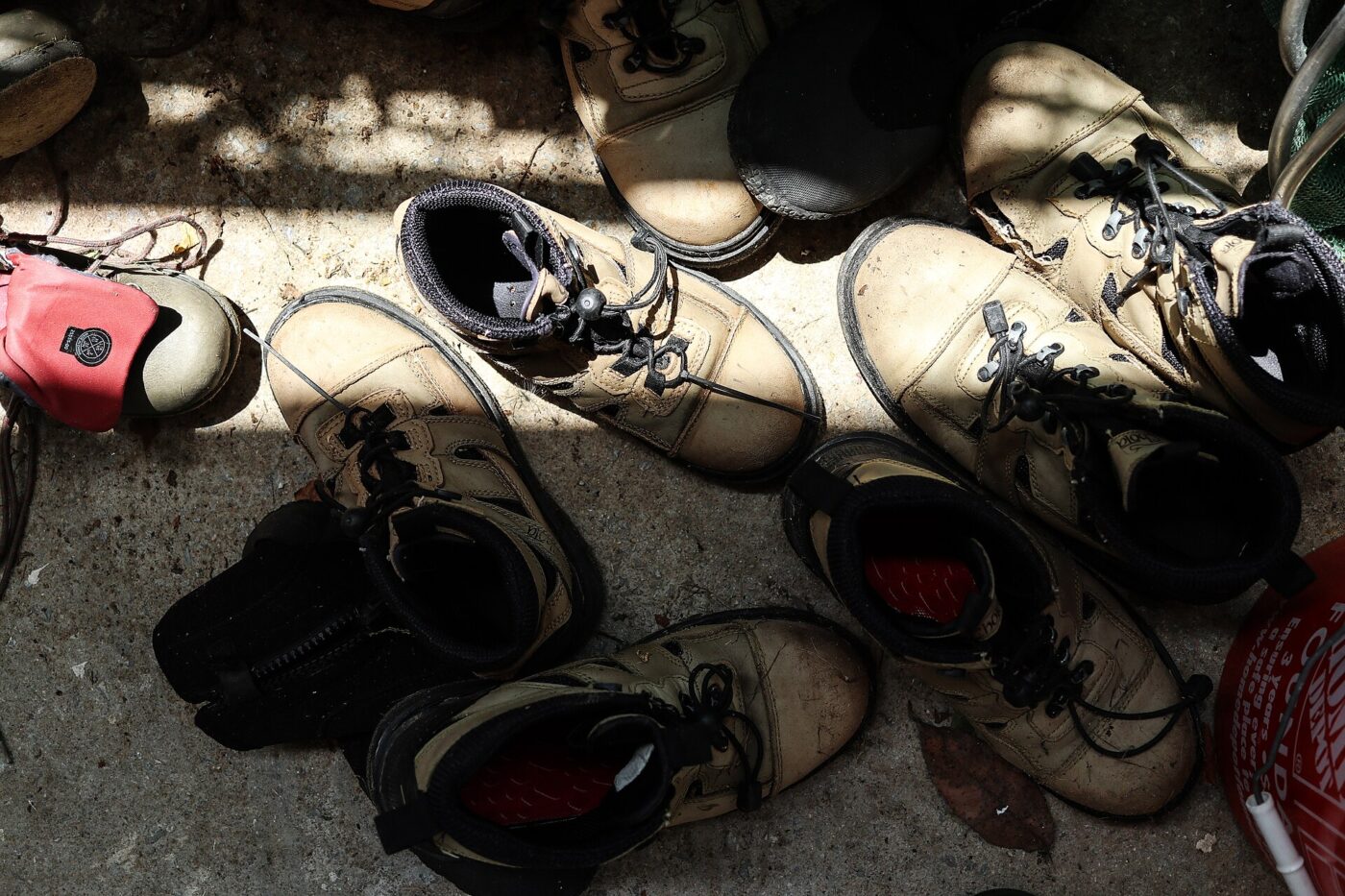
Felt has stayed the default sole for wading boots for a straightforward reason: it grips slick, algae-covered rock better than rubber alone. The same fibrous surface that grips also holds water, mud and whatever is living in it for days after the boots dry on the outside, which is exactly the trait that got felt banned in parts of the country.
An angler who fishes the same home water all season has little reason to think about any of this. Someone who fishes a different river every few weekends, or travels for a trip, can own a pair of boots that are perfectly legal at home and prohibited at the next stop.
Fear Index · Think twice
Grip that travels between rivers uninvited
Alaska’s Department of Fish and Game says felt soles stay damp long enough to carry didymo and New Zealand mudsnails between waterways, and the state banned felt soles for freshwater sport fishing in 2012.
Why felt soles spread invasive species
Didymo, commonly called rock snot, is a microscopic alga that Alaska’s Department of Fish and Game describes as capable of forming “a thick, stringy mat over rocks and other submerged surfaces” dense enough to smother a stream. New Zealand mudsnails are a separate problem the same agency flags: tiny snails that reproduce asexually and “can reach densities as high as a half-million per square yard,” starving out the native invertebrates fish depend on.
Felt is a porous, fibrous material, which is exactly why it grips and exactly why it does not dry out. A damp felt sole can carry didymo cells or juvenile mudsnails from one river to the next for days, long after the boots look dry on the surface, in a way a solid rubber sole does not.
Alaska’s Department of Fish and Game traces the first felt-sole ban to New Zealand in 2008, after didymo became established there. Alaska, Missouri, Rhode Island and Vermont followed with their own restrictions in 2012.
Where felt is restricted: three examples
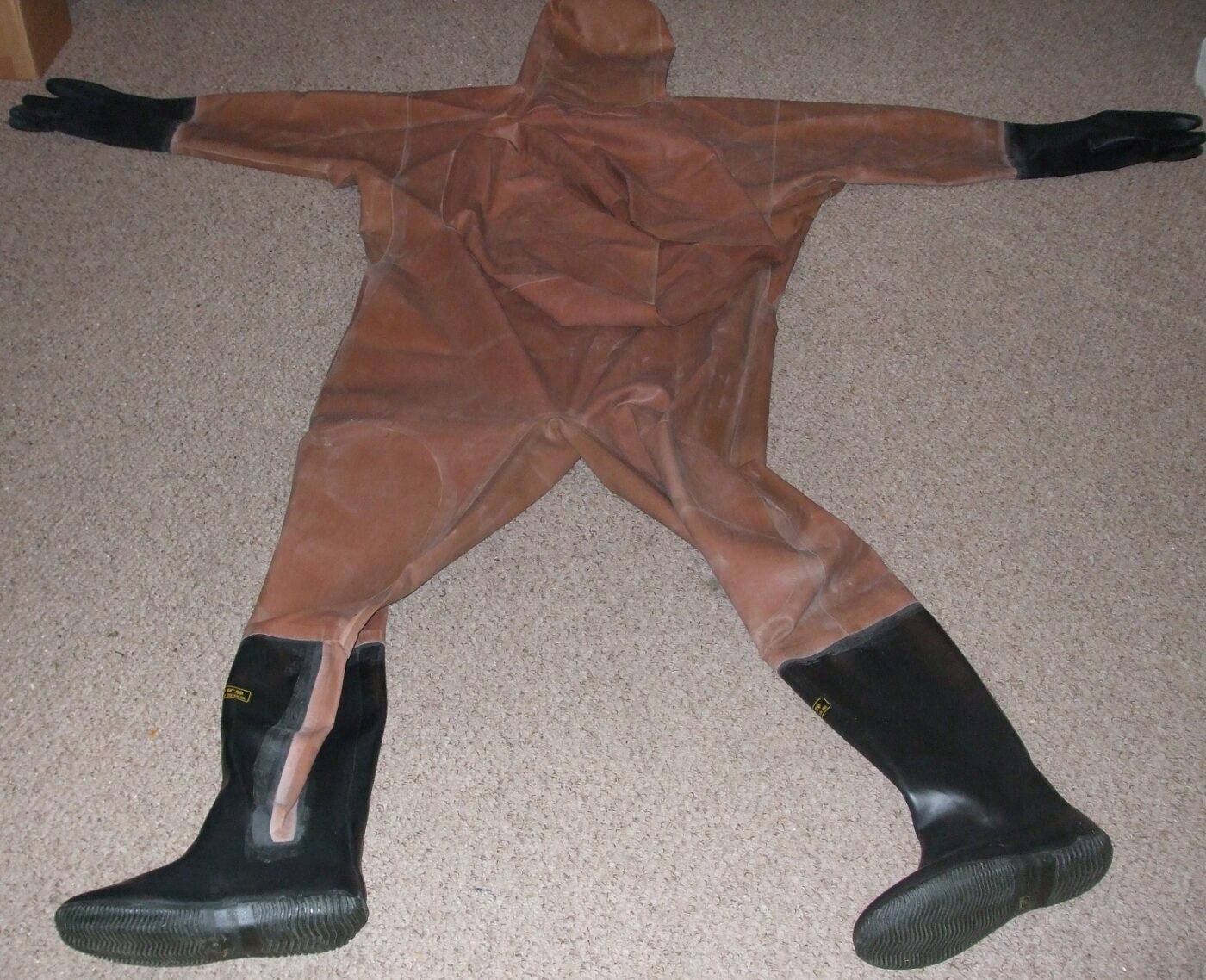
The restrictions are not identical. Alaska’s rule is the broadest of the three: it prohibits felt or other fibrous soles for sport anglers and fishing guides in freshwater statewide, though it does not apply to saltwater fishing or to personal use fisheries.
Missouri’s Department of Conservation takes a narrower approach, banning porous soles — its term for felt or any matted, woven fibrous material — at specific trout parks and named lakes and streams rather than statewide, with Bennett Spring and Roaring River state parks among the waters listed.
Maryland’s regulation is narrower in scope but broader in reach: under COMAR 08.02.19.07, “an individual may not use footgear with external felt soles in State waters or within five feet of State waters,” which covers the bank as well as the water itself.
| Agency | What is restricted | Where |
|---|---|---|
| Alaska Dept. of Fish and Game | Felt or fibrous soles, sport fishing | Freshwater statewide |
| Missouri Dept. of Conservation | Porous soles (felt or fibrous) | Named trout parks and specific waters |
| Maryland (COMAR 08.02.19.07) | External felt soles | State waters and within 5 feet of them |
A boot legal in one state can be a citation in the next. Check the specific water, not just the state, before a trip.
Rubber and studded soles vs felt for grip
The tradeoff agencies acknowledge is real: felt grips wet, algae-covered rock in a way a bare rubber sole does not match as reliably. Alaska’s Department of Fish and Game FAQ on its own ban notes that “some anglers report the new, non-felt soles provide better grip when the spikes are used,” which amounts to an endorsement of studs as the fix rather than a claim that rubber alone closes the gap.
Studdable rubber-soled boots add small metal or carbide points to the sole, which bite into rock the way felt’s fibers grip through friction. A hybrid sole, felt with rubber lugs, exists specifically to add some of that traction back for anglers who fish in states where felt is still legal.
None of this changes the calculation for someone who fishes restricted waters. A rubber-soled boot with studs, plus a wading staff for a third point of contact, is the combination that stays legal everywhere felt is not, at some cost in grip on the slickest rock.
Clean, drain, dry: decontaminating gear between waters
The U.S. Fish and Wildlife Service’s Clean, Drain, Dry campaign lays out the general routine for any wading gear, boat or equipment moved between waters: clean off visible plants, animals and mud before leaving the access point, drain any water-holding gear, and dry everything — the agency’s guidance gives five days, or a wipe-down with a towel if a trip does not allow that much time.
Missouri’s Department of Conservation gives a more specific protocol for felt-soled gear already in use: soak the felt-soled waders and other soft items for at least 20 minutes in a 2 percent household bleach solution, a 5 percent saltwater solution or dishwashing detergent, then dry everything in sunlight for at least 48 hours. It also warns against pouring any algae rinsed off the gear down a drain, and to dispose of it in the trash instead.
None of this is optional in states with a felt ban, and it is not free insurance where felt is still legal, either — didymo and mudsnails spread through gear regardless of what a particular state has decided to regulate.
Buying for the places you actually fish
An angler who fishes one home river all season, in a state without a felt restriction, loses little by sticking with felt for the grip. Someone who travels for trips, fishes a rotation of rivers, or lives near a state line has more reason to default to a studdable rubber sole that is legal everywhere, rather than carrying two pairs of boots or checking a regulation book before every trip.
A boot bought secondhand or from an unfamiliar seller is worth checking for a felt sole specifically, since older stock and imported gear do not always disclose it clearly on a listing. The safest default for anyone unsure which waters they will fish next season is the sole that needs no checking at all.
The shortlist
Paid links: we earn a commission if you buy through the buttons below, at no extra cost to you. As an Amazon Associate I earn from qualifying purchases.
Compared on grip and where they are legal
| Product type | Best for | Risk estimate | Where to buy |
|---|---|---|---|
| Rubber-Soled Wading Boots (Studdable) | Legal in every restricted state | 25/100 | See listings on AmazonOpens Amazon search results, not one listing: check the model on the product page. |
| Breathable Stockingfoot Chest Waders | Any boot, any state, any sole | 20/100 | See listings on AmazonOpens Amazon search results, not one listing: check the model on the product page. |
| Folding Wading Staff | A third point of contact on slick rock | 15/100 | See listings on AmazonOpens Amazon search results, not one listing: check the model on the product page. |
Risk estimate is our editorial Fear Index for the product type (lower is safer), not a customer rating. How it is scored.
Rubber-Soled Wading Boots (Studdable)
A studdable rubber sole clears every felt restriction on this list, and per Alaska’s own FAQ, anglers report the studs close most of the grip gap.
- Meets Alaska, Missouri and Maryland rules
- Studdable for grip on slick rock
- Grips less than felt without studs added
- Studs are extra and wear the boot faster
Folding Wading Staff
A wading staff adds stability regardless of which sole is on the boot, which matters most exactly where a switch away from felt has cost some grip.
- Works with any sole, felt or rubber
- Folds down for travel or storage
- One more piece of gear to carry
- Does not replace checking the sole rule
More: Sports and Recreation analyses and how the Fear Index is scored.
Sources
- Alaska’s Ban on Felt-Soled Wading Footwear: FAQ — Alaska Department of Fish and Game
- Porous-Soled Waders Ban — Missouri Department of Conservation
- Don’t Spread Didymo — Missouri Department of Conservation
- COMAR 08.02.19.07, Felt-Soled Waders — Maryland Department of Natural Resources
- Clean, Drain, Dry — U.S. Fish and Wildlife Service
Questions people actually ask
Which states restrict felt-soled wading boots?
Alaska bans felt statewide in freshwater sport fishing, Missouri restricts porous soles at specific trout parks and waters, and Maryland prohibits felt soles in state waters and within five feet of them. Check the specific water before a trip, since rules vary by state and sometimes within a state.
Why are felt soles linked to invasive species?
Felt is porous and stays damp for days, which lets it carry hitchhikers such as didymo (rock snot) and New Zealand mudsnails from one river to the next, according to Alaska’s Department of Fish and Game.
Do rubber soles grip as well as felt?
Not without studs. Alaska’s own FAQ on its felt ban notes that anglers report better grip on non-felt soles once studs are added, which is the standard fix rather than rubber alone.
How do I clean wading gear between rivers?
The U.S. Fish and Wildlife Service’s Clean, Drain, Dry method covers general gear. Missouri’s Department of Conservation gives a specific protocol for felt: a 20-minute soak in diluted bleach or saltwater, then 48 hours drying in sunlight.
Is it legal to fish with felt soles if I am just visiting a state?
Restrictions generally apply to anyone fishing the affected water, not just residents. Check the specific state or water district’s current regulation before a trip rather than assuming a home-state rule travels with you.