
A Beginner Recurve Is Usually Bought Too Heavy, With Arrows Mismatched to Its Draw
A recurve bought too heavy ruins form, and arrows need a spine matched to the real draw weight. What the ATA and NFAA advise before buying.

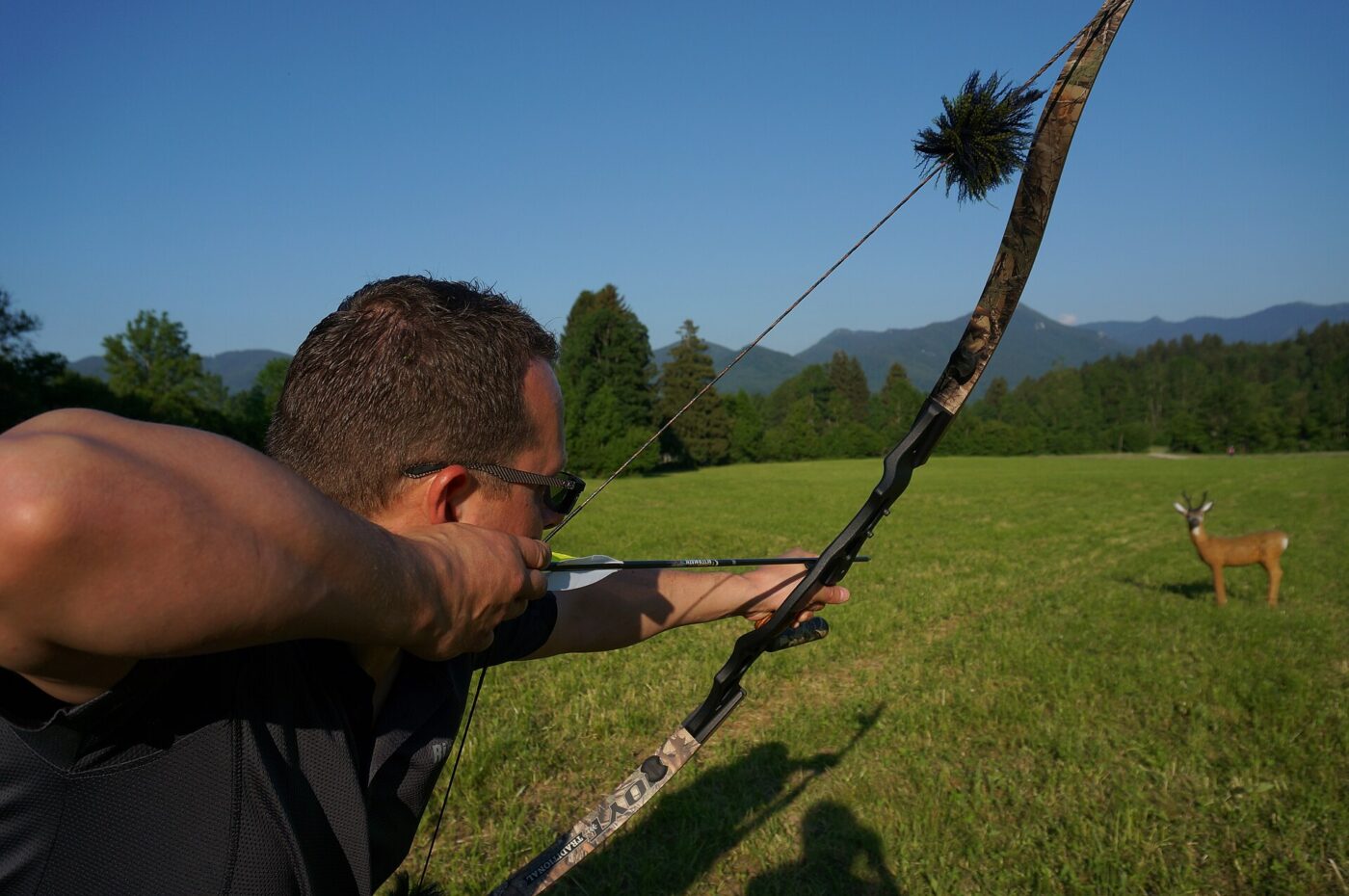
A recurve’s marked draw weight is measured at one specific draw length, and few first-time buyers have measured their own draw length before picking a bow off the wall. The number on the limb is a starting point for a shop or a coach to work from, not a promise about what it actually takes to hold that bow steady at full draw.
None of this is really about raw strength. It is about repeatable form: an archer who can barely reach full draw learns to lean, jerk or shortcut the shot just to get the string back, and the Archery Trade Association’s own guidance, a takedown bow’s upgrade path, and how arrows are matched to a real draw weight settle most of what a first recurve purchase gets wrong.
Fear Index · Think twice
A bow bought for its number, not its fit
Archery 360, the Archery Trade Association’s own site, says dry-firing sends the energy meant for an arrow through the bow’s limbs and string instead, and a snapped string or a flying piece of the bow can cut a hand or injure an eye.
Why too-heavy draw weight ruins form
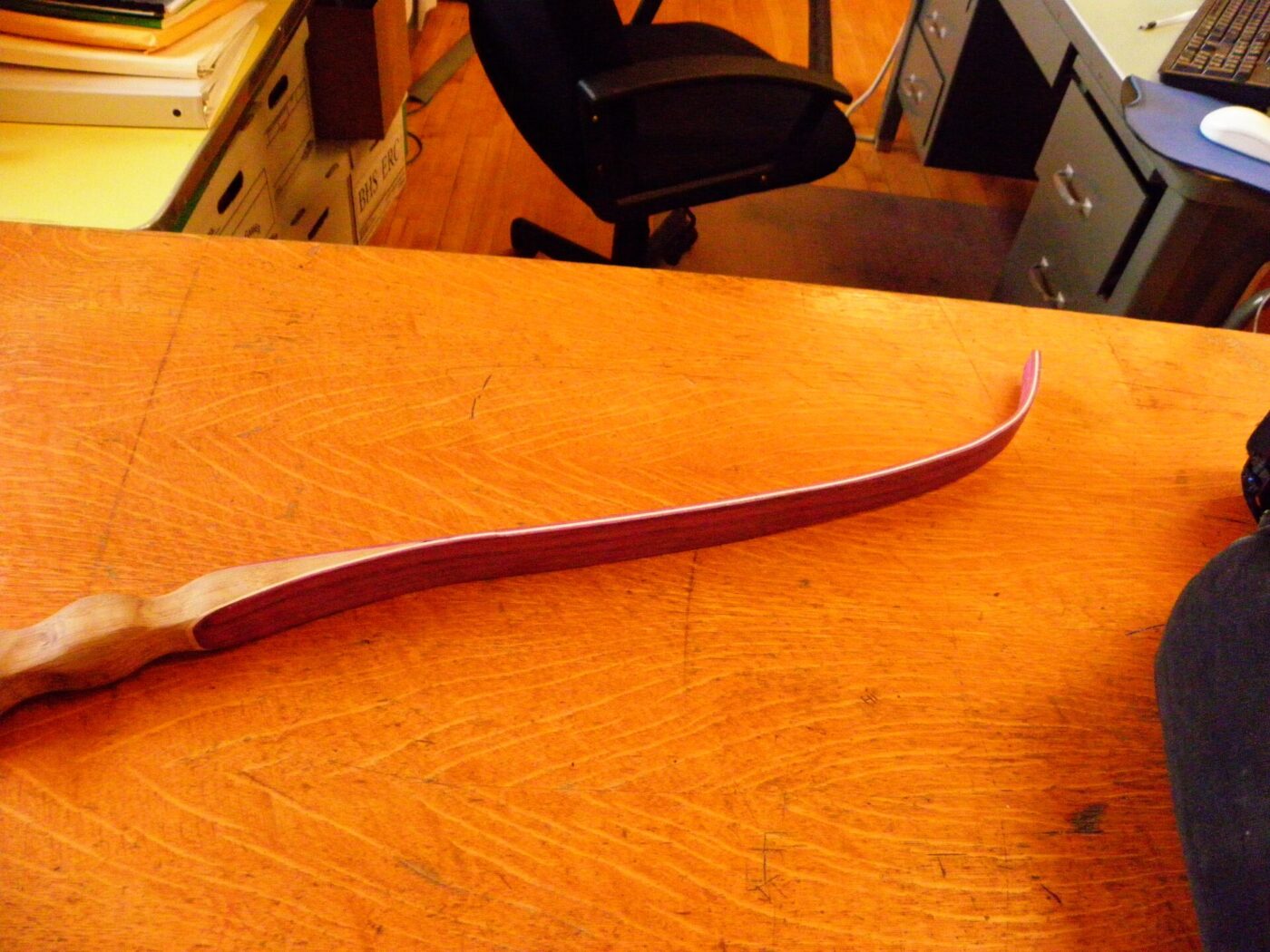
Archery 360, the Archery Trade Association’s beginner-education site, says starting with a lower draw weight is the best way to eventually find an archer’s real optimal weight, and warns that starting with a very high draw weight risks an injury that could end an archer’s interest in the sport before it starts.
The same article is direct about what that weight actually buys: a high draw weight does not equal high scores, and an arrow that flies well through wind does little good if the archer cannot control the shot that sent it there. Its recommendation for building weight is gradual — small steps, such as increasing tiller-bolt tension by about half a turn every two weeks, rather than jumping straight to a heavier setup.
The Archery Trade Association’s own line on this is direct: a high draw weight does not equal high scores. A bow held steady through a full shot beats one that is merely strong enough to pull back once.
Marked draw weight versus what you can actually hold
USA Archery points new archers toward clubs with certified coaches rather than at a specific poundage, and its own materials note that all USA Archery club coaches are certified instructors trained to set up a range safely and teach students to shoot responsibly — which in practice means a first-timer’s earliest draws are usually matched to them by an instructor instead of picked off a shelf. Most participating clubs also supply beginner equipment, so nothing has to be bought before that first session.
That outside check matters because a shop or a coach can watch what a printed number cannot: whether an archer can actually reach full draw with proper form, hold it, and release cleanly. Archery 360’s guidance for building weight afterward stays incremental, in small steps rather than large jumps, whether that means adjusting an existing bow’s tiller bolts or eventually moving to a heavier set of limbs.
A certified coach or a shop that checks actual draw length settles the fitting question better than a number stamped on a limb. USA Archery frames its clubs and certified coaches as part of why archery’s injury rate is already low, not as an optional extra.
Takedown recurves and upgrading limbs
A takedown recurve separates into a riser, the center handle section holding the grip and sight mounting, and two limbs that bolt onto it. A one-piece recurve does not split apart that way, so upgrading draw weight later means buying an entirely new bow.
Replaceable limbs let an archer keep the same riser, grip and sight setup and swap only the limbs for a heavier pair once strength and form have caught up, which fits the same gradual approach Archery 360 recommends for smaller tiller-bolt adjustments — just for archers who have already outgrown what that small adjustment range can cover.
A takedown recurve turns “the bow is too light now” into a limb swap instead of a second bow. That only matters if the riser, the part staying the same, fits properly to begin with.
Arrow spine and matching arrows to draw weight
Archery 360 explains arrow spine as how much an arrow flexes, and says higher draw weights require stiffer arrows; arrows that flex too much or too little for the bow fly erratically. The same article notes that archers who add a heavier point without adjusting for it often cannot tell why their arrows suddenly fly worse, since the point weight changes the effective spine.
Its guidance for avoiding that is simple: stick to a manufacturer’s spine chart rather than guessing, since deviating from it can hurt accuracy. For a beginner, that means buying arrows matched to the bow’s actual draw weight and the archer’s real draw length, not a generic multi-pack sized for an average.
Range rules, dry-firing and backstops

NFAA’s official range guidelines give sample range rules that include a direct line on this: always have an arrow nocked when drawing, to eliminate the possibility of a dry fire. The same rule set bars shooting obviously damaged or defective equipment and prohibits alcohol or drug use on range premises, and NFAA-certified ranges are built with calculated clearance zones to each side and behind every target butt specifically so an errant arrow cannot leave the property.
Archery 360 describes what a dry fire actually does to the bow that no arrow was there to absorb: shock waves blast through the bow’s moving parts, which can damage cams and limbs, loosen screws, snap the bowstring and send pieces flying. Compound bows take the most damage because of their added hardware, but a recurve’s limbs, string and the archer’s own hand and face are still in the path of that same released energy. A snapped string or a broken-off piece can cause aches and bruises at best, and Archery 360 says it can cut a hand or injure an eye at worst.
NFAA’s own range-rules language ties dry firing to one habit: always keep an arrow nocked when drawing. A bow drawn and released with nothing on the string has nowhere to send the energy except back through its own limbs, string and the archer holding it.
The shortlist
Paid links: we earn a commission if you buy through the buttons below, at no extra cost to you. As an Amazon Associate I earn from qualifying purchases.
Compared on fitting the bow to the archer
| Product type | Best for | Risk estimate | Where to buy |
|---|---|---|---|
| Takedown Recurve Bow with Replaceable Limbs | Growing into a heavier draw later | 22/100 | See listings on AmazonOpens Amazon search results, not one listing: check the model on the product page. |
| Carbon Target Arrows Matched by Spine | Arrows matched to the real draw weight | 15/100 | See listings on AmazonOpens Amazon search results, not one listing: check the model on the product page. |
| Arm Guard and Finger Tab Set | Basic protection for string and fingers | 8/100 | See listings on AmazonOpens Amazon search results, not one listing: check the model on the product page. |
Risk estimate is our editorial Fear Index for the product type (lower is safer), not a customer rating. How it is scored.
Takedown Recurve Bow with Replaceable Limbs
A takedown bow turns a too-light draw weight into a limb swap instead of a second bow, as long as the riser fits properly to begin with.
- Limbs swap without buying a new riser
- Sold across a range of draw weights
- Keeps the same sight and rest mounting
- Replacement limbs are a separate cost
- Riser quality still varies by price
Carbon Target Arrows Matched by Spine
Archery 360’s own guidance is that arrows flexing too much or too little fly erratically, and that deviating from a manufacturer’s spine chart can hurt accuracy.
- Spine selected for the real draw weight
- Carbon resists the warping wood arrows get
- Consistent spine within a matched set
- Wrong spine still flies poorly
- Needs rechecking if draw weight changes
More: Sports and Recreation analyses and how the Fear Index is scored.
Sources
- NFAA Range Guidelines and Round Summaries — National Field Archery Association
- How Much Draw Weight Does Your Recurve Bow Need — Archery 360 (Archery Trade Association)
- Understanding Arrow Spine — Archery 360 (Archery Trade Association)
- Everything You Should Know About Dry-Firing Bows — Archery 360 (Archery Trade Association)
- Try Archery: Getting Started — USA Archery
Questions people actually ask
How do I know what draw weight to start with on a recurve bow?
The Archery Trade Association’s guidance is to start lower than feels impressive. A draw weight is only useful if it can be held with control, and starting too heavy risks an injury serious enough to end an archer’s interest in the sport.
What is a takedown recurve bow?
A riser, the handle section, with two limbs that bolt on separately rather than one solid piece. The limbs can be swapped for a heavier pair later without replacing the riser, sight mounts or grip.
Why does arrow spine matter?
Spine is how much an arrow flexes. The Archery Trade Association says higher draw weights need stiffer arrows, and arrows that flex too much or too little for the bow fly erratically, so arrows should be chosen from a manufacturer’s spine chart.
What happens if you dry-fire a recurve bow?
The energy meant for the arrow goes through the bow’s own limbs and string instead, which can crack limbs, snap the string or send pieces flying. NFAA range rules exist partly to prevent this by requiring an arrow to be nocked whenever a bow is drawn.