
Full-Face Snorkel Masks Feel Easier to Breathe In, and That Comfort Is Where Questions Start
A full-face snorkel mask feels easier to breathe in, but CO2 can build up if a valve or seal fails. What regulators found, and when a traditional set is safer.

On this page 6 sections
- Why full-face masks came under scrutiny
- Full-face design: dead space, valves and getting it off in a panic
- A traditional mask and dry-top snorkel: what a swimmer has to do right
- A vest and a buddy matter more than which mask is on your face
- The conditions and health factors behind most snorkeling deaths
- The shortlist
A full-face snorkel mask covers the whole face and lets a swimmer breathe through the nose and mouth at once, which is exactly why it feels easier than clenching a mouthpiece. That comfort is also the part regulators and pediatric researchers have started asking harder questions about.
A traditional mask and separate snorkel have not disappeared because they are outdated; they fail in ways a swimmer can feel and fix mid-swim. The two designs are not interchangeable, and the evidence on which one is safer depends heavily on who is wearing it and where.
Fear Index · High risk
A mask that trades effort for an unfamiliar failure mode
CPSC says one popular full-face snorkel mask could let carbon dioxide build up inside it and cause labored breathing, after five consumers reported trouble breathing, lightheadedness or loss of consciousness.
Why full-face masks came under scrutiny
In 2026, CPSC warned consumers to immediately stop using one specific full-face snorkel mask, the OUSPT, after five reports of trouble breathing, lightheadedness or loss of consciousness and one lawsuit alleging the mask contributed to a drowning death. About 84,000 units had been sold on Amazon between March 2019 and February 2026.
CPSC’s stated concern was direct: the mask “can give rise to increased levels of carbon dioxide which can exacerbate the difficulty of breathing in the mask,” on top of labored breathing that could itself cause loss of consciousness. That warning covers one product, not a blanket finding about every full-face mask on the market, but it names the specific failure mode the rest of this comparison turns on.
A single product warning is not proof every full-face mask shares the same flaw, but it shows the failure mode regulators are watching for.
Full-face design: dead space, valves and getting it off in a panic
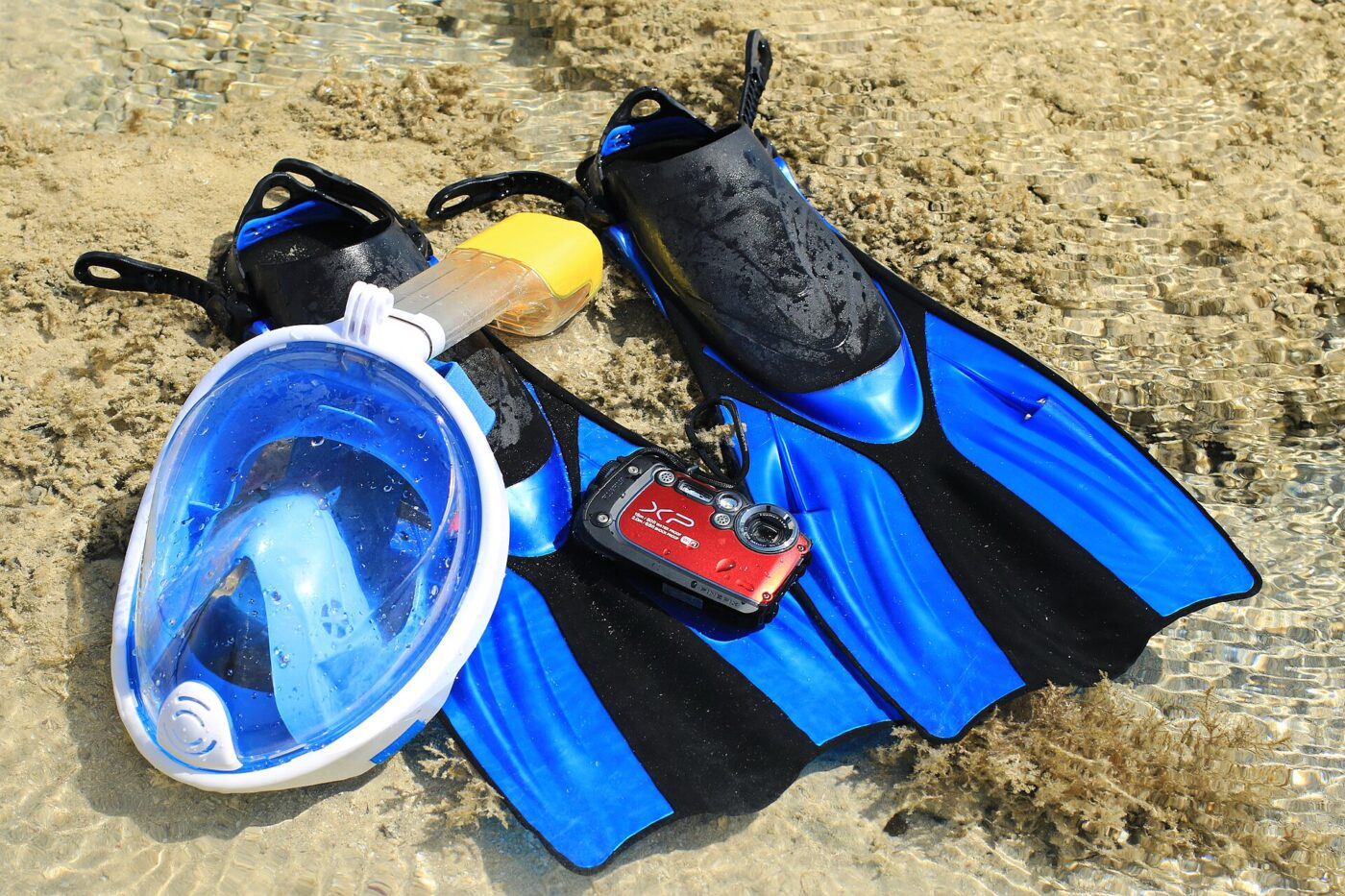
A full-face mask separates fresh and exhaled air using one-way valves, meant to keep the air a swimmer just breathed out from mixing back into the next breath. A case series published on full-face masks and children describes how that system fails: a cracked seal, a stuck valve or simple wear lets exhaled, CO2-rich air recontaminate the breathing chamber.
The same case series measured the mask’s mechanical dead space — air trapped inside it between breaths — at roughly 250 to 1,470 mL depending on the model and its condition, against a tidal volume of only about 140 to 200 mL in a 20 kg child. When dead space exceeds tidal volume, a child is mechanically forced to rebreathe some of their own exhaled CO2 even with a working valve.
The authors reviewed three pediatric cases, ages 4 to 6, including two non-fatal drownings and one cardiac arrest from drowning, and were explicit about the limits of that evidence: the report “does not allow us to draw generalized conclusions about the incidence or prevalence” of the problem. What they call the strength of the report is the consistency between the clinical cases, the physiology of rebreathing, and the measured dead-space numbers — a plausible mechanism, not a proven rate of harm.
A young child’s lungs can be smaller than the dead space some full-face masks were built around — a mismatch a traditional mouthpiece snorkel does not have.
A traditional mask and dry-top snorkel: what a swimmer has to do right

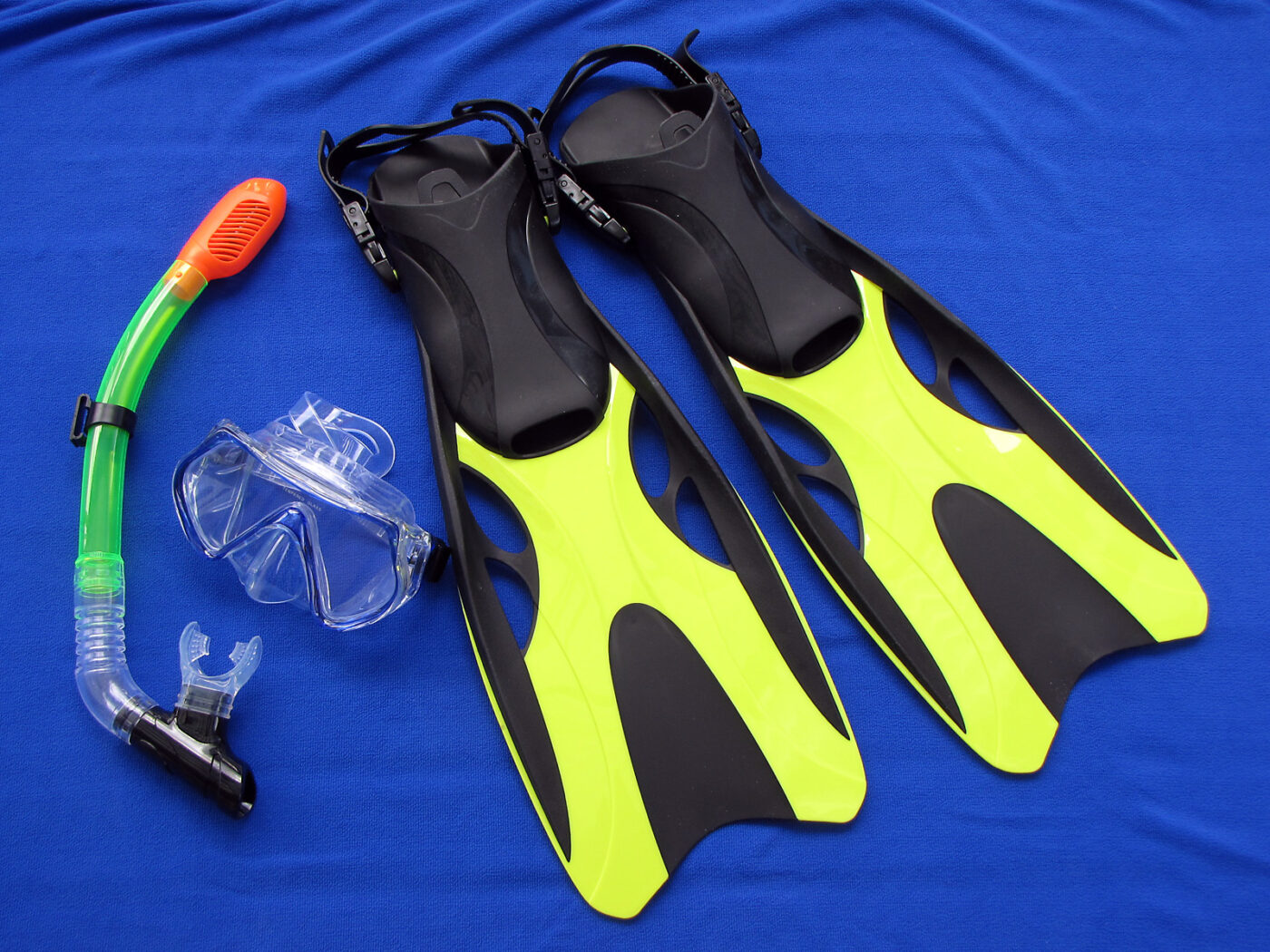
A traditional mask and snorkel put the swimmer in charge of the air path: a mouthpiece has to be gripped correctly, water that enters the tube has to be cleared by exhaling forcefully, and a flooded mask has to be cleared or removed. A dry-top snorkel adds a float valve at the top that closes when submerged, which reduces, without eliminating, how much water gets in.
That extra demand on technique comes with one advantage a full-face mask cannot match the same way: the mouthpiece can be spit out in an instant. A swimmer in trouble with a traditional set can stop breathing through the device immediately; a full-face mask’s single sealed unit covering the whole face is a different kind of thing to get off in a panic.
A traditional set asks more of a swimmer’s technique and gives back one thing a full-face mask cannot: an instant way to stop breathing through the device.
A vest and a buddy matter more than which mask is on your face
CDC’s guidance on drowning risk factors says life jackets can prevent drowning during water activities, and that 83% of boating fatalities involved people who were not wearing one. An inflatable snorkel vest applies the same logic to snorkeling: it provides backup flotation passively, without requiring the wearer to stay conscious to activate it, regardless of which mask is on their face.
Hawaii’s state ocean safety program, which fields more visitor snorkeling deaths than any other single ocean activity, advises checking conditions and lifeguard status before entering the water, considering a guided tour or certified instructor, and renting gear from a reputable, licensed operator rather than treating the mask as the only variable that matters.
A vest and a buddy address the outcome — going unconscious in the water — regardless of which mask caused it.
The conditions and health factors behind most snorkeling deaths
CDC records roughly 4,000 fatal and 8,000 nonfatal drownings in the US each year, and says more children ages 1 to 4 die from drowning than from any other cause. Alcohol is a factor in up to 70% of recreation-related water deaths and close to a quarter of emergency department visits for drowning, the agency says, well before mask choice enters the picture.
Hawaii’s ocean safety guidance for snorkelers centers on the same fundamentals: be an experienced, fit ocean swimmer familiar with surf and current risks, do not swim past the reef into open water, and take a few minutes to assess conditions before getting in.
Fitness, alcohol and unfamiliar surf show up in the data more consistently than the brand of mask.
The shortlist
Paid links: we earn a commission if you buy through the buttons below, at no extra cost to you. As an Amazon Associate I earn from qualifying purchases.
Compared on getting air right in the water
| Product type | Best for | Risk estimate | Where to buy |
|---|---|---|---|
| Tempered-Glass Mask and Dry-Top Snorkel Set | A traditional two-piece set | 30/100 | See listings on AmazonOpens Amazon search results, not one listing: check the model on the product page. |
| Inflatable Snorkel Vest | Backup flotation for either mask | 20/100 | See listings on AmazonOpens Amazon search results, not one listing: check the model on the product page. |
| Short Snorkeling Fins | Fins that keep a swimmer moving without cramping | 22/100 | See listings on AmazonOpens Amazon search results, not one listing: check the model on the product page. |
Risk estimate is our editorial Fear Index for the product type (lower is safer), not a customer rating. How it is scored.
Tempered-Glass Mask and Dry-Top Snorkel Set
A traditional mouthpiece can be dropped in an instant — a recovery option a full-face mask’s shared air path does not offer the same way.
- No shared air path or one-way valves to fail
- Dry-top valve limits water at the surface
- Mouthpiece can be spit out in one motion
- Requires learning to clear and equalize
- Less comfortable for shallow breathers
Inflatable Snorkel Vest
CDC says life jackets prevent drowning during water activities; an inflatable vest applies the same logic to snorkeling gear.
- Works regardless of which mask is worn
- Passive once inflated, no action needed
- Low cost next to either mask style
- Does not fix a mask’s air-path problem
- Still requires knowing how to use it
More: Sports and Recreation analyses and how the Fear Index is scored.
Sources
Questions people actually ask
Are full-face snorkel masks dangerous?
CPSC has warned that at least one full-face model let carbon dioxide build up and cause labored breathing, after reports of lightheadedness and lost consciousness. That is one product, not proof every full-face mask shares the flaw, but the failure mode is one traditional masks do not have.
Why would a full-face mask cause CO2 buildup?
A small case series found some full-face masks have mechanical dead space, air trapped inside between breaths, that can exceed a young child’s tidal volume, forcing rebreathing of exhaled carbon dioxide if a valve or seal fails.
Is a traditional snorkel mask safer than a full-face one?
It asks more of a swimmer’s skill, since clearing water and equalizing are manual, but the mouthpiece can be dropped instantly, which a full-face mask’s shared air path does not allow in the same way.
Do I need a life vest to snorkel?
It is not required, but CDC says life jackets prevent drowning during water activities, and an inflatable snorkel vest applies the same backup flotation to either mask style.
What actually causes most snorkeling deaths?
Hawaii’s ocean safety program and CDC both point to fitness, unfamiliar conditions such as surf and currents, supervision and alcohol as recurring factors, alongside whichever equipment was worn.