
Swim Goggles Leak From Poor Fit and Fog Once the Coating Wears Away
Goggles fog when moist air meets a cool lens and the anti-fog coating wears off, and leak when the seal does not fit your face. Here is what price fixes.

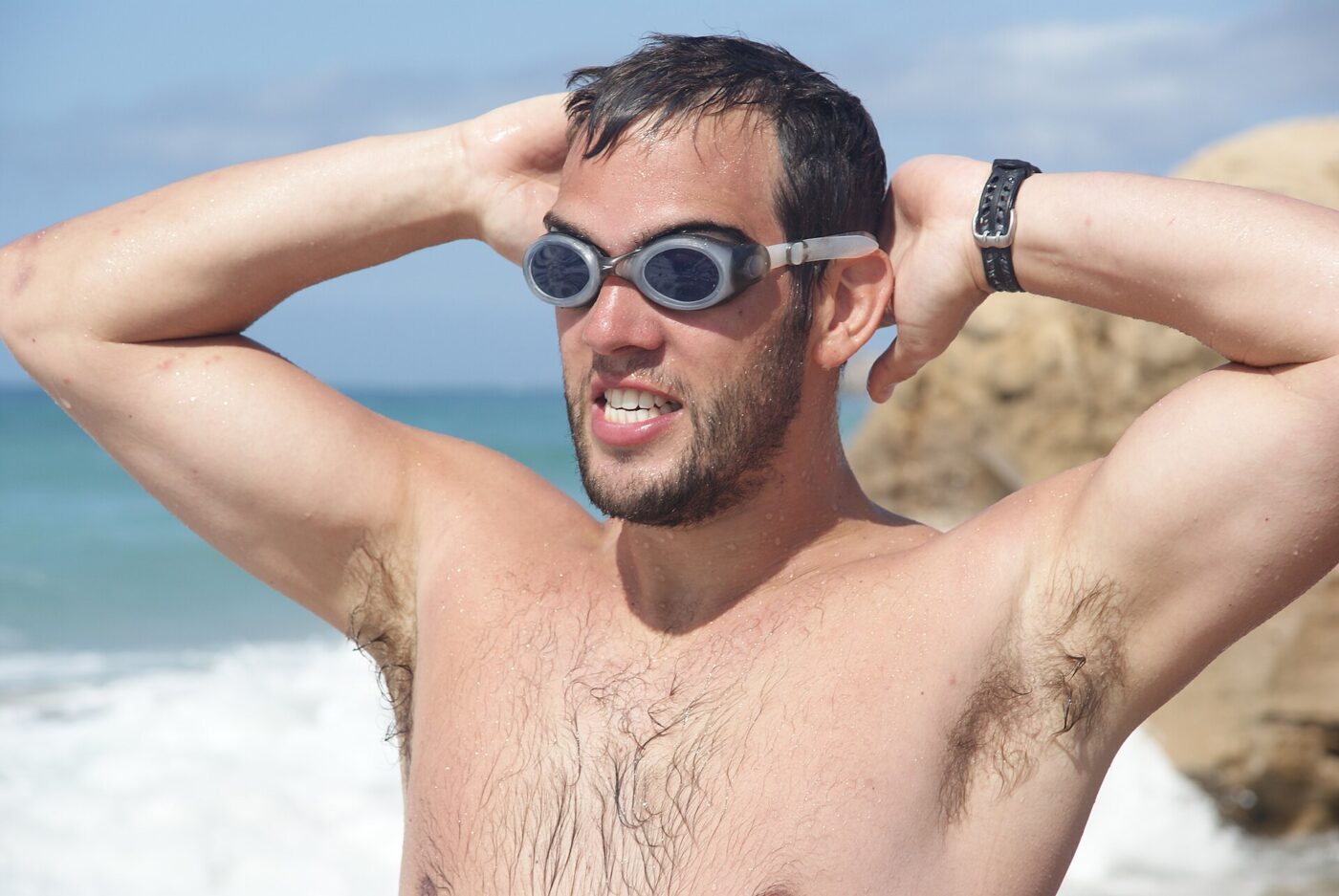
Goggles have two jobs, keeping water out and keeping the view clear, and they tend to fail at both in predictable ways. New goggles leak because they do not match the face. Older goggles fog because the treatment that kept them clear has worn off.
Neither problem is reliably solved by spending more. Price buys lens materials, tints and more durable anti-fog methods, but the seal and the care routine decide how long a pair stays useful.
Fear Index · Think twice
Paying for features when the problem is fit
The common regret is replacing goggles repeatedly, at rising prices, when the leak comes from seal shape and the fog from a coating that was rubbed away.
Why goggles fog
Fog is condensation. Speedo’s explanation is the standard one: warm, wet air, usually from your body heat, condenses on lenses that are cooler than that air. The colder the pool relative to your face, the stronger the effect, which is why the same goggles can stay clear in a warm indoor pool and fog in an outdoor one.
Anti-fog treatments do not stop condensation forming; they change how it behaves, so moisture spreads into a clear film instead of scattering light as tiny droplets. How the treatment is applied matters. Speedo describes spraying anti-fog onto the inside of its rigid lenses, while its flexible lenses are impregnated with the solution during manufacturing, which it says is more durable and will not wear away.
A sprayed coating is a thin layer, and it wears. Speedo also notes that with regular use goggles can outlive their anti-fog coating, so an older pair that has started to fog may simply be at the end of its treated life.
Never wipe the inside of a coated lens with a finger, towel or shirt. Rinse it and let it dry.
Why goggles leak
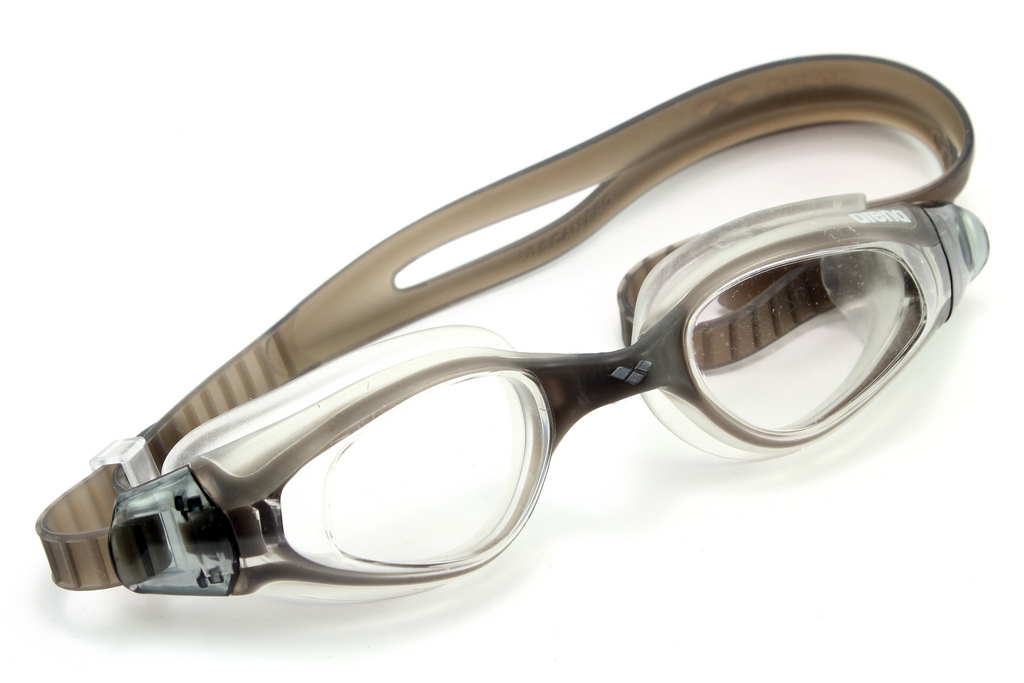
A goggle seals where its gasket meets the bone around the eye socket. Faces differ in socket depth, the width between the eyes and the shape of the brow, and no single gasket suits all of them. The American Academy of Ophthalmology’s advice is to choose goggles that fit snugly and create a watertight seal.
A quick fitting check helps: without using the strap, press the goggles gently into your eye sockets. A pair whose shape suits you will hold briefly by suction. If it will not, tightening the strap will only force a seal that leaks as soon as you turn your head.
Overtightening is the most common fix that makes things worse. A strap pulled hard flattens and creases the gasket, which opens small channels for water, and leaves pressure marks around the eyes.
| Problem | Likely cause | What to try |
|---|---|---|
| Leaks at the outer corners | Frame too wide or strap sitting too low | Raise the strap angle or try a narrower frame |
| Leaks on the nose side | Nose bridge the wrong width | Swap to a different bridge size |
| Pressure marks, headache | Strap overtightened | Loosen until the seal just holds |
| Fogging on an older pair | Anti-fog coating worn or rubbed away | Anti-fog spray or a new pair |
| Fogging mid-session | Warm skin and air meeting a cool lens | Dip in the pool to equalize, avoid wiping |
What more money buys
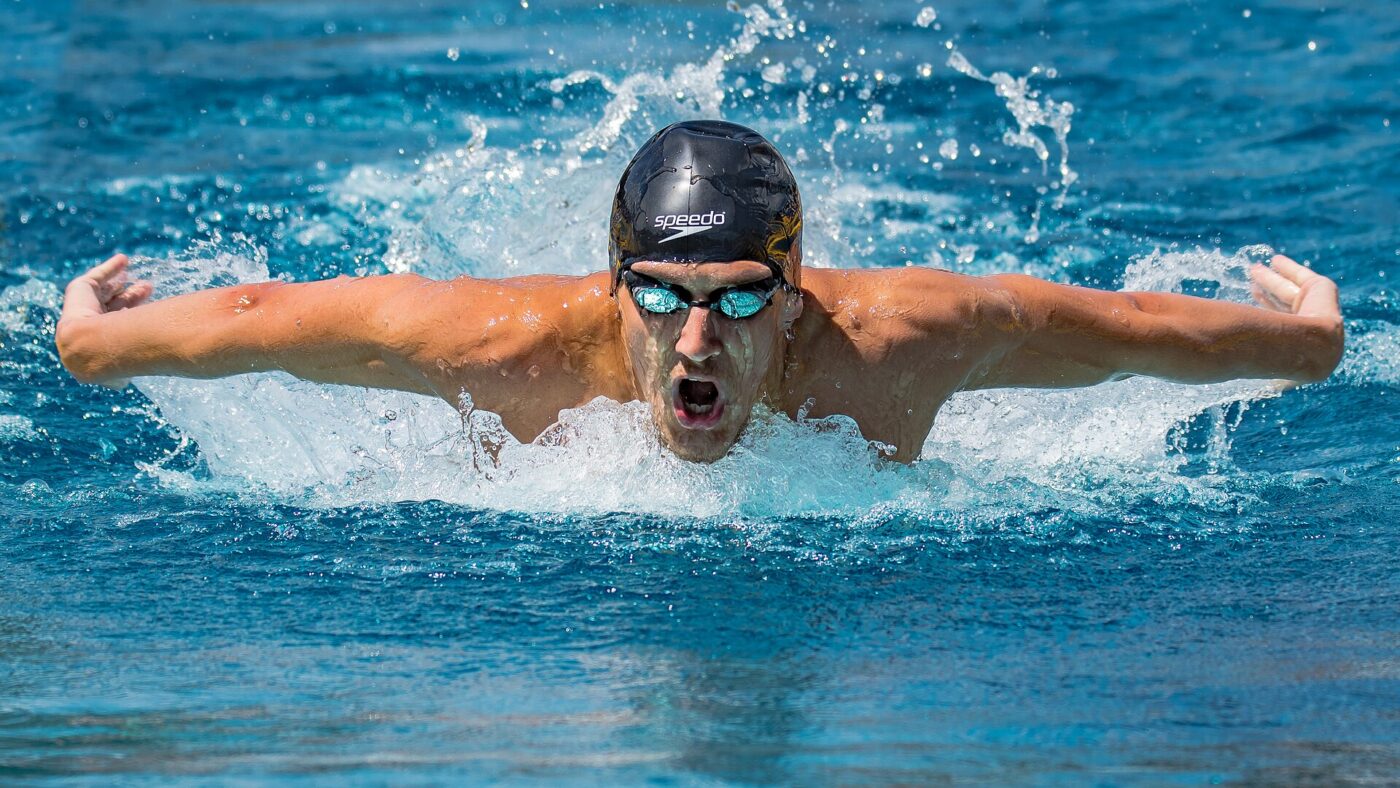
Inexpensive goggles and premium ones often share the same basic construction: a polycarbonate lens, a silicone gasket and a split strap. Paying more typically buys a more durable anti-fog method, better optical clarity, mirrored or polarized tints, a lower-profile racing shape or prescription lenses.
None of those guarantee a seal. Low-profile racing goggles in particular sit inside the eye socket and suit some faces far better than others. Because a sprayed anti-fog coating wears, it is reasonable to treat goggles as a consumable and budget for replacing them, rather than paying a premium in the hope that a pair lasts indefinitely.
- Clear lenses suit indoor pools and low light.
- Tinted or mirrored lenses cut glare outdoors but darken indoor pools.
- Soft silicone gaskets are more forgiving across face shapes than hard, gasketless designs.
- Interchangeable nose bridges are the cheapest route to a better fit.
- Optical or prescription lenses are the answer for swimmers who would otherwise wear contact lenses in the water.
Care that keeps a pair working
Speedo’s care advice is short: keep goggles in a protective pouch to avoid scratching or rubbing, clean the lenses after every swim by gently washing off chlorine with lukewarm water, let them dry, and on coated lenses avoid rubbing or touching the inside, which can start to remove the coating. It also tells swimmers to read the instructions for their particular goggle and coating type.
Once the original coating is gone, anti-fog sprays and drops can restore clear vision for a while. Follow the product directions, and expect to reapply. Keep goggles out of hot cars, where heat is hard on silicone seals and straps.
Contact lens wearers should not rely on goggles to keep water out. The AAO says wearing contacts in any water, including pools, puts you at high risk for a corneal infection, and the CDC advises removing lenses before swimming. Both point to prescription goggles as an option. If you do swim in contacts and your eyes become painful, red or blurry afterward, remove the lenses and see an eye doctor promptly.
The shortlist
Paid links: we earn a commission if you buy through the buttons below, at no extra cost to you. As an Amazon Associate I earn from qualifying purchases.
Compared on the problem they solve
| Product type | Best for | Risk estimate | Where to buy |
|---|---|---|---|
| Anti-Fog Swim Goggles with Silicone Gaskets | Everyday lap swimming | 30/100 | See listings on Amazon |
| Swim Goggle Anti-Fog Spray | Reviving a worn coating | 22/100 | See listings on Amazon |
| Optical Prescription Swim Goggles | Nearsighted swimmers, stock powers | 34/100 | See listings on Amazon |
Risk estimate is our editorial Fear Index for the product type (lower is safer), not a customer rating. How it is scored. The buttons open Amazon search results rather than one listing, so check the model on the product page.
Anti-Fog Swim Goggles with Silicone Gaskets
Do the strapless suction check before committing. Rinse after every swim and never wipe the inside.
- Soft gasket suits more face shapes
- Interchangeable bridges fine-tune fit
- Cheap enough to replace when fogging starts
- Sprayed coatings wear with use
- Fit still varies by face
Swim Goggle Anti-Fog Spray
If a pair seals well but has started to fog, a spray is cheaper than hunting for another goggle that fits as well.
- Restores clear vision on worn lenses
- Inexpensive
- Keeps a well-fitting pair in use
- Needs regular reapplication
- Results vary by product
More: Sports & Recreation analyses and how the Fear Index is scored.
Questions people actually ask
Why do my swim goggles keep fogging up?
Warm, moist air from your face condenses on the cooler lens. Anti-fog coatings reduce this but wear off with use and rubbing, so older goggles fog more.
How do I stop my goggles from leaking?
Check that the gasket shape suits your eye sockets, try a different nose bridge size and loosen an overtightened strap, which can crease the seal and let water in.
Should you wipe the inside of anti-fog goggles?
No. Speedo advises avoiding rubbing or touching coated lenses because it can start to remove the anti-fog coating. Rinse gently and let them dry.
Can I wear contact lenses under swim goggles?
The American Academy of Ophthalmology advises skipping contacts when swimming because of infection risk, and the CDC says to remove them before swimming. Prescription goggles are an option.