
A Pickleball Paddle Goes Dead From the Inside Long Before the Face Wears
Why pickleball paddles develop dead spots or turn springy, how to spot core crush and delamination, and which approved list your event actually uses.

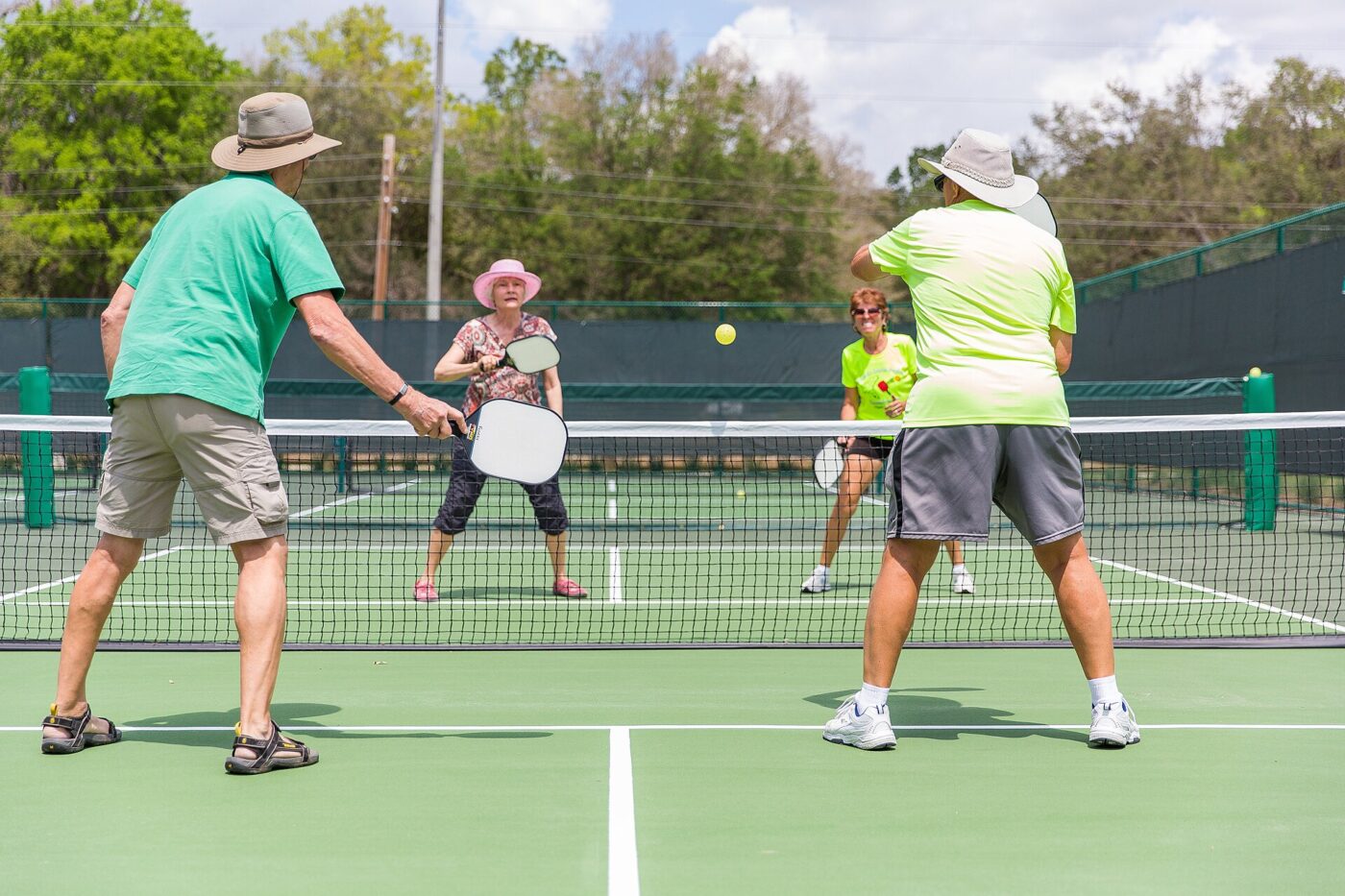
Pickleball paddles do not usually crack or chip before they wear out. They change quietly. The sweet spot feels flat, a patch of the face sounds different, or the paddle suddenly launches balls long that it used to control.
Those symptoms come from inside the paddle, where a lightweight core and a thin bonded face absorb thousands of impacts. Understanding that structure explains why paddles go dead, why some get more powerful as they break in, and why the second problem matters to tournament players.
Fear Index · Think twice
Damage that changes play without looking like damage
The face can look nearly new while the core underneath has collapsed or separated, so players keep using a paddle that no longer plays consistently.
What happens inside a paddle
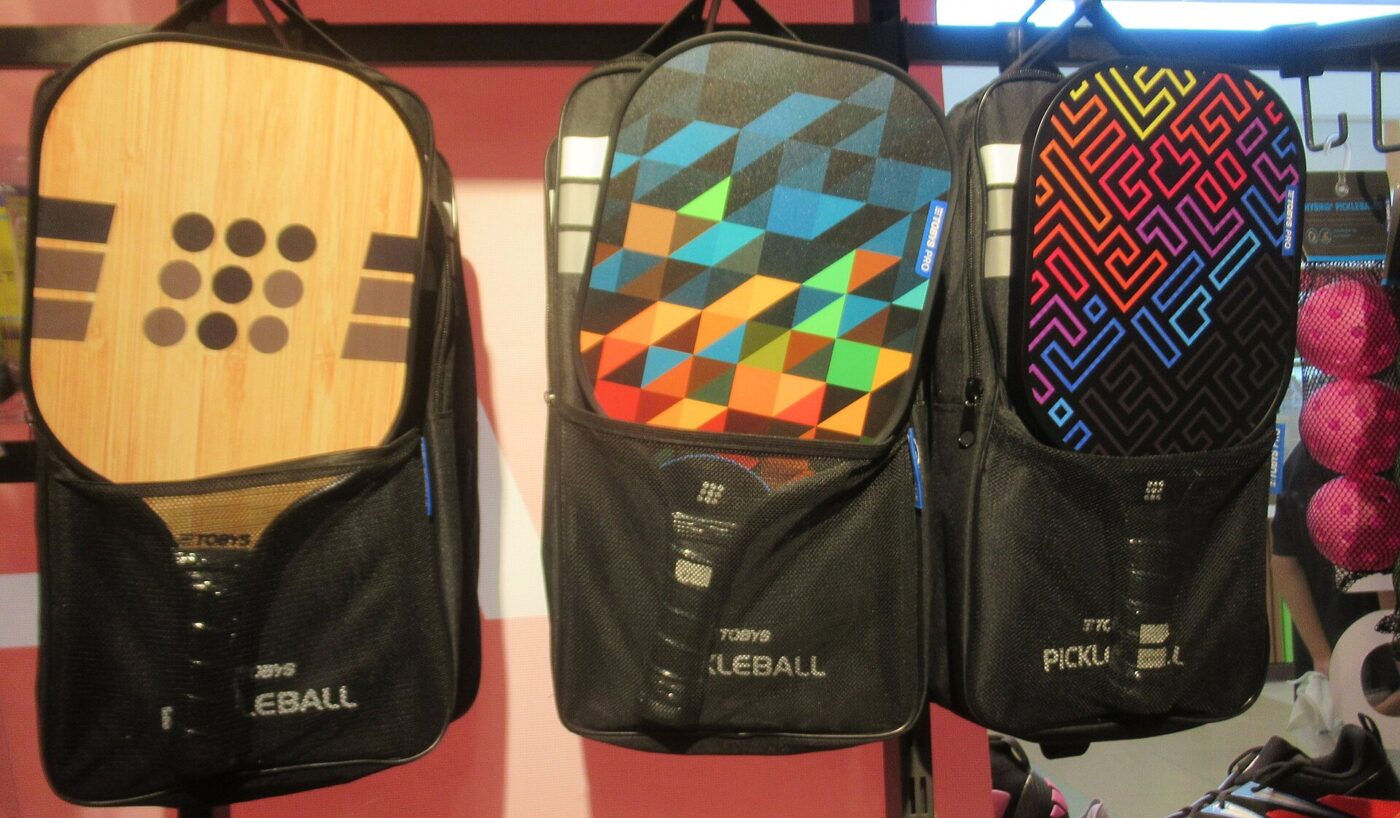
A typical modern paddle is a sandwich. The middle is a honeycomb of thin polymer cells, most often polypropylene, a set thickness such as 13 or 16 millimeters. On each side sits a thin face of fiberglass, carbon fiber or a composite, bonded to the honeycomb with resin or adhesive. An edge guard or a sealed, foam-filled perimeter closes the sandwich.
Core crush is the collapse of those honeycomb cells. Every hit compresses them slightly, and hard, repeated impacts in the same area, usually the sweet spot, can buckle the cell walls permanently. The crushed patch no longer supports the face evenly, so the ball comes off with less control and a duller sound.
Delamination is a different failure: the bond between face and core lets go. A separated face can flex like a drum skin over the core, which tends to add pop rather than remove it, but in an uneven, unpredictable way. The two often travel together, since crushed cells give the adhesive less to hold.
| Symptom | Likely cause | What it means |
|---|---|---|
| Flat, dead feel in the sweet spot | Crushed honeycomb cells | Less control and consistency in that zone |
| Hollow, crunchy or louder sound in one area | Face separating from the core | Delamination that can spread |
| Sudden extra pop, balls sailing long | A face flexing off a damaged core | A possible compliance problem for sanctioned play |
| Soft spot when pressing the face with a thumb | Local crush or separation | Time to retire it or check the warranty |
| Rattle when the paddle is shaken | Loose material inside | Internal damage |
Why a broken-in paddle can become illegal

USA Pickleball’s equipment rules have long prohibited springs, flexible membranes and any compressible material that creates a trampoline effect. For years the main lab check was a static deflection test of face stiffness, which the organization itself described as a surrogate for power with real limitations.
In late 2024 its Equipment Evaluation Committee added a dynamic test, the Paddle-Ball Coefficient of Restitution, or PBCoR. An air cannon fires a ball at the paddle at around 60 miles per hour and the inbound and outbound speeds are compared. The rulemaking notice set a not-to-exceed value of 0.44 from November 2024, stepping down to 0.43 from November 2025. From October 1, 2026, paddles newly submitted for approval must also pass a spin-rate test, at 2,100 RPM or less.
The committee’s published FAQ is blunt about why: with growing concerns about paddles improving in performance as they break in, a paddle must comply with all certification requirements throughout its entire lifecycle. Paddles exceeding the PBCoR threshold have been decertified, although decertification applies only to sanctioned tournament play.
A paddle that hits noticeably harder than it did new is not a free upgrade. It is often a damaged paddle, and for tournament players it can be a paddle that no longer matches what was approved.
Checking the approved list properly
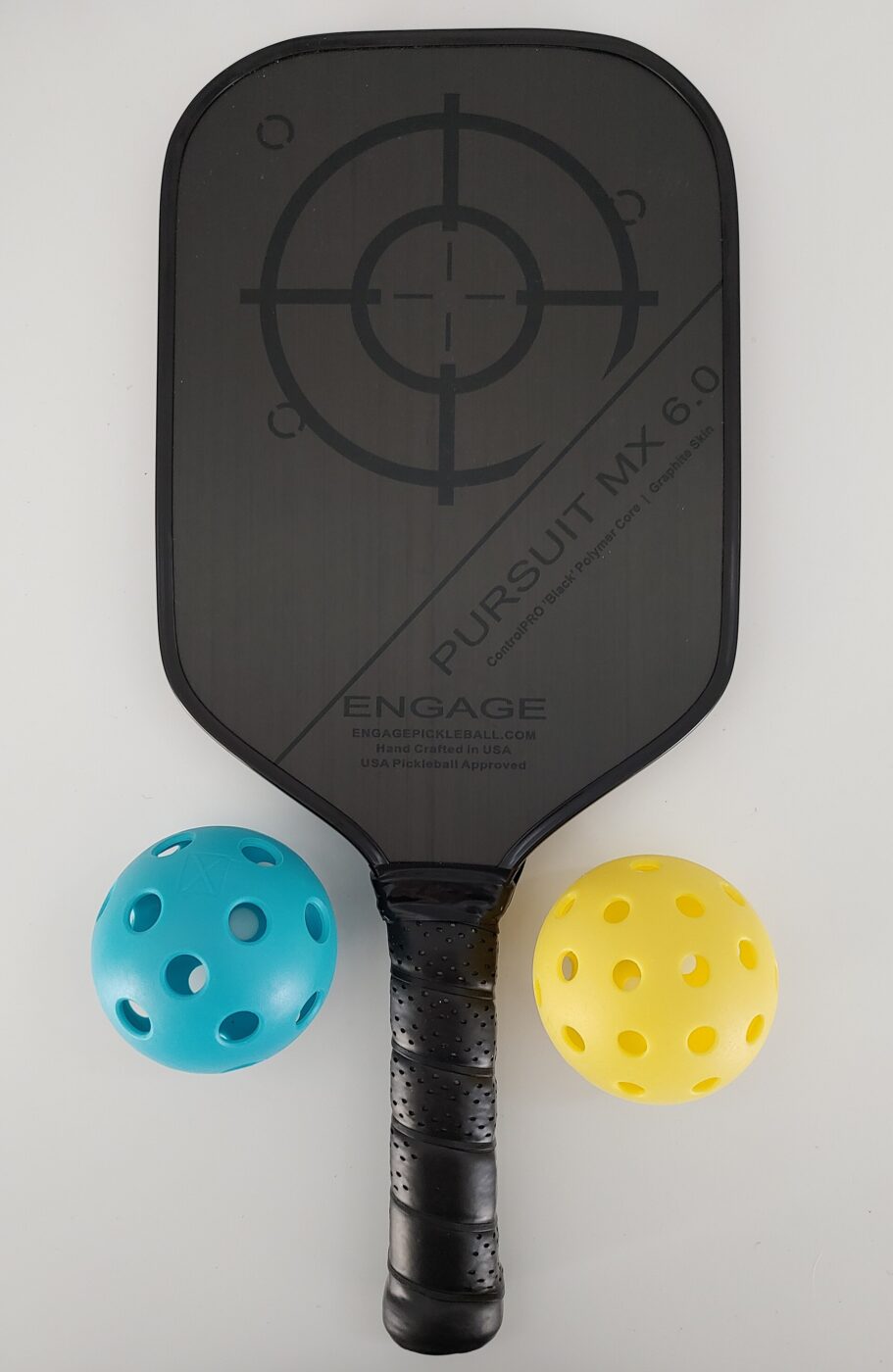
USA Pickleball maintains a searchable paddle list with more than 5,000 approved models, plus a separate compliance report showing paddles under investigation, removed from the list or with resolved issues. Both are free to check before buying.
Approval attaches to a specific model rather than a brand or a product family, so the details matter.
- Search the exact model name, including version numbers and thickness, and try partial names if the full one returns nothing.
- Check the compliance report as well as the approved list, especially for heavily discounted older stock.
- Do not assume an old approval still stands. USA Pickleball has decertified paddles that were approved before the power test and later exceeded it.
- Keep the receipt and model details so a warranty or exchange claim is straightforward if the face separates.
- Read the event rules. Tournament terms decide which paddles are allowed, and a delaminated paddle is a poor thing to bring. Professional PPA Tour and MLP events have required UPA-A certification rather than USA Pickleball approval since September 1, 2025, so check the list your event actually uses.
Making a paddle last
There is no fixed lifespan. A paddle used a few times a week by a hard-hitting player will change far sooner than one used for occasional social games, and construction methods differ enough that mileage figures from one model do not transfer to another.
What you can control is abuse. Heat is hard on adhesives and polymer cores, so a paddle left in a closed car through a summer afternoon is taking a risk it does not need. Ground strikes and paddle-on-paddle clashes load the edges and can damage the seal around the core. A cover in the bag, and edge guard tape on a paddle whose edge is thin, both help.
Rotate between two paddles if you play often, and pay attention to sound. A change in the note a paddle makes, or a patch that feels different under a thumb press, is the earliest warning most players get.
Retire a paddle when its feel or sound changes in one area, not when the grit wears off. The grit is the last thing to go.
The shortlist
Paid links: we earn a commission if you buy through the buttons below, at no extra cost to you. As an Amazon Associate I earn from qualifying purchases.
Compared on what they solve
| Product type | Best for | Risk estimate | Where to buy |
|---|---|---|---|
| USA Pickleball Approved Carbon Fiber Paddle | Sanctioned tournament play | 34/100 | See listings on Amazon |
| Fiberglass Face Pickleball Paddle | Recreational play on a budget | 30/100 | See listings on Amazon |
| Pickleball Paddle Edge Guard Tape | Protecting the edge | 12/100 | See listings on Amazon |
Risk estimate is our editorial Fear Index for the product type (lower is safer), not a customer rating. How it is scored. The buttons open Amazon search results rather than one listing, so check the model on the product page.
USA Pickleball Approved Carbon Fiber Paddle
A sensible starting point for USA Pickleball-sanctioned events. Check the model on the approved list and the compliance report; pro PPA and MLP events use the UPA-A list instead.
- Approved model you can verify
- Consistent textured face when new
- Wide choice of shapes and weights
- Can still crush or delaminate with heavy use
- Pricier to replace
Pickleball Paddle Edge Guard Tape
Edges take the knocks from low balls and ground strikes. Tape will not save a crushed core, but it removes one common source of damage.
- Protects edges from ground strikes
- Adds a little head weight for stability
- Easy to replace
- Changes balance slightly
- Does nothing for core crush
More: Sports & Recreation analyses and how the Fear Index is scored.
Sources
- Approved Pickleball Paddle List — USA Pickleball
- Approved Pickleball Equipment Database and FAQ — USA Pickleball
- NPRM 24-002: PBCoR Testing — USA Pickleball Equipment Evaluation Committee
- Paddle Compliance Report — USA Pickleball
- Update Regarding the USA Pickleball Spin Rate Test and Implementation Timeline — USA Pickleball
- Paddles: UPA-A Certification — United Pickleball Association of America
Questions people actually ask
What is core crush on a pickleball paddle?
It is the permanent collapse of the honeycomb cells inside the paddle, usually around the sweet spot. The crushed area supports the face unevenly, which causes dead spots and inconsistent response.
How do I know if my pickleball paddle is delaminated?
Common signs are a hollow or crunchy sound in one area, a soft spot when you press the face, or sudden extra pop. A separated face flexes off the core instead of staying bonded to it.
Can I use a paddle that is not on the USA Pickleball approved list?
For recreational play, yes. USA Pickleball says decertification applies to sanctioned tournament play and players can still use those paddles recreationally.
How long does a pickleball paddle last?
There is no fixed figure. It depends on how often and how hard you play, and on construction. Replace it when feel or sound changes in one area or the face starts to separate.