

A Swallowed Coin Battery Can Burn a Child’s Throat Within Hours
Reese’s Law requires secured battery doors and child-resistant packaging. How coin cells injure so fast, and what poison centers advise.

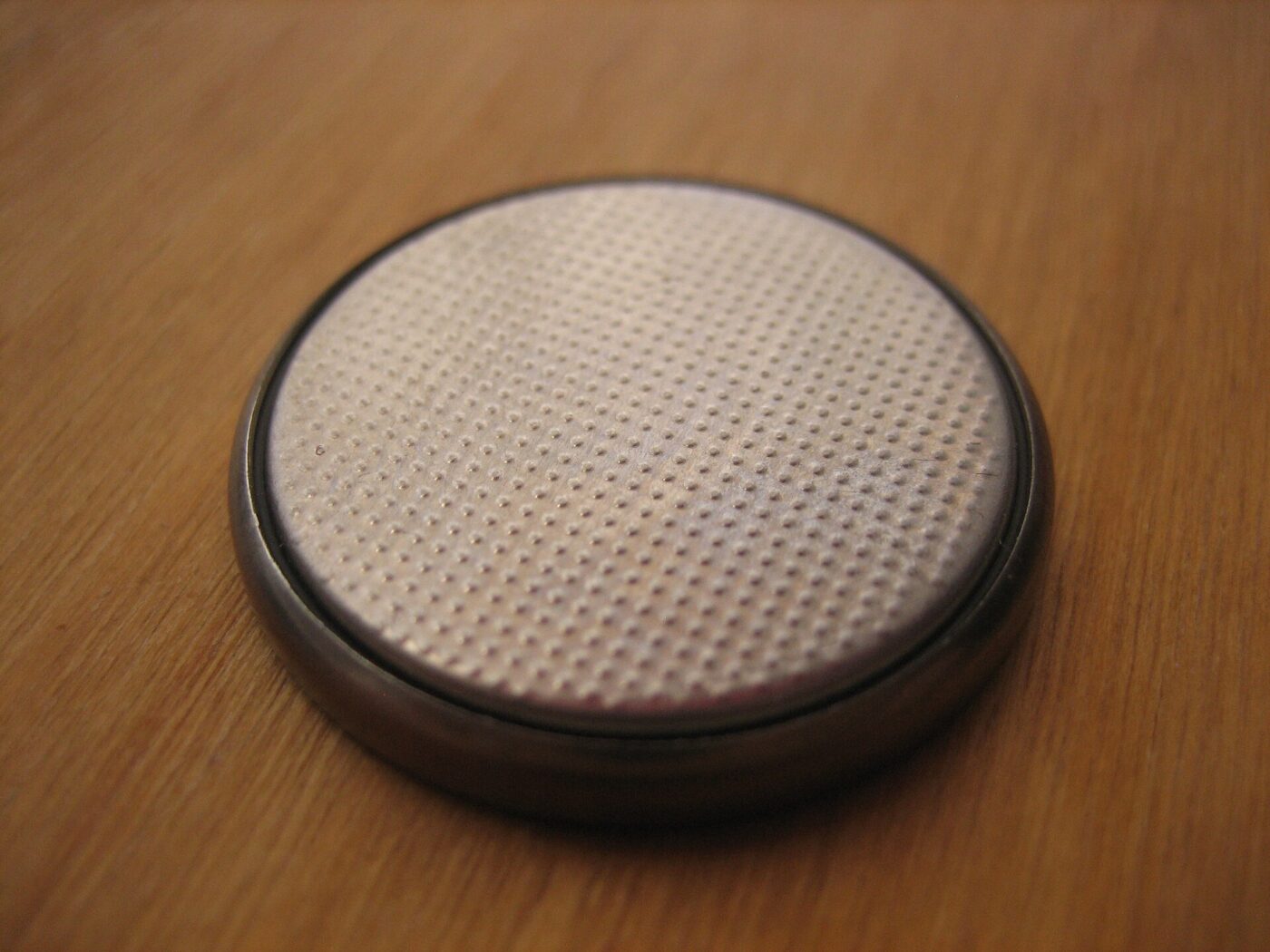
A remote control, a flameless candle and a singing greeting card can all run on the same small silver disc, and none of them look dangerous sitting on a shelf. A coin battery small enough to swallow without choking is exactly the size that gets swallowed.
The danger is not the swallowing itself. It is what the battery does once it lodges in a child’s throat, which can start within hours and does not wait for symptoms severe enough to look like an emergency.
Fear Index · High risk
A battery that looks harmless until it is stuck
CPSC said in 2023 that it was aware of 27 deaths and an estimated 54,300 emergency room-treated injuries linked to ingested or inserted button and coin batteries from 2011 through 2021.
Why a coin cell injures so fast
A swallowed battery that lodges in the esophagus generates an electrical current that produces hydroxide, a corrosive alkaline chemical, and burns the tissue around it. The National Capital Poison Center says severe damage can occur in just two hours, and that a battery stuck in the esophagus must be removed as quickly as possible.
The American Academy of Pediatrics’ HealthyChildren.org adds that voltage sets the pace: the higher the voltage of the battery, 3 volts against 1.5 volts, the faster the injury.
A battery does not have to be swallowed to do harm. AAP notes that a battery lodged in a child’s nose or ear can also cause major injury, and that a “dead” battery that no longer powers a toy or remote still carries enough charge to burn tissue.
A battery does not need to look dead to do damage. If it stopped a device from working, it can still injure a child.
What Reese’s Law actually requires
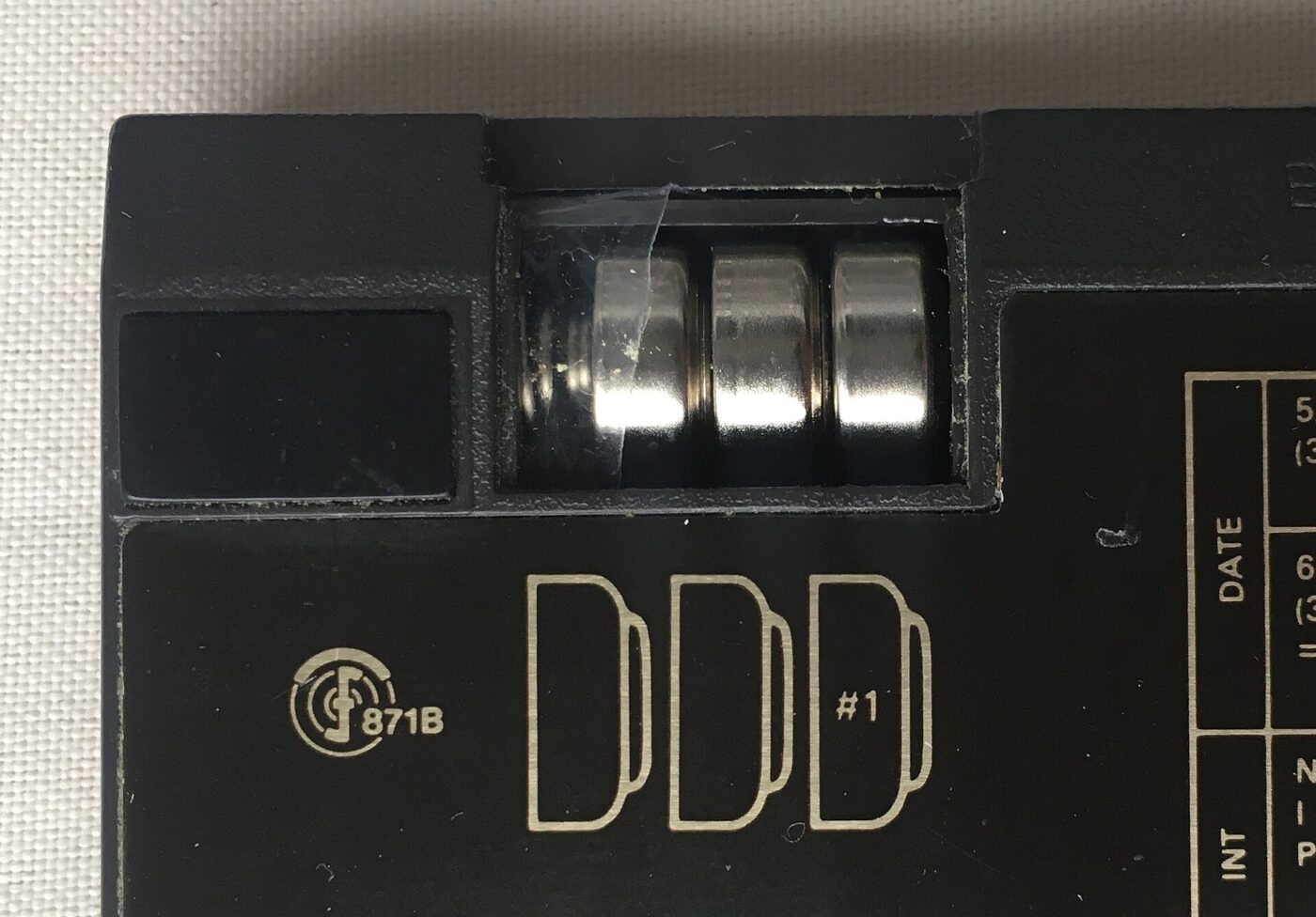
Reese’s Law, signed in 2022, gave CPSC authority to write mandatory federal rules for consumer products that use button or coin batteries. CPSC business guidance says battery compartments must be secured so that opening them takes a tool such as a screwdriver or a coin, or at least two independent and simultaneous hand movements — not a single push or a fingernail under a seam.
Two more rules cover what happens before the product is even opened. Loose replacement batteries sold separately must ship in special, child-resistant packaging under the Poison Prevention Packaging Act, a requirement that took effect February 12, 2023. Separately, CPSC finalized warning-label requirements for battery packaging, covering products manufactured or imported after September 21, 2024.
The product requirements are codified at 16 CFR part 1263 and the packaging requirement at 16 CFR 1700.15. Manufacturers and importers have to certify compliance; older inventory made before the effective dates may not meet any of it.
Where holiday gadgets hide the cells
Coin cells turn up in many seasonal items that are small, battery-powered and passed around a crowded room: flameless candles, musical or light-up greeting cards, tealight ornaments, flashing jewelry and shoes, remote-control toys, key fobs and small trackers. Many of them run on button or coin cells; the poison center’s own list includes singing greeting cards, flashing jewelry, toys and remote controls.
Older stock is the specific risk. A candle or card bought secondhand, gifted from a relative’s cabinet, or sold by a seller that has not updated its compliance can predate the 2023 and 2024 effective dates entirely, and may have a battery door that opens without a tool.
Checking compartments, packaging and warnings
Before a battery-powered gift goes under the tree, open its compartment the way a child would: press, pry, twist. If it opens without a tool or without two independent movements at once, treat it as unsecured regardless of what the box says.
Loose replacement batteries sold since February 12, 2023, have had to come in child-resistant packaging under the Poison Prevention Packaging Act. Packaging that tears or peels open with a simple pull is a reason to question the seller.
- Squeeze and twist the compartment before handing over any battery-powered gift.
- Buy replacement coin cells in sealed, child-resistant packaging, not loose from a bin.
- Check for a manufacturer name and warning language on the packaging itself.
- Treat older or secondhand battery-powered items as unverified until checked.
If a battery is swallowed: storage, disposal and what to do

Keep loose and spare batteries locked away, AAP advises, and dispose of dead ones by wrapping them in tape before recycling or trashing them, since a battery that has stopped powering a device still carries enough charge to injure a child.
If a battery is swallowed or you suspect it was, the National Capital Poison Center says to call the 24-hour National Battery Ingestion Hotline at 1-800-498-8666, use webPOISONCONTROL, or call a poison center at 1-800-222-1222 immediately, and AAP says to take the child to an emergency room right away.
Honey has a narrow, specific role on the way to the emergency room. If the battery was swallowed within the prior 12 hours, the poison center’s guidance is 2 teaspoons of honey every 10 minutes on the way to the ER for a child who can swallow, especially if it might have been a lithium coin cell; AAP limits it to children over 12 months, up to six doses, and says to stop if the child vomits. Both say never to delay going to the hospital to give it. Nothing else should be eaten or drunk until an X-ray shows the battery has passed the esophagus.
Honey is a bridge to the emergency room, not a substitute for it. Call for help first, then start the drive.
The shortlist
Paid links: we earn a commission if you buy through the buttons below, at no extra cost to you. As an Amazon Associate I earn from qualifying purchases.
Compared on cutting the coin-cell risk
| Product type | Best for | Risk estimate | Where to buy |
|---|---|---|---|
| Flameless Candles, AA/AAA Battery Powered | Holiday lighting without loose cells | 15/100 | See listings on Amazon |
| Lidded Battery Storage Case | Keeping spares away from kids | 8/100 | See listings on Amazon |
| CR2032 Cells in Child-Resistant Packaging | Buying compliant replacement cells | 10/100 | See listings on Amazon |
Risk estimate is our editorial Fear Index for the product type (lower is safer), not a customer rating. How it is scored. The buttons open Amazon search results rather than one listing, so check the model on the product page.
Flameless Candles, AA/AAA Battery Powered
AA and AAA cells are not the button or coin cells Reese’s Law was written for. Check the remote, though: the poison center lists remote controls among coin-cell devices, so its compartment needs the same check.
- Candles run on AA or AAA, not coin cells
- No open flame
- Fewer coin cells in the house
- The remote may still take a coin cell
- Needs AA or AAA batteries instead
Lidded Battery Storage Case
Loose batteries left in a drawer are within easy reach. A closed case, kept somewhere locked or high, follows AAP’s advice to keep loose and spare batteries locked away.
- One closed place for loose and spare cells
- Keeps sizes sorted for quick swaps
- One case for the whole household
- Not a lock: AAP says keep spares locked away
- Does not replace child-resistant packaging
More: Toys and Games analyses and how the Fear Index is scored.
Questions people actually ask
What is Reese’s Law?
A 2022 federal law that led CPSC to require battery compartments that need a tool or two simultaneous hand movements to open, child-resistant packaging for loose cells, and warning labels on products using button or coin batteries.
How fast can a swallowed button battery cause damage?
The National Capital Poison Center says severe damage can occur in about two hours once a battery lodges in the esophagus, with higher-voltage 3-volt cells acting faster than 1.5-volt ones, according to AAP.
Should I give my child honey after a swallowed battery?
Only as a bridge to the ER, per poison-center and AAP guidance: 2 teaspoons every 10 minutes, up to six doses, for a child over 12 months who can swallow, within 12 hours of ingestion. Never delay going to the ER to give it.
What number do I call if a child swallows a battery?
Call the 24-hour National Battery Ingestion Hotline at 1-800-498-8666 or a poison center at 1-800-222-1222, per the National Capital Poison Center, and take the child to an emergency room right away, as AAP advises.
How do I know if a product complies with Reese’s Law?
Try to open the battery compartment the way a child would. It should require a tool or two independent, simultaneous hand movements, and loose replacement cells should ship in child-resistant packaging.