

RC Car LiPo Batteries Tend to Burn on the Charger, Not the Track, and a LiPo Bag Only Buys Time
LiPo packs most often ignite during charging or storage, not on the track. Balance chargers, storage voltage and retiring puffed packs cut the risk.


A hobby-grade RC car’s lithium-polymer pack holds more energy in less space than the alkaline cells it replaced, and that energy does not care whether the car is on a shelf, in a charging bag or halfway down the driveway. Traxxas’ own warning label on every LiPo pack calls the chemistry a fire hazard before it says anything else.
Most of what goes wrong with a LiPo pack is preventable, and most of it happens at the charger rather than on the track: the wrong charger setting, a battery pushed past its rated voltage, or a pack that was already damaged and got charged anyway. A balance charger, a storage-voltage habit and a fire-resistant bag each address a different part of that risk, and none of them replaces the others.
Fear Index · High risk
A pack that fails at the charger, not the crash
NFPA says lithium batteries can overheat, catch fire or explode if they are not used the way they were designed to be used, and CPSC has linked overcharging cells beyond their specifications to thermal runaway in other lithium-ion products.
Why LiPo packs fail: overcharge, damage, over-discharge
Traxxas’ own LiPo battery instructions are direct about the ceiling: never charge a cell above 4.2 volts, because a cell pushed higher than that can be damaged and potentially catch fire, and never trickle-charge a LiPo pack, since even a low trickle rate eventually pushes cells past 4.2 volts. The same instructions warn against charging a pack below 2.8 volts per cell, the low-voltage end of the same mistake.
Damage is the second failure path. The instructions tell owners to inspect every pack before charging for loose leads, damaged wire insulation, impact damage, fluid leaks or swelling, and to not charge, discharge or use a battery that shows any of those signs. Swelling specifically is called out as a sign of internal damage, not a cosmetic issue to charge around.
CPSC has separately warned that lithium-ion cells can enter thermal runaway when consumers charge them in chargers that allow charging beyond the cell’s specifications, overheating and forcibly expelling burning contents. The mechanism is the same one manufacturer instructions are written to prevent in a hobby pack: a charger and a cell that no longer agree on the numbers.
A pack that looks fine after a crash is not the same as a pack that is fine; check for swelling and damage every time before it goes back on the charger.
Balance chargers and the right chemistry setting
A multi-cell LiPo pack is really several cells wired together, and nothing forces them to stay at the same voltage as they charge and discharge. Traxxas describes its own packs as using integrated balance wires that isolate each cell and charge it independently, which is what keeps every cell’s voltage matched instead of one cell drifting ahead of the rest.
The charger still has to be told what it is charging. Manufacturer instructions call for confirming the charger settings exactly match the battery’s chemistry, cell count and configuration before every charge, and warn that incorrect settings result in battery damage and a serious risk of fire. The same instructions prohibit charging packs in series or parallel, since that can cause a charger to misread the cell count and apply the wrong rate.
None of it is meant to run unsupervised. The instructions say never to leave a battery and charger unattended while charging, discharging, or anytime the charger is on, and to disconnect everything immediately at the first sign of a malfunction.
Storage voltage, heat and swollen packs
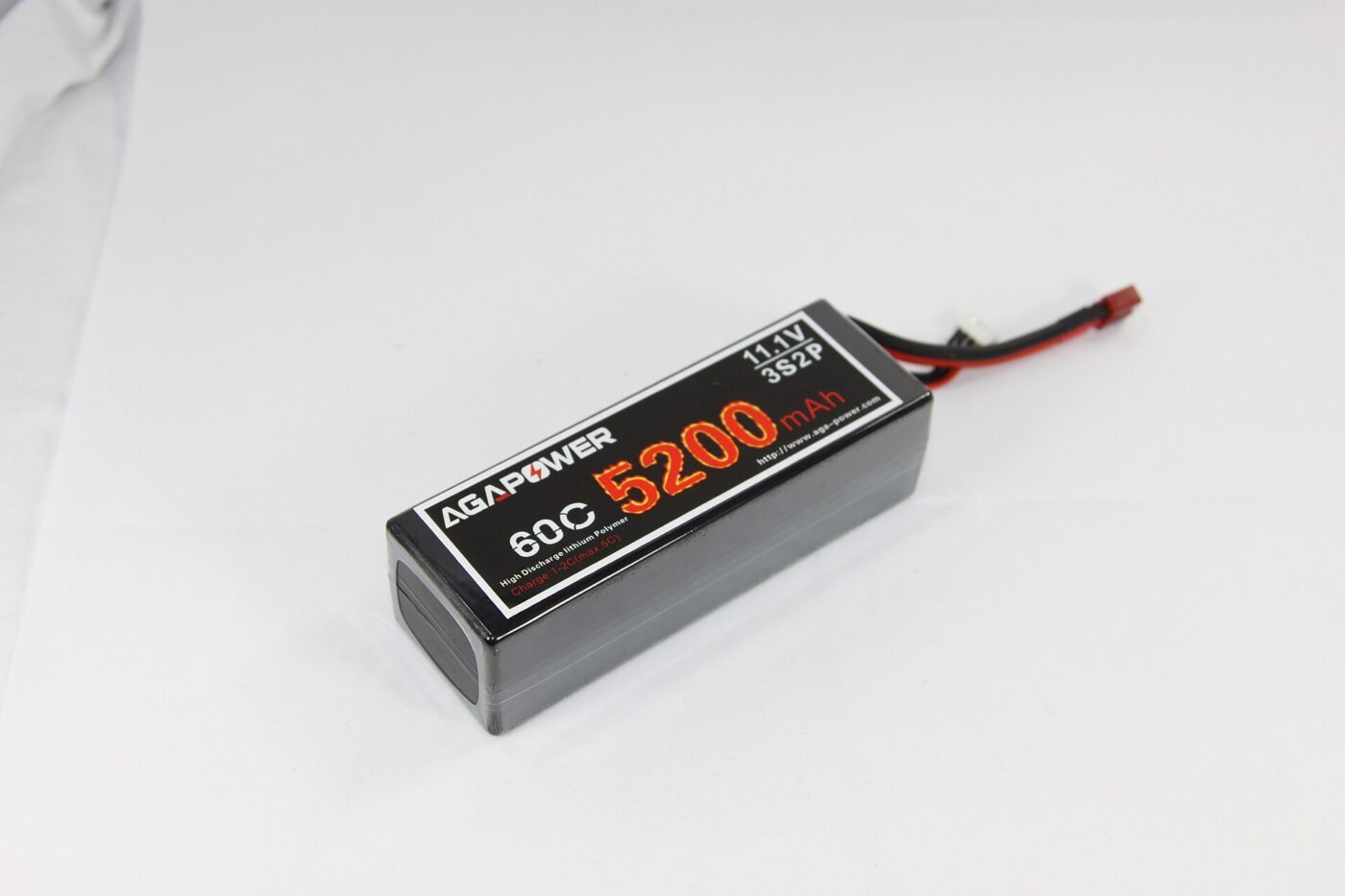
Traxxas’ guidance for owners recommends its charger’s Store Mode setting, which brings a pack to roughly 50 percent charge for storage rather than leaving it fully charged or fully discharged between sessions, and recommends running that mode about once a month for packs that sit unused.
Heat matters on both ends. The same manufacturer instructions cap storage temperature at 140°F (60°C), warning that higher temperatures can damage cells and create a fire risk, and set a charging temperature range of 32°F to 110°F (0°C to 43°C), with a battery that gets hotter than 110°F during charging meant to be disconnected immediately.
A pack that begins to balloon or swell during charging or discharging gets a specific response in the instructions: stop immediately, disconnect it safely, and move it to an open area away from flammable materials to observe for at least 30 minutes. Continuing to charge or discharge a swelling battery can cause a fire, and any pack that has swollen even a small amount is meant to come out of service completely.
A pack that swells even slightly during charging should come out of service completely, not go back in the case for next weekend.
LiPo bags and metal boxes: what they contain and for how long

Manufacturer instructions call for charging every LiPo pack inside a fire-retardant or fireproof container, on a non-flammable surface such as concrete, in a well-ventilated area, with flammable items and combustible materials removed from the charging area first. Traxxas sells its own charging bag built for exactly this, but the bag is one line in a longer list of precautions, not a replacement for the rest of it.
The same instructions add what a bag does not cover on its own: never charge a pack in the model itself, on wood, cloth or carpet, and keep a chemical fire extinguisher nearby. A bag works with those habits; it does not substitute for a matched charger setting, an undamaged pack or someone actually watching the charge.
A fire-resistant bag is where a failing pack is supposed to fail; it works only if everything flammable nearby is already somewhere else.
Disposal, air travel and gifting to kids
A pack ready to be thrown out still holds energy, so it should not go in household trash. The Battery Network, the recycling program formerly known as Call2Recycle, accepts rechargeable lithium batteries at its drop-off locations, but flags that a battery that is swollen, leaking, overheating or punctured needs special handling rather than a standard drop-off; calling ahead is worth it for a damaged pack. Traxxas’ own disposal instructions describe fully discharging a pack in a saturated salt-water solution before disposal as an alternative when recycling is not available.
Spare packs traveling by air have their own rule. FAA guidance for passengers requires spare, uninstalled lithium batteries to travel in carry-on baggage only, never checked, with the terminals protected against short circuit, and airline approval is required above certain watt-hour ratings.
Manufacturer instructions set an age line for who charges the pack at all: never allow children under 14 to charge batteries without the supervision of a responsible, knowledgeable adult. A hobby-grade RC car bought as a gift runs on a chemistry that behaves nothing like the AA cells in a toy-grade one, and that line is the manufacturer’s own, not an extra precaution added on top.
A hobby-grade car bought as a gift comes with a battery that a child should not charge alone; that is the manufacturer’s own age line, not a suggestion.
The shortlist
Paid links: we earn a commission if you buy through the buttons below, at no extra cost to you. As an Amazon Associate I earn from qualifying purchases.
Compared on containing a charging fire
| Product type | Best for | Risk estimate | Where to buy |
|---|---|---|---|
| LiPo Balance Charger with Storage Mode | Charging with a balance charger | 25/100 | See listings on AmazonOpens Amazon search results, not one listing: check the model on the product page. |
| Fire-Resistant LiPo Charging Bag | Containing a charging fire | 20/100 | See listings on AmazonOpens Amazon search results, not one listing: check the model on the product page. |
| LiPo Cell Voltage Checker with Alarm | Catching a failing pack early | 15/100 | See listings on AmazonOpens Amazon search results, not one listing: check the model on the product page. |
Risk estimate is our editorial Fear Index for the product type (lower is safer), not a customer rating. How it is scored.
LiPo Balance Charger with Storage Mode
A balance charger is what keeps every cell in a multi-cell pack at the same voltage instead of one cell drifting past 4.2 volts unnoticed.
- Balances every cell to the same voltage
- Storage mode targets roughly half charge
- Works with 2S and 3S packs
- Slower than a basic charger
- Wrong chemistry setting still damages cells
Fire-Resistant LiPo Charging Bag
Manufacturer instructions call for charging on a non-flammable surface with combustibles removed; a bag is one part of that setup, not the whole of it.
- Contains a charging fire on a non-flammable surface
- Portable for the field or the workbench
- Cheap enough to use every charge
- Does not stop a fire from starting
- Not a substitute for a matched charger setting
More: Toys and Games analyses and how the Fear Index is scored.
Questions people actually ask
Why do LiPo batteries catch fire during charging?
Traxxas’ own battery instructions warn that charging past 4.2 volts per cell, using the wrong charger setting, or charging a damaged or swollen pack can trigger a fire; CPSC has linked similar overcharging in other lithium cells to thermal runaway.
What voltage should I store LiPo batteries at?
Traxxas recommends its Store Mode charging setting, which brings a pack to roughly 50 percent charge for storage rather than leaving it full or fully discharged.
Does a LiPo-safe bag stop a fire?
No. Manufacturer instructions describe it as a fire-retardant container to charge in, used along with a non-flammable surface, a ventilated area and removing anything flammable nearby, not as a replacement for those steps.
Can I bring spare LiPo batteries on a plane?
Spare lithium batteries, including RC packs, must travel in carry-on baggage with the terminals protected from short circuit, per FAA guidance, and airline approval is required above certain watt-hour ratings.
What does a puffed or swollen LiPo battery mean?
Swelling is a sign of internal damage. Manufacturer instructions say to stop charging or discharging immediately, move the pack to a safe area away from flammables, and remove it from service completely.