
A Hoverboard Under the Tree Needs a UL 2272 Listing, and Its Charger Matters as Much as the Board
UL 2272 certifies a hoverboard’s electrical system, not crash safety. How to verify the listing, charge it safely, and match age and weight limits.

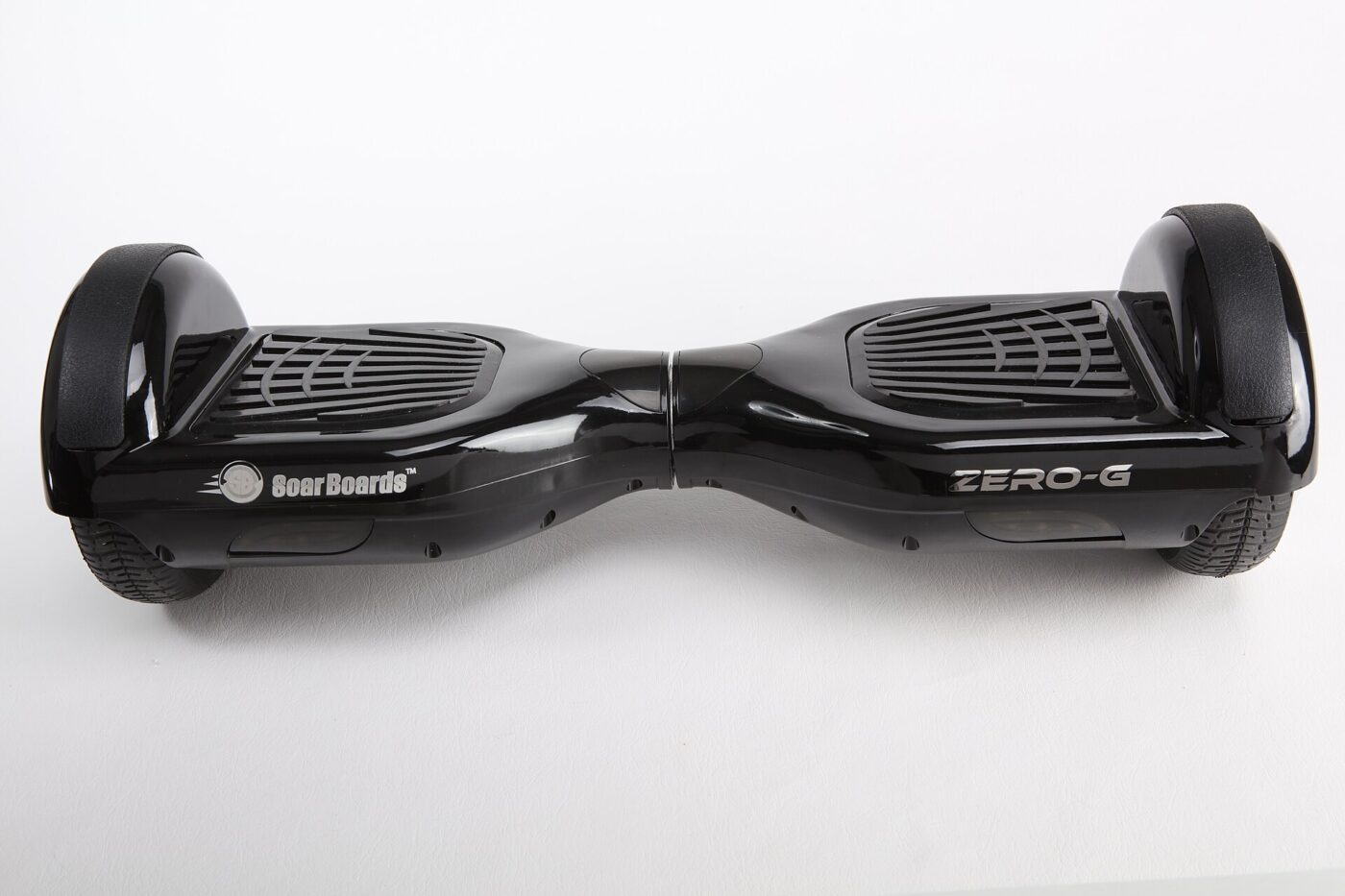
Hoverboards go back on gift lists every winter, and so does the debate over whether the fires from 2015 and 2016 ever really got fixed. CPSC has warned about self-balancing scooters since September 2015, and a certification born from that wave, UL 2272, is now roughly a decade old.
The certification changed the electrical system. It did not change everything else that can go wrong with a board under a nine-year-old on Christmas morning: a fall on a hard floor, a rider well outside the weight limit, or a charger left plugged in overnight in a closet full of coats.
Fear Index · High risk
A listing that covers the battery, not the rider
CPSC counts 17 hoverboard-related deaths from 2017 through 2024, 11 of them tied to fires, and its hoverboard alert says even a UL 2272 listing cannot guarantee a board will not overheat.
A decade of hoverboard fires, and what changed
CPSC’s hoverboard safety alert, last issued in April 2018, says the agency had warned the public since September 2015 and was aware of more than 300 self-balancing scooter incidents involving fire or overheating. In March 2017, a 2-year-old girl and her 10-year-old sister died in a house fire in Harrisburg, Pennsylvania, that CPSC traces to a hoverboard.
The response was a new UL standard. UL certified its first hoverboard in May 2016, and CPSC wrote to manufacturers, importers and retailers urging them to comply with UL 2272. Any hoverboard purchased before January 29, 2016 predates the standard entirely and is not UL 2272 compliant, whatever a resale listing claims now.
A listing is not a guarantee of anything beyond what it tests. CPSC’s own alert says plainly that even UL 2272 compliance cannot guarantee that a hoverboard will not overheat or catch fire. The standard narrows the risk; it does not remove it.
Treat UL 2272 as the floor for a hoverboard purchase, not the whole safety case. A listed board can still fail.
What UL 2272 certifies, and how to check for it
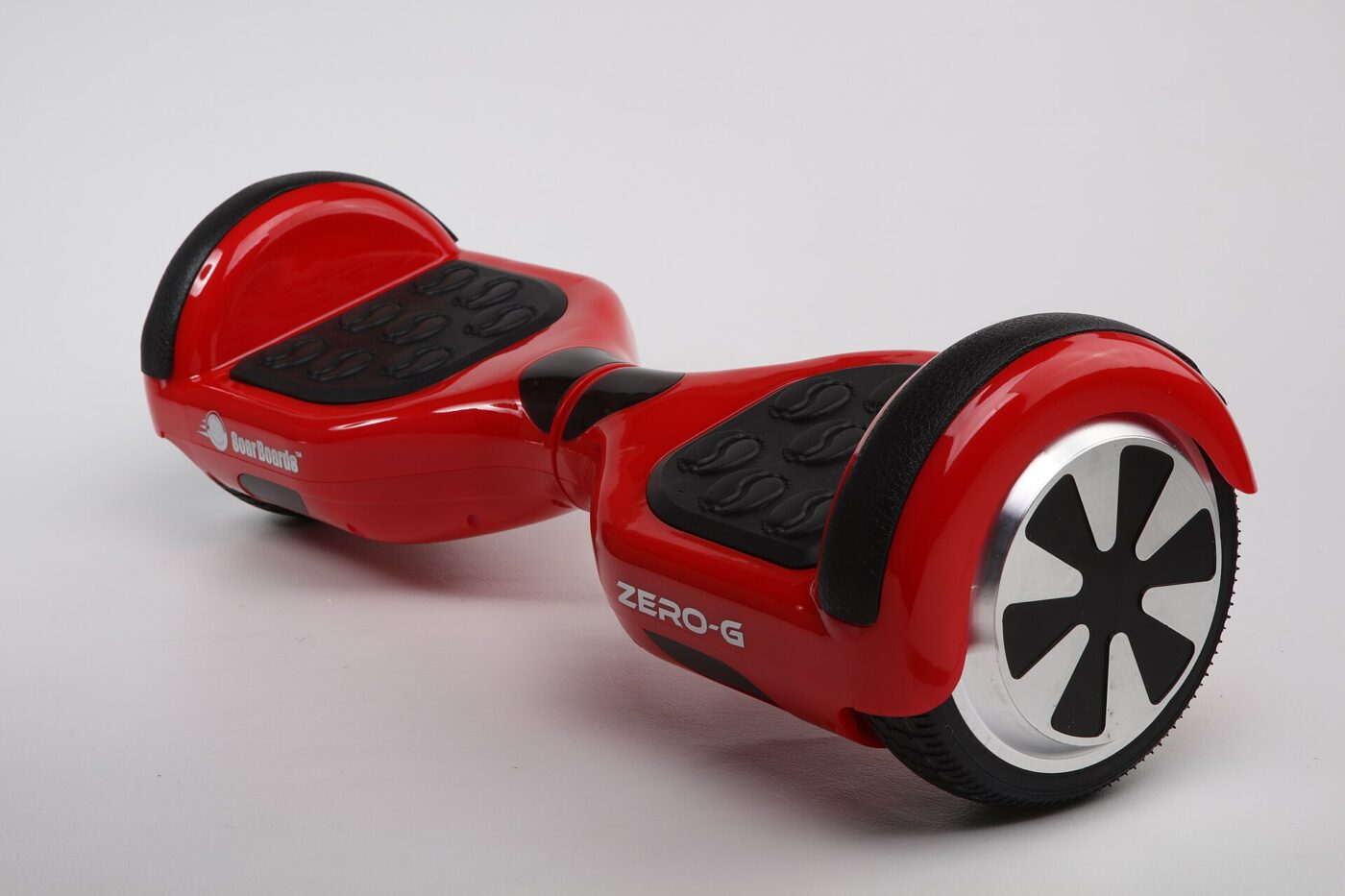
UL 2272 evaluates the electrical drive train, and the battery and charger system combination. UL’s own certification bulletin is explicit that the standard does not evaluate performance, reliability or rider safety, so a certification says nothing about how a board rides.
The certification also covers the whole unit, not its parts. CPSC warns that many sellers claim UL-compliant battery packs, chargers or other components, and that this does not mean the hoverboard is UL 2272 compliant, because the standard covers the entire unit. CPSC also accepts certification from any third-party body accredited for UL 2272, not only UL, so the mark that matters is the certifier’s mark on the finished product.
CPSC lays out how to check: look for a certification mark for self-balancing scooters or personal e-mobility on the packaging and the product itself. A price far below comparable listed boards, or a seller who cannot produce documentation, is CPSC’s own suggested reason to ask more questions before buying.
- Look for a certification mark on both the packaging and the board itself; UL-certified boards also carry a holographic UL label on the bottom.
- Search the certifier’s database for the brand and model; for UL, that is Product iQ (the old ul.com/database address now redirects there), category code FKIS.
- Ask for documentation if a seller cannot show proof of UL 2272 compliance for the complete unit.
- Treat a price far below comparable listed boards as a reason to look closer, not a bargain.
Falls, ages and protective gear
CPSC’s safety tips for micromobility riders, issued with its report on e-scooter, e-bike and hoverboard injuries, include a plain one: always wear a bicycle helmet. The same tips warn that an e-scooter’s small tires can stop suddenly on objects and uneven surfaces and throw the rider off, and a hoverboard’s wheels are small too.
CPSC’s advice is to follow the manufacturer’s directions and to identify the board’s weight and age limits before anyone rides it, rather than guess. A rider outside those limits is using the board in a way its maker did not rate it for, in either direction.
CPSC’s own numbers show both risks. Its April 2026 micromobility report estimates 163,300 emergency-department visits tied to self-balancing scooters from 2017 through 2024, and counts 17 hoverboard-related deaths in that period: 11 associated with fires, 4 with falls and 2 with riders struck by vehicles. Fires account for most of the deaths, and the emergency-room estimate is a reminder that riding carries its own risk.
A bicycle helmet is the one piece of gear CPSC names directly. UL also tells riders to wear the protective gear the manufacturer recommends, which is where wrist guards and knee pads come in for a child still learning to balance.
Charging and storing the battery safely
CPSC’s fire-reduction steps for owners are specific: use only the charger that came with the hoverboard, charge it only while someone is there to watch, and never charge it unattended, especially overnight. Keep the board away from flammable material while it charges or is simply being stored, not only while it is in use.
UL adds a reaction plan: if an incident does occur, leave the area and call 911, because with a battery chemical fire, UL says, using a fire extinguisher may be the wrong move. CPSC’s alert adds working smoke alarms on every level of the home, outside sleeping areas and inside each bedroom.
A recalled board should not be used again; CPSC’s alert says to stop using one immediately and to check CPSC.gov for recalls. CPSC’s April 2026 micromobility report shows where the fire risk sits: of 197 hoverboard incidents its staff investigated from 2017 through 2024, 173 involved fire or thermal hazards, 105 of them while the board was charging or had just finished, and aftermarket chargers were reported in at least 10.
A federal rule is proposed, not in force
UL 2272 is a voluntary industry standard, not a law, and CPSC has been working to change that. On June 24, 2026, the agency published a proposed rule in the Federal Register under docket CPSC-2025-0012 that would make ANSI/CAN/UL 2272:2024, with modifications, a mandatory federal standard under a new 16 CFR Part 1265 for the electrical systems of personal e-mobility products, self-balancing scooters such as hoverboards included.
The comment period on that proposal closed August 24, 2026, and as of late September 2026 no final rule has been issued; the proposal would apply only to products made 180 days or more after a final rule is published. That leaves the current system in place for this gift-buying season: a voluntary standard that reputable brands follow and that CPSC can act against after the fact, rather than a certification checked before a board reaches a shelf.
Whatever the rule’s status, the recall list keeps moving on its own schedule. Checking a specific brand and model at cpsc.gov/Recalls before buying secondhand or from an unfamiliar seller, and again after, costs a minute and catches boards a listing alone will not.
The shortlist
Paid links: we earn a commission if you buy through the buttons below, at no extra cost to you. As an Amazon Associate I earn from qualifying purchases.
Compared on certification and rider protection
| Product type | Best for | Risk estimate | Where to buy |
|---|---|---|---|
| UL 2272-Listed Hoverboard | UL 2272-listed board | 35/100 | See listings on Amazon |
| Kids Multi-Sport Helmet (CPSC-Certified) | Head protection | 15/100 | See listings on Amazon |
| Wrist Guard and Knee Pad Set | Fall protection | 18/100 | See listings on Amazon |
Risk estimate is our editorial Fear Index for the product type (lower is safer), not a customer rating. How it is scored. The buttons open Amazon search results rather than one listing, so check the model on the product page.
UL 2272-Listed Hoverboard
Confirm the certification in the certifying lab’s own database; for UL, that is Product iQ, category code FKIS. A box claim alone is not proof of compliance.
- Whole-unit electrical certification
- Checkable in the certifier’s database
- Meets the current voluntary standard
- Certification excludes rider safety
- Still needs supervised charging
Kids Multi-Sport Helmet (CPSC-Certified)
CPSC’s micromobility tips tell riders to always wear a bicycle helmet. Pair it with the age and weight limits the maker sets for the board.
- The one piece of gear CPSC names
- Works for scooters and bikes too
- Adjustable as kids grow
- Only helps if actually worn
- Does not prevent falls
More: Toys and Games analyses and how the Fear Index is scored.
Sources
- Hoverboard Safety Alert — CPSC
- E-Bike/Micromobility Device Safety: Product Certification — UL Solutions
- A New Certification for Next Generation Self-Balancing Scooters (UL 2272) — UL Solutions
- Micromobility Products-Related Deaths, Injuries, and Hazard Patterns: 2017–2024 (April 2026) — CPSC
- E-Scooter, E-Bike and Hoverboard Injuries and Deaths Are on the Rise — CPSC
- Safety Standard for Lithium-Ion Batteries Used in Micromobility Products and Electrical Systems of Micromobility Products Containing Such Batteries — Federal Register
Questions people actually ask
What does UL 2272 actually certify on a hoverboard?
The electrical drive train, and the battery and charger combinations. UL says it does not evaluate performance, reliability or rider safety, so a certification says nothing about how the board rides.
How can I verify a hoverboard is really UL 2272 listed?
Look for a certification mark on the packaging and the board itself, then check the brand and model in the certifier’s database. For UL, that is the Product iQ directory, category code FKIS; CPSC accepts any third-party body accredited for UL 2272.
Is there a federal law requiring UL 2272 certification?
Not yet. CPSC proposed a mandatory rule on June 24, 2026 under docket CPSC-2025-0012, with comments closing August 24, 2026. As of late September 2026, no final rule has been issued.
Are fires or crashes the bigger hoverboard risk?
Both matter. CPSC’s April 2026 report counts 17 hoverboard-related deaths from 2017 through 2024: 11 associated with fires, 4 with falls and 2 with riders struck by vehicles, alongside an estimated 163,300 emergency-department visits. The charger and the helmet both count.