
A Dresser That Meets the New Stability Rule Still Needs to Be Anchored
New dressers must pass federal stability tests, but TVs, bookcases and older furniture are not covered. How to anchor into studs and choose an anti-tip kit.


Part of the guide: Tools and DIY Buying Mistakes: What Fails and How to Check Before You Buy
Furniture tip-overs happen when a child pulls open drawers, climbs them like steps, or reaches for something on top. A dresser or TV that seems solid to an adult can pivot forward under a small child’s weight.
A federal rule now requires new dressers and similar units to pass stability tests. That is real progress, but it covers a narrow category of new furniture, and the Consumer Product Safety Commission continues to tell families to anchor TVs and furniture to the wall.
Fear Index · High risk
Trusting stability that was never tested for your home
A tip-over can seriously injure a child. Anchoring against it is inexpensive and usually quick.
What the STURDY rule covers
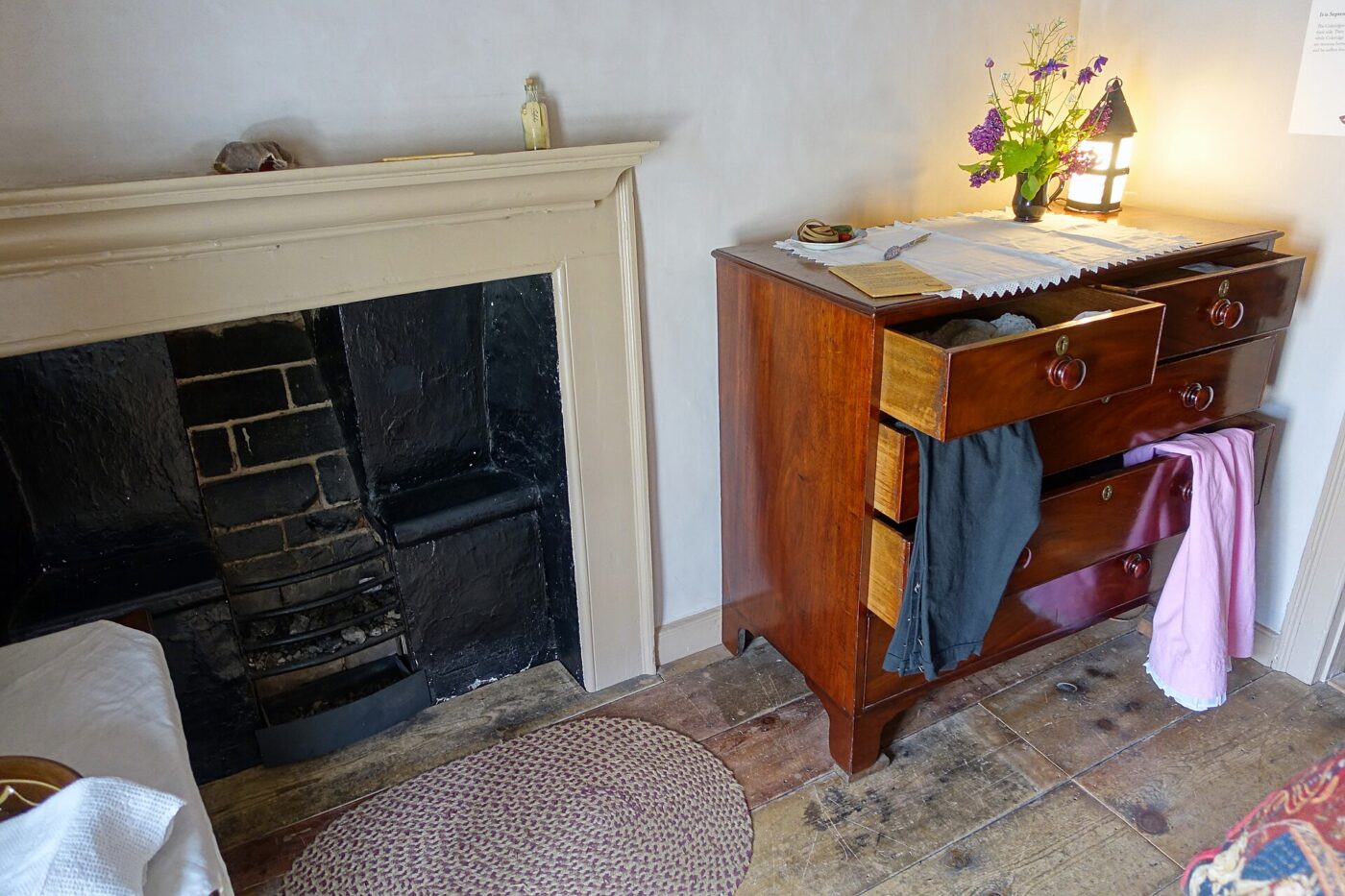
The STURDY law, passed in 2022, directed CPSC to set a mandatory stability standard for clothing storage units. The resulting rule applies to units manufactured after September 1, 2023 and adopts the ASTM F2057-23 standard. According to CPSC, a clothing storage unit is free-standing, at least 27 inches tall, weighs at least 30 pounds and has at least 3.2 cubic feet of enclosed storage. Chests, dressers, armoires, bureaus and chifferobes are covered, and CPSC considers fabric dressers with drawers to be included when they meet the standard’s criteria. Bookcases, office furniture and built-in units are excluded.
The tests are designed around how children actually interact with furniture. CPSC describes a loaded storage test with drawers filled at 8.5 pounds per cubic foot, a 10-pound force applied at the highest handhold no higher than 56 inches, and a 60-pound test apparatus hung on the drawer or door most likely to cause a tip-over. The Anchor It campaign adds that the standard tests stability on carpeting and with multiple drawers open, and that it is intended to protect children up to 72 months old. Each covered unit must be packaged with an anti-tip device that meets ASTM F3096, along with warning labels.
| Item | Covered by the rule? | What to do |
|---|---|---|
| Dresser or chest made after Sept. 1, 2023 | Yes, if it meets the size criteria | Install the included anti-tip device |
| Dresser made before the rule or bought used | No | Anchor with a separate kit |
| Bookcase, office or built-in furniture | No | Anchor tall or top-heavy pieces |
| Flat-screen or older TV | No | Wall-mount or strap to wall or stand |
Why anchoring still matters
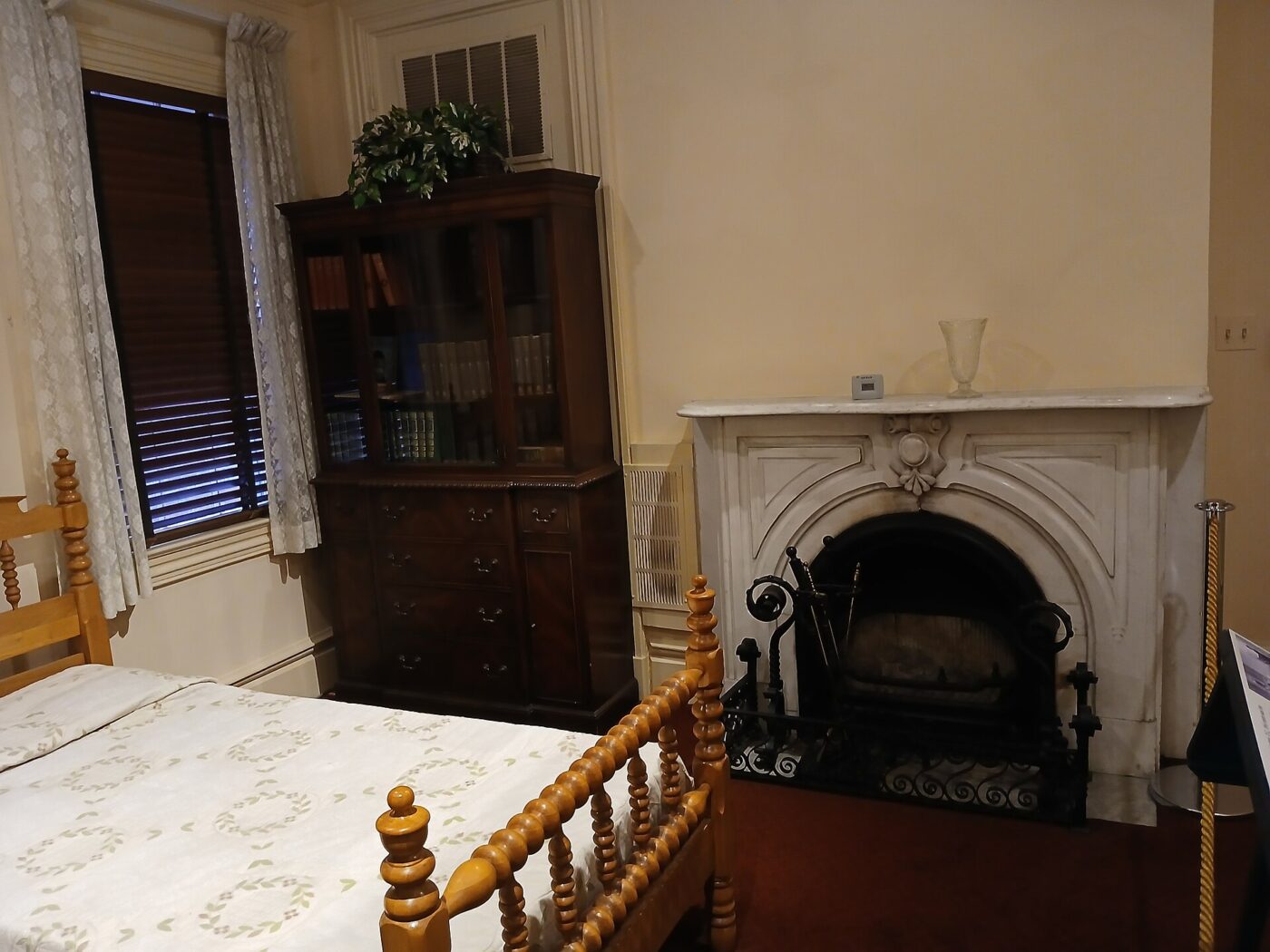
A stability test sets a minimum under defined conditions. It cannot anticipate a TV placed on top of a dresser, a thick rug under the front legs, drawers overloaded with books, or two children climbing at once. Most furniture already in homes was built before the rule, and entire categories such as bookcases and TVs sit outside it.
CPSC credits its Anchor It campaign, launched in 2015, with contributing to a nearly 50 percent decline in tip-over-related injuries and deaths. Its current advice is to anchor TVs and furniture such as bookcases and dressers securely to the wall. When anchoring is not possible, it recommends placing TVs on a sturdy, low base, pushing the TV back as far as possible and keeping cords out of reach.
Placement matters as much as hardware. CPSC advises against storing appealing items such as toys and remotes where children may climb to reach them, and recommends keeping heavier items on lower shelves. A TV set on top of a dresser that was never designed to hold one also adds weight high up, where it makes tipping easier.
Install the anti-tip device the day the furniture is assembled. It is the step most often postponed and then forgotten.
Anchoring into studs, step by step

Anchor It’s installation guide describes the basic method for drywall and plaster walls. The key is fixing the wall bracket into a stud, the vertical framing behind the wallboard, rather than relying on the wallboard alone. Always read the instructions that come with your specific kit, because hardware differs.
Brick and concrete need different tools. The guide says to drill into the face of the brick rather than the mortar joint, using a masonry bit, with self-anchoring masonry screws driven by an impact driver. It also advises double-checking that you have the right supplies for your wall type before starting.
- Locate a stud with a stud finder; the guide notes studs are typically spaced 16 to 24 inches apart.
- Mark the middle of the stud in pencil, check that no wiring or pipes run behind the spot, and drill into it, feeling for resistance that confirms you have hit wood.
- Attach the bracket to the furniture at a thick, sturdy spot, preferably solid wood, drilling a pilot hole first.
- For flat-screen TVs, use the threaded mounting holes on the back of the set.
- Connect and tighten the strap so the furniture cannot lean forward, then test by pulling gently.
Choosing a kit and keeping it working
Most kits pair two brackets with a connecting strap or braided cable. For new dressers, use the anti-tip device supplied in the box. For older furniture, bookcases and TVs, look for a kit that states it meets ASTM F3096, the tip restraint standard the federal rule references, and that includes hardware suited to your wall.
Anchors need occasional attention. Plastic brackets can crack, straps can be unclipped when furniture is moved for cleaning, and screws driven into thin back panels can pull out. Check anchors whenever you move or refill furniture, and after moving house, reinstall them before the room is used.
Renters can usually anchor furniture with a landlord’s agreement and patch small screw holes when leaving. If drilling is truly impossible, choose low, wide storage, keep TVs on low stands pushed back from the edge, and do not let children use drawers as steps.
The shortlist
Paid links: we earn a commission if you buy through the buttons below, at no extra cost to you. As an Amazon Associate I earn from qualifying purchases.
Compared on what they secure
| Product type | Best for | Risk estimate | Where to buy |
|---|---|---|---|
| Furniture Anti-Tip Kit with Steel Cable | Dressers and bookcases | 14/100 | See listings on Amazon |
| TV Anti-Tip Strap Set | Flat-screen TVs | 16/100 | See listings on Amazon |
| Electronic Stud Finder with Center Locating | Finding studs first | 24/100 | See listings on Amazon |
Risk estimate is our editorial Fear Index for the product type (lower is safer), not a customer rating. How it is scored. The buttons open Amazon search results rather than one listing, so check the model on the product page.
Furniture Anti-Tip Kit with Steel Cable
The simplest protection for furniture bought before September 2023 or outside the rule. Follow the kit instructions for your wall type.
- Inexpensive and quick to fit
- Brackets and cable in one kit
- Works on furniture the rule does not cover
- Needs a stud or suitable wall anchor
- Must be refitted after moving furniture
TV Anti-Tip Strap Set
TVs are not covered by the dresser rule. Strap the set to the wall and keep it on a low, sturdy stand.
- Uses the TV mounting holes
- Keeps the TV from pitching forward
- No full wall mount needed
- Stand itself must be sturdy
- Straps must be retightened after moves