
An Open Garage Door Does Not Make a Portable Generator Safe to Run
Why generators must never run in garages even with the door open, the 20-foot rule, what CO shutoff does and does not do, and where CO alarms belong.

Part of the guide: Tools and DIY Buying Mistakes: What Fails and How to Check Before You Buy
The generator goes where it is convenient: the garage with the door rolled up, a covered porch out of the rain, beside the kitchen window where the extension cord reaches. Each of those spots can let exhaust into the home.
Carbon monoxide from a portable generator is invisible and has no smell. The Consumer Product Safety Commission says an average of nearly 100 people die in the U.S. each year from CO poisoning caused by portable generators, and the safeguards that prevent it are mostly about where the machine sits.
Fear Index · High risk
A convenient spot that fills the house with CO
The consequence is carbon monoxide poisoning, which can kill people who are asleep before they notice any symptoms.
Why ventilation does not save you
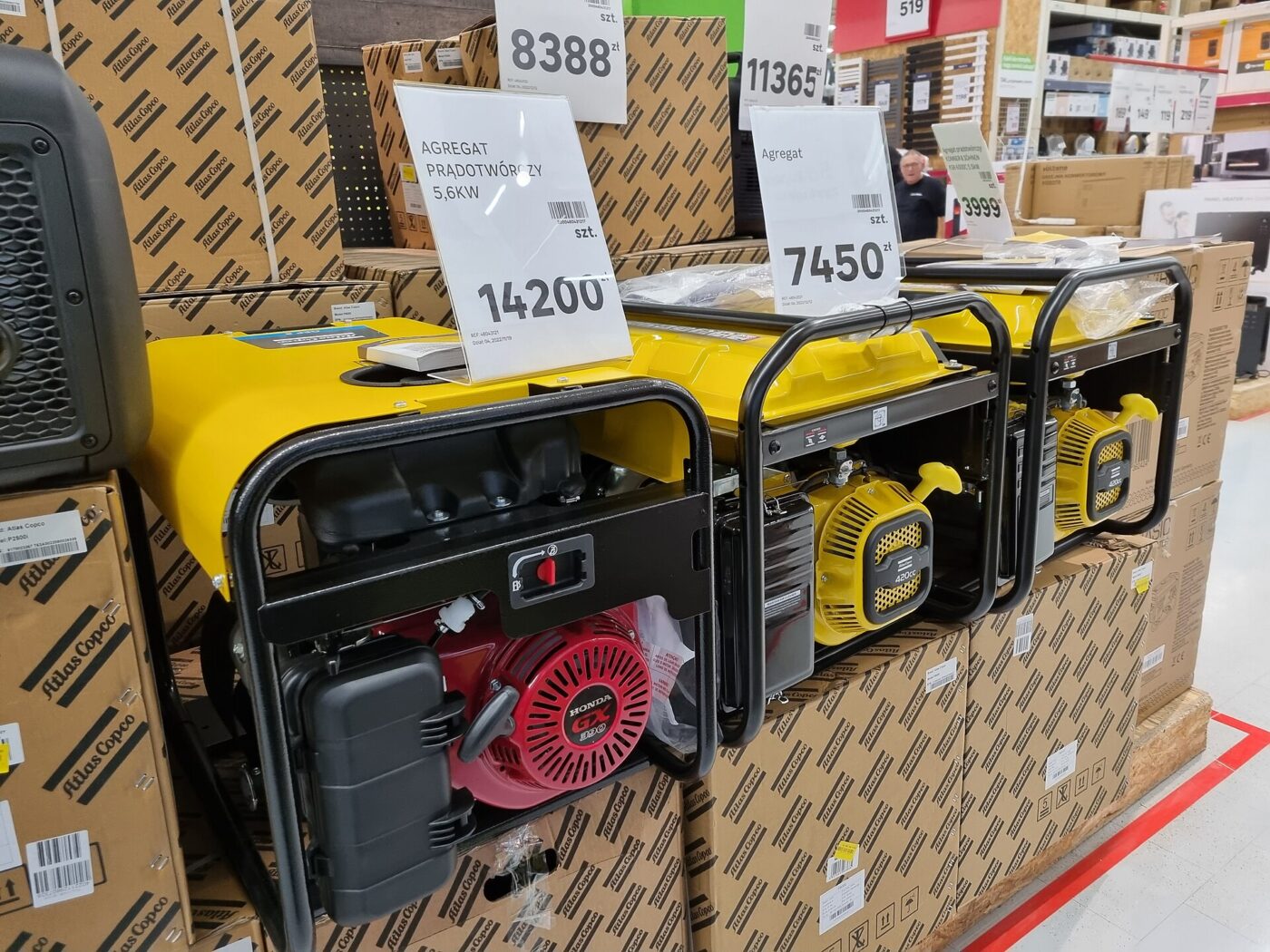
A generator engine produces carbon monoxide continuously, and in an enclosed or partly enclosed space it accumulates faster than an open door can clear it. CPSC’s guidance is to never operate a portable generator inside a home, garage, basement, crawlspace, shed or other enclosed space, and it states that opening doors or windows will not provide enough ventilation to prevent lethal levels building up.
CO poisoning is easy to miss. The CDC lists the most common symptoms as headache, dizziness, weakness, upset stomach, vomiting, chest pain and confusion, which are easily mistaken for illness or exhaustion after a storm. People who are sleeping or intoxicated can die before they have symptoms at all.
OSHA’s generator fact sheet gives the response: if anyone shows symptoms of CO poisoning, get to fresh air immediately and seek medical attention, and do not go back into the area until trained, properly equipped personnel say it is safe.
If a CO alarm sounds or anyone feels dizzy, sick or confused while a generator is running, get everyone outside to fresh air and call 911. Do not stop to find the source.
Placement: distance and direction
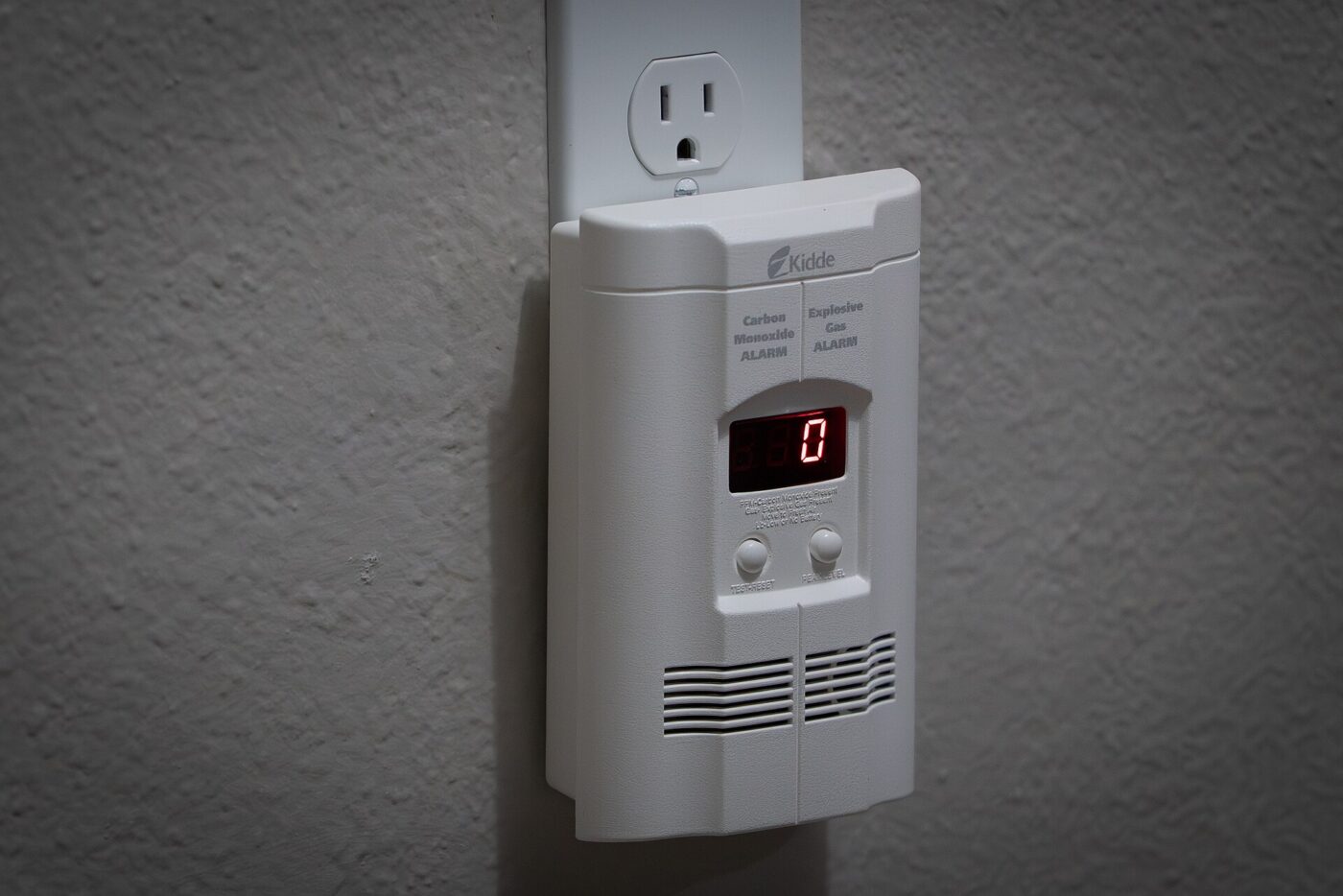
CPSC says to operate generators outdoors only, at least 20 feet from homes and buildings, with the exhaust directed away from windows, doors and vents. The CDC’s wording is the same distance measured from windows, doors and vents. That includes your neighbor’s house as well as your own.
Distance is only half of it. Direction matters because exhaust drifts with the wind, so point the exhaust away from the house and notice where the fumes actually go. OSHA adds that a generator should not be used outdoors if its placement near doors, windows and vents could allow CO to enter and build up in occupied spaces, and that it needs 3 to 4 feet of clear space on all sides and above it.
Wet weather tempts people to move generators under cover. OSHA says to keep a generator dry and protect it with a canopy if needed, and CPSC says to follow the manufacturer’s instructions to reduce shock hazards in wet weather. Neither means moving it into a garage or onto an enclosed porch.
| Location | Verdict | Reason |
|---|---|---|
| Garage, even with the door open | Never | CO builds up; open doors do not ventilate enough |
| Basement, crawlspace or shed | Never | Enclosed spaces trap exhaust |
| Beside a window, door or vent | No | Exhaust enters through openings |
| Enclosed or screened porch | No | Partly enclosed and attached to the home |
| Outdoors, 20 feet or more, exhaust aimed away | Yes | The placement CPSC and CDC describe |
What CO shutoff does and does not do

Newer portable generators can include a carbon monoxide shutoff that stops the engine when dangerous CO levels build nearby. CPSC encourages buyers to look for the feature and notes that models certified to PGMA G300-2023 and UL 2201-2023 include CO safety technologies, with UL 2201 certified models also having reduced CO emissions.
The limitation is where the sensor sits. It measures the air around the generator. A machine parked in the open 15 feet from a bedroom window may never trip its own sensor while its exhaust drifts inside, and a shutoff cannot un-poison air already in a room. It is a backstop for a bad placement, not permission for one.
- CO shutoff and reduced emissions: look for certification to UL 2201 or PGMA G300.
- Enough running watts for the essentials you will actually power, so you are not tempted to run it closer with more cords.
- Heavy-duty, grounded outdoor cords rated for the load and long enough to reach a safe spot.
- A transfer switch installed by a qualified electrician if you want to power household circuits. OSHA warns never to attach a generator directly to a building’s electrical system without one.
- Approved fuel containers stored away from living areas, never inside the home.
Alarms, fuel and the rest of the setup
CPSC advises working CO and smoke alarms, battery-operated or with battery backup, on every level of the home and outside sleeping areas, ideally interconnected so that when one sounds they all sound. Test them monthly and replace batteries when needed. A plug-in alarm without a battery backup is silent exactly when the power is out.
The CDC recommends a battery-operated CO detector when running a generator and advises replacing CO detectors every five years, following the manufacturer’s instructions. Check the date printed on the back of existing alarms before storm season rather than during an outage.
Fuel is the other hazard. OSHA says to shut the generator down and let it cool before refueling, because fuel spilled on hot engine parts can ignite, and to store fuel in approved, properly marked containers away from living areas. Read and follow the labels and owner’s manual for your specific model.
Buy the CO alarms before the generator. They protect you from the generator, from other fuel-burning equipment and from a neighbor’s machine.
The shortlist
Paid links: we earn a commission if you buy through the buttons below, at no extra cost to you. As an Amazon Associate I earn from qualifying purchases.
Compared on the risk they cover
| Product type | Best for | Risk estimate | Where to buy |
|---|---|---|---|
| Portable Generator with CO Shutoff | Buying a generator | 36/100 | See listings on Amazon |
| Carbon Monoxide Alarm with Battery Backup | Every home that runs one | 10/100 | See listings on Amazon |
| Heavy-Duty Outdoor Generator Cord | Reaching a safe distance | 20/100 | See listings on Amazon |
Risk estimate is our editorial Fear Index for the product type (lower is safer), not a customer rating. How it is scored. The buttons open Amazon search results rather than one listing, so check the model on the product page.
Carbon Monoxide Alarm with Battery Backup
One on every level and outside sleeping areas, with battery power or backup. It is the only item here that detects CO inside the home.
- Works through power outages
- Digital display shows rising levels
- Covers every CO source in the home
- Needs monthly testing
- Must be replaced at end of life
Portable Generator with CO Shutoff
Worth choosing over a model without the feature. It still belongs outdoors, 20 feet or more from any building, exhaust pointed away.
- Shuts off when CO builds nearby
- UL 2201 models also cut emissions
- Backstop for placement mistakes
- Sensor reads air at the generator only
- Costs more than basic models
Next reads on the same problem
- An EPA-Certified Wood Stove Still Needs a Chimney Sized and Lined for ItCombustion exhaust that must leave the house by design
- Resin Printing Is a Chemistry Hobby That Happens to Make ModelsAnother hazard where venting outdoors is the fix
- Fumes From an Overheated Nonstick Pan Can Kill a Pet Bird Before the Cook Notices AnythingInvisible fumes from a household appliance, and who they harm
All of it in one place: Tools and DIY Buying Mistakes: What Fails and How to Check Before You Buy
class="wp-block-paragraph">More: Emergency Prep & Power analyses and how the Fear Index is scored.Sources
- CPSC Warns of Generator, Carbon Monoxide and Fire Hazards Ahead of Hurricane Season — U.S. Consumer Product Safety Commission
- CPSC Issues Winter Weather Safety Tips to Prevent Fires and Carbon Monoxide Poisoning — U.S. Consumer Product Safety Commission
- Carbon Monoxide Poisoning Basics — CDC
- Using Portable Generators Safely (Fact Sheet) — OSHA
Questions people actually ask
How far should a generator be from the house?
CPSC says at least 20 feet from homes and buildings, outdoors only, with the exhaust directed away from windows, doors and vents.
Can you run a generator in a garage with the door open?
No. CPSC says never to run one in a garage or other enclosed space, and that opening doors or windows will not provide enough ventilation to prevent lethal CO levels.
Does a generator with CO shutoff still need to be outside?
Yes. The shutoff senses CO around the generator, not inside your home. Placement outdoors and away from openings still applies, along with CO alarms indoors.
Where should carbon monoxide alarms be installed?
CPSC advises battery-operated or battery-backup CO alarms on every level of the home and outside sleeping areas, interconnected if possible, tested monthly.