
An EPA-Certified Wood Stove Still Needs a Chimney Sized and Lined for It
A certified stove still needs a chimney sized and lined for it. Why an oversized or unlined flue builds creosote, and what an annual inspection checks.

On this page 6 sections
- What the EPA certification label does and does not cover
- Why an oversized or unlined flue still makes creosote
- Stainless liner kits: sizing and insulation for an old masonry flue
- Wood moisture and burn habits: the certification you control yourself
- Clearances and the annual Level 1 inspection
- The shortlist
Part of the guide: Tools and DIY Buying Mistakes: What Fails and How to Check Before You Buy
A new stove’s hang tag and the metal certification label bolted to its back describe the firebox: how much smoke it puts out per hour, tested and stamped by the EPA. Nothing on that label describes the chimney the stove is about to be plumbed into, and the chimney is doing at least half the work.
Most chimney fires start in exactly that gap. A certified stove vented into a masonry flue that is oversized, unlined or already cracked can still draft poorly, cool the smoke before it clears the top, and leave a coat of creosote behind — the same creosote a badly seasoned load of wood adds twice as fast.
Fear Index · High risk
A clean stove undone by the wrong chimney
CSIA says NFPA 211 requires chimneys, fireplaces and vents to be inspected at least once a year for soundness, deposits and clearances, whether or not the stove itself is new.
What the EPA certification label does and does not cover
EPA’s Burn Wise program describes an EPA-certified wood stove as one tested and labeled to a specific particulate-emissions limit, with a permanent metal certification label fixed to the back of the unit; the agency also keeps a database of certified models and a flowchart for checking whether a stove already in the house is on that list. EPA tightened the emissions limit again in a second compliance step that took effect May 15, 2020, so a certified stove bought new today was tested to a stricter limit than one bought before that date.
EPA is explicit that a testing-lab safety mark is not the same thing as its own emissions certification: a UL-tested stove and an EPA-certified stove answer two different questions, one about fire and shock safety, the other about smoke. A stove can carry one mark without the other, and neither describes the chimney.
EPA’s own installation guidance calls the venting system — the chimney or vent pipe — the “engine” that drives the entire burning process, and lists proper sizing among the installation details that matter most. A stove that passed its emissions test on a lab bench still needs a chimney sized to it in the field.
A certification label describes the stove’s smoke output on a test bench. It says nothing about the chimney it will actually be vented into.
Why an oversized or unlined flue still makes creosote
A masonry chimney built for an open fireplace or an older, less efficient stove is often far wider than a modern EPA-certified insert needs. EPA’s installation guidance treats the venting system as the engine of the whole appliance, and an oversized flue is a mismatched engine: the smaller volume of flue gas from a certified stove has more room to cool before it clears the top.
CSIA describes creosote as a natural byproduct of wood burning that condenses out of that smoke, and cooler flue gas condenses more of it, faster. CSIA recommends sweeping once soot deposits reach about 1/8 inch, since fire-safety experts consider that much buildup enough to start a chimney fire capable of damaging the chimney or spreading to the house.
An oversized or damaged flue does not just look wrong on a stove that is otherwise doing everything right — it actively works against the burn.
Stainless liner kits: sizing and insulation for an old masonry flue
The usual fix for a mismatched flue is a stainless steel liner run down the full length of the chimney, sized in inches to match the stove’s own flue collar rather than the chimney’s original opening. A liner sized to the stove restores the tighter, hotter draft the appliance was designed around.
Insulation wrapped around the liner, or an insulating fill poured between the liner and the masonry, keeps flue gas warmer on its way up — the same cooling problem an oversized flue causes, solved from the inside instead of by rebuilding the chimney. EPA’s installation guidance points homeowners toward CSIA’s certified-technician directory specifically for this kind of sizing and installation work, rather than a general handyman.
Matching the collar, running the liner past any offsets, and sealing the top plate correctly is exactly the work a CSIA-certified technician is trained to check, and it is not usually a do-it-yourself weekend project on a masonry chimney with an existing appliance connection.
Buy the liner sized to the stove’s collar, not the chimney’s old opening — and expect it installed, not just shipped.
Wood moisture and burn habits: the certification you control yourself
EPA’s own best-practices guidance is blunt about moisture: wood burns best at a moisture content of less than 20 percent, and the agency recommends testing wood with a wood moisture meter before burning it rather than guessing from how long it has sat in the rack.
Wetter wood does two things at once: it burns cooler, which makes the flue-cooling problem in an oversized chimney worse, and it puts more unburned smoke particles into that same cooler flue to condense as creosote. A certified stove burning wet wood can put out more smoke than an older, uncertified stove burning properly seasoned wood — the certification describes the appliance under test conditions, not the fuel a household actually loads into it.
A moisture meter costs less than a single cord of wood and answers the one question a certification label cannot: is tonight’s load actually dry enough to burn clean.
Clearances and the annual Level 1 inspection
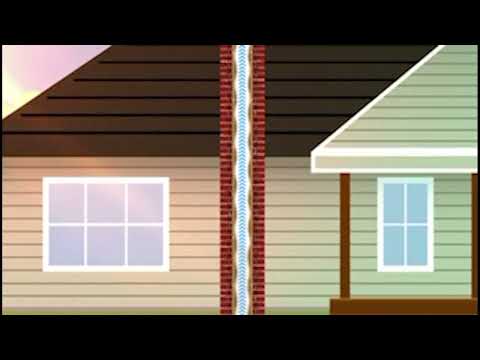
Installation clearances — how far the stove and its pipe sit from combustible walls, floors and furniture — are set by the appliance’s own listing and manual, and EPA’s installation guidance lists proper clearances alongside sizing as a detail fire officials check. A stove installed too close to a wall does not become safer because its emissions label is clean.
CSIA says NFPA 211 requires that chimneys, fireplaces and vents be inspected at least once a year for soundness, freedom from deposits and correct clearances, with cleaning and repairs done if the inspection turns up a problem. EPA’s own guidance echoes the same annual habit, recommending a professional inspection every year and pointing to CSIA’s directory to find someone certified to do it.
A working smoke alarm on every level of the house and a carbon monoxide alarm near sleeping areas remain a separate, ongoing check that a wood-burning household should already have in place. Neither substitutes for the chimney inspection, and neither is answered by an EPA emissions label either.
The label on the stove and the inspection sticker on the chimney answer two different questions. A wood-burning household needs both, checked every year.
The shortlist
Paid links: we earn a commission if you buy through the buttons below, at no extra cost to you. As an Amazon Associate I earn from qualifying purchases.
Compared on keeping the flue clean and sized right
| Product type | Best for | Risk estimate | Where to buy |
|---|---|---|---|
| Stainless Steel Chimney Liner Kit (6 Inch) | Relining an oversized or damaged flue | 45/100 | See listings on AmazonOpens Amazon search results, not one listing: check the model on the product page. |
| Magnetic Stove Pipe Thermometer | Checking stove pipe temperature | 20/100 | See listings on AmazonOpens Amazon search results, not one listing: check the model on the product page. |
| Chimney Cleaning Brush and Rod Kit | Keeping creosote from building up | 30/100 | See listings on AmazonOpens Amazon search results, not one listing: check the model on the product page. |
Risk estimate is our editorial Fear Index for the product type (lower is safer), not a customer rating. How it is scored.
Stainless Steel Chimney Liner Kit (6 Inch)
A liner sized to the stove’s own collar, not the chimney’s original opening, is what restores the draft a certified insert was designed around.
- Sized to the stove not the old flue
- Insulated option for exterior chimneys
- Restores tighter draft than an old flue
- Professional install is typical
- Higher upfront cost than cleaning alone
Magnetic Stove Pipe Thermometer
A cold, smoky burn is the one that builds creosote fastest. A magnetic thermometer makes that visible in seconds, every time the stove is loaded.
- Flags a cold, smoldering burn early
- Cheap enough to leave in place
- Reads through paint, no wiring needed
- Only measures the pipe surface temp
- Does not replace a real inspection
More: Air, Water and Heating analyses and how the Fear Index is scored.
Questions people actually ask
Does an EPA-certified wood stove need a special chimney liner?
Often, yes, if it is vented into an older masonry flue. EPA’s installation guidance treats the venting system as the engine of the whole appliance, and a flue sized for an older, less efficient fireplace is usually too large for a modern certified stove or insert.
How can I tell if my wood stove is EPA certified?
Check the permanent metal label on the back of the stove, or look up the model in EPA’s certified wood-heater database. EPA’s own guidance notes a stove with two glass doors and no visible metal label is often uncertified.
What size chimney liner do I need?
The liner should match the stove’s own flue collar diameter, not the chimney’s original opening. A CSIA-certified technician can size and install it correctly.
How often should a wood stove chimney be inspected?
At least once a year, per NFPA 211 as CSIA describes it, whether or not the stove and liner are new.
Does EPA certification mean the wood I burn does not matter?
No. EPA says wood should be under 20 percent moisture to burn clean; wet wood in a certified stove still produces excess smoke and creosote.