
Cleaning the Lint Screen Is Not Cleaning the Dryer Vent Behind It
Lint collects past the screen, in the duct and behind the dryer. What CPSC, USFA and NFPA advise on cleaning, foil ducts and the signs of a blocked vent.

Part of the guide: Home and Kitchen Buying Mistakes: What Fails and How to Check Before You Buy
The lint screen is the visible part of dryer maintenance, and most households are good at it. The duct that carries hot, damp air from the back of the dryer to the outside wall is invisible, and it is often ignored for years.
That duct is where fire investigators and safety agencies focus. Lint that slips past the screen collects there, restricts airflow and raises temperatures, and the flexible foil hose many dryers are connected with makes the problem worse.
Fear Index · Think twice
A clean screen in front of a clogged duct
Lint that passes the screen settles in the duct and cabinet, and a crushed foil hose restricts airflow further. Failure to clean is the leading factor in home dryer fires.
Why lint gets past the screen
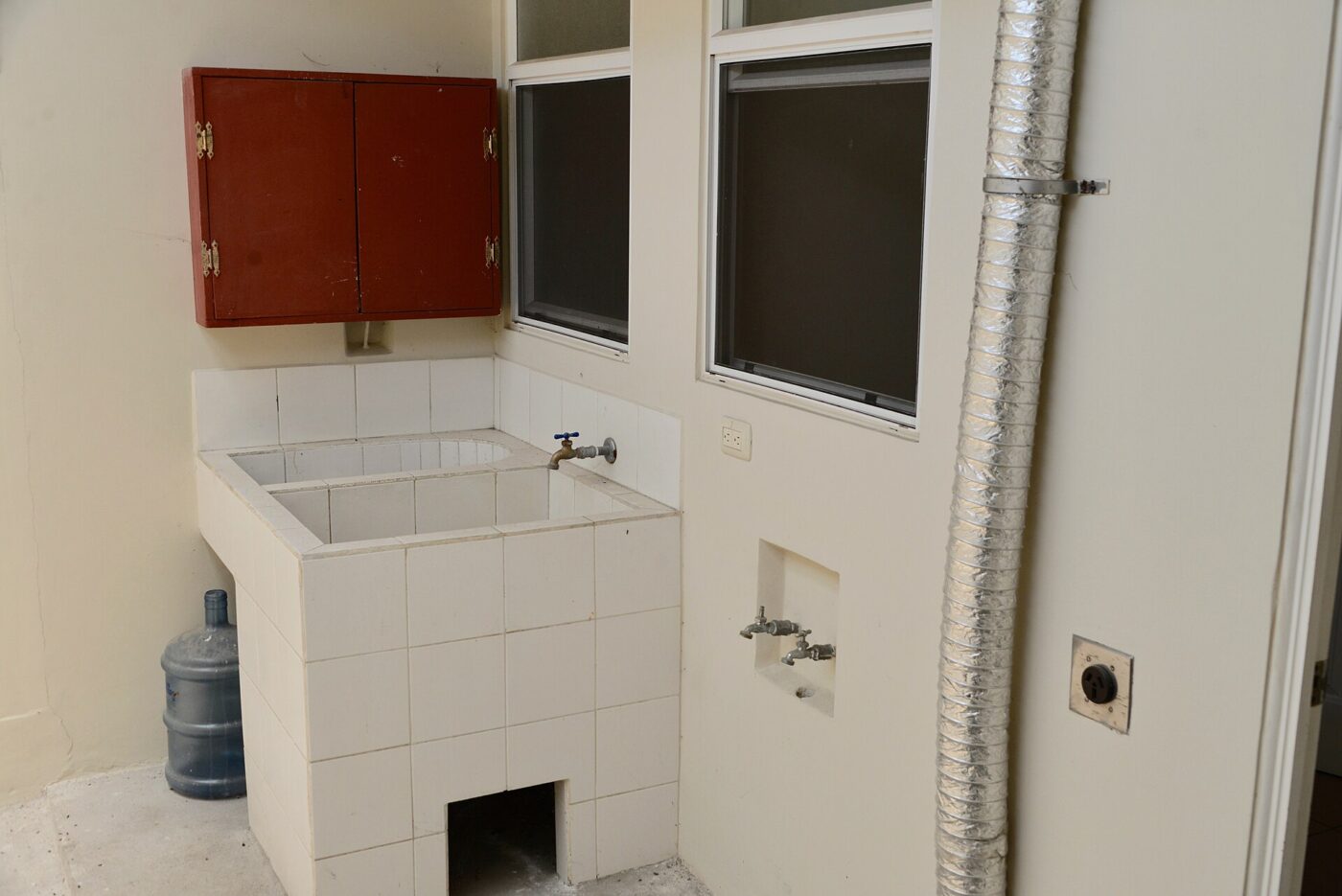
The screen catches most fibers but not all of them. Fine lint travels on into the exhaust duct and settles at bends, joints and sagging sections, and some collects inside the dryer cabinet. The Consumer Product Safety Commission explains that fires can occur when lint builds up in the dryer or the exhaust duct, because lint can block airflow, cause excessive heat buildup and result in a fire in some dryers.
Neglect is the pattern in the data. The US Fire Administration reports that failure to clean, at 31 percent, was the leading factor contributing to the ignition of home clothes dryer fires from 2018 to 2020. The National Fire Protection Association states the same conclusion in its tip sheet: the leading cause of home clothes dryer fires is failure to clean them.
The mechanism feeds itself. Restricted airflow makes each load take longer, so the dryer runs hotter for longer, while the material collecting in the airflow path is itself combustible.
Clean the lint screen before or after every load, but treat it as the first step of dryer maintenance, not the whole job.
Foil, plastic and metal ducts
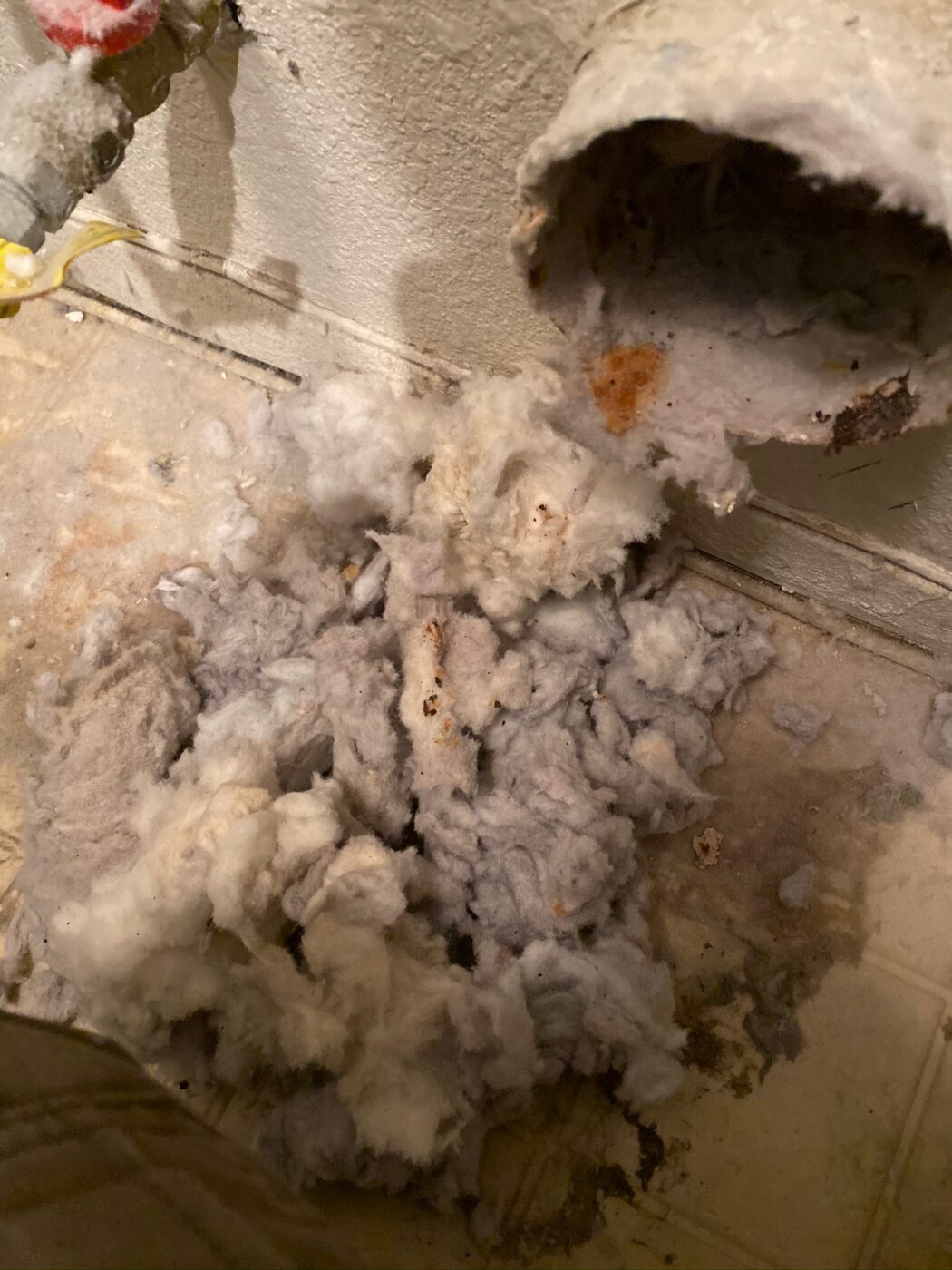
CPSC advises replacing plastic or foil accordion-type ducting with rigid or corrugated semi-rigid metal duct. It notes that most manufacturers specify rigid or corrugated semi-rigid metal duct because it provides maximum airflow, and that flexible plastic or foil duct traps lint more easily and is more susceptible to kinks or crushing, which can greatly reduce airflow.
NFPA’s tip sheet says rigid or flexible metal venting material should be used to sustain proper airflow and drying time. Beyond material, follow the dryer’s installation instructions for maximum duct length and number of bends, since every elbow adds resistance.
The most common failure is mechanical, not chemical. A dryer pushed back against the wall flattens the transition duct behind it. The US Fire Administration advises checking the venting system behind the dryer to make sure it is not damaged, crushed or restricted.
| Duct type | Airflow and lint | Safety agency view |
|---|---|---|
| Plastic accordion hose | Ridges trap lint; crushes easily | CPSC advises replacing it |
| Foil accordion hose | Traps lint; kinks and crushes | CPSC advises replacing it |
| Corrugated semi-rigid metal | Holds its shape better | Specified by most manufacturers, per CPSC |
| Rigid metal | Smooth path for maximum airflow | Specified by most manufacturers, per CPSC |
Warning signs of a blocked vent
CPSC lists the clearest signal: if clothing is still damp at the end of a typical cycle, or drying takes longer than normal, the lint screen or exhaust duct may be blocked. It is easy to misread as a failing heating element, so check airflow first.
Go outside while the dryer runs. CPSC suggests confirming that exhaust air is escaping from the outside vent, and the US Fire Administration and NFPA both say to make sure the outdoor vent flap opens when the dryer operates. NFPA adds a winter reminder to check that the flap is not covered by snow.
- Longer drying times or damp clothes at the end of a normal cycle.
- Weak or no airflow at the outside vent while the dryer is running.
- A vent flap that stays shut, stuck with lint, paint or snow.
- Lint around the outside hood or collecting behind the dryer.
- A burning smell means stop the dryer and have it inspected before using it again.
A cleaning schedule that matches the guidance

Clean the lint screen before or after each load; CPSC and NFPA both say so, and the US Fire Administration says not to run the dryer without a lint filter. NFPA advises cleaning lint out of the vent pipe once a year, or more often if drying is taking longer than normal, or having a dryer lint removal service do it. CPSC adds cleaning behind the dryer and having a qualified service person clean the interior of the cabinet periodically.
If you clean the duct yourself, unplug the dryer first. CPSC notes that clearing a blockage may mean disconnecting the duct from the dryer, and reminds owners to reconnect it to the dryer and the outside vent before using the dryer again. Gas dryers are different: NFPA advises having them inspected by a qualified professional to make sure the gas line and connection are intact and free of leaks.
A few habits reduce risk further. NFPA advises turning the dryer off when you leave home or go to bed and keeping the area around it clear of boxes, cleaning supplies and clothing. For clothes soiled with volatile substances such as gasoline, cooking oils or finishing oils, CPSC advises washing more than once and preferably hanging them to dry. If they must go in the dryer, it says to use the lowest heat with a cool-down period and not to leave the dried clothes piled in the dryer or a basket.
Follow the dryer’s installation manual and local building code for duct material and length, and use a qualified professional for gas dryer connections.
The shortlist
Paid links: we earn a commission if you buy through the buttons below, at no extra cost to you. As an Amazon Associate I earn from qualifying purchases.
Compared on vent maintenance
| Product type | Best for | Risk estimate | Where to buy |
|---|---|---|---|
| Semi-Rigid Metal Dryer Duct | Better airflow than foil | 16/100 | See listings on Amazon |
| Dryer Vent Cleaning Brush Kit | Cleaning the duct itself | 24/100 | See listings on Amazon |
| Exterior Dryer Vent Hood | A clear exit outside | 20/100 | See listings on Amazon |
Risk estimate is our editorial Fear Index for the product type (lower is safer), not a customer rating. How it is scored. The buttons open Amazon search results rather than one listing, so check the model on the product page.
Semi-Rigid Metal Dryer Duct
The cheapest meaningful safety upgrade for most laundry rooms. Avoid crushing it when pushing the dryer back.
- Holds shape behind the dryer
- Traps less lint than accordion hose
- Matches what most makers specify
- Less forgiving to route than foil
- Check length limits in your manual
Dryer Vent Cleaning Brush Kit
Use it at least yearly, or sooner if drying times creep up. Reconnect everything before running the dryer.
- Reaches along the full duct
- Clears lint at bends
- Reusable every year
- Long or complex runs may need a pro
- Duct must be disconnected and refitted