
Laundry Pods Cannot Be Measured Down and Must Be Locked Away from Children
Pods are a fixed dose, so small loads get too much and big loads may need several. What pod makers, CPSC and Poison Control say on dosing, cost and storage.

Part of the guide: Home and Kitchen Buying Mistakes: What Fails and How to Check Before You Buy
Laundry pods solved a real problem. Measuring caps are hard to read, and many people pour well past the line. A pre-measured packet makes the normal dose automatic.
The trade-offs arrive with it. A pod cannot be split for a small load, the price per load depends on how many the directions call for, and the concentrated contents are a serious hazard to children and pets.
Fear Index · Think twice
Concentrated packets within reach
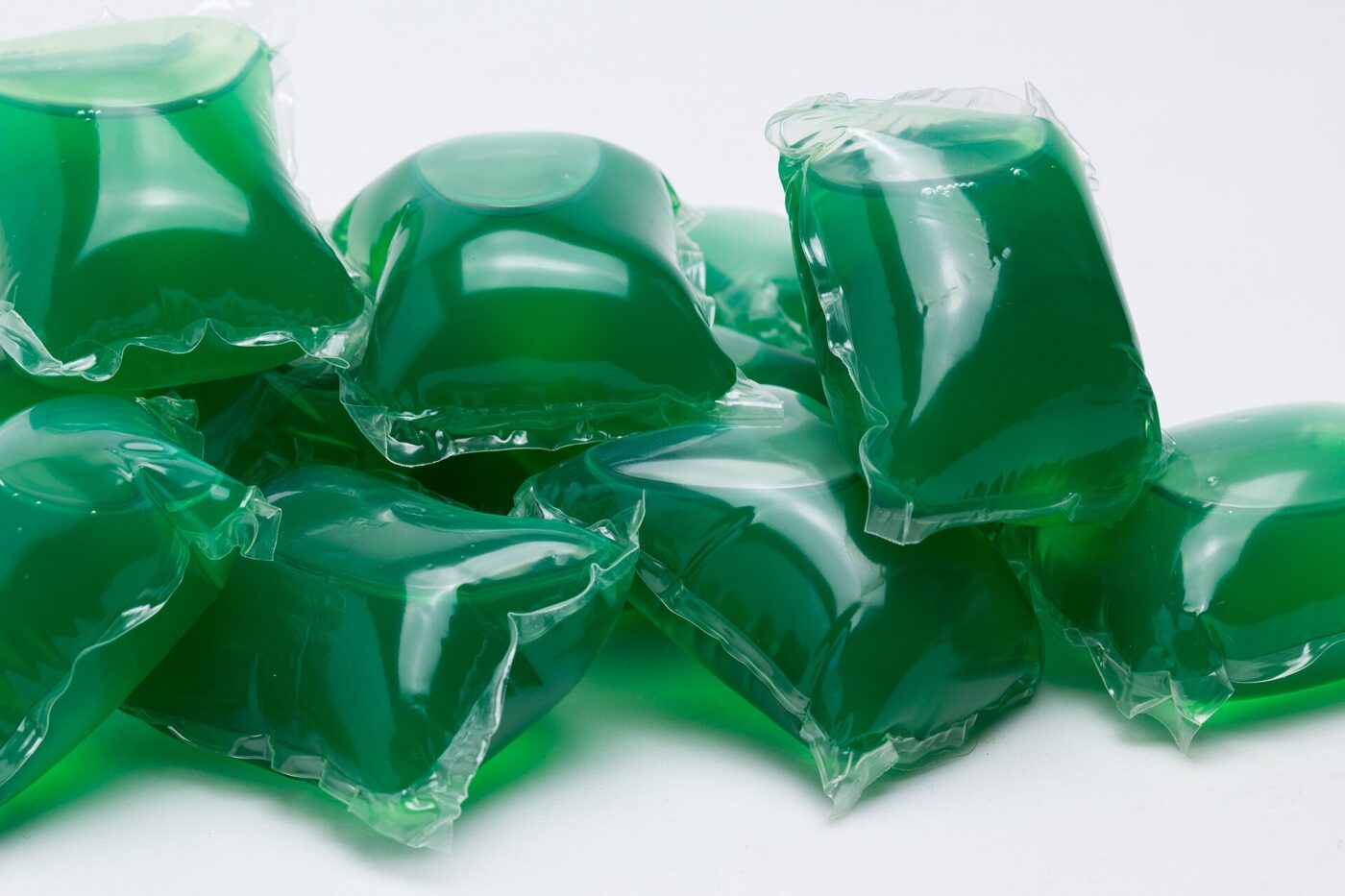
Pods remove the overpouring mistake but add two others: no way to dose down for small loads, and a soft, colorful concentrated packet that must be locked away.
A fixed dose in a variable machine
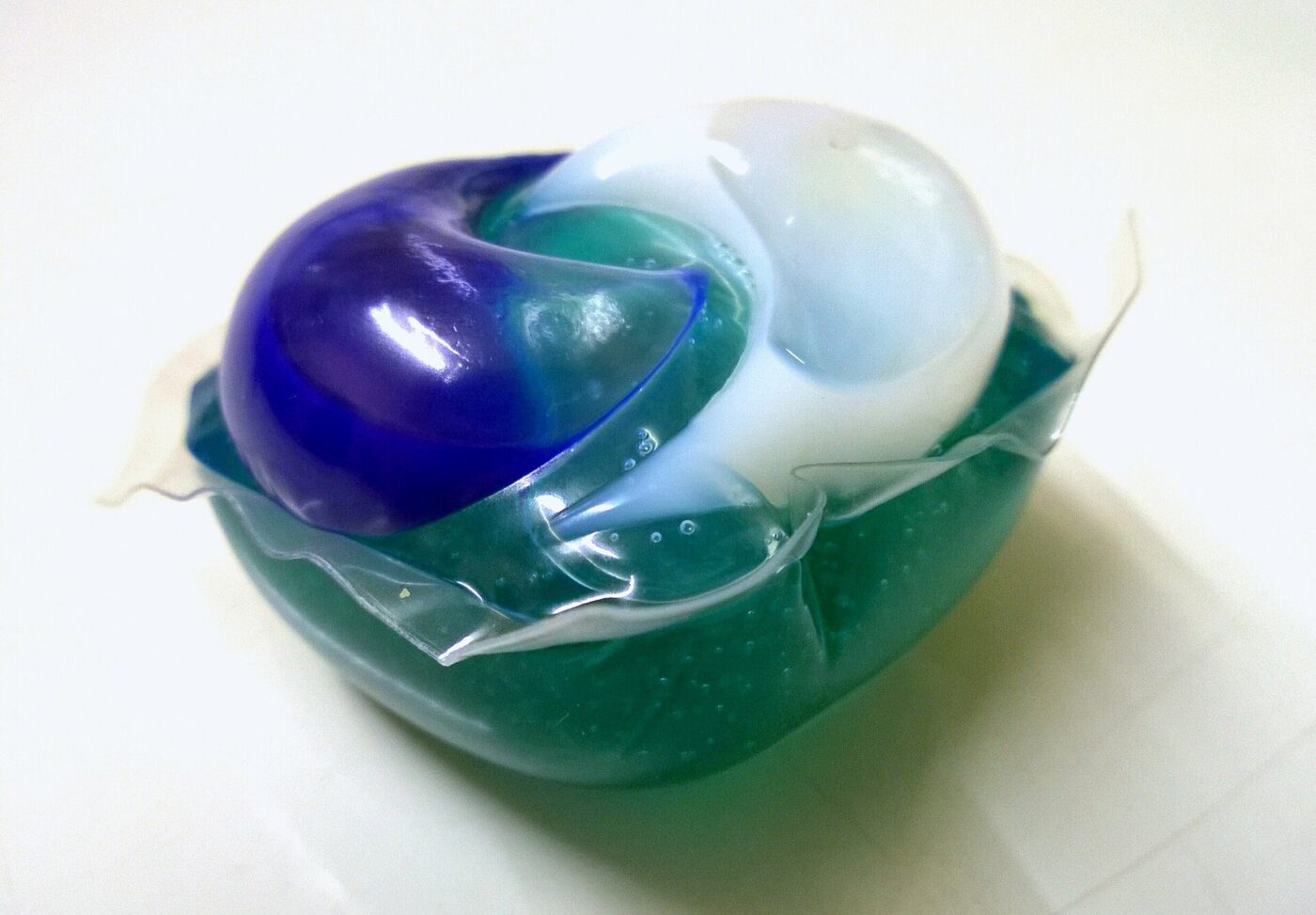
Liquid and powder detergent can be scaled to load size, soil level and water hardness. A pod can only be scaled in whole units, because it must stay intact: Poison Control advises never cutting, tearing or puncturing pods.
Directions are not the same across products. Tide’s instructions for its pods, for example, call for one pod for smaller loads, two for standard loads and three for larger loads. Other products are designed as one pod per load. Read the back of the package rather than assuming.
The limitation shows most with small loads and soft water, where a full pod can be more detergent than the wash needs. In a high-efficiency front loader, excess detergent means extra suds and residue, so households that often wash small loads may be better served by an adjustable detergent.
| Situation | Liquid or powder | Pods |
|---|---|---|
| Small or lightly soiled load | Measure below the normal line | Smallest whole-pod dose on the package |
| Normal load | Measure to the normal line | Follow the package count |
| Large or heavily soiled load | Measure to the higher line | Directions may call for more than one |
| Soft water | Often less detergent needed | Cannot go below one pod |
Cost per load, counted honestly

Pods often cost more per load than jugs or boxes, and the real cost per load depends on the directions. If your typical load calls for two pods, the number of loads you get from a tub is half the number of pods in it. Check whether the load count on the package matches the pod count the directions call for.
Liquid can be cheaper on paper and more expensive in practice. The printed number of loads assumes the cap is filled to the line; people who pour generously get fewer loads from the same bottle and more residue in the machine.
Failed loads cost money too. A pod that does not dissolve fully in an overloaded drum leaves streaks that mean a second wash, which erases any saving.
- Price per pod: package price divided by the pod count.
- Pods per typical load: from the directions on the back, not the front label.
- Price per load: price per pod multiplied by pods per load.
- Liquid comparison: jug price divided by the loads you actually get at your real pour.
- Rewash cost: overloaded drums and undissolved pods add hidden loads.
Using pods correctly in an HE washer

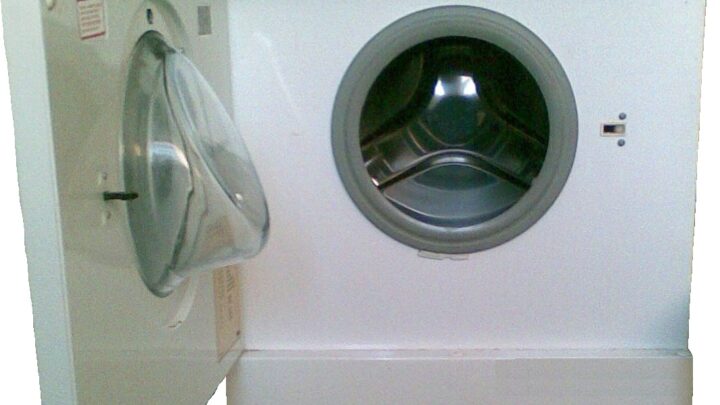
Pods go in the drum, not the dispenser. Tide’s directions say to place the pod directly into the empty washer drum and then add laundry on top so it dissolves completely, and note that its pods are HE-compatible.
Leave room for water to move. Tide suggests a simple check for front loaders: if you can fit your palm vertically between the clothing and the drum, the load is not overstuffed. A packed drum can trap a pod in a fold of fabric where it dissolves slowly.
Handle pods with dry hands. CPSC explains that packets dissolve quickly and release highly concentrated chemicals on contact with water, wet hands or saliva, and close the container immediately after taking one out.
Pod in first, clothes on top, dry hands, and close the container the moment you take a pod out.
Storage around children, adults and pets
CPSC warns that children exposed to the chemicals in liquid laundry packets are at risk of serious injury, noting that packets are soft and colorful and resemble candy, toys and teething products. It reports children hospitalized after swallowing detergent and eye injuries from ruptured packets. Its three safety steps are: do not let children handle packets; keep them sealed in their original packaging, locked up and out of a child’s sight and reach; and if a packet is swallowed or gets in an eye, call Poison Help at 1-800-222-1222 immediately.
Poison Control adds that container locks should be used after removing a pod, every time. If a child bites a pod, it advises removing the pod, washing the child’s face and hands, gently wiping out the mouth and contacting poison control; for eye exposure, rinse gently with running water for 15 minutes before calling. The same caution applies to any adult in the home who might mistake a pod for food.
Pets are at risk as well. The ASPCA warns that detergent pods can cause significant stomach upset and irritation of the upper airway, and that a pet vomiting after eating one may inhale detergent into the lungs, causing severe pneumonia. It advises contacting a veterinarian or its Animal Poison Control Center immediately, even if the pet shows no symptoms.
If a pod is bitten or swallowed, call Poison Help at 1-800-222-1222 right away. For a pet, call your veterinarian or an animal poison control center.
The shortlist
Paid links: we earn a commission if you buy through the buttons below, at no extra cost to you. As an Amazon Associate I earn from qualifying purchases.
Compared on dosing and safety
| Product type | Best for | Risk estimate | Where to buy |
|---|---|---|---|
| Laundry Pods in a Child-Resistant Container | Convenient fixed dose | 40/100 | See listings on Amazon |
| HE Powder Laundry Detergent | Adjustable dose | 24/100 | See listings on Amazon |
| Cabinet Safety Locks | Locked storage | 10/100 | See listings on Amazon |
Risk estimate is our editorial Fear Index for the product type (lower is safer), not a customer rating. How it is scored. The buttons open Amazon search results rather than one listing, so check the model on the product page.
Cabinet Safety Locks
CPSC advises keeping packets locked up and out of sight. A locked cabinet above child height does both.
- Adds a second barrier to the container lock
- Inexpensive and quick to fit
- Protects other cleaning products too
- Only works if relocked every time
- Adhesive types can loosen
HE Powder Laundry Detergent
A good fit for households that wash many small loads, or that would rather not keep pods in the house.
- Scale down for small loads
- Often lower cost per load
- Suits soft water households
- Requires measuring carefully
- Still hazardous if swallowed