
Front-Load Washers Smell Because of Excess Detergent and a Closed Door
Front-load washer odor usually starts with detergent residue and trapped moisture. What makers say about HE dosing, door seals and monthly clean cycles.

Part of the guide: Home and Kitchen Buying Mistakes: What Fails and How to Check Before You Buy
Front-load washers use far less water than old top loaders and seal the drum behind a rubber door gasket. Both features save water and energy. Both also make it easier for residue and moisture to stay behind.
The musty smell that follows is rarely a defect. It is usually the result of habits carried over from older machines: generous detergent doses, liberal fabric softener, and a door closed as soon as the laundry comes out.
Fear Index · Think twice
Residue and moisture sealed behind the door
Owners tend to blame the machine, but much front-loader odor traces back to overdosed detergent, softener residue, wet laundry left inside and a door kept shut.
Where the smell comes from
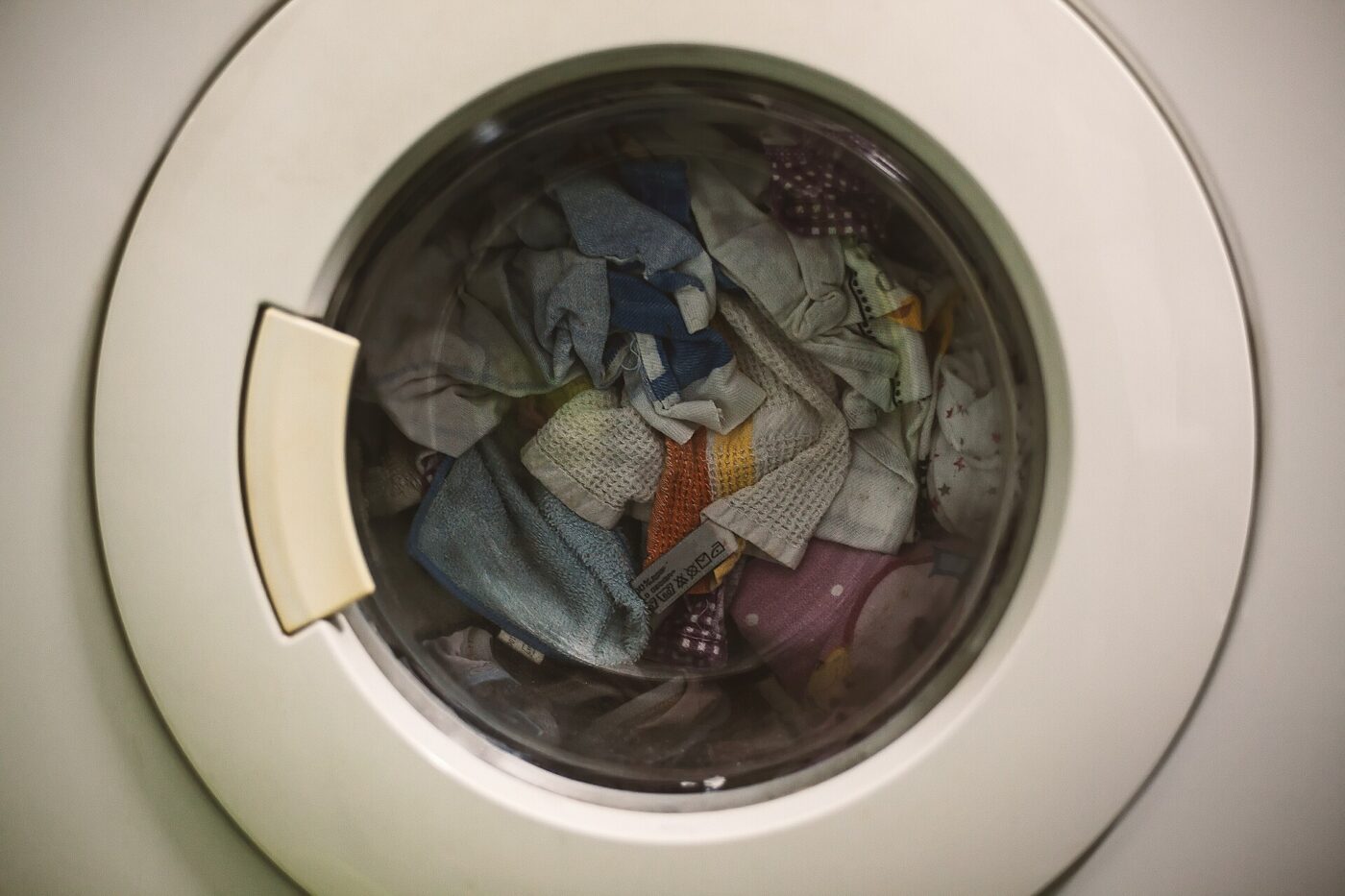
GE Appliances puts the main mechanism plainly: using too much detergent creates too many suds, and the excess soap gets trapped in the outer tub, where it creates an odor over time. The outer tub is the part you never see, which is why a drum that looks clean can still smell.
Moisture is the other half. Whirlpool notes that leaving wet clothing in the basket can lead to mildew, causing odors in both the garments and the washer. The folds of the door gasket hold water, lint and hair after every cycle, and a closed door keeps that damp pocket warm and dark.
Residue also collects in the dispenser drawer and around the drain pump filter, where lint, coins and small items gather. Each of these spots needs its own attention; running an extra rinse does not reach all of them.
| Location | What collects | How to reach it |
|---|---|---|
| Door gasket folds | Water, lint, hair, residue | Wipe and dry the folds |
| Outer tub | Detergent and softener residue | Monthly clean cycle |
| Dispenser drawer | Detergent and softener film | Remove and wash per the manual |
| Drain pump filter | Lint, coins, debris | Open per the manual, towels ready |
| Laundry left inside | Mildew in damp fabric | Unload promptly |
HE detergent and the overdosing problem
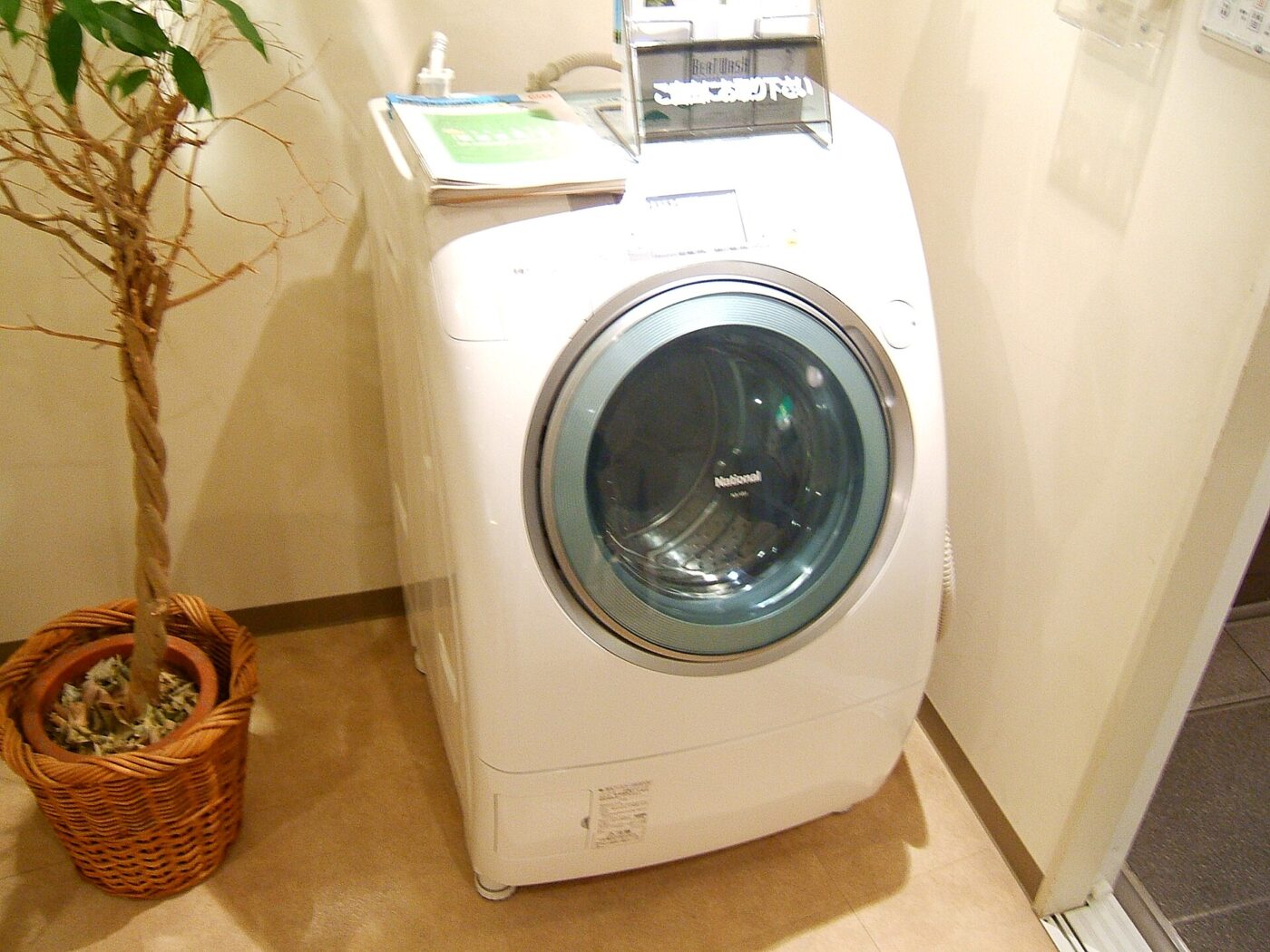
Whirlpool’s guidance is to use only HE detergent, and it warns that non-HE detergent or more than the recommended amount can cause excessive suds. HE formulas are designed to produce less foam in low water. In a front loader, extra suds cushion the tumbling action and do not rinse away fully, which leaves a film behind.
Overdosing is easy. Modern detergents are concentrated, and the fill line for a normal load often sits well below the top of the cap. Pouring to the brim can double or triple the dose without anyone noticing. Soft water generally needs less detergent than hard water, which widens the gap further.
Fabric softener adds its own residue, and GE specifically mentions soap and softener residue as a cause of odor. Use less than you think, or skip it for towels and athletic wear.
Measure detergent to the line for your load size, not to the top of the cap. Overdosing is one of the most common self-inflicted causes of front-loader odor.
Cleaning the gasket and running a clean cycle

Both manufacturers recommend a monthly routine. Whirlpool says to run the Clean Washer cycle every month, and GE recommends cleaning the tub once a month to keep the basket free of soap and fabric softener residue. Use the cleaner or bleach your manual specifies; Whirlpool warns against thickened, easy-pour or no-splash bleach in its clean cycle because excess suds may occur.
The gasket has to be cleaned by hand, not just run through a cycle. Whirlpool’s door seal instructions start with inspecting for debris such as coins or socks, cleaning residue with an appliance-safe cleaner and a sponge or non-abrasive pad, then drying the seal carefully, with attention to the folds where moisture collects. Never mix bleach with other cleaning products.
- Inspect the seal for coins, socks and debris caught in the folds.
- Clean the folds with an appliance-safe cleaner and a non-abrasive pad.
- Dry the seal with a clean towel, especially inside the lower fold.
- Run the clean cycle monthly with the cleaner or bleach the manual specifies.
- Clean the dispenser and pump filter following the owner’s manual.
Habits that keep it fresh
Whirlpool recommends leaving the door open between loads to help avoid odor-causing buildup, and its door seal guide notes that leaving it slightly open helps air circulate and dry the interior. If small children or pets are in the home, keep the laundry room closed or use a door stop that holds it just ajar.
Unload promptly. Whirlpool advises removing clothing as soon as possible when the cycle finishes, because damp laundry left in a sealed drum is where mildew starts. Delay-start features that finish hours before you get home work against this.
If odor persists after a clean cycle, look further. GE also points to drain hose positioning and cleaning the pump filter and dispenser drawer. A drain hose installed incorrectly can let dirty water siphon back, which no amount of cleaner will fix.
Still smells after a clean cycle? Check the pump filter and drain hose before buying another cleaner.
The shortlist
Paid links: we earn a commission if you buy through the buttons below, at no extra cost to you. As an Amazon Associate I earn from qualifying purchases.
Compared on odor prevention
| Product type | Best for | Risk estimate | Where to buy |
|---|---|---|---|
| Washing Machine Cleaner Tablets | Monthly tub cleaning | 18/100 | See listings on Amazon |
| HE Liquid Laundry Detergent | Correct dosing | 22/100 | See listings on Amazon |
| Front-Load Washer Door Prop | Drying between loads | 20/100 | See listings on Amazon |
Risk estimate is our editorial Fear Index for the product type (lower is safer), not a customer rating. How it is scored. The buttons open Amazon search results rather than one listing, so check the model on the product page.
Washing Machine Cleaner Tablets
Pairs with a monthly clean cycle. Still wipe and dry the door seal separately.
- Made for washer clean cycles
- Pre-measured, no mixing
- Reaches the outer tub
- Does not clean gasket folds by hand
- Check your manual allows it
Front-Load Washer Door Prop
The low-effort way to follow the leave-it-open advice without a door swinging wide.
- Lets the drum and seal air dry
- Keeps the door only slightly open
- Cheap and simple
- Door still partly open near children
- Some designs fit poorly