
Carpet Gets Dirty Faster After Cleaning When Detergent Stays in the Fibers
Detergent left in carpet attracts soil, so spots return and traffic lanes darken within weeks. How to dose solution, rinse, extract and dry carpet properly.


Part of the guide: Home and Kitchen Buying Mistakes: What Fails and How to Check Before You Buy
Renting or buying a carpet cleaner feels like a reset for a tired room. For a few days it often is, and then the traffic lanes and old spots come back faster than they did before.
That is not bad luck or poor carpet. It is usually residue: cleaning solution that stayed in the fibers, turned sticky as it dried, and started collecting dirt from the next pair of socks.
Fear Index · Think twice
Detergent left behind to hold the next dirt
The cleaned area looks good for a week, then traffic lanes and spots darken faster than before, because residue and moisture were left in the pile.
Why clean carpet gets dirty faster
The Carpet and Rug Institute’s stain guidance names the problem directly: many spot removal solutions leave residues in the carpet that may attract soil, so the area should be thoroughly rinsed several times with lukewarm tap water. Residue coats the fibers with a film that dry soil sticks to, and vacuuming cannot easily lift it again.
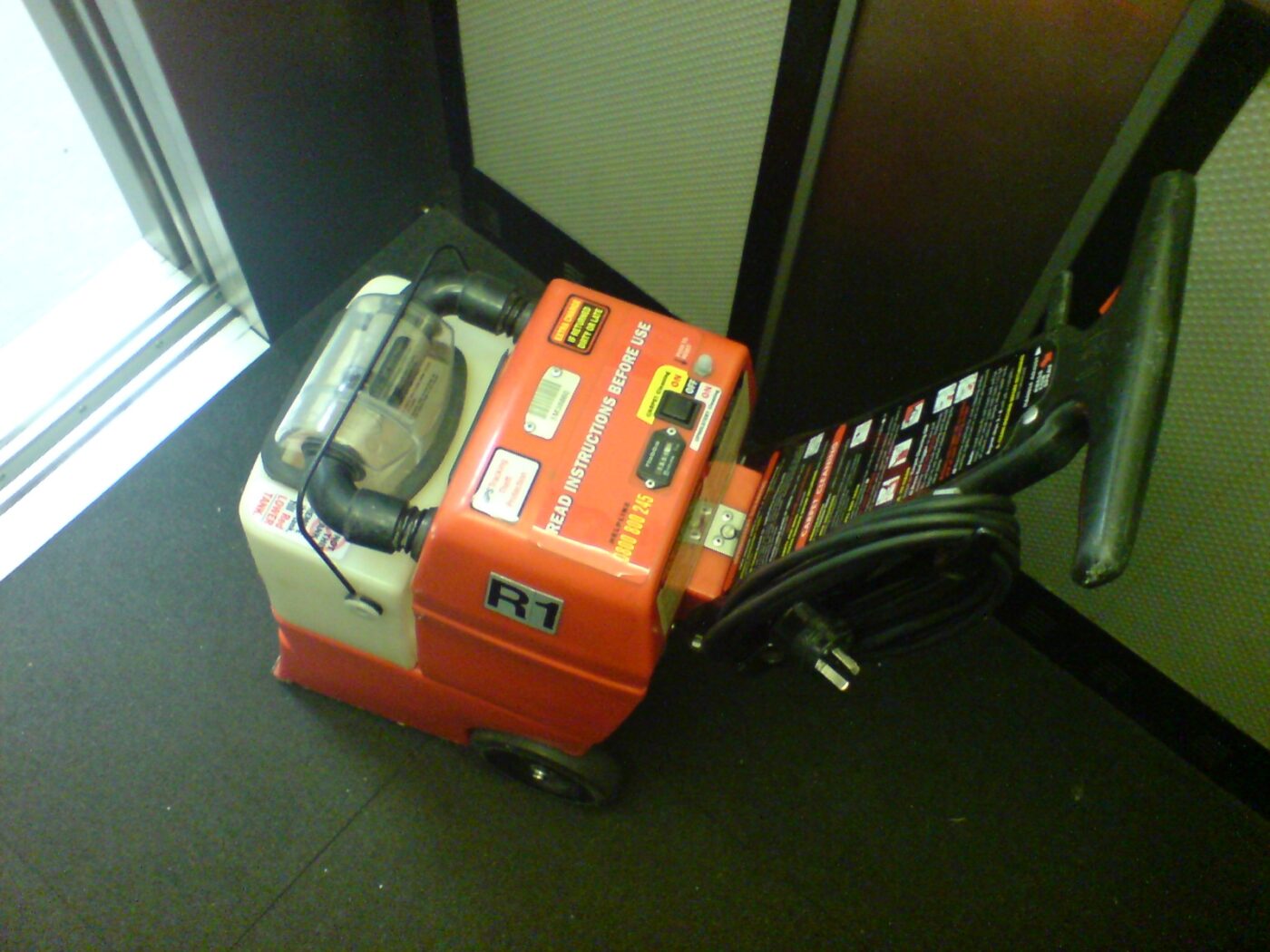
Whole-room cleaning with a machine repeats the same process at scale. When more solution goes into the carpet than the machine extracts, the water evaporates and the detergent stays, most heavily in the places that got the most passes, which tend to be the dirtiest traffic lanes.
Spots that reappear a day or two after cleaning are often wicking. Moisture deep in the pile or backing dries upward, carrying dissolved soil and residue to the tips of the fibers, where it shows again.
If a cleaned area darkens faster than the rest of the room, suspect residue before you blame the carpet or the machine.
More solution is not more clean
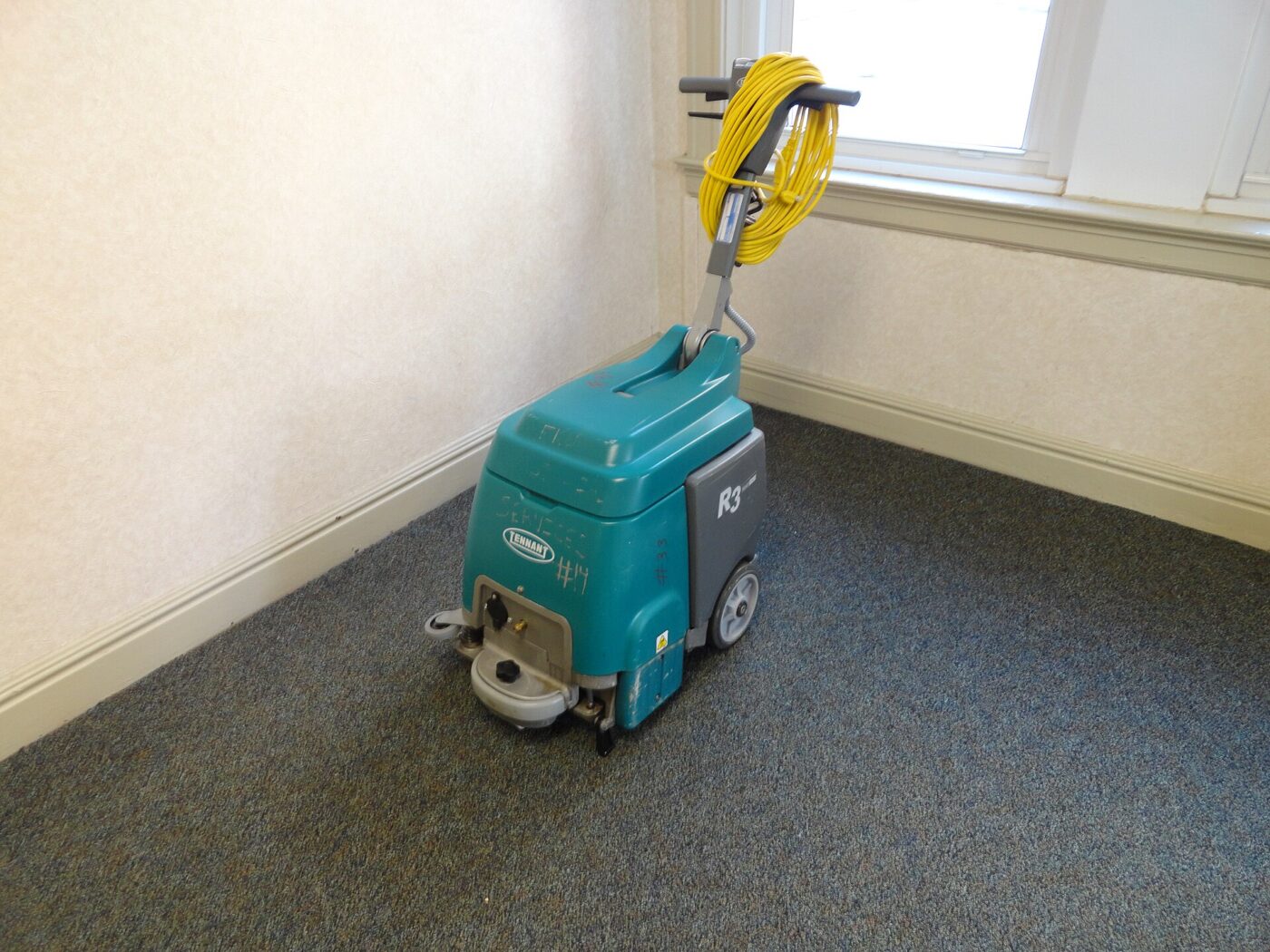
Home carpet cleaners are designed around a specific ratio of formula to water, usually marked with fill lines on the tank. Adding extra formula does not dissolve more dirt in proportion; it leaves more detergent that the machine then has to pull back out, and produces foam that can reduce suction.
The Carpet and Rug Institute recommends products that do not damage carpet or cause it to resoil quickly, and runs a Seal of Approval program that measures the cleaning efficacy of vacuums, extractors, cleaning systems and cleaning products. A certified solution, carrying the Institute’s Seal of Approval, is a reasonable starting point, but the dose still decides how much is left behind.
For individual spots, the Institute advises applying a small amount of solution to a white cloth and working it in gently from the edges toward the center, blotting rather than rubbing, instead of pouring solution onto the carpet.
- Vacuum thoroughly first, because dry soil turns to mud once water is added.
- Fill to the lines for formula and water, never extra formula.
- Use a formula made for your machine type.
- Pretreat spots with a cloth, not by soaking the carpet.
- Test in a hidden area for color change before cleaning a whole room.
Rinse and extract more than you think
Rinsing is the step most people skip. The Institute’s instructions call for rinsing several times, note that several rinses are often necessary to thoroughly remove residues, and recommend a mist-type sprayer to prevent overwetting, blotting and patting dry after each rinse.
With a machine, the equivalent is a clean-water rinse pass after the cleaning pass, using the rinse setting if the machine has one or a tank of plain water if it does not, followed by several suction-only passes until very little water comes up. Slow, overlapping strokes extract more than fast ones.
Overwetting has its own cost. Water that soaks through to the backing and pad takes much longer to dry, which invites musty odors, wicking and discoloration. The goal is carpet that feels only slightly damp after the last pass.
| Step | Purpose | Sign it was skipped |
|---|---|---|
| Dry vacuuming | Removes loose soil before water | Muddy recovery water, gray streaks |
| Correct dosing | Limits detergent left behind | Stiff or sticky fibers |
| Clean-water rinse pass | Removes remaining detergent | Traffic lanes darken quickly |
| Suction-only passes | Pulls out water | Carpet still wet the next day |
| Airflow while drying | Speeds drying | Musty smell, spots wicking back |
Drying and when to call a professional
Speed drying with airflow: open windows when the air outside is dry, run fans across the carpet, and use air conditioning or a dehumidifier in humid weather. Keep foot traffic off until the carpet is dry, and put plastic or foil tabs under furniture legs so stains and rust do not transfer.
Home machines do not replace professional cleaning entirely. The Carpet and Rug Institute recommends professional deep cleaning every 12 to 18 months and notes that certified cleaners are sometimes required by the manufacturer to keep warranty protection.
Carpet that already resoils quickly can often be improved with a rinse-only pass using plain water, followed by thorough extraction and drying. If that does not help, a professional hot water extraction is the next step.
Check your carpet warranty before cleaning. Some manufacturers require professional cleaning or certified products to keep coverage.
The shortlist
Paid links: we earn a commission if you buy through the buttons below, at no extra cost to you. As an Amazon Associate I earn from qualifying purchases.
Compared on residue control
| Product type | Best for | Risk estimate | Where to buy |
|---|---|---|---|
| Upright Carpet Cleaner with Rinse Mode | Whole-room cleaning | 34/100 | See listings on Amazon |
| Low-Residue Carpet Cleaning Solution | Less left behind | 26/100 | See listings on Amazon |
| Portable Carpet Spot Cleaner | Small spills | 30/100 | See listings on Amazon |
Risk estimate is our editorial Fear Index for the product type (lower is safer), not a customer rating. How it is scored. The buttons open Amazon search results rather than one listing, so check the model on the product page.
Upright Carpet Cleaner with Rinse Mode
Choose one that makes rinsing and suction-only passes easy, because those decide whether the carpet resoils.
- Rinse setting for clean-water passes
- Strong suction for dry passes
- Large tanks for whole rooms
- Easy to overwet with slow wet passes
- Heavy and bulky to store
Low-Residue Carpet Cleaning Solution
Look for a solution made for your type of machine, and fill only to the marked line.
- Formulated for machine use
- Measured dosing on the label
- Less residue when dosed correctly
- Still needs rinsing
- Overdosing cancels the benefit