
Resin Printing Is a Chemistry Hobby That Happens to Make Models
Uncured resin is a skin sensitizer and an aquatic toxin. What ventilation, gloves, skin first aid and waste disposal actually require.

Part of the guide: Tools and DIY Buying Mistakes: What Fails and How to Check Before You Buy
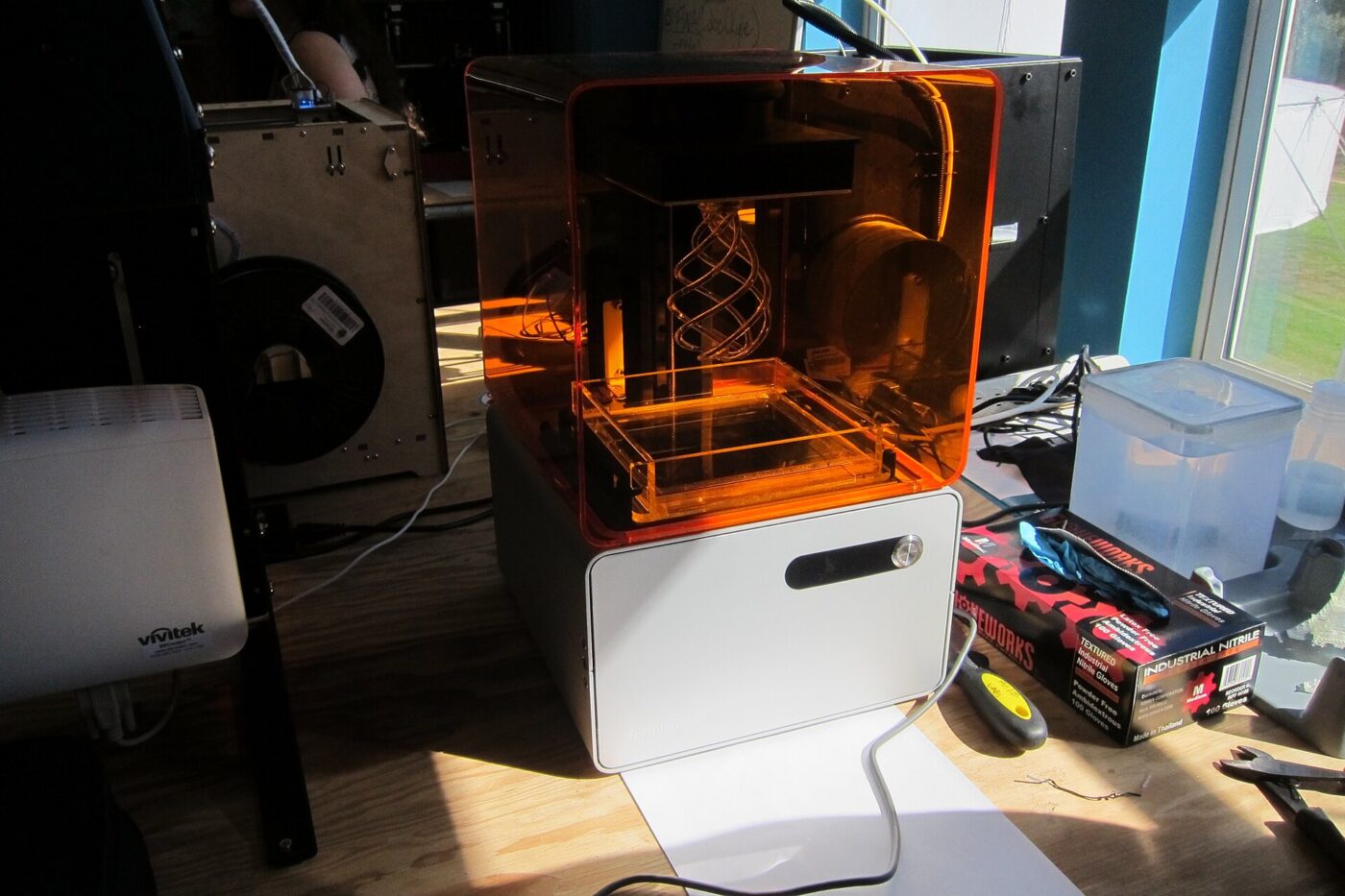
A resin printer produces detail a filament machine cannot approach, which is why miniature painters and jewellers use them. It also asks you to handle a photopolymer that is classified as hazardous in its liquid state.
This is not a reason to avoid the hobby. It is a reason to set it up properly the first time, because the main risk is cumulative and irreversible.
Fear Index · High risk
A hobby with genuine chemical handling
Skin sensitisation is permanent and cumulative. Once you react to a chemistry, you react to it for life.
Sensitisation is the real risk
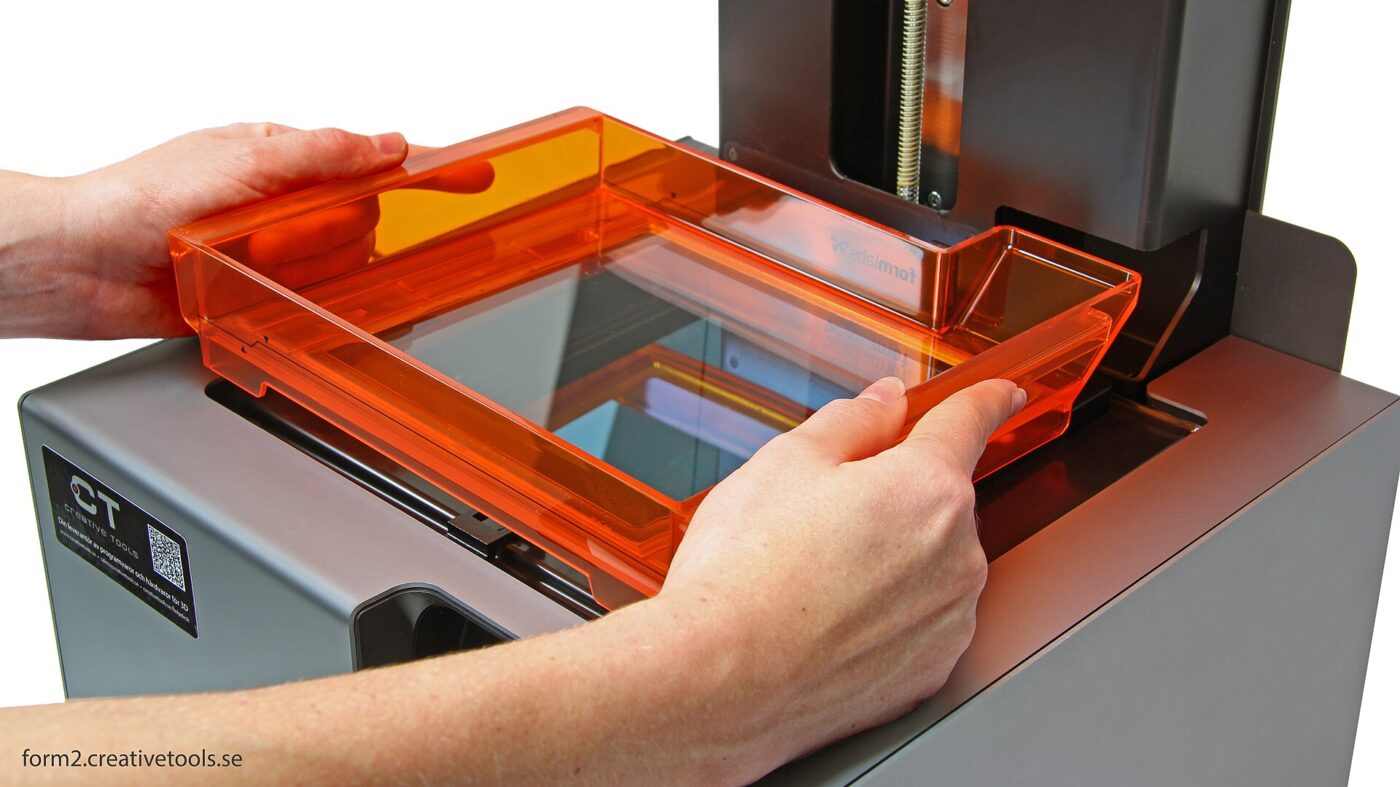
Photopolymer resins contain acrylates and methacrylates. These are recognized skin sensitizers: repeated exposure can trigger an immune response, after which even tiny contact produces dermatitis.
The critical property is that sensitisation is permanent. People who develop it generally have to leave the hobby entirely, and it is the outcome that turns a careless setup into a lasting problem.
Exposure is cumulative rather than dose-dependent in the usual sense. Small contacts repeated over months are how most people get there — not one dramatic spill.
If resin does reach skin, wash it off promptly with soap and cool water rather than alcohol, which can help the chemical penetrate. For eye contact, rinse with water for 15 minutes and get medical advice. Neither step reverses sensitization once it has happened, which is the whole reason to avoid the exposure in the first place.
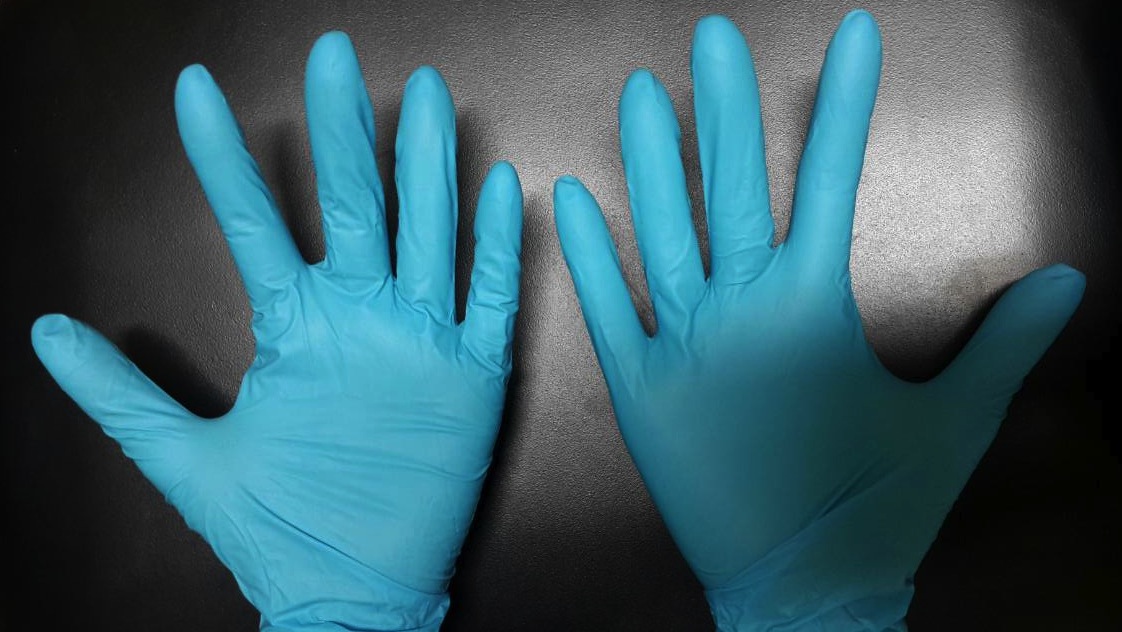
Nitrile gloves, every time, including for “just a moment.” Change them the moment resin touches them — acrylates work through thin nitrile too, so a contaminated glove is worse than bare skin you know to wash.
Ventilation is not optional

Resin printing releases volatile organic compounds, and the smell is a poor guide — some resins marketed as low-odor still emit VOCs.
A carbon filter inside the printer reduces smell. It does not remove VOCs from the room in the way ducting to outside does. If the printer lives in a bedroom or a small office, that distinction matters.
- Duct outside where possible — a window vent kit is inexpensive.
- Do not print in a bedroom. Sleeping in the room is prolonged exposure.
- Wear eye protection when handling the vat and when washing.
- Cover surfaces. Resin on a desk cures under room light into a film that is difficult to remove.
- Isopropyl alcohol is flammable and used in volume for washing. Keep it away from the UV curing lamp.
Disposal is a legal matter, not a preference
Uncured resin is classified as harmful to aquatic life, and the same applies to the alcohol or water used to wash prints. Pouring either down a drain is both an environmental problem and, in many places, unlawful.
Curing solves it. Resin that has been fully cured by UV is an inert solid and can be disposed of as ordinary waste in most jurisdictions.
- Leave waste resin in sunlight or under a UV lamp until fully solid.
- Let used alcohol or wash water settle, cure the resin residue solid, and dispose of that as ordinary waste. Reuse the clear alcohol for future washing, or take it to a household hazardous waste collection point — never pour it away, since it is both flammable and contaminated.
- Cure failed prints and supports before throwing them out.
- Paper towels used for wiping should also be cured before disposal.
Setting up a workspace once, properly
Most of the ongoing risk in resin printing comes from small, repeated contact rather than a single accident, so the workspace matters as much as any single piece of gear. A dedicated area — a garage corner, a shed, a well-ventilated workshop — beats a shared space every time, because it keeps resin off surfaces other people touch.
Cover the work surface before the first print, not after the first spill. A silicone mat or a sheet of cardboard that gets replaced periodically stops resin from curing directly onto a desk or workbench, where it bonds to the finish and is difficult to remove without solvents that bring their own hazards.
Keep isopropyl alcohol away from the UV curing lamp and any open flame or spark source; it is used in volume for washing and is flammable in the quantities a resin hobbyist keeps on hand. Store the bottle closed, away from heat, and label anything decanted into a smaller container.
The shortlist
Paid links: we earn a commission if you buy through the buttons below, at no extra cost to you. As an Amazon Associate I earn from qualifying purchases.
Compared on protecting yourself
| Product type | Best for | Risk estimate | Where to buy |
|---|---|---|---|
| Nitrile Gloves (Box of 100) | Essential protection | 10/100 | See listings on AmazonOpens Amazon search results, not one listing: check the model on the product page. |
| Monochrome LCD Resin Printer | Detail printing, ducted | 60/100 | See listings on AmazonOpens Amazon search results, not one listing: check the model on the product page. |
| Wash and Cure Station | Less skin contact | 32/100 | See listings on AmazonOpens Amazon search results, not one listing: check the model on the product page. |
Risk estimate is our editorial Fear Index for the product type (lower is safer), not a customer rating. How it is scored.
Nitrile Gloves (Box of 100)
The cheapest item in the hobby and the one that prevents the outcome that ends it. Latex is not a substitute.
- Better barrier than latex
- Cheap enough to change frequently
- Prevents the one permanent injury here
- Single use
- Must be the right size to work properly
Wash and Cure Station
The washing step is where most skin contact happens. Enclosing it removes the single biggest exposure route.
- Closed washing reduces skin contact and fumes
- Consistent curing
- Keeps alcohol in a sealed vessel
- Another appliance and cost
- Still needs gloves and ventilation
More: Hobbies & Making analyses and how the Fear Index is scored.
Questions people actually ask
Is resin 3D printing dangerous?
Uncured resin is a skin and respiratory sensitizer, and sensitization is permanent. With nitrile gloves, eye protection and ventilation to outside, the risk is manageable.
Do I need ventilation for a resin printer?
Yes. Resins release VOCs regardless of odor, and a carbon filter reduces smell rather than removing them from the room. Duct to outside and never print in a bedroom.
Can you pour resin down the drain?
No. Uncured resin and the alcohol or water used to wash prints are harmful to aquatic life and often unlawful to drain. Cure the resin residue solid and throw it out as ordinary waste; take the used alcohol to a household hazardous waste collection point instead of pouring it away.
What gloves should I use with resin?
Nitrile. Latex is permeable to some resin components, so it offers protection that is not actually there.