
A Yarn Label’s Weight Number and Fiber Percentage Decide Whether a Sweater Survives the Wash
A yarn label’s weight number and fiber percentages follow federal and industry standards, and they decide whether a pattern gauges and a gift survives the wash.

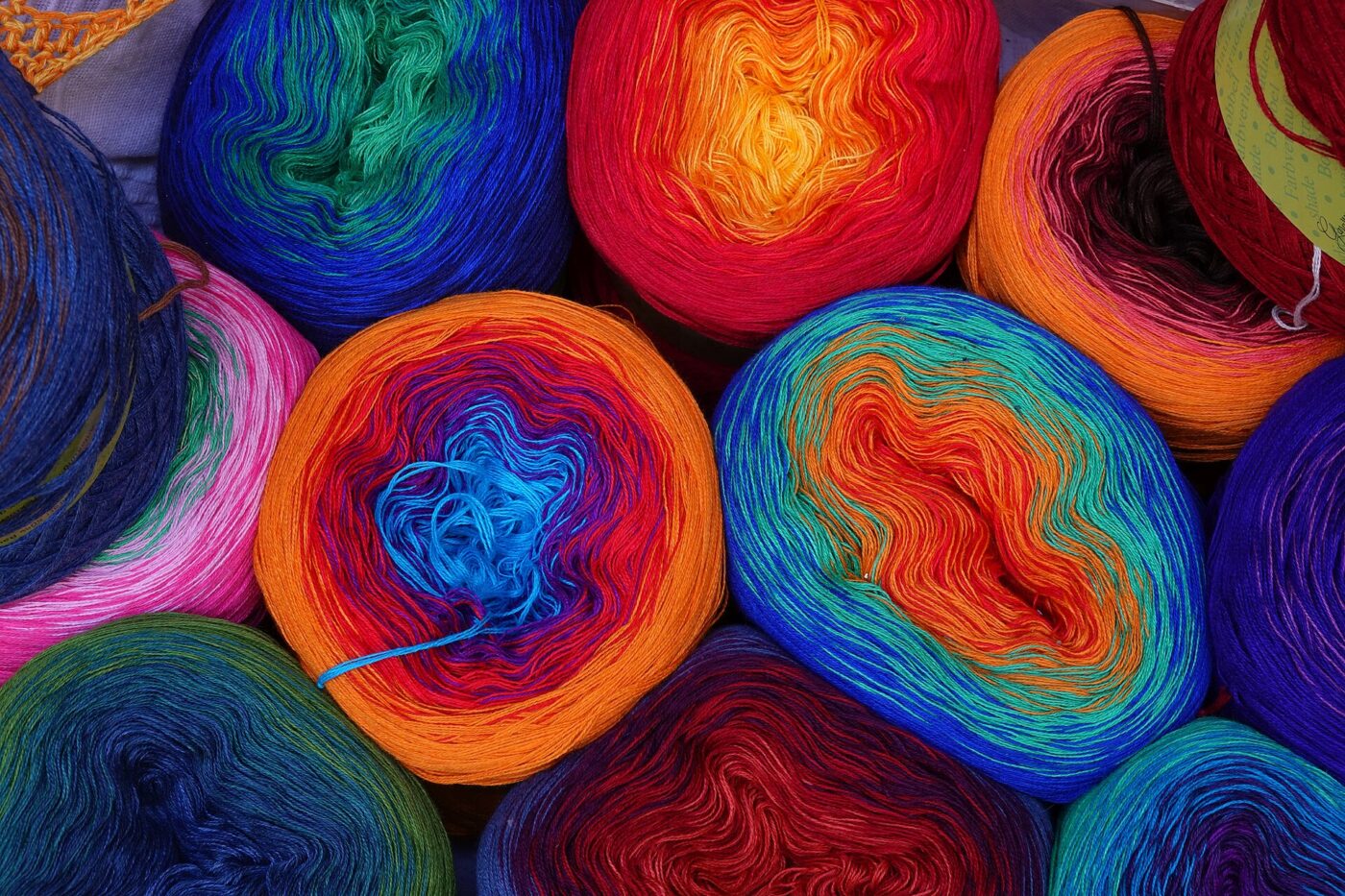
A skein of yarn advertises itself with color and a brand name long before it mentions anything a knitter actually needs. The number printed near the barcode and the fiber percentages in small type below it decide two separate outcomes: whether the pattern will gauge correctly, and whether the finished piece survives being washed the way it will actually be washed.
Both numbers follow standards, not marketing. The weight system comes from the Craft Yarn Council; the fiber disclosure comes from federal textile and wool labeling law. Reading them settles more of a project’s outcome than the color on the shelf ever will.
Fear Index · Low risk
A label most shoppers buy past
The Craft Yarn Council groups yarn into eight numbered weights, 0 through 7, precisely because color and brand name tell a buyer nothing about whether a skein will actually match a pattern’s gauge.
The standard yarn weight numbers, 0 to 7
The Craft Yarn Council’s Standard Yarn Weight System runs from 0 to 7: Lace, Super Fine, Fine, Light, Medium, Bulky, Super Bulky and Jumbo. Each category comes with its own recommended gauge range in both knitting and crochet, and its own recommended needle or hook size, so the number on a label is really shorthand for a whole set of sizing expectations.
A pattern written for a Medium (4) worsted-weight yarn expects a specific stitch count per four inches. Substituting a yarn from a different numbered category, even one that looks about the same thickness on the shelf, changes the finished size and drape of the piece before a single stitch is worked wrong.
The weight number is not a marketing category. It is the shorthand a pattern was written against.
Fiber percentages and what FTC labeling requires
Federal textile labeling law requires fiber content to be disclosed by “the fiber’s generic names” with “percentages by weight of each constituent fiber…listed in descending order of predominance,” per FTC’s own guidance for the Textile and Wool Acts.
Wool specifically carries an extra rule: under 16 CFR 300.3, “no fiber present in the amount of less than 5 percent shall be designated by its generic name…but shall be designated as ‘other fiber,’” and the label must separately show “the name or registered identification number issued by the Commission of the manufacturer” and “the name of the country where the wool product was processed or manufactured.”
A label that skips the percentages, or lumps everything under “other fiber,” has not met the federal disclosure rule, whatever the color card claims.
Superwash, non-superwash and felting

Untreated wool felts under heat, moisture and agitation because of how its fiber surface interlocks under friction — the same mechanism that turns a wool sweater run through a hot wash into a smaller, denser piece of fabric it was never meant to be. Superwash wool has been treated specifically to resist that interlocking, which is what allows it to go through a washing machine without felting.
That distinction lives entirely in the label, not in how the yarn looks or feels on the skein. A yarn described only as “wool” or “merino” with no superwash or machine-washable wording should be treated as hand-wash-only until the label says otherwise.
A gift knit in non-superwash wool needs its own care note passed along with it, because the sweater itself cannot say so.
Acrylic, wool and blends: warmth, care and heat
Wool and acrylic behave differently in ways a label’s fiber percentage predicts before a project is even cast on. Wool holds warmth relative to its weight and takes dye and shaping well; acrylic is generally less expensive and often machine washable, but it is a synthetic fiber that responds to heat differently — worth keeping clear of a hot iron, a stove or a dryer’s highest setting rather than treating it the way a natural fiber is treated near heat.
A blend, wool with a percentage of nylon or acrylic mixed in, inherits some of both: read the actual percentages on the label rather than assuming a blend behaves like whichever fiber happens to be listed first.
The fiber percentages predict how a finished piece will behave near heat and water well before the first wash reveals it the hard way.
Swatching and dye lots before you buy enough
A gauge swatch, knit or crocheted and measured against the pattern’s stated gauge, is the only reliable check that a chosen yarn will produce the size a pattern intends — the label’s weight number narrows the field, but it does not replace the swatch. Buying enough yarn from the same dye lot for an entire project up front avoids a visible color shift partway through, since later purchases of the same yarn may come from a different dye lot entirely.
Federal care-labeling rules for finished apparel require the manufacturer to have “a reasonable basis for all regular care information disclosed to the purchaser” before it goes on the label. A hand-knit gift is not a manufactured garment and carries no such label by law, which is exactly why passing along the yarn’s own care information — superwash or not, wool or acrylic — is what stands in for one.
A swatch answers whether the yarn fits the pattern. A passed-along care note answers whether the finished gift survives the first wash.
The shortlist
Paid links: we earn a commission if you buy through the buttons below, at no extra cost to you. As an Amazon Associate I earn from qualifying purchases.
Compared on matching yarn to the project
| Product type | Best for | Risk estimate | Where to buy |
|---|---|---|---|
| Superwash Merino Wool Yarn (Worsted) | A machine-washable starting yarn | 12/100 | See listings on AmazonOpens Amazon search results, not one listing: check the model on the product page. |
| Yarn Swift and Ball Winder Set | Prepping a hank for swatching | 8/100 | See listings on AmazonOpens Amazon search results, not one listing: check the model on the product page. |
| No-Rinse Wool Wash | Hand-washing a non-superwash gift | 6/100 | See listings on AmazonOpens Amazon search results, not one listing: check the model on the product page. |
Risk estimate is our editorial Fear Index for the product type (lower is safer), not a customer rating. How it is scored.
Superwash Merino Wool Yarn (Worsted)
Superwash treatment is what allows this to go in a washing machine, not the word merino by itself — the label still needs to say superwash or machine washable.
- Labeled fiber percentage and weight number
- Superwash treatment resists felting
- Worsted weight matches most patterns
- Costs more than non-superwash wool
- Still check the label, not just the name
No-Rinse Wool Wash
A non-superwash gift still needs to be washed eventually. A no-rinse wash lets that happen by hand instead of in a machine that will felt it.
- No rinse step for delicate fibers
- Works for wool, alpaca and blends
- Small bottle lasts many hand washes
- Will not stop felting by itself
- Still needs careful handling while wet
More: Hobbies and Making analyses and how the Fear Index is scored.
Questions people actually ask
What do the numbers 0 through 7 on a yarn label mean?
They follow the Craft Yarn Council’s Standard Yarn Weight System, from 0 (lace) to 7 (jumbo), and tell you the gauge and hook or needle size a pattern was likely written around.
Is a yarn label legally required to list fiber content?
Yes. Federal textile and wool labeling rules require the generic name and percentage by weight of each fiber, listed in descending order, along with country of origin and the manufacturer’s name or registered number.
What is the difference between superwash and non-superwash wool?
Superwash wool has been treated to resist the felting untreated wool undergoes from heat, moisture and agitation, which is what allows it to go through a washing machine. The label needs to say superwash or machine washable specifically.
Can I substitute a different yarn weight for the one a pattern calls for?
Only if you re-check gauge. Swapping weight categories changes the finished size and drape even when the new yarn looks similarly thick, so a gauge swatch is the only reliable check.