
Many Beginners Quit Because Their Guitar Hurts, Not Because They Cannot Play
A cheap guitar with a good setup plays better than an expensive one without. What action is, and why a $60 setup transforms a $150 guitar.


A beginner presses a string, it buzzes or does not sound, and their fingertips hurt within ten minutes. The conclusion is almost always that they lack strength or technique.
Sometimes. Very often the guitar is simply set up badly, and no amount of practice compensates for an instrument that requires twice the force it should.
Fear Index · Think twice
An instrument that fights the player
Almost everyone who gives up in the first months blames themselves. Frequently the guitar was never adjusted.
Action is the whole problem
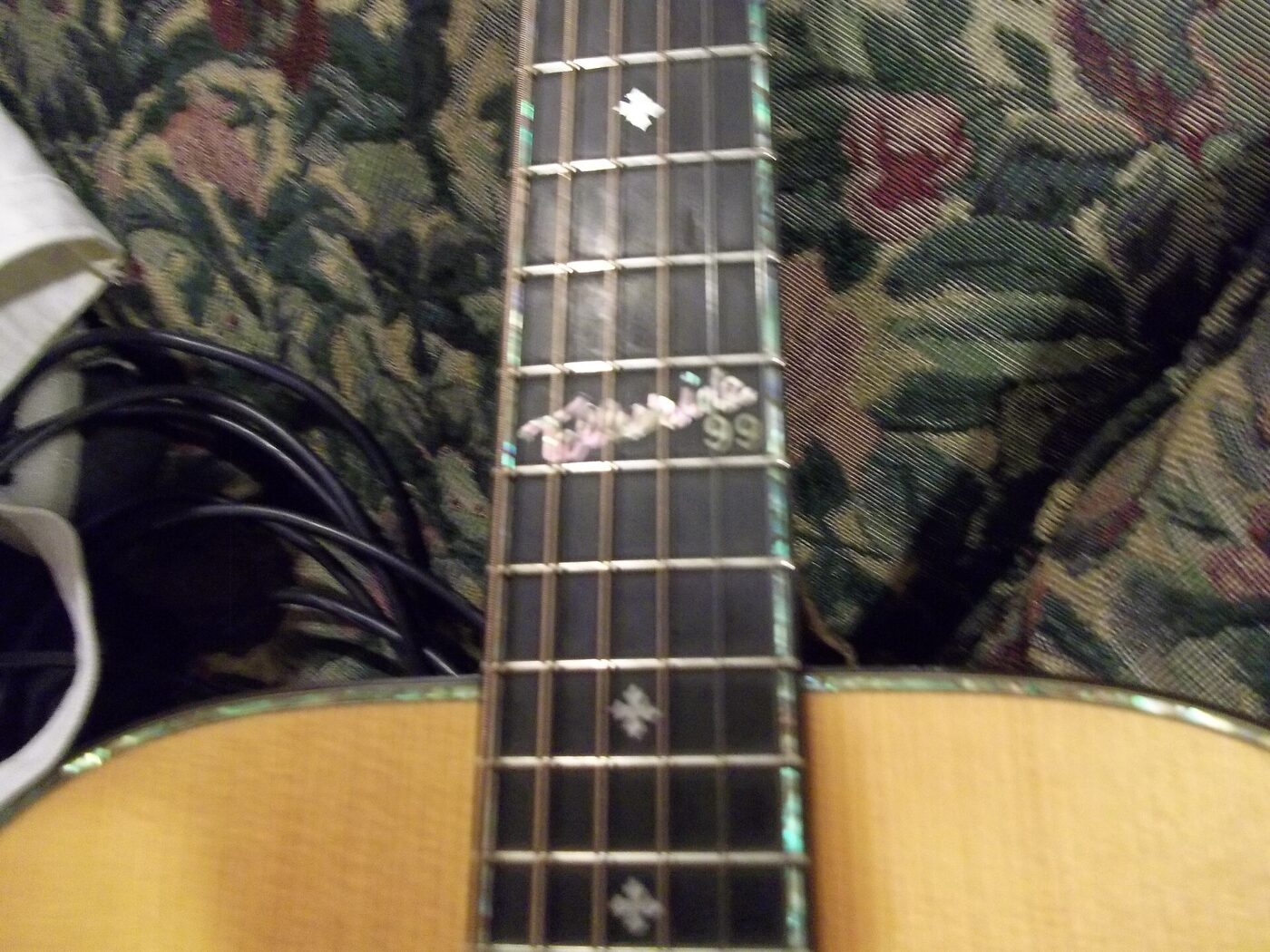
Action is the distance between the strings and the frets. Higher action needs more finger pressure to fret a note, and the effect compounds across a barre chord where six strings must be held at once.
Guitars leave factories with action set conservatively high, because a high action never buzzes and a returned guitar costs money. It is a shipping decision, not a playing one.
Two adjustments control it. At the bridge, the saddle height sets action across the whole neck. At the headstock, the nut slots set it at the first few frets — and nut slots cut too shallow are the single most common fault on inexpensive guitars.
Test it at the first fret. If pressing a string down there takes noticeable effort, the nut slots are too high, and that is exactly where a beginner spends their first months.
What a setup involves
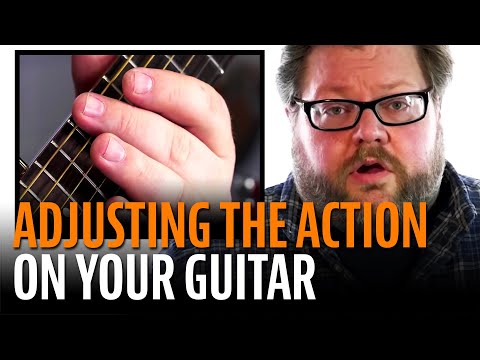
A setup is a set of adjustments, not a repair. A competent shop does them in under an hour.
- Truss rod. Adjusts neck relief — the slight forward bow that stops strings buzzing.
- Saddle height. Sets action across the neck.
- Nut slots. Filed to the right depth. This requires proper files and is the part not to attempt blind.
- Intonation. Ensures notes stay in tune as you move up the neck.
- Fret ends. Dressed so they do not catch the hand.
What to buy, and the strings nobody mentions
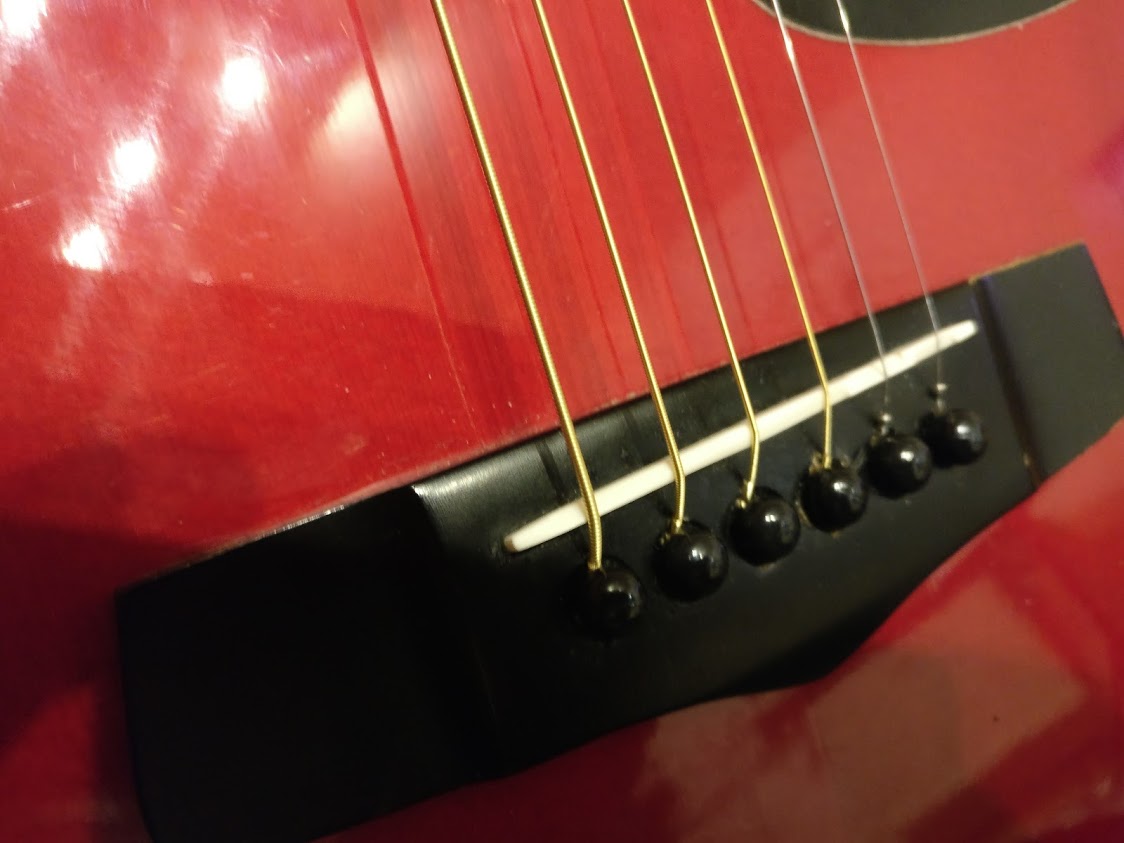
The honest advice for a first guitar: buy a competent budget instrument and spend the saving on a setup and lessons. A well-set-up cheap guitar plays better than an unadjusted expensive one, and the difference is not subtle.
String gauge is the other free improvement. Most acoustic guitars leave the factory with light-gauge strings (12–53), and even that feels stiff to new fingers. Moving to extra-light or custom-light strings reduces the tension considerably and costs very little.
On electric guitars the same applies — 9s instead of 10s make a noticeable difference to a beginner’s hands.
Finding someone who does this well
A setup is a routine service, not a specialty repair, so most independently owned guitar shops and many larger music retailers offer one, and some traveling techs work guitar shows and local music schools on a schedule worth checking. Ask what it includes before booking: a real setup adjusts truss rod, saddle height, nut slots and intonation together, not just a quick tuning and a wipe-down.
A fair benchmark in the US is roughly $50 to $100 for an acoustic or electric guitar, more for a locking-tremolo electric or a 12-string. If a shop cannot explain what they adjusted afterward, or the action feels unchanged, ask them to redo it or take the guitar elsewhere.
A cheap way to check whether a guitar needs a setup before paying for one: fret the low E string at the first fret and look at the gap above the twelfth fret. A visible gap the width of a business card or more usually means the action is higher than it needs to be.
Buying online instead of from a local shop does not change any of this — it just moves the setup step to after delivery rather than before. Budget for it from the start rather than treating it as an unexpected extra, and factor the wait — a good local tech is often booked a week or two out — into when you actually expect to start playing comfortably, particularly if a gift or a birthday is the occasion for the purchase.
The shortlist
Paid links: we earn a commission if you buy through the buttons below, at no extra cost to you. As an Amazon Associate I earn from qualifying purchases.
Compared on playability out of the box
| Product type | Best for | Risk estimate | Where to buy |
|---|---|---|---|
| Beginner Acoustic Guitar | Best starting point | 34/100 | See listings on AmazonOpens Amazon search results, not one listing: check the model on the product page. |
| Extra-Light Acoustic Strings | Easiest on fingers | 10/100 | See listings on AmazonOpens Amazon search results, not one listing: check the model on the product page. |
| Guitar Setup Tool Kit | Fixes what you own | 42/100 | See listings on AmazonOpens Amazon search results, not one listing: check the model on the product page. |
Risk estimate is our editorial Fear Index for the product type (lower is safer), not a customer rating. How it is scored.
Extra-Light Acoustic Strings
Before anything else, put lighter strings on. For a beginner it is the cheapest way to reduce finger pain.
- Noticeably lower tension under the fingers
- Costs less than a single lesson
- Fitted in fifteen minutes
- Slightly less volume and low end
- Needs restringing skill or a shop
Beginner Acoustic Guitar
Buy the affordable instrument and spend the difference on a setup. That order produces a guitar that is genuinely easy to play.
- Good enough to learn on for years
- Widely available and easy to resell
- Leaves budget for a setup
- Ships with high factory action
- Light-gauge strings still feel stiff
More: Hobbies & Making analyses and how the Fear Index is scored.
Questions people actually ask
Why does my guitar hurt to play?
Usually high action — the strings sit too far above the frets, so fretting takes far more force than it should. Factory setups ship high to avoid buzzing, and cheap guitars often have nut slots cut too shallow.
What is a guitar setup?
Adjusting truss rod, saddle height, nut slots, intonation and fret ends so the instrument plays easily and in tune. It takes a shop under an hour.
Is a setup worth it on a cheap guitar?
Especially on a cheap guitar. A well-set-up budget instrument plays better than an unadjusted expensive one, and the setup typically costs less than two lessons.
What string gauge should a beginner use?
Extra-light or custom-light on acoustic, and 9s on electric. Lower tension means less finger pain, which is the main reason beginners stop practicing.