
A Rotary Cutter Left Open on the Table Is the Injury Waiting to Happen
A rotary cutter is an exposed blade the moment it is open. How auto-retract guards, ANSI-rated gloves and cutting technique keep it from reaching a hand.

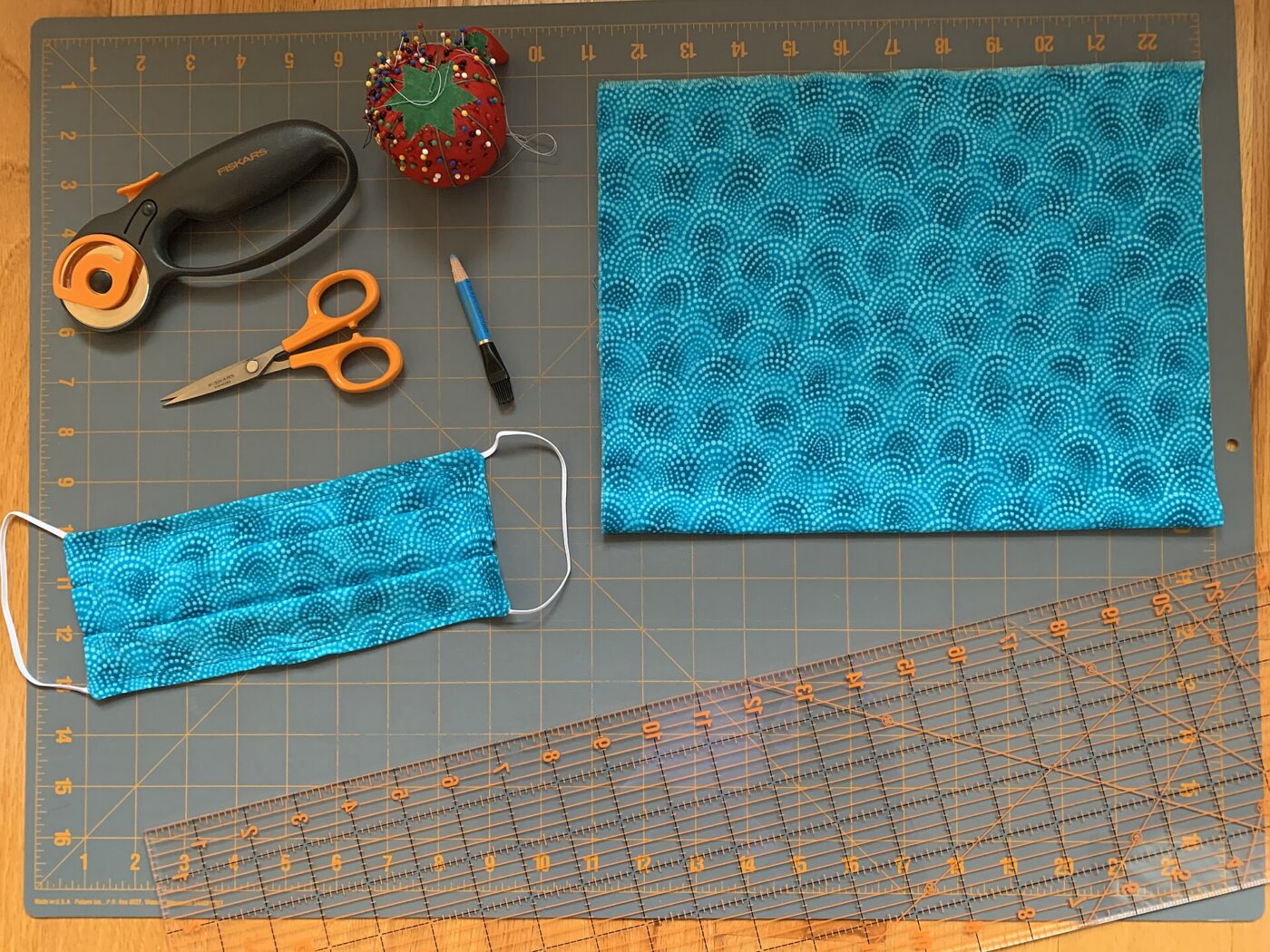
A rotary cutter is a razor blade mounted on a wheel, and it is only as safe as the moment right after the last cut. Closed and locked, it is inert. Left open on a cutting table, it is exactly as dangerous as any other uncovered blade within reach of a hand.
Manufacturer safety instructions and quilting guides describe the same short list of moments where that blade actually reaches skin: a guard left open, a cutter dropped and grabbed, or a blade that jumps the edge of a ruler into the hand holding it steady.
Fear Index · Think twice
A round blade treated like a pen
Manufacturer safety instructions treat an open rotary blade like any other unguarded blade: it should never be set down extended, and every cut should run away from the body, because a blade that jumps a ruler’s edge moves faster than a hand can react.
How rotary cutter injuries actually happen

OLFA’s own safe-cutting guidance narrows the risk to a few specific habits: cut away from yourself, never toward yourself, and automatically close the cutter the moment a cut is finished. The guidance is explicit about the alternative — never lay a cutter down on a surface with the blade extended, because an open blade left on a table is picked up, brushed against or dropped exactly like any other tool.
Missouri Star Quilt Co.’s guide to rotary cutters points to the same failure points from the other direction: keep the guiding hand well away from the ruler’s edge, and engage the blade guard the instant a cut is done, since a blade that rides up over a ruler moves too fast for a reflex to catch it partway through.
Auto-retract, squeeze-trigger or manual: what the guard actually does
A manual-guard cutter relies entirely on the user remembering to slide the shield closed after every pass, which is the habit both OLFA and quilting guides single out as the one that lapses. A squeeze-trigger design exposes the blade only while a finger holds the trigger down, closing automatically the moment it is released.
An auto-retracting design goes a step further: Missouri Star’s guide describes it as pulling the blade back inside its casing “the moment you lift it from the fabric,” with no separate action required. OLFA’s own hardware adds a dual-action lock on top of that, letting the blade be secured either open for a long cutting session or closed for storage and travel, so it cannot be jarred open by accident in a bag or a drawer.
The safest guard is the one that closes without the user having to remember to close it.
Cut-resistant gloves: what the ANSI rating means, and which hand
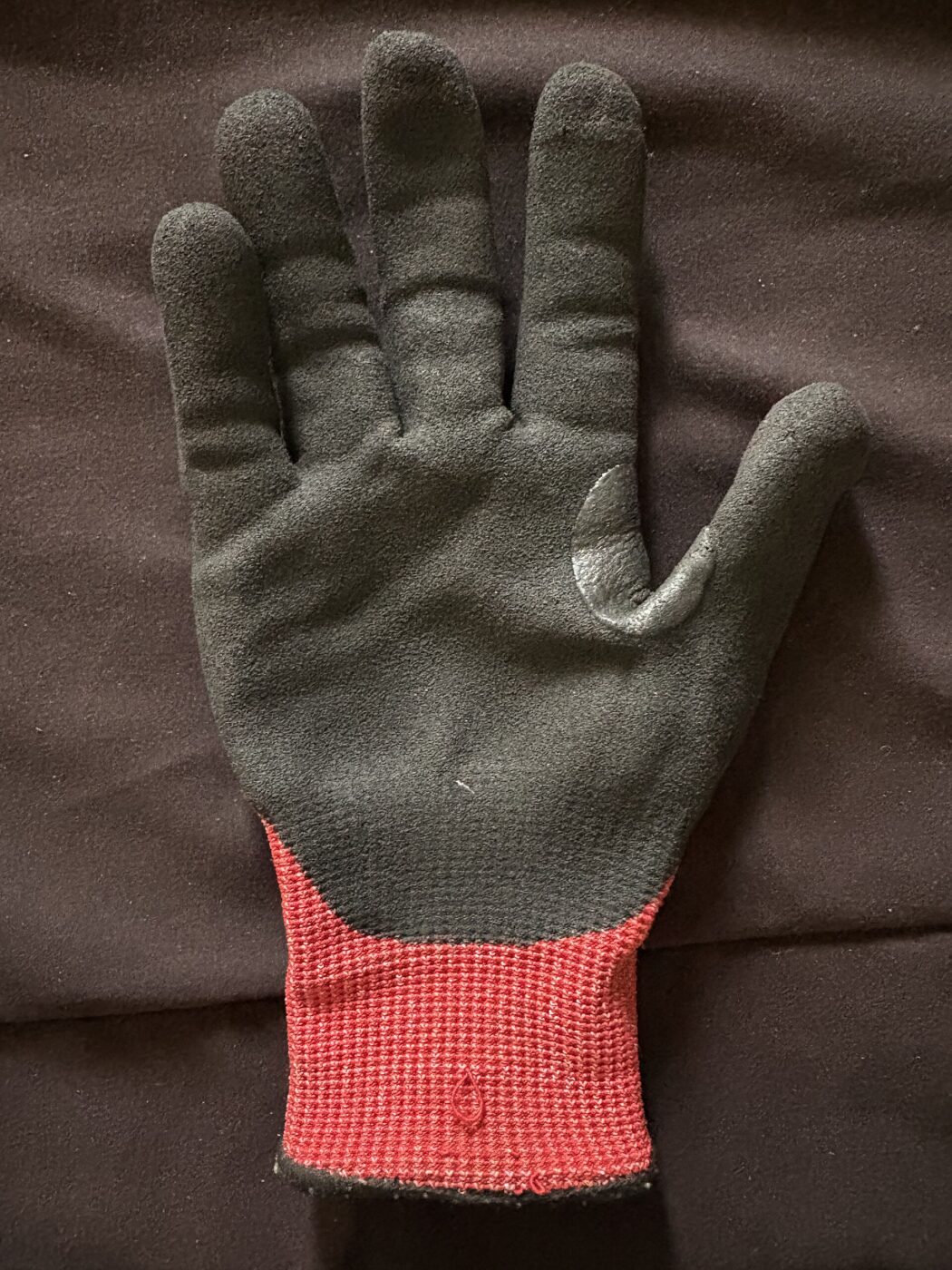
ANSI/ISEA 105 is the American national standard that rates how well a glove resists a blade, on a scale from A1, the lowest rating, up to A9, the highest. Ergodyne’s technical guidance on the standard describes the test behind that scale: a machine called a tomodynamometer pulls a blade across the glove’s surface under increasing weighted load, and the rating reflects how much force it takes to cut through.
The glove belongs on the hand holding the ruler, not the hand holding the cutter. That hand sits directly in the blade’s path if it climbs over the ruler’s edge, which is the specific failure both OLFA and Missouri Star’s guidance warn against, while the cutting hand stays behind the tool’s own guard.
Ruler grip, mat size and cutting stance
OLFA’s technique guidance is specific about hand position: place the ruler hand’s fingers away from the cutting edge, and wrap the cutter hand around the handle with the index finger resting on the ridged section above the blade, not near its edge. Missouri Star’s guide adds a stance recommendation — stand rather than sit while cutting, using body weight instead of arm strength alone, which keeps the motion controlled through a full pass.
A self-healing mat sized to the fabric keeps a long cut on padded material for its entire length instead of running off the mat onto a bare table, where the blade can skip or catch. A 24-by-36-inch mat covers most quilting cuts without repositioning fabric mid-pass. Our guide to what feed dogs actually do covers the sewing-machine side of the same project once the fabric is cut.
- Ruler hand: fingers back from the edge the blade will ride against.
- Cutting hand: index finger on the ridge above the blade, not near it.
- After every cut: retract or lock the blade before setting the cutter down.
- Mat size: big enough that a full-length cut never runs off the edge.
Blade changes and disposal
OLFA’s blade-change instructions call for the blade cover to stay engaged while the housing is open, so the replacement blade is never exposed at the same time the old one is being removed. A locking handle, which several manufacturers offer, adds a second safeguard for households where the cutter needs to be kept out of a child’s reach between projects.
A used rotary blade is still sharp enough to cut through a standard trash bag. Wrapping it before disposal, the same practice recommended for any other bare blade, keeps it from becoming a hazard after it has left the cutting table.
The shortlist
Paid links: we earn a commission if you buy through the buttons below, at no extra cost to you. As an Amazon Associate I earn from qualifying purchases.
Compared on keeping the blade away from a hand
| Product type | Best for | Risk estimate | Where to buy |
|---|---|---|---|
| Rotary Cutter with Auto-Retract Blade Guard (45mm) | Closing the blade automatically | 20/100 | See listings on AmazonOpens Amazon search results, not one listing: check the model on the product page. |
| Cut-Resistant Glove (ANSI A4 or Higher) | Protecting the guiding hand | 15/100 | See listings on AmazonOpens Amazon search results, not one listing: check the model on the product page. |
| Self-Healing Cutting Mat (24 x 36 in) | Keeping cuts on the mat | 12/100 | See listings on AmazonOpens Amazon search results, not one listing: check the model on the product page. |
Risk estimate is our editorial Fear Index for the product type (lower is safer), not a customer rating. How it is scored.
Rotary Cutter with Auto-Retract Blade Guard (45mm)
An auto-retracting design removes the step manufacturer guidance flags most often: a blade left open on a table or within a dropped tool’s reach.
- Blade retracts the moment it lifts off fabric
- Dual-action lock for open or closed storage
- 45mm fits most quilting rulers
- Costs more than a manual-guard cutter
- Still sharp whenever it is extended
Cut-Resistant Glove (ANSI A4 or Higher)
ANSI/ISEA 105 rates gloves from A1 to A9 by how much force a blade needs to cut through them; A4 sits in the standard’s middle range.
- ANSI/ISEA 105 A4-rated cut resistance
- Leaves enough dexterity to hold a ruler
- Fits under or over a fingertip grip
- Does not stop a blade at higher force
- Only protects the hand wearing it
More: Hobbies and Making analyses and how the Fear Index is scored.
Questions people actually ask
What is the safest type of rotary cutter for quilting?
A cutter with an auto-retracting blade guard, which closes automatically the moment it lifts off the fabric, removes the failure manufacturer guidance points to most often: a blade left open on a table or dropped within reach.
Which hand should wear a cut-resistant glove?
The hand holding the ruler, not the hand holding the cutter. That hand sits closest to the blade’s path if it climbs over the ruler’s edge.
What does an ANSI A4 cut rating mean?
ANSI/ISEA 105 rates gloves on a scale from A1, the lowest, to A9, the highest, based on how much force a blade needs to cut through the material in a standardized test.
How do I change a rotary cutter blade safely?
Keep the blade cover engaged while the housing is open, per manufacturer instructions, and wrap the old blade before disposal so it cannot cut through a trash bag.