
The Safety Rating on a Multimeter Matters More Than Its Accuracy
A CAT rating describes how much transient energy a meter can survive. On household circuits it is the specification that matters most.

Part of the guide: Tools and DIY Buying Mistakes: What Fails and How to Check Before You Buy
Multimeters are sold on counts, resolution and accuracy. Those numbers describe the quality of the reading you get back. None of them describes what happens to the meter, and to you, if it is connected across a fault.
Household circuits carry transients — brief, very high voltage spikes from switching and faults. The energy available behind them depends on how close you are to the supply transformer, and that is what the CAT rating describes.
Fear Index · High risk
The one specification that is about you, not the reading
A meter failing on a household-circuit transient can vent plasma into your hand. This is the rare category where the safety spec outranks everything else.
What a CAT rating actually measures
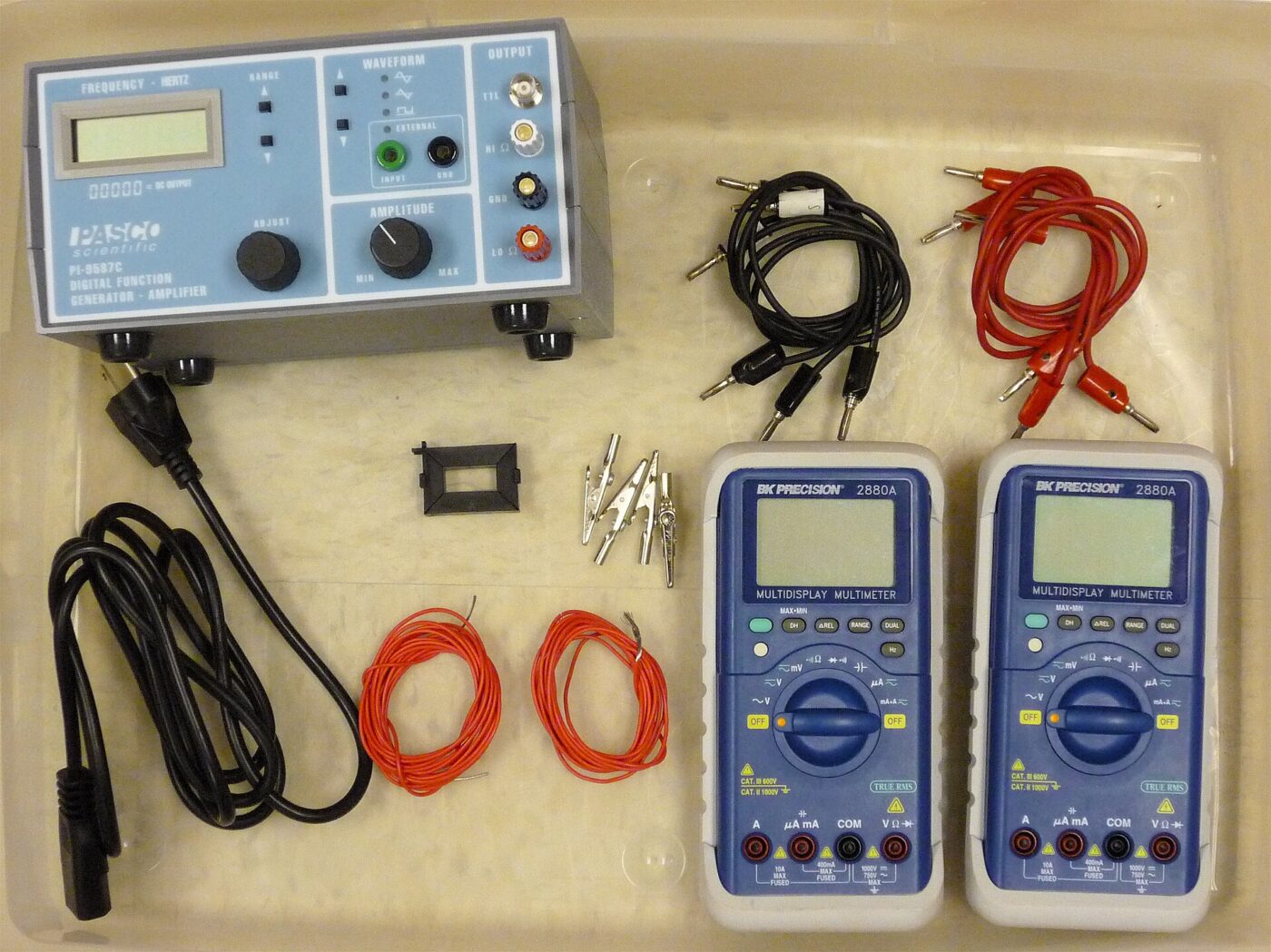
The category describes the electrical environment, and the voltage describes the working voltage within it. Both numbers matter and the category matters more.
| Category | Environment | Example |
|---|---|---|
| No category | Not connected to household power | Battery circuits, signal level |
| CAT II | Single-phase loads via a plug | Appliances at an outlet |
| CAT III | Fixed installation | Breaker panels, feeders, hard-wired circuits |
| CAT IV | Origin of supply | Service entrance, meter base, outdoor drop |
A CAT III 600 V meter is the safer choice on a distribution board over a CAT II 1000 V one, despite the smaller printed number. The category, not the voltage, describes the energy behind a fault.
Fused leads and the other half of the story

A meter is only as safe as the leads and the internal fusing. Two things are worth checking and are frequently absent on very cheap meters.
- High-rupture-capacity fuses on the current ranges. A cheap glass fuse cannot interrupt a household-circuit fault and the arc simply continues through it.
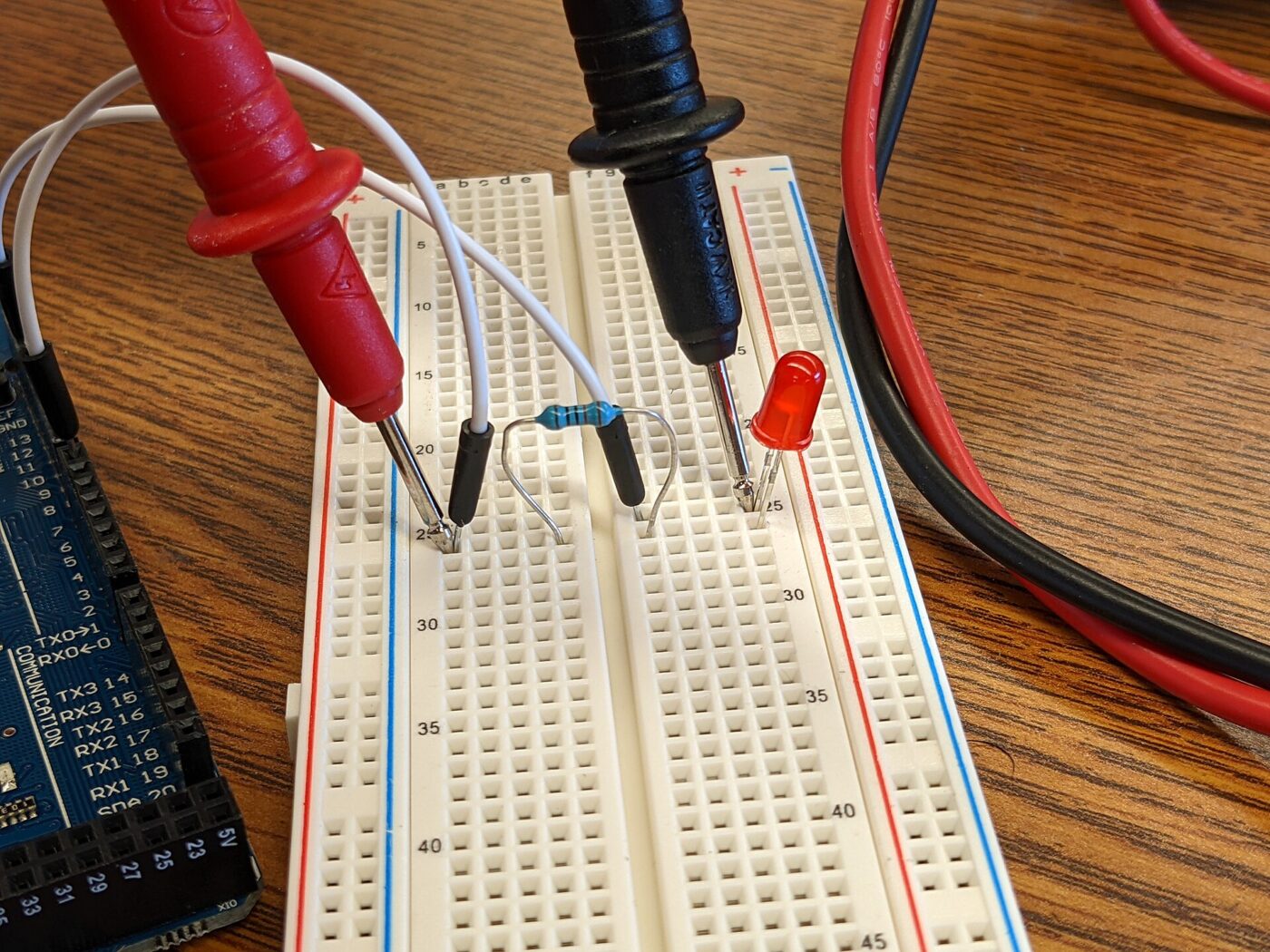
- Shrouded leads with finger guards, and only a few millimeters of exposed tip. Long bare probes make accidental bridging easy.
- Independent certification. A CAT rating printed on a case means nothing on its own. Look for a mark from a recognized test house, such as UL.
- Category applies to the whole system, so CAT III leads on a CAT III meter — mixing them downgrades the pair.
Counterfeit meters exist, and the CAT rating is what gets faked
Fluke, the market leader, publishes its own counterfeit-awareness notice: fake meters carry the Fluke name and logo and look legitimate in a listing photo, but “may not meet the necessary safety and quality” of the real product — for a multimeter, that means the printed CAT rating is unverified even when it looks official.
The same risk applies to unbranded meters claiming an independent certification mark that was never actually issued. A price well below other listings for a supposedly identical spec, packaging with spelling errors or off colors, and a seller with no verifiable authorized-dealer status are the practical tells — the same ones Fluke lists for spotting its own counterfeits.
Buy from an authorized dealer or a listing with reviews confirming the rating held up under real electrical use, not from whichever search result is cheapest for the same printed number.
Check the meter before you trust it
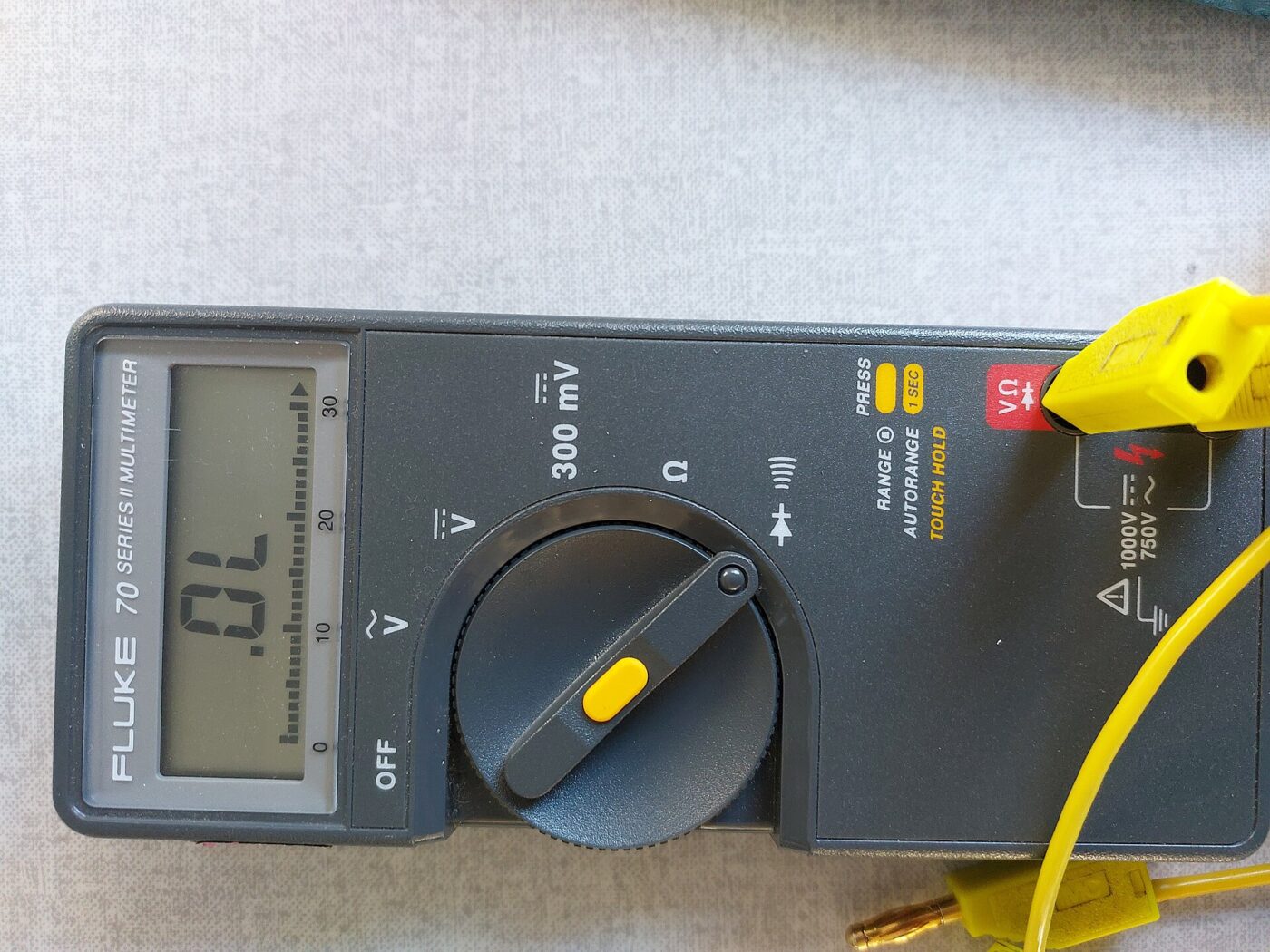
The habit that catches the most dangerous situations is the live-dead-live test. Prove the meter reads correctly on a known live source, test the circuit you believe is dead, then prove the meter again on that same known source.
That sequence catches a flat battery, a blown internal fuse and a broken test lead — every quiet failure mode that would otherwise show a live, dangerous circuit as safe to touch.
A non-contact voltage tester is a useful first pass and should never be the only check. They give false negatives behind grounded shielding and false positives from voltage induced in a nearby, unrelated wire.
A rated meter reduces the risk of the meter itself failing; it does not make work inside a breaker panel safe on its own. The service conductors feeding the main breaker stay live even with the main breaker switched off, since they connect ahead of it, and that kind of panel work belongs with a licensed electrician rather than a confident homeowner.
The shortlist
Paid links: we earn a commission if you buy through the buttons below, at no extra cost to you. As an Amazon Associate I earn from qualifying purchases.
Compared on where they are safe to use
| Product type | Best for | Risk estimate | Where to buy |
|---|---|---|---|
| CAT III 600 V Digital Multimeter | Household circuit work | 30/100 | See listings on AmazonOpens Amazon search results, not one listing: check the model on the product page. |
| Electronics Bench Multimeter | Electronics and low voltage | 26/100 | See listings on AmazonOpens Amazon search results, not one listing: check the model on the product page. |
| Non-Contact Voltage Tester | Non-contact first check | 40/100 | See listings on AmazonOpens Amazon search results, not one listing: check the model on the product page. |
Risk estimate is our editorial Fear Index for the product type (lower is safer), not a customer rating. How it is scored.
CAT III 600 V Digital Multimeter
The minimum for anything beyond a wall outlet. Check the rating carries an independent certification mark.
- Rated for the environment household work happens in
- True RMS reads modern loads correctly
- HRC fuses interrupt real faults
- More expensive than unrated meters
- Bulkier probes
Non-Contact Voltage Tester
A screening tool. It tells you where to be careful; it never tells you something is safe.
- Instant indication without contact
- Cheap enough to keep in a pocket
- Good for tracing which breaker feeds what
- False negatives behind shielding
- False positives from induced voltage
More: Tools & DIY analyses and how the Fear Index is scored.
Questions people actually ask
What does CAT III mean on a multimeter?
It describes the electrical environment the meter can survive a transient in — fixed installation wiring such as a breaker panel or distribution circuits, where fault energy is high.
Is CAT III 600V safer than CAT II 1000V?
On a distribution board, yes. The category describes available fault energy, which matters more than the working voltage figure.
What multimeter do I need for home electrical work?
CAT III 600 V as a minimum, with independently certified rating, HRC fuses and shrouded leads. Unrated meters are for battery and electronics work only.
What is the live-dead-live test?
Prove the meter on a known live source, test the circuit you believe is dead, then prove the meter again. It catches a flat battery, blown fuse or broken lead that would otherwise read a live circuit as safe.